Summary
America’s identity has been shaped by centuries of traditions, shared values, and historical turning points. From civic ideals rooted in the nation’s founding documents to cultural practices carried by generations of immigrants, these traditions continue to influence daily life, institutions, and public culture. Understanding them offers insight into how the past still informs American values, communities, and national identity today.
Introduction: Why Traditions Still Matter in America
Every nation is shaped not only by historical events but also by traditions that endure across generations. In the United States, traditions often emerge from pivotal moments in history, evolving over time while continuing to influence the nation’s values and institutions.
From civic participation and community volunteering to national holidays and local cultural customs, these traditions help define what it means to be American. They are not static relics of the past; rather, they are living practices that adapt to new circumstances while preserving meaningful connections to history.
According to the Pew Research Center, over 70% of Americans say traditions such as national holidays, family customs, and civic rituals play an important role in maintaining a shared national identity. These practices help bridge generational and cultural differences, offering common ground in a diverse society.
Understanding the stories behind these traditions provides more than historical knowledge. It reveals how shared values—such as liberty, community responsibility, and cultural diversity—continue to shape American life today.
Founding Ideals That Still Shape Civic Life
The United States was founded on a set of political ideas that have become enduring traditions in themselves. Concepts like constitutional governance, civic participation, and individual rights have guided the nation for nearly two and a half centuries.
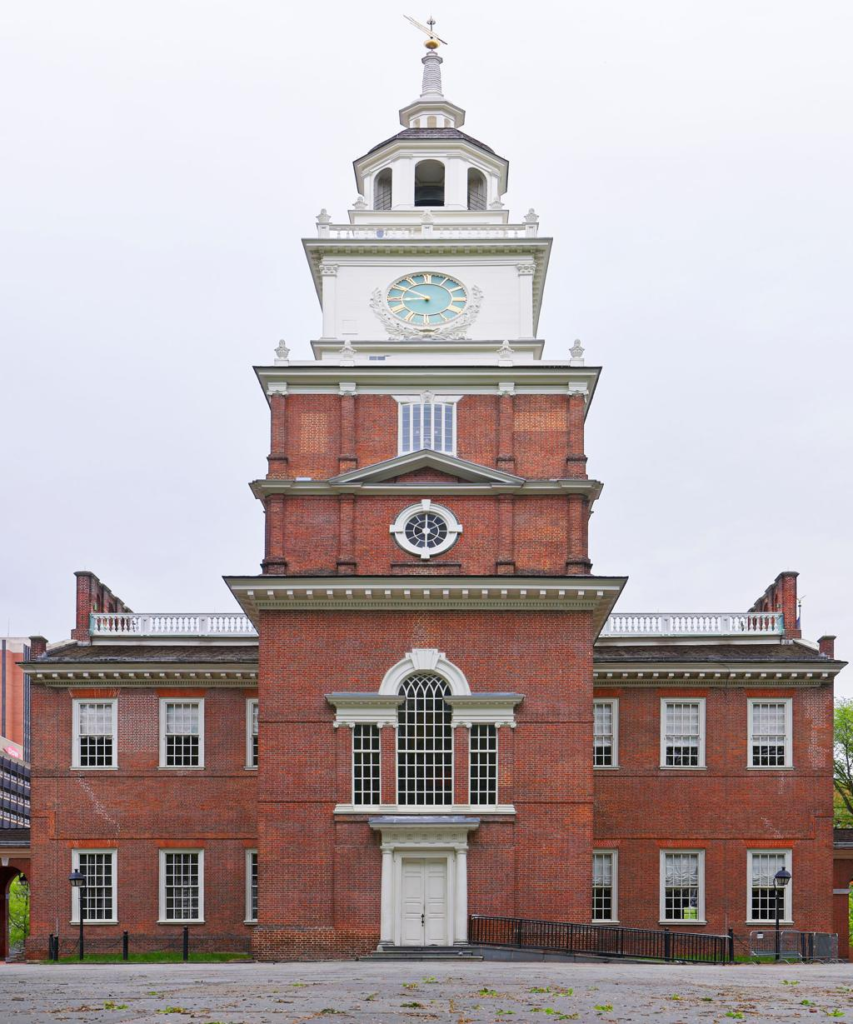
The Declaration of Independence and the U.S. Constitution introduced principles that became central to American civic culture. These documents established traditions that Americans still practice today, including voting, peaceful transfers of power, and public debate.
These civic traditions are visible in everyday life. Election Day, for instance, remains a powerful ritual. Millions of Americans line up at polling places or submit ballots by mail, participating in a democratic process that has continued since the country’s founding.
Civic engagement also extends beyond voting. Many communities maintain traditions such as:
- Town hall meetings and local public forums
- Community volunteer programs
- Civic education initiatives in schools
- Local celebrations of national holidays
These practices reinforce the idea that democracy is not only a political system but also a shared responsibility.
National Holidays: Collective Memory in Action
National holidays serve as cultural anchors that help Americans remember key moments in their history. While they often include celebrations and public gatherings, their deeper purpose is to reinforce collective memory.
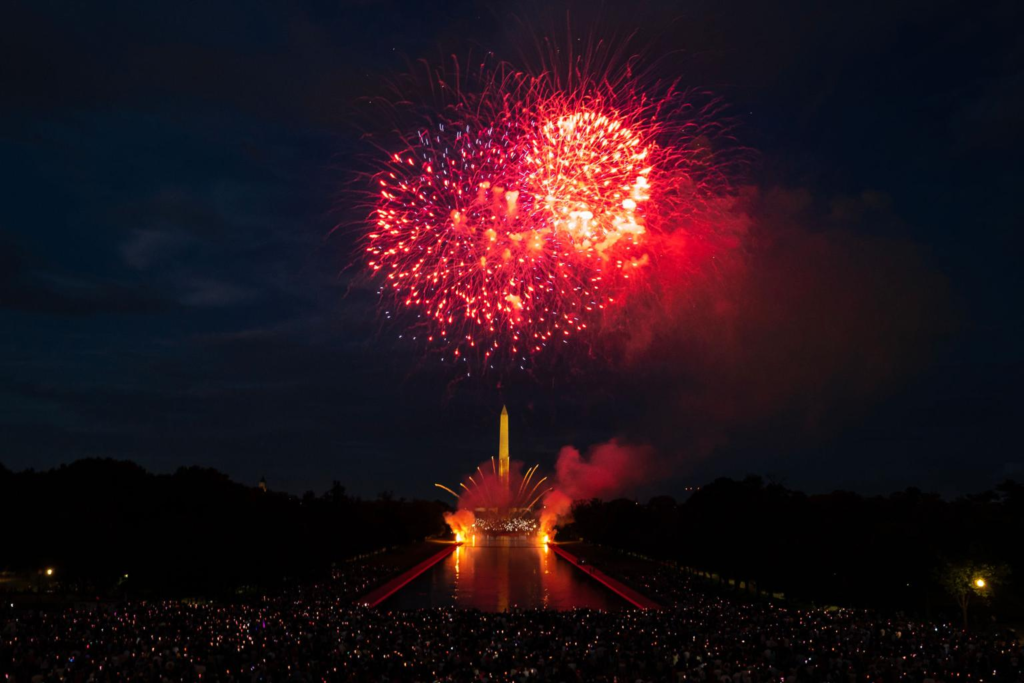
Take Independence Day, for example. Celebrated each July 4th, the holiday commemorates the adoption of the Declaration of Independence in 1776. Fireworks, parades, and community events connect modern Americans with the revolutionary ideals that shaped the nation’s founding.
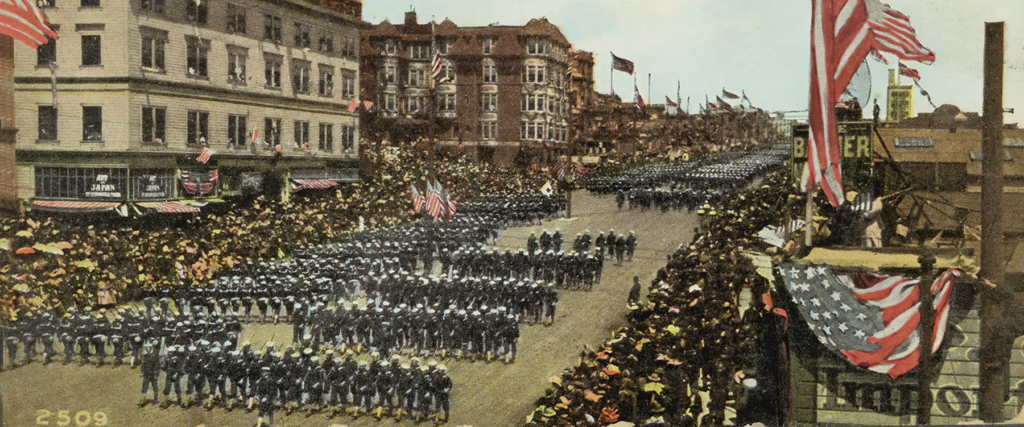
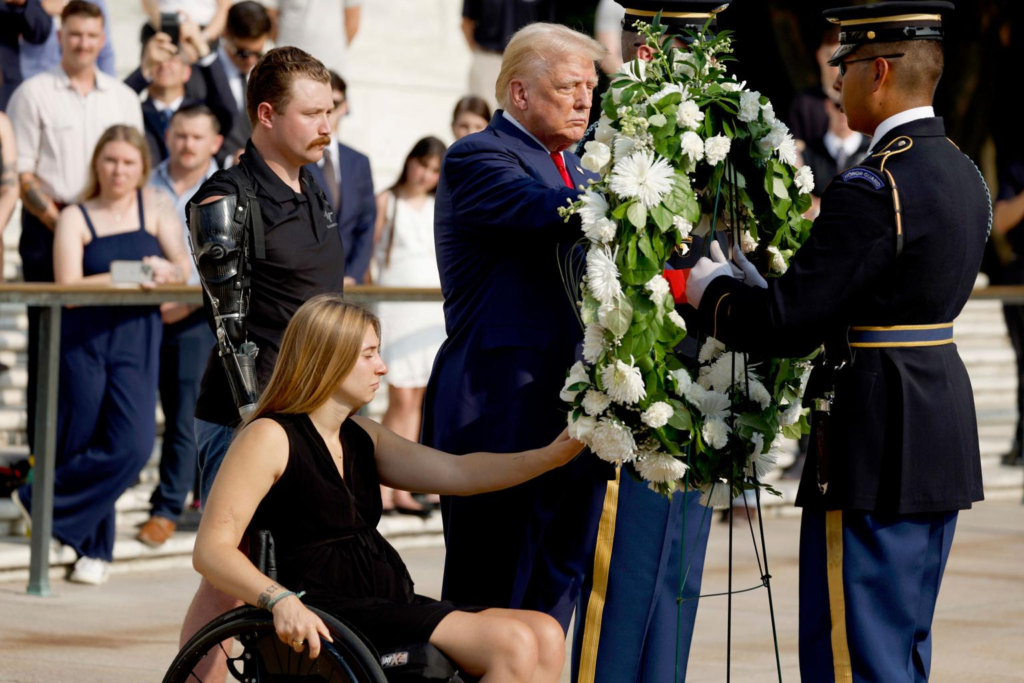
Similarly, Memorial Day and Veterans Day honor military service and sacrifice. These observances often include ceremonies at memorials, cemetery visits, and moments of reflection that connect communities with the country’s military history.
These traditions are not limited to national-scale celebrations. Many communities host local events that reinforce civic memory, such as:
- Historical reenactments at local landmarks
- Community parades featuring schools and veterans groups
- Public readings of historical documents
- Museum exhibitions tied to national anniversaries
Through these activities, Americans engage directly with their shared history.
Immigration and Cultural Exchange
One of the most distinctive features of American heritage is its cultural diversity. Since the country’s earliest days, immigrants have brought traditions that became part of the broader national culture.
According to the Migration Policy Institute, roughly 45 million immigrants currently live in the United States, representing nearly 14% of the population. Their contributions have shaped American cuisine, music, language, and community life.
For example, cultural traditions introduced by immigrant communities have become widely embraced across the country:
- Italian-American festivals celebrating heritage and food
- Chinese New Year celebrations in major cities
- Hispanic heritage events highlighting cultural history
- Oktoberfest-style gatherings inspired by German traditions
These cultural exchanges have helped transform American traditions into a dynamic blend of global influences.
Rather than replacing existing traditions, these practices often merge with them, creating new forms of community celebration that reflect the country’s diversity.
Community Traditions That Define Local Identity
While national traditions receive the most attention, many of the practices that shape American culture occur at the local level.
Across the United States, towns and cities maintain unique traditions tied to their history, geography, or industries. These local customs strengthen community bonds and often attract visitors interested in regional culture.
Examples include:
- State fairs showcasing agricultural heritage
- Annual community festivals celebrating local history
- Small-town parades and seasonal celebrations
- High school sports traditions that unite communities
The National Endowment for the Arts has noted that local cultural traditions play a significant role in maintaining community engagement and civic pride.
These events also provide opportunities for intergenerational connection. Families often attend the same festivals and celebrations year after year, creating shared memories that reinforce a sense of belonging.
Storytelling and Historical Preservation
Another powerful tradition shaping American heritage is storytelling. From oral histories to museums and historical landmarks, Americans have long preserved their past through narratives.
Historical preservation efforts help maintain connections to key events and places. Organizations such as the National Park Service manage over 400 historic sites and parks, many of which interpret important chapters in American history.
Examples include preserved battlefields, historic homes, and cultural landmarks that provide insight into the experiences of past generations.
Museums, historical societies, and educational programs also contribute to this tradition by presenting history in accessible ways. Many institutions now combine traditional exhibits with digital archives and interactive displays to engage younger audiences.
Storytelling traditions also extend to families. Personal histories passed down through generations help individuals understand their place within broader national narratives.
The Role of Education in Passing Traditions Forward
Education plays a critical role in ensuring that American traditions continue to evolve rather than fade away. Schools, universities, and community organizations often serve as the primary venues for learning about national heritage.
Civics education programs teach students about democratic processes, constitutional rights, and historical milestones. Field trips to historic sites and museums allow students to connect classroom lessons with real-world experiences.
Many educational initiatives emphasize:
- Primary source analysis of historical documents
- Community history projects
- Local heritage research
- Service-learning tied to civic engagement
These approaches encourage students to view traditions not as abstract ideas but as living practices that influence their communities.
Traditions in a Changing Society
Like all traditions, American cultural practices continue to evolve. Technological advances, demographic shifts, and social change influence how traditions are expressed and shared.
For example, digital platforms have made it easier to preserve and share historical records. Online archives and genealogy tools allow families to trace their heritage more easily than ever before.
Similarly, national conversations about history have encouraged broader recognition of previously overlooked stories. Museums and educational institutions increasingly highlight the contributions of diverse communities, providing a more inclusive understanding of American heritage.
These developments demonstrate that traditions remain meaningful when they adapt to new realities while maintaining connections to the past.
Frequently Asked Questions
What does “American heritage” mean?
American heritage refers to the traditions, cultural practices, historical events, and shared values that have shaped the United States over time.
Why are traditions important in American culture?
Traditions help preserve historical memory, strengthen community identity, and connect generations through shared experiences.
How do national holidays contribute to American heritage?
National holidays commemorate key events and honor shared values, allowing communities to reflect on historical milestones together.
How has immigration influenced American traditions?
Immigrant communities have introduced cultural practices, foods, festivals, and artistic traditions that have become part of the broader American cultural landscape.
What role do local traditions play in American life?
Local traditions help maintain community identity and often reflect regional history, industries, or cultural heritage.
How do museums preserve American heritage?
Museums collect artifacts, documents, and stories that help interpret historical events and cultural traditions for the public.
Why is civic participation considered a tradition in the United States?
Activities such as voting, volunteering, and community engagement reflect the democratic values that have guided the country since its founding.
How are traditions changing in modern America?
New technologies, cultural exchange, and evolving social perspectives continue to shape how traditions are celebrated and preserved.
What institutions help protect American heritage?
Organizations such as the National Park Service, local historical societies, museums, and educational institutions play key roles in preservation.
Can traditions evolve without losing their meaning?
Yes. Traditions remain meaningful when they adapt to contemporary contexts while maintaining connections to their historical origins.
Carrying the American Story Forward
The traditions that shape America are not limited to historic events or national celebrations. They exist in everyday practices—community service, family storytelling, civic participation, and cultural exchange.
These traditions form a living narrative that continues to evolve as new generations contribute their experiences and perspectives. By understanding the stories behind these customs, Americans gain a deeper appreciation for the shared values that have helped sustain the nation through periods of change.
Rather than belonging solely to the past, American heritage remains an active part of the present, guiding communities as they shape the country’s future.
Key Insights at a Glance
- American traditions connect historical events with modern civic life
- National holidays help maintain collective memory
- Immigration has expanded and enriched American cultural practices
- Local traditions strengthen community identity
- Historical preservation ensures future generations understand the past
- Education plays a central role in passing traditions forward
- Traditions evolve alongside social and technological change