Summary
Walking country trails offers more than fresh air and scenery. The small details—wildflowers beside the path, the sound of distant birds, weathered fences, and changing light—shape the experience in ways many people remember long after the walk ends. These subtle elements connect hikers to landscapes, local history, and quiet moments that make rural trails especially meaningful.
Why Country Trails Leave Such a Lasting Impression
Many outdoor experiences are memorable because of dramatic views or famous landmarks. Country trails, however, often leave their mark for a different reason: the accumulation of subtle details.
Across rural America—from the wooded paths of Vermont’s Green Mountains to gravel roads winding through Iowa farmland—these trails offer something quieter but deeply engaging. Walkers often notice textures, sounds, and everyday elements that rarely appear on heavily trafficked national park routes.
A 2023 report from the Outdoor Industry Association found that nearly 57% of Americans participate in outdoor recreation each year, with walking and hiking ranking among the most common activities. Many participants report that smaller, less crowded trails provide the most relaxing experiences.
Country trails invite attention to the ordinary moments that build lasting memories.
The Subtle Sounds That Shape the Trail Experience
Sound is often the first small detail that hikers remember when reflecting on a country trail.
Unlike busy parks or urban walking paths, rural trails carry a distinct acoustic landscape. Without constant traffic or crowds, natural sounds become clearer and more varied.
You might notice:
- Wind moving through tall grasses or cornfields
- Birds calling across open land
- Insects buzzing near wildflowers
- Gravel crunching beneath boots
- A distant tractor or barn door creaking
These sounds create what environmental psychologists call “restorative soundscapes.” Research from the National Park Service Natural Sounds Program shows that natural sound environments can reduce stress and improve mood.
For many walkers, the quiet rhythm of these sounds becomes a defining part of the memory.
The Changing Light Throughout the Day
Light is one of the most overlooked details on country trails, yet it often shapes how landscapes feel.
Morning light tends to soften fields and forests, highlighting dew on grass or spiderwebs stretched between fence posts. Midday light reveals color and depth in open landscapes, while late afternoon creates long shadows that stretch across dirt paths.
Small lighting changes transform familiar scenery.
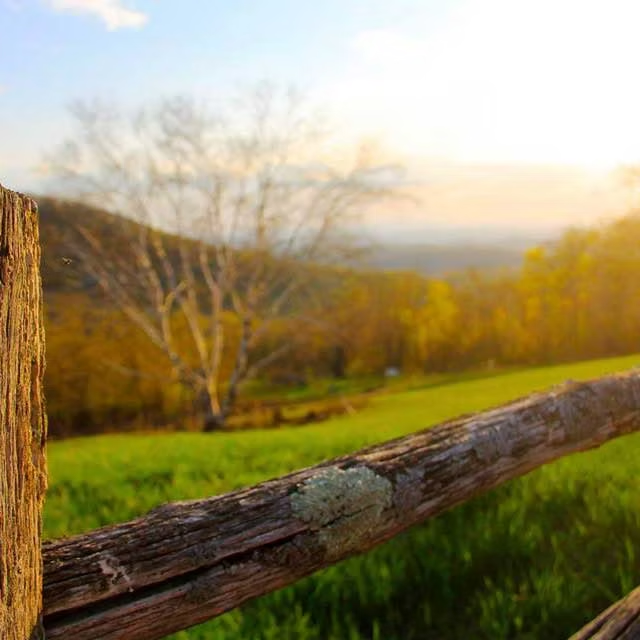
A gravel path that seems ordinary at noon can feel entirely different at sunset, when golden light filters through oak branches or reflects off farm ponds.
Frequent walkers often return to the same trail at different times of day specifically to experience these changes.
Everyday Rural Features That Tell a Story
Country trails often pass through working landscapes. Unlike wilderness routes, they intersect with farms, ranches, and small communities.
These human elements provide a sense of place that many walkers find meaningful.
Common features that add character include:
- Weathered wooden fences
- Old barns and silos
- Windmills or irrigation equipment
- Gravel farm roads
- Historic stone walls in older regions
In parts of Pennsylvania, New England, and the Midwest, these structures sometimes date back more than a century.
They quietly reveal how land has been used over time. For walkers interested in history, these everyday details offer clues about agriculture, settlement patterns, and regional culture.
Seasonal Changes That Transform the Same Trail
One reason country trails remain memorable is their ability to feel different throughout the year.
Unlike destinations that rely on a single peak season, rural trails evolve constantly.
Spring might bring:
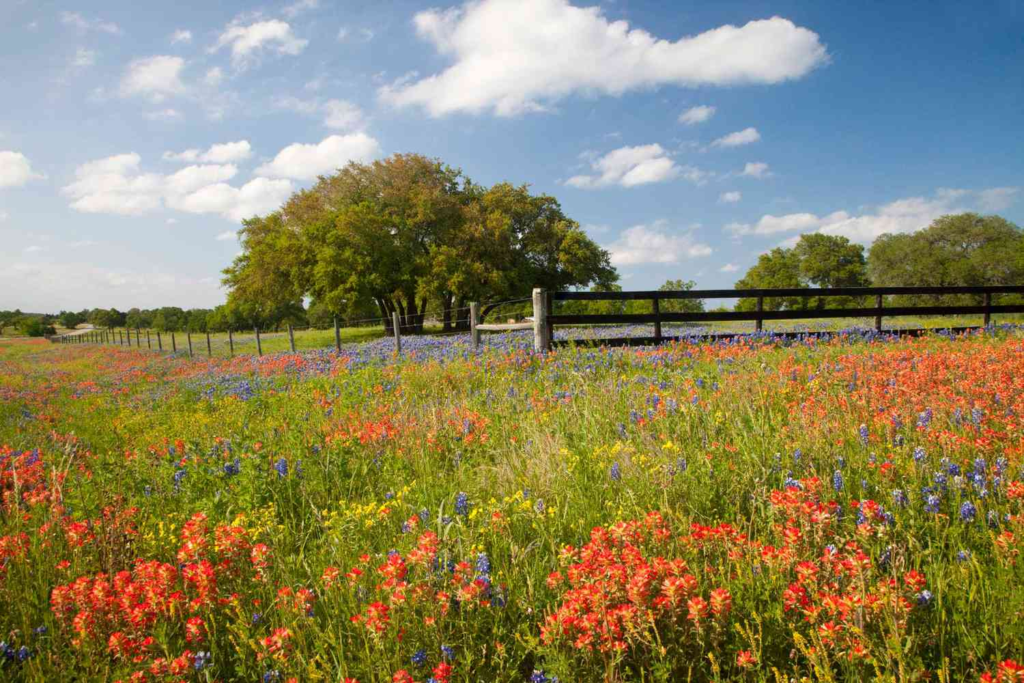
- Wildflowers along fence lines
- Migrating birds returning north
- Fresh green growth in fields
Summer often features:
- Tall grasses swaying beside narrow paths
- Butterfly activity near blooming plants
- Warm evening light over farmland
Autumn introduces:
- Changing leaf colors
- Harvest activity in nearby fields
- Cooler air and clearer visibility
Winter can reveal:
- Animal tracks in snow
- Bare tree structures
- Quiet landscapes with minimal human activity
Returning to the same trail across seasons often creates a deeper connection to the landscape.
Wildlife Encounters That Feel Personal
Country trails frequently provide close encounters with everyday wildlife.
Because these areas often combine natural habitats with agricultural land, animals adapt to the environment in ways walkers can observe.
Common sightings on U.S. rural trails include:
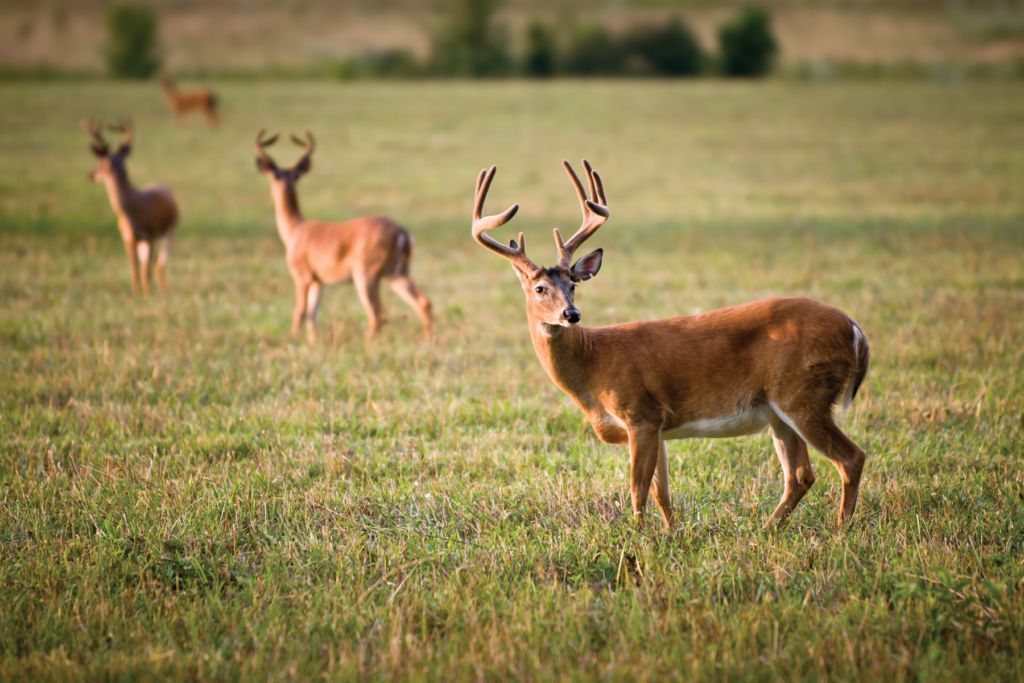
- White-tailed deer grazing near tree lines
- Rabbits darting across paths
- Red foxes at dawn or dusk
- Hawks circling above fields
- Songbirds moving through hedgerows
Unlike crowded national parks, these encounters often feel spontaneous and unscripted.
The quiet setting allows walkers to notice subtle behaviors—how a hawk scans the ground for prey or how deer freeze briefly before retreating into woods.
These moments tend to stay with people long after the walk ends.
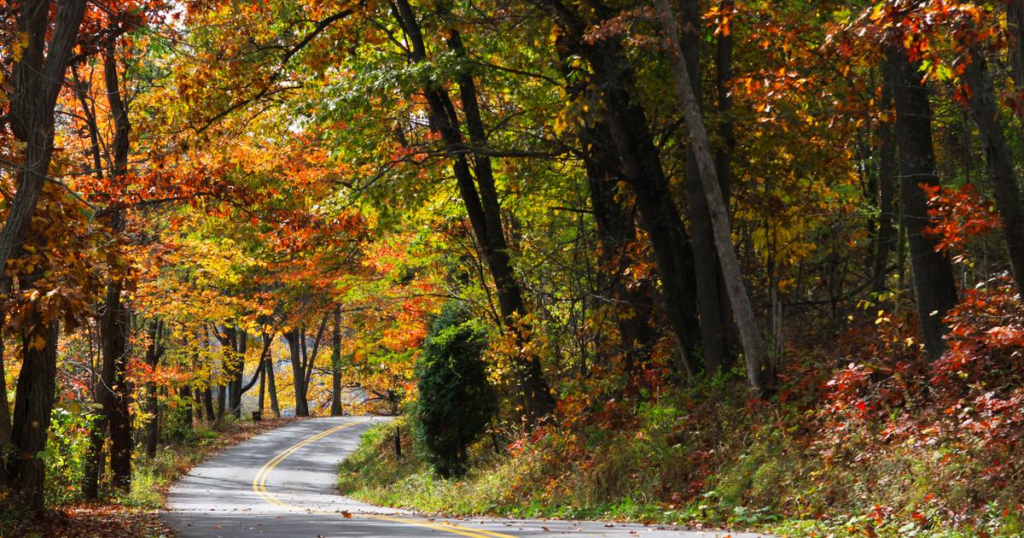
Textures Underfoot and Along the Path
One detail that walkers often overlook at first—but remember later—is texture.
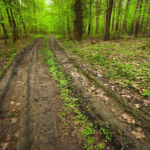
Country trails rarely consist of uniform pavement. Instead, they vary from packed dirt to gravel, grass, or forest leaf litter.
Each surface creates a different walking experience.
You might encounter:
- Soft pine needles on forest paths
- Crunchy gravel along farm roads
- Smooth dirt trails worn by generations of use
- Wooden footbridges crossing small creeks
These textures influence pace and awareness. Walkers naturally slow down, paying closer attention to footing and surroundings.
This slower rhythm often contributes to the relaxed, reflective feeling many people associate with rural walks.
Local Landmarks That Give Trails Identity
Country trails rarely rely on large tourist attractions, but small landmarks often become meaningful reference points.
Examples include:
- A lone oak tree at the edge of a pasture
- A wooden gate marking the entrance to farmland
- A small rural church along the road
- An old railway bridge repurposed as a trail crossing
Regular walkers often describe these features almost like neighbors.
They provide familiarity and help build a personal relationship with the route.
Over time, walkers begin to associate memories with these spots—sunsets, wildlife sightings, or quiet moments of reflection.
Why Slower Walking Often Leads to Richer Experiences
Many experienced hikers notice that the most memorable trail walks are not necessarily the longest or most challenging.
Instead, they tend to be the ones where walkers move slowly enough to notice small details.
Country trails naturally encourage this pace.
Without steep climbs or crowded viewpoints, people feel less pressure to rush.
A slower pace allows walkers to:
- Observe wildlife without startling it
- Notice subtle changes in vegetation
- Appreciate rural architecture
- Listen to environmental sounds
This mindful style of walking aligns with practices like nature observation and forest bathing, both of which emphasize attentiveness rather than speed.
How Country Trails Strengthen a Sense of Place
One of the most valuable aspects of country trails is their connection to local landscapes and communities.
Unlike destination hiking areas, these trails often reflect everyday regional life.
Walking them can reveal:
- Agricultural rhythms such as planting or harvest
- Local building styles and materials
- Native plant communities unique to the region
- Small community landmarks
For residents, these trails become part of daily life. For visitors, they provide insight into how rural areas function and evolve.
This sense of authenticity is often what makes country trails especially memorable.
Frequently Asked Questions
What defines a country trail?
A country trail typically runs through rural landscapes such as farmland, forests, open fields, or small communities. These routes often feature natural surfaces like dirt or gravel and emphasize quiet surroundings rather than major tourist infrastructure.
Are country trails suitable for beginners?
Yes. Many country trails are relatively flat and accessible, making them ideal for beginners or casual walkers.
What should I bring when walking a rural trail?
Basic essentials include water, comfortable walking shoes, weather-appropriate clothing, sunscreen, and a phone or map for navigation.
When is the best time of day to walk country trails?
Early morning and late afternoon often provide the most pleasant temperatures and lighting conditions. Wildlife activity also tends to increase during these times.
How can I find country trails near me?
Local park departments, regional trail organizations, and apps like AllTrails often list rural walking routes and community trail systems.
Are country trails usually public access?
Many are public, but some cross private land with designated access agreements. Always respect posted signs and stay on marked paths.
What wildlife might I see on rural trails?
Common sightings include deer, rabbits, foxes, hawks, owls, and many species of songbirds depending on the region.
How long are most country trails?
Lengths vary widely. Some are short community paths of one or two miles, while others connect to longer regional trail networks.
Are country trails safe for solo walkers?
Generally yes, especially during daylight hours. It’s still wise to inform someone of your plans and carry a phone.
How can I help protect rural trails?
Stay on marked paths, pack out trash, respect wildlife, and follow local land-use guidelines.
A Quiet Reminder of Why We Walk
Country trails rarely compete with dramatic mountain summits or famous scenic overlooks. Instead, they offer something subtler and often more personal.
The details that make them memorable—the sound of wind across fields, the texture of a gravel path, the shape of an old barn against the sky—accumulate quietly over time.
For many walkers, those small details are exactly what bring them back.
Key Points to Remember From the Trail
- Country trails highlight subtle details rather than dramatic landmarks
- Natural soundscapes contribute to relaxation and memory formation
- Changing light and seasons transform the same path throughout the year
- Wildlife encounters often feel more personal on quieter trails
- Rural landmarks add cultural and historical context to the walk
- Slower walking allows deeper observation and appreciation
- Local landscapes and working farmland give trails a strong sense of place