

Summary
Southern heritage cooking reflects generations of cultural exchange, agricultural traditions, and resourceful home cooking. From slow-smoked barbecue to skillet cornbread, these dishes carry stories of communities across the American South. This article explores how Southern food traditions developed, the ingredients that define them, and how modern cooks and travelers can experience the authentic “Flavor Trail” through regional dishes, farms, and local kitchens.
Understanding the Southern Flavor Trail
The phrase “Flavor Trail of the South” describes the culinary journey through the American South’s historic food traditions. This trail isn’t a single road or region. Instead, it stretches from the Carolinas and Georgia through Alabama, Mississippi, Louisiana, Tennessee, Kentucky, and parts of Texas and Arkansas.
Southern heritage cooking developed over centuries through the blending of Native American foodways, African culinary traditions, and European farming techniques. These influences shaped a cuisine rooted in seasonal ingredients, careful preservation, and cooking methods designed for family and community gatherings.
For many Americans, Southern food is synonymous with comfort. Yet heritage cooking is more than comfort—it reflects local agriculture, cultural resilience, and regional identity.
According to research from the Southern Foodways Alliance, Southern cuisine evolved through migration patterns, agricultural economies, and the contributions of enslaved and immigrant communities who adapted recipes to local ingredients.
The result is a culinary tradition that values patience, practicality, and flavor built slowly over time.
The Cultural Roots Behind Southern Heritage Cooking
Southern food traditions developed through centuries of cultural exchange. Many iconic dishes Americans associate with the South are the result of multiple communities shaping ingredients and techniques together.
Native American tribes such as the Cherokee and Choctaw cultivated crops like corn, beans, and squash. These staples became foundational ingredients for dishes such as cornbread and succotash.
African culinary traditions contributed essential techniques such as slow braising, frying, and seasoning with layered spices. Enslaved cooks working on plantations often preserved African cooking knowledge while adapting it to Southern ingredients.
European settlers introduced livestock, wheat flour baking traditions, and preservation methods such as curing and smoking meat.
Together, these influences formed a cuisine defined by practicality and flavor.
Examples of heritage cooking techniques still used today include:
- Slow smoking meats over hardwood
- Cooking greens with smoked pork for depth
- Using cast iron skillets for even heat
- Preserving produce through pickling and canning
These methods allowed families to stretch ingredients while building bold, recognizable flavors.
Signature Dishes That Define the Southern Flavor Trail
Across the South, heritage dishes vary widely by region. While some foods appear throughout the region, each state often adds its own techniques and ingredients.
Some of the most recognizable Southern heritage dishes include:
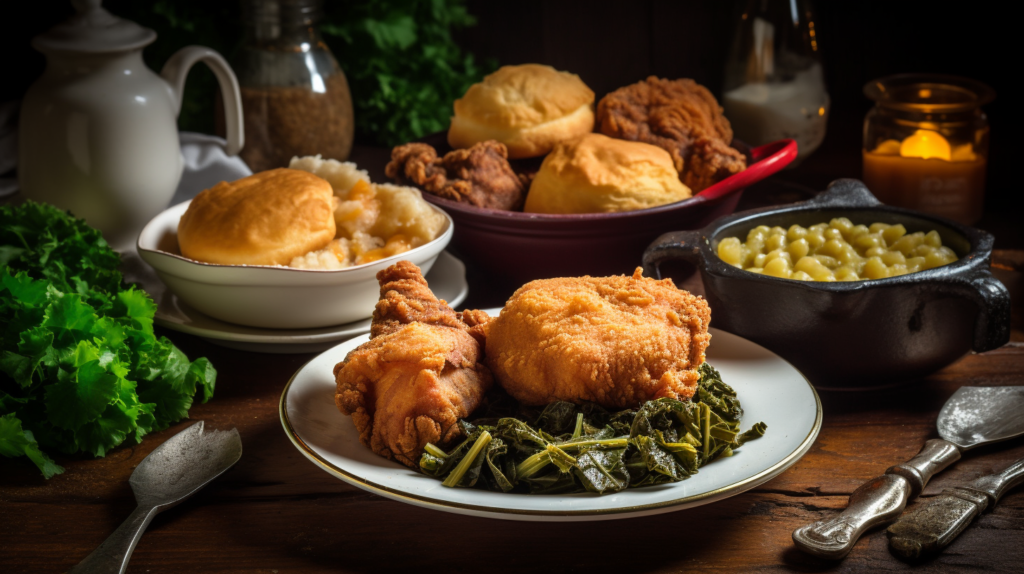
- Fried chicken with seasoned flour and cast-iron cooking
- Shrimp and grits from coastal Carolina cooking traditions
- Pulled pork barbecue, particularly from North Carolina and Tennessee
- Red beans and rice, closely associated with Louisiana kitchens
- Biscuits and gravy, a breakfast staple in many rural communities
- Collard greens, often slow-simmered with smoked meat
- Cornbread, baked in cast iron and served alongside stews
These dishes emphasize affordable ingredients prepared with care.
A report from the National Restaurant Association has repeatedly noted that regional Southern dishes remain among the most searched and ordered comfort foods in American restaurants.
Yet heritage cooking rarely follows rigid recipes. Many Southern cooks rely on techniques learned from parents and grandparents rather than written instructions.
The Role of Local Agriculture in Southern Cuisine
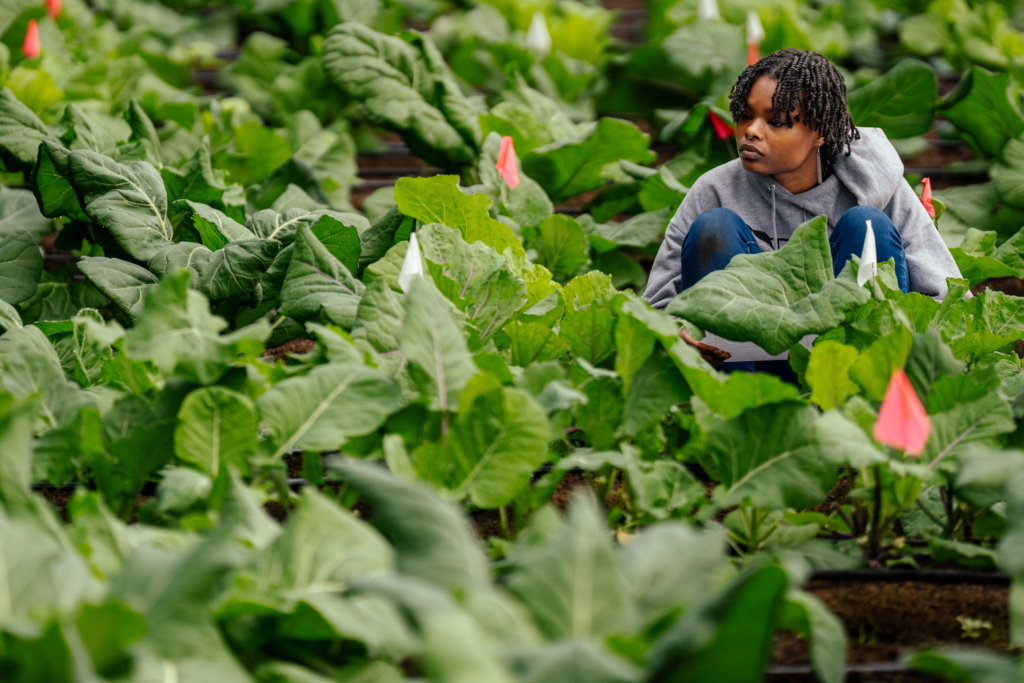
Southern cooking has always been tied to local farms and seasonal harvests. Historically, families relied heavily on gardens and nearby producers for ingredients.
The climate across much of the South supports a long growing season, allowing a wide range of produce to flourish.
Common heritage ingredients include:
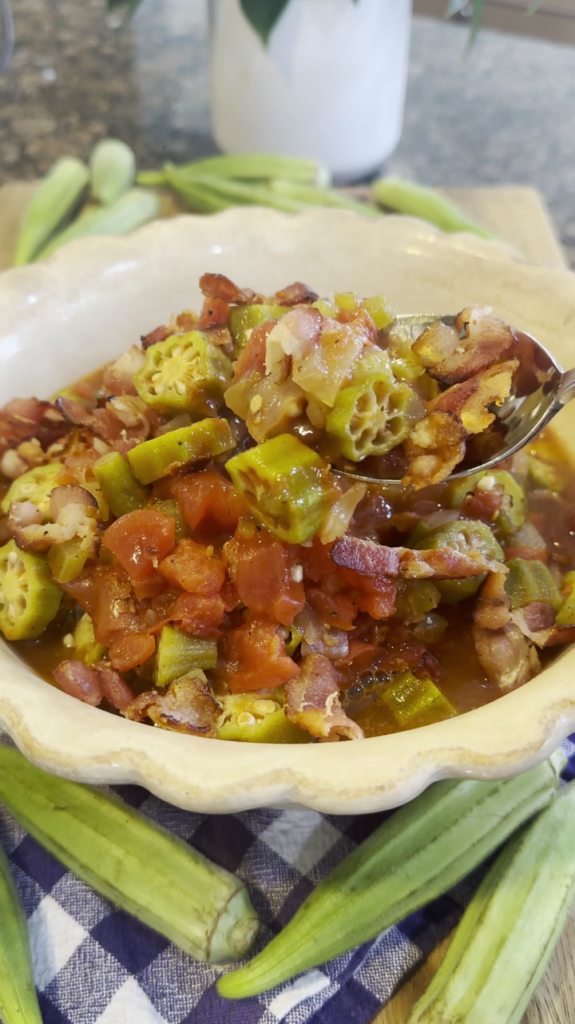
- Okra
- Sweet potatoes
- Field peas and black-eyed peas
- Tomatoes
- Mustard greens and collards
- Corn
Livestock and seafood also play an important role depending on geography. Coastal regions rely heavily on shrimp, oysters, and crab, while inland areas emphasize pork and poultry.
Agricultural diversity across the South helps explain why regional dishes can differ so dramatically within just a few hundred miles.
For example:
- Coastal Carolina cuisine often highlights seafood stews and rice dishes.
- Mississippi Delta cooking relies heavily on catfish and cornmeal.
- Louisiana heritage cooking incorporates French, Spanish, and Creole influences.
The local landscape shapes the flavor.
Why Cast Iron Still Matters in Southern Kitchens
One of the most recognizable tools in Southern heritage cooking is the cast iron skillet.
For generations, cast iron cookware served as the primary cooking surface in rural kitchens. It retains heat well and can move easily between stovetop and oven.
Many heritage dishes rely on cast iron because of how it interacts with ingredients.
Common uses include:
- Frying chicken with consistent heat
- Baking cornbread with a crisp crust
- Searing meats before slow braising
- Cooking vegetables with caramelized edges
Cast iron also reflects the resourcefulness central to Southern cooking traditions. A well-seasoned skillet can last decades and often becomes a family heirloom passed down through generations.
Community and Food: The Social Side of Southern Cooking
Southern heritage cooking has always been deeply tied to community life.
Meals are often prepared in large quantities and shared during gatherings such as:
- Church suppers
- Family reunions
- Sunday dinners
- Barbecue cookouts
- Holiday celebrations
These gatherings reinforce the role of food as a cultural connector.
Barbecue, in particular, represents one of the most communal traditions in Southern cooking. Slow-smoking meat over hours or even overnight creates an experience that naturally brings people together.
Regional barbecue styles vary widely, but they share a focus on patience and shared effort.
For example:
- Eastern North Carolina barbecue uses whole hog and vinegar-based sauces.
- Memphis barbecue favors dry-rubbed pork ribs.
- Texas barbecue emphasizes smoked beef brisket.
Each approach reflects local tastes and available livestock.
Exploring the Southern Flavor Trail Today
Today, many Americans explore Southern heritage cooking through food travel. Culinary tourism has expanded significantly over the past decade, with regional food trails becoming popular among travelers seeking authentic local experiences.
Several Southern states have developed organized food routes highlighting local specialties.
Examples include:
- Barbecue trails across Tennessee and Texas
- Oyster and seafood trails along the Gulf Coast
- Farm-to-table tours through Georgia and the Carolinas
Travelers can experience heritage cooking through:
- Small-town diners
- Family-run barbecue pits
- Historic restaurants
- Local farmers markets
- Cooking classes focused on regional cuisine
Many of these establishments preserve recipes that have remained largely unchanged for decades.
This preservation helps maintain culinary traditions while introducing them to new audiences.
How Modern Chefs Are Preserving Heritage Cooking
While heritage cooking is rooted in tradition, modern chefs across the South are working to preserve and reinterpret these flavors responsibly.
Rather than replacing traditional dishes, many chefs focus on sourcing better ingredients and highlighting forgotten recipes.
Some modern approaches include:
- Using heirloom grains and regional rice varieties
- Reviving traditional pickling methods
- Cooking seasonal vegetables from nearby farms
- Documenting oral recipe traditions from older cooks
Organizations like the Southern Foodways Alliance support this work by recording food history through interviews, documentaries, and research.
This effort helps ensure that heritage cooking remains accessible to future generations.
Frequently Asked Questions
What is Southern heritage cooking?
Southern heritage cooking refers to traditional dishes and techniques developed across the American South over centuries, influenced by Native American, African, and European culinary traditions.
Why is Southern cuisine considered historically important?
Southern food reflects cultural history, agricultural practices, and migration patterns that shaped the region. Many dishes preserve techniques and ingredients passed down through generations.
What ingredients are most common in Southern cooking?
Staples include corn, rice, pork, leafy greens, beans, sweet potatoes, and seafood in coastal regions.
What makes Southern barbecue unique?
Southern barbecue focuses on slow smoking meat over wood, with regional variations in sauces, cuts of meat, and seasoning styles.
Is Southern food always fried?
Frying is a traditional technique, but Southern cuisine also includes stewing, braising, smoking, baking, and pickling.
Why are cast iron skillets associated with Southern cooking?
Cast iron retains heat well and was widely available in rural kitchens, making it ideal for frying, baking, and searing heritage dishes.
Are Southern food traditions still relevant today?
Yes. Many chefs and communities actively preserve these traditions while adapting them for modern kitchens and sustainable sourcing.
What is the difference between Southern and soul food?
Soul food is a subset of Southern cuisine rooted specifically in African American culinary traditions, though both share many ingredients and techniques.
Where can travelers experience authentic Southern heritage cooking?
Small-town diners, family-run barbecue restaurants, and local food festivals often provide the most authentic experiences.
Why the Southern Flavor Trail Still Matters
Southern heritage cooking continues to shape American food culture because it reflects more than recipes. It tells stories about resilience, adaptation, and community.
Every dish—from a skillet of cornbread to a slow-smoked pork shoulder—carries layers of history shaped by the people who cooked before us.
Following the Southern Flavor Trail isn’t just about eating well. It’s about understanding how food traditions preserve cultural identity and bring people together across generations.
As interest in regional food continues to grow, Southern heritage cooking remains one of the most influential culinary traditions in the United States.
Key Insights from the Southern Flavor Trail
- Southern cuisine developed through Native American, African, and European influences.
- Heritage cooking emphasizes local ingredients and seasonal agriculture.
- Cast iron cookware and slow cooking techniques remain central to traditional dishes.
- Regional variations—from coastal seafood to barbecue traditions—define Southern food culture.
- Culinary tourism is helping preserve historic food traditions across the South.