
Summary
Across the United States, regional cooking is experiencing renewed attention as diners seek authentic, locally rooted food experiences. Often described as the “Flavor Trail,” this movement celebrates place-based ingredients, traditional recipes, and community stories. From Southern heirloom grains to Pacific Northwest seafood traditions, regional cooking is shaping restaurant menus, home kitchens, and food tourism across America.
The Rise of the Flavor Trail in American Food Culture
Across the United States, a noticeable shift is taking place in how people think about food. Instead of chasing global trends or novelty ingredients, many chefs, home cooks, and diners are rediscovering something closer to home: regional cooking traditions. This renewed focus has become known in food media and culinary circles as the Flavor Trail movement—a broad cultural shift that highlights the connection between geography, ingredients, and local culinary identity.
Regional cooking is not a new idea in America. Every part of the country has distinct food traditions shaped by climate, agriculture, immigration, and local culture. However, for decades, these traditions often took a back seat to standardized restaurant menus, national food chains, and global fusion trends.
Today, that pattern is changing.
Restaurants, food writers, and consumers are paying closer attention to local ingredients, historic recipes, and regional specialties. According to the National Restaurant Association, menu trends consistently show strong consumer interest in locally sourced ingredients and regionally inspired dishes. This demand reflects a deeper interest in authenticity, transparency, and community connection.
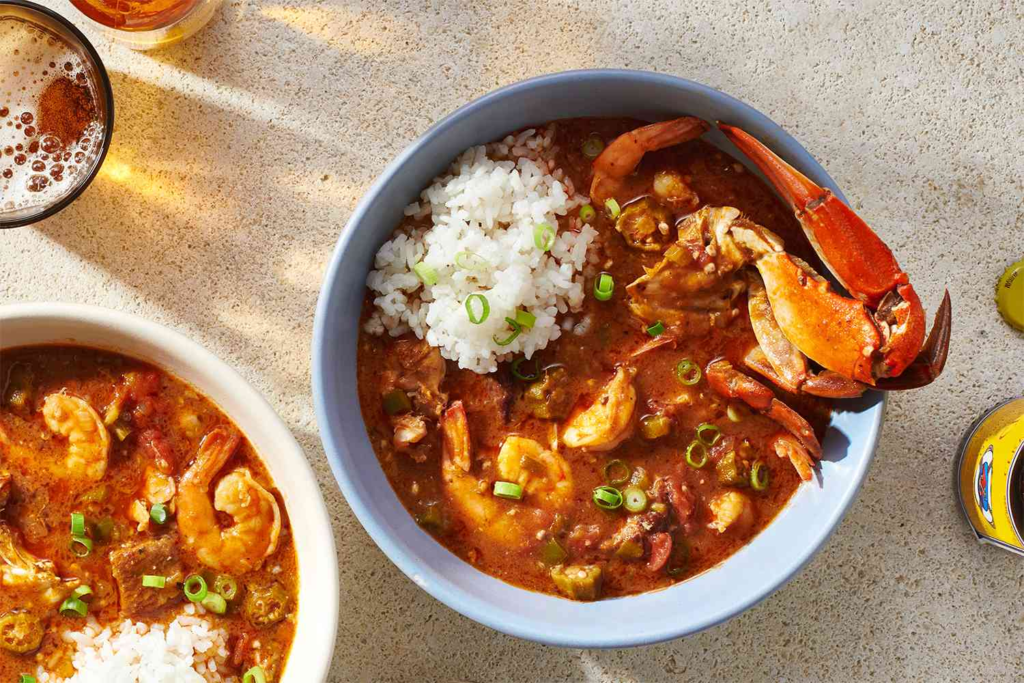
In practical terms, the Flavor Trail movement means that food is once again tied closely to place. A bowl of gumbo in Louisiana, a lobster roll in Maine, or a green chile dish in New Mexico is not just a meal—it’s part of a larger cultural story.
What Exactly Is the Flavor Trail?
The phrase “Flavor Trail” describes a culinary approach that traces how local food traditions develop within a region. It highlights the journey of ingredients from farms and waters to kitchens and dining tables.
At its core, the movement emphasizes three ideas:
- Place matters – Geography shapes what ingredients are available.
- Traditions endure – Recipes often pass through generations.
- Communities influence food – Immigration, trade, and culture affect regional flavors.
Rather than focusing on one specific cuisine, the Flavor Trail celebrates the diversity of American regional cooking.
For example:
- In the Pacific Northwest, salmon, shellfish, and wild berries dominate regional cuisine.
- In the Midwest, dairy products, grains, and hearty comfort foods remain staples.
- In the American South, slow-cooked dishes reflect African, Native American, and European influences.
By following these culinary paths, diners can better understand the story behind what they eat.

Why Regional Cooking Is Having a Moment Now
Several social and economic forces have contributed to the recent resurgence of regional cooking.
1. A Shift Toward Local Food Systems
Interest in local agriculture has grown significantly over the past two decades. Farmers markets, community-supported agriculture (CSA) programs, and farm-to-table restaurants are now common across the country.
Organizations such as the United States Department of Agriculture report steady growth in local food markets. Consumers increasingly want to know where their food comes from and how it was produced.
Regional cooking fits naturally into this trend because it relies heavily on seasonal and locally grown ingredients.
2. Culinary Tourism Is Expanding
Food tourism has become one of the fastest-growing segments of the travel industry. According to research from the World Food Travel Association, more than 80% of leisure travelers say they research food and drink options before visiting a destination.
Instead of seeking generic dining experiences, travelers want authentic regional dishes that reflect local culture.
Cities and states have responded by creating culinary trails, food festivals, and regional restaurant guides that highlight their unique food traditions.
Examples include:
- Kentucky’s bourbon trail paired with regional Southern cuisine
- Maine’s lobster-focused coastal food tours
- Texas barbecue trails connecting small-town pitmasters
These experiences reinforce the idea that food is an essential part of place.
3. Chefs Are Rediscovering Heritage Ingredients
Many chefs are actively researching historic recipes and forgotten ingredients.
Across the country, restaurants are reviving items such as:
- Heirloom corn varieties
- Heritage wheat and grains
- Regional beans and legumes
- Traditional preservation methods like pickling and curing
For instance, chefs in the South have renewed interest in heirloom grains such as Carolina Gold rice, once a staple of Lowcountry cuisine.
By returning to these ingredients, chefs create dishes that feel both authentic and contemporary.
The Role of Restaurants in the Flavor Trail Movement
Restaurants are one of the most visible drivers of regional cooking’s resurgence. Many chefs now design menus around local food ecosystems rather than global culinary trends.
This approach often includes:
- Working directly with nearby farms
- Highlighting seasonal ingredients
- Showcasing historic regional dishes
- Partnering with local fisheries or ranches
For example, in California’s Central Coast, chefs frequently feature seafood caught just hours earlier. In the Midwest, restaurants may highlight pasture-raised meats and locally milled grains.
This strategy does more than support local agriculture—it also gives diners a clear sense of place.
Regional Cooking in Home Kitchens
The Flavor Trail movement is not limited to restaurants. Home cooks are increasingly exploring regional cooking as well.
Several factors contribute to this shift:
- Access to regional cookbooks and food history resources
- Popular food documentaries and culinary travel shows
- Greater availability of specialty ingredients online
- A growing interest in cooking from scratch
Home cooks are rediscovering dishes that once defined family traditions.
Examples include:
- New England clam chowder
- Midwestern hotdish casseroles
- Tex-Mex chili recipes
- Appalachian cornbread traditions
For many families, cooking regional recipes provides a sense of cultural continuity.
How Regional Cooking Reflects American Diversity
American regional cuisine is deeply shaped by immigration and cultural exchange. The Flavor Trail movement highlights how different communities influenced local food traditions.
Some examples include:
- Mexican culinary traditions shaping Southwestern cuisine
- African culinary techniques influencing Southern cooking
- Scandinavian immigrants shaping Midwestern baking traditions
- Italian communities contributing to Northeastern food culture
Rather than presenting American food as a single category, regional cooking shows how multiple cultures intersect through food.
The Economic Impact of the Flavor Trail
Regional cooking also has economic implications.
Local food systems support:
- Small farms
- Artisan food producers
- Fisheries and ranches
- Independent restaurants
- Culinary tourism businesses
According to the USDA Economic Research Service, local food markets contribute billions of dollars annually to the U.S. economy.
Communities that promote regional cuisine often see increased tourism, restaurant growth, and agricultural investment.
Challenges Facing the Regional Cooking Movement
Despite its popularity, regional cooking faces several challenges.
Ingredient Availability
Climate change, urban development, and agricultural consolidation have reduced access to some traditional ingredients.
Labor and Skill Shortages
Preparing traditional dishes often requires time and specialized skills that are becoming less common in modern kitchens.
Cultural Preservation
Some historic recipes are at risk of disappearing if they are not documented and shared.
Addressing these challenges requires collaboration among chefs, farmers, historians, and educators.
How Americans Can Explore the Flavor Trail
For people interested in experiencing regional cooking, several approaches can make the journey more meaningful.
Practical ways to follow the Flavor Trail:
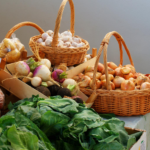
- Visit local farmers markets to discover regional ingredients
- Try historic restaurants known for traditional dishes
- Explore regional cookbooks and culinary history resources
- Attend local food festivals
- Support small farms and specialty producers
- Ask restaurant staff about locally sourced menu items
Even small steps—like cooking a regional dish at home—can deepen appreciation for local food traditions.

Frequently Asked Questions
What is the Flavor Trail movement?
The Flavor Trail movement refers to the renewed interest in regional cooking traditions that highlight local ingredients, historic recipes, and community culinary identity.
Why is regional cooking becoming popular again?
Consumers increasingly value authenticity, local sourcing, and cultural storytelling in food experiences, which aligns with regional cuisine.
How does regional cooking differ from traditional American cuisine?
Regional cooking focuses on specific local traditions, while “American cuisine” is often a broad category that combines many influences.
What are examples of regional American foods?
Examples include Texas barbecue, New England clam chowder, Louisiana gumbo, Chicago deep-dish pizza, and Pacific Northwest seafood.
Is regional cooking only found in restaurants?
No. Many home cooks explore regional recipes through cookbooks, online resources, and family traditions.
How does regional cooking support local economies?
It supports farmers, fisheries, local food producers, and independent restaurants, often boosting tourism as well.
Are regional recipes changing over time?
Yes. Modern chefs often adapt traditional recipes while preserving their essential ingredients and techniques.
How can travelers experience regional food traditions?
Travelers can visit food festivals, culinary trails, historic restaurants, and farmers markets.
Does regional cooking promote sustainability?
Often it does, because it encourages seasonal ingredients and shorter supply chains.
Where can people learn more about regional food history?
Food museums, culinary institutes, regional cookbooks, and academic research programs offer valuable resources.
Where the Flavor Trail Leads Next
The resurgence of regional cooking suggests a broader shift in American food culture. As diners become more curious about where food comes from and how traditions develop, regional cuisine offers a meaningful framework for understanding culinary identity.
Rather than chasing novelty, the Flavor Trail movement encourages something more enduring: a deeper connection between people, place, and food.
Key Insights at a Glance
- Regional cooking emphasizes local ingredients and cultural traditions
- Consumer demand for authentic food experiences is rising
- Culinary tourism increasingly focuses on regional specialties
- Restaurants and chefs are reviving heritage ingredients and recipes
- Home cooks are rediscovering traditional regional dishes
- Local food systems benefit farmers, producers, and communities