
Summary
The Flavor Trail concept connects travelers with authentic regional food traditions through curated culinary routes. These trails highlight local producers, family-run restaurants, historic markets, and regional specialties. This guide explains how flavor trails work, where to find them in the United States, and how travelers can experience local culture through food while supporting communities and preserving culinary heritage.
Why Food Trails Are Transforming How Americans Travel
Food tourism has become one of the fastest-growing segments of the travel industry in the United States. According to the World Food Travel Association, more than 80% of leisure travelers say they research food and drink experiences before choosing a destination. Increasingly, travelers want more than a restaurant recommendation—they want context, tradition, and connection.
That is where Flavor Trails come in.
A flavor trail is a curated route that highlights regional foods and the people behind them. These routes often include:
- Local farms
- Artisan producers
- Independent restaurants
- Farmers markets
- Historic culinary landmarks
Unlike generic dining guides, flavor trails are deeply rooted in local culture and geography. They tell the story of a place through the ingredients grown there and the traditions passed down through generations.
For travelers, this approach transforms a meal into a cultural experience.
For communities, it supports local economies and preserves food heritage.
What Exactly Is a Flavor Trail?
A Flavor Trail is a structured route—often created by tourism boards, regional organizations, or agricultural groups—that connects travelers with local food experiences.
These trails typically revolve around a theme such as:
- regional agriculture
- historic recipes
- craft beverages
- seasonal harvests
- cultural heritage cuisine
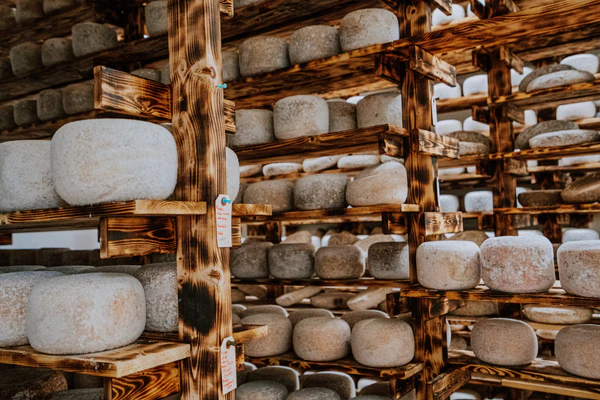
For example, the Kentucky Bourbon Trail links distilleries across the state, while Vermont’s Cheese Trail connects small dairy producers. Similar trails now exist for seafood, barbecue, maple syrup, chili peppers, wine, and even regional pies.
Flavor trails usually provide:
- maps and suggested driving routes
- recommended stops
- stories about local producers
- educational tasting experiences
- seasonal events and festivals
Instead of rushing between tourist attractions, travelers move through landscapes shaped by agriculture and tradition.
Why Local Taste Matters More Than Ever
The rise of flavor trails reflects broader changes in how Americans think about food.
Over the past decade, consumers have shown increasing interest in:
- locally sourced ingredients
- sustainable agriculture
- small-scale producers
- regional identity in cuisine
This shift is often called the “farm-to-table movement,” but flavor trails go one step further. They allow people to see the entire journey—from farm or water to kitchen.
For example:
A traveler exploring a Gulf Coast seafood trail might:
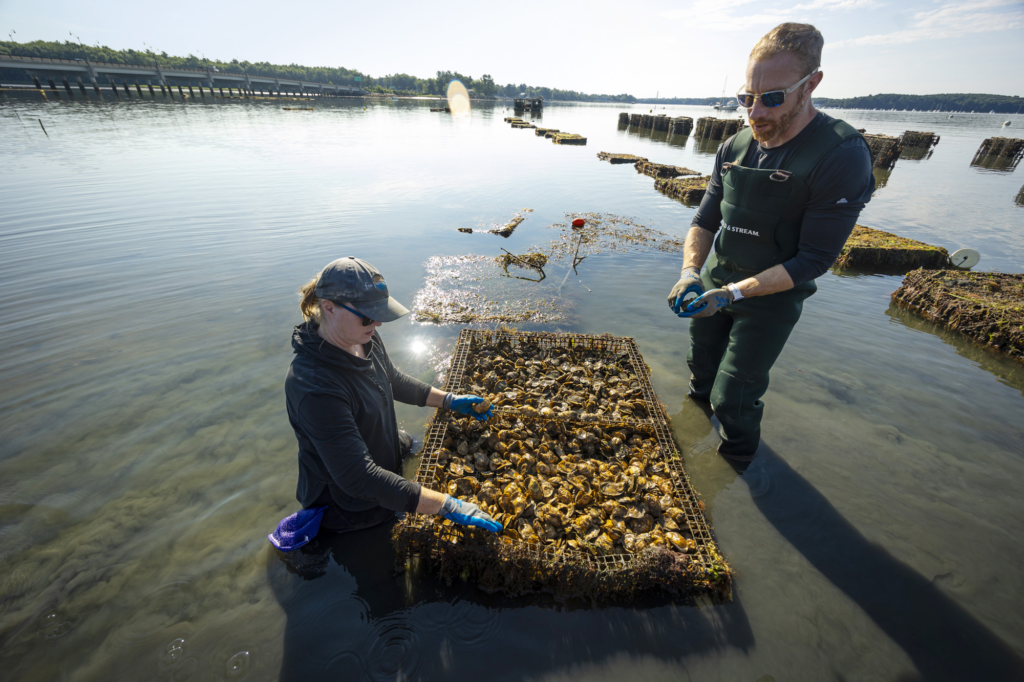
- Visit a working oyster farm
- Watch shrimp boats unloading at a harbor
- Eat gumbo at a family-owned restaurant
- Attend a seafood festival featuring local recipes
The experience connects landscape, economy, and tradition.
Food becomes a lens for understanding a region.
The American Regions Leading the Flavor Trail Movement
Flavor trails now exist in nearly every region of the United States, each reflecting its agricultural strengths and cultural history.
The South: Barbecue, Seafood, and Heritage Crops
Southern states have embraced culinary trails as a way to celebrate their deep food traditions.
Popular examples include:
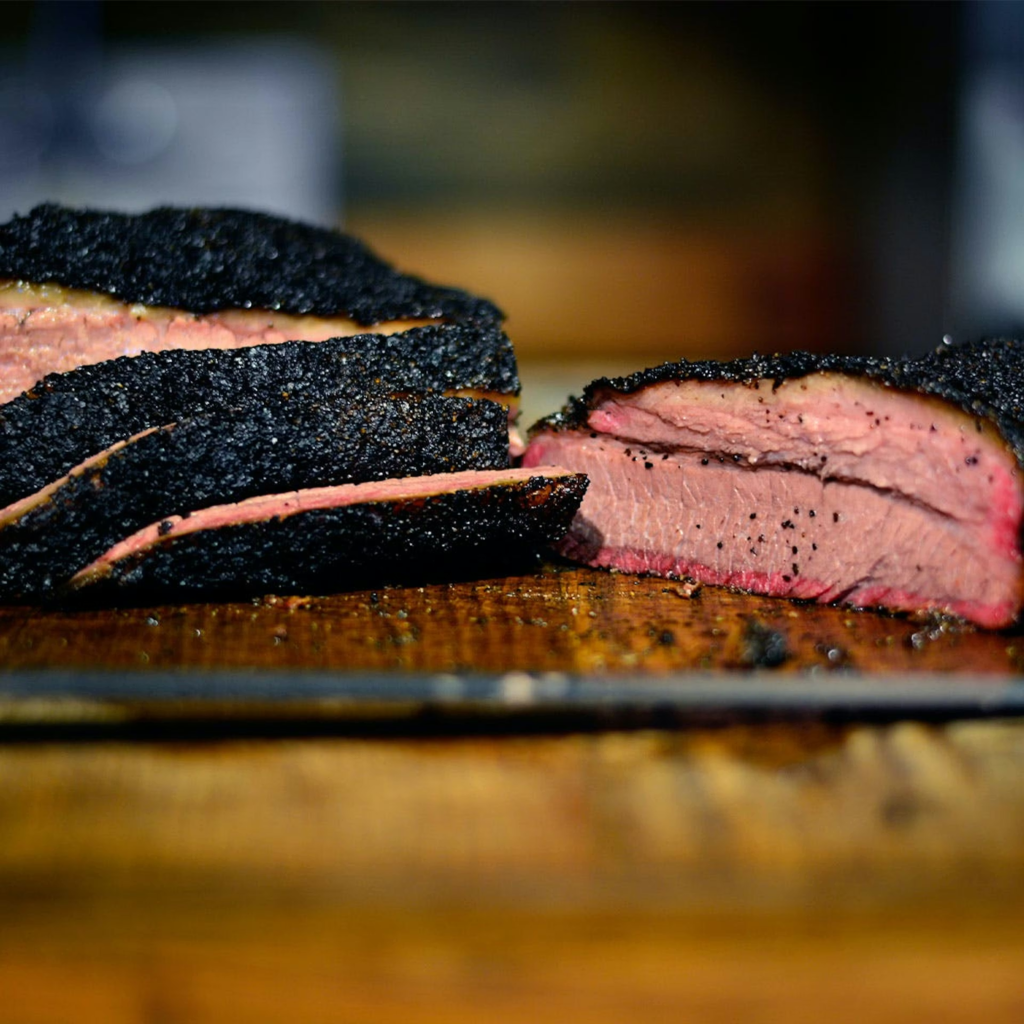
- Texas Barbecue Trails
- Louisiana Boudin Trail
- Alabama Gulf Seafood Trail
These routes often include small smokehouses, roadside markets, and multigenerational restaurants where recipes have remained largely unchanged for decades.
Travelers quickly learn that regional barbecue styles differ dramatically—even within the same state.
The Northeast: Dairy, Maple, and Coastal Fisheries
New England and the Mid-Atlantic states highlight agricultural craftsmanship.
Flavor trails here commonly feature:
- artisanal cheeses
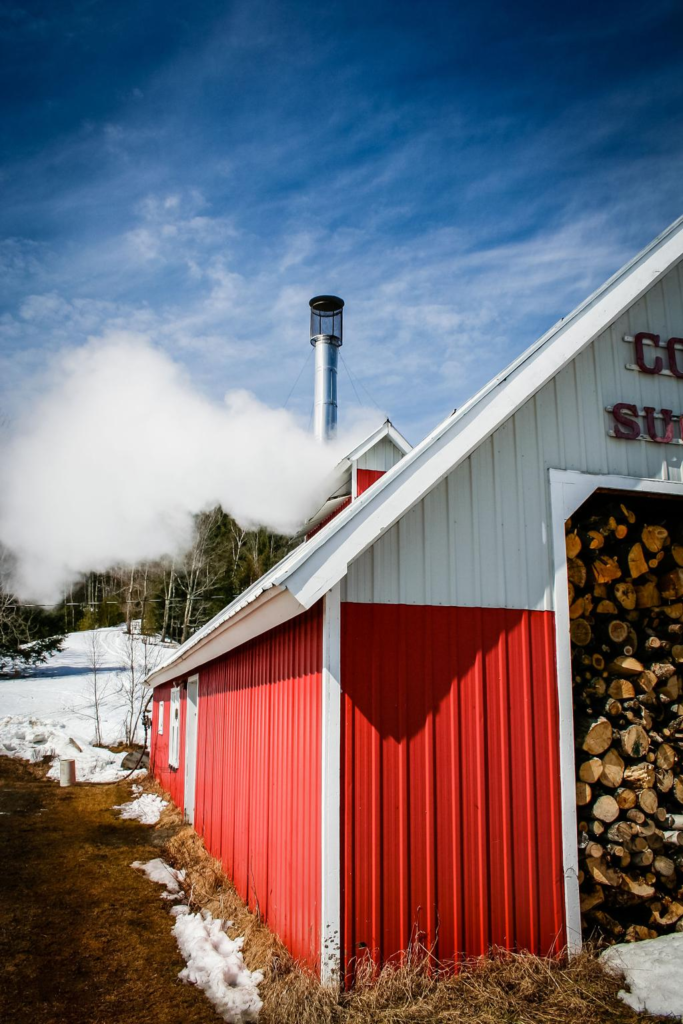
- maple syrup farms
- oyster and clam fisheries
- historic bakeries
For instance, Vermont’s dairy culture has produced dozens of small cheesemakers who welcome visitors for tastings and tours.
These stops provide insight into how climate, soil, and tradition shape flavor.
The Midwest: Grain, Brewing, and Farm Innovation
The Midwest’s agricultural abundance has made it a natural home for food tourism.
Many Midwestern trails focus on:
- craft breweries
- grain-based spirits
- heirloom corn varieties
- farm markets
Cities like Madison, Wisconsin, and Des Moines, Iowa, have built strong reputations around farm-driven cuisine that connects rural producers with urban chefs.
The West Coast: Wine, Produce, and Culinary Innovation
California, Oregon, and Washington offer some of the most diverse flavor trails in the country.
These often combine:
- wine regions
- organic farms
- seafood harvests
- immigrant culinary traditions
In places like Sonoma County, visitors can spend a single day touring vineyards, olive oil producers, and farm restaurants.
The diversity of ingredients makes West Coast flavor trails especially dynamic.
How to Plan a Flavor Trail Trip
A successful flavor trail journey requires a little planning, especially if you want to maximize the experience.
Start With a Regional Theme
Choose a trail that aligns with your interests. Popular themes include:
- seafood routes
- wine and spirits trails
- barbecue circuits
- cheese and dairy tours
- farmers market routes
Many state tourism websites provide official maps and itineraries.
Schedule Visits in Advance
Small producers often operate on limited hours.
Before traveling:
- check opening times
- reserve tastings
- confirm tours
- review seasonal availability
This is particularly important for farms and fisheries.
Build Time for Conversations
One of the most valuable aspects of flavor trails is the opportunity to meet the people behind the food.
Producers often share insights about:
- growing conditions
- traditional cooking methods
- family history
- regional ingredients
These conversations often become the highlight of the trip.
Travel Slowly
Flavor trails work best when travelers resist the urge to rush.
Instead of visiting ten stops in one day, plan for three or four meaningful experiences.
This approach allows time for:
- exploring local towns
- enjoying meals without hurry
- learning about the region
Real-World Flavor Trail Experiences
To understand the appeal of flavor trails, it helps to look at real travel experiences.
The Texas Barbecue Route
Many barbecue enthusiasts follow informal trails across central Texas, visiting legendary smokehouses in towns like Lockhart, Taylor, and Lexington.
Travelers quickly discover that each pitmaster uses a slightly different approach:
- wood type
- meat cuts
- seasoning blends
- smoking times
Even subtle variations create distinct regional flavors.
Maine’s Oyster Route
Along the Maine coast, oyster farms invite visitors to learn how shellfish are cultivated in cold Atlantic waters.
Visitors often:
- tour working aquaculture sites
- sample oysters harvested minutes earlier
- learn about tidal ecosystems
The experience connects seafood directly to its environment.
Vermont’s Cheese Trail
Small dairy farms throughout Vermont produce award-winning cheeses using traditional European techniques.
Visitors can watch cheesemaking in action and taste products that reflect the local pastures and seasons.
These experiences are not just about tasting—they’re about understanding food systems.
Economic and Cultural Impact of Flavor Trails
Flavor trails are not only a tourism trend—they are also an economic development tool.
Many rural communities have discovered that food tourism can support small producers while attracting visitors year-round.
Benefits include:
- increased revenue for farms and restaurants
- preservation of regional recipes
- support for agricultural land
- stronger local identity
According to tourism studies from several state programs, culinary tourism can increase visitor spending by 20–30% compared with traditional sightseeing trips.
This additional revenue helps small communities remain economically resilient.
Responsible Flavor Trail Travel
As flavor trail tourism grows, responsible travel practices become important.
Travelers can support communities by:
- choosing locally owned businesses
- respecting farm operations
- purchasing regional products
- minimizing waste
Simple actions—like buying directly from producers—can have meaningful economic impact.
Travelers also gain access to foods that rarely appear in large retail markets.
Frequently Asked Questions
What is a flavor trail?
A flavor trail is a curated travel route that connects visitors with local food producers, restaurants, and culinary traditions within a specific region.
Are flavor trails only for food experts?
No. Most flavor trails are designed for casual travelers who simply enjoy learning about regional foods.
How many stops should you plan in a day?
Three to four stops typically allow enough time to enjoy each location without rushing.
Are flavor trails expensive?
Costs vary widely. Many farm visits and markets are free, while tastings or tours may charge small fees.
When is the best time to visit a flavor trail?
Harvest seasons often provide the richest experiences, but many trails operate year-round.
Do you need reservations for flavor trail stops?
For wineries, distilleries, and guided farm tours, reservations are often recommended.
Are flavor trails family-friendly?
Yes. Many farms, markets, and food festivals welcome families and provide educational experiences for children.
How do you find flavor trails near you?
State tourism websites and regional agriculture organizations frequently publish trail maps and travel guides.
Can you build your own flavor trail?
Absolutely. Many travelers create personal routes using farmers markets, local restaurants, and small producers.
Do flavor trails support local economies?
Yes. Food tourism helps small farms, fisheries, and family-owned restaurants remain economically viable.
Following the Story Behind Every Bite
Flavor trails offer something rare in modern travel: a chance to slow down and understand a place through its food.
By connecting travelers with farmers, fishermen, bakers, and chefs, these routes reveal how landscapes shape cuisine and how traditions survive through everyday cooking.
A single oyster, slice of pie, or smoked brisket becomes more meaningful when you know where it came from—and who made it possible.
For many travelers, the most memorable destinations are not defined by landmarks but by flavors that can only exist in one place.
Flavor trails help us discover those places.
Key Insights at a Glance
- Flavor trails connect travelers with regional food traditions and producers.
- They support local economies and preserve culinary heritage.
- The United States now hosts hundreds of regional culinary routes.
- Successful flavor trail trips prioritize slow travel and meaningful stops.
- Conversations with producers often become the most valuable part of the experience.