Summary
Regional food offers more than a meal—it reveals the history, geography, and culture of a place. Across the United States, distinctive local dishes have evolved from agricultural traditions, migration patterns, and community identity. Following the “flavor trail” allows travelers to experience authentic culinary heritage, connect with local producers, and understand why regional food remains a powerful part of American culture.
Introduction: Why Regional Food Still Matters in Modern America
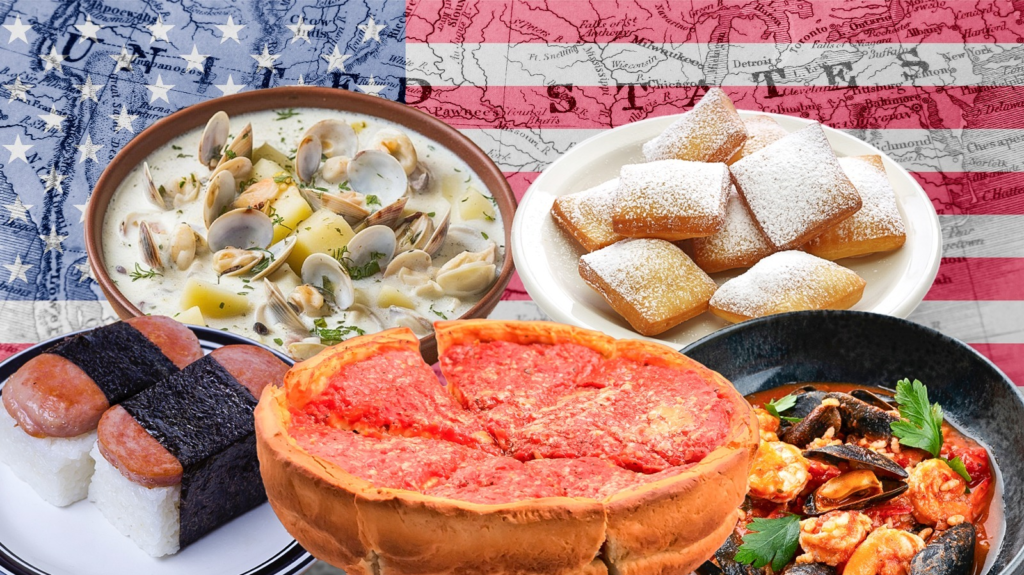
In an era where national restaurant chains and standardized menus are everywhere, regional food continues to stand out as one of the most meaningful ways to experience a place. Whether it’s Texas barbecue, New England clam chowder, or Chicago deep-dish pizza, regional dishes tell stories about land, history, and community.
Food tourism has become a major driver of travel decisions. According to the U.S. Travel Association, more than one in three American travelers choose destinations partly because of their food experiences. Local dishes often provide insight that museums or guidebooks cannot offer.
The idea of a “flavor trail” reflects a growing interest in exploring places through their culinary heritage. Instead of visiting a single restaurant, travelers follow a regional path—farms, bakeries, seafood docks, diners, and markets—to experience how a region’s food culture comes together.
Understanding why regional food is worth the journey requires looking beyond taste alone. It’s about authenticity, local ingredients, cultural history, and the human connections that make food memorable.
Regional Food Reflects Geography and Agriculture
The first reason regional food matters is simple: it grows out of the land itself.
Before modern transportation and refrigeration, communities relied heavily on ingredients that could be produced locally. Those agricultural realities shaped recipes that remain iconic today.
For example:
- Louisiana cuisine developed around rice, seafood, and spices brought by French and Caribbean influences.
- Midwestern comfort food often highlights corn, beef, dairy, and wheat.
- Pacific Northwest dishes emphasize salmon, berries, and wild mushrooms.
The relationship between local agriculture and regional cuisine is still strong today. Farmers markets and farm-to-table restaurants have made local sourcing more visible, reinforcing the connection between food and place.
Travelers who follow a flavor trail often discover how ingredients define a region. A Maine lobster roll tastes different not just because of preparation but because the lobster itself comes from the cold waters of the North Atlantic.
Similarly, a Hatch chile dish in New Mexico carries flavors that are nearly impossible to replicate elsewhere because of the region’s unique climate and soil conditions.
These geographic factors explain why regional food remains authentic even in a globalized world.
Cultural History Lives Inside Local Dishes
Regional cuisine is also a record of cultural exchange. American food traditions often reflect the influence of immigration, trade, and historical migration patterns.
Consider how several iconic dishes emerged:
- New York bagels reflect Eastern European Jewish baking traditions.
- Tex-Mex cuisine blends Mexican culinary heritage with American ingredients and cooking styles.
- Lowcountry cuisine in South Carolina carries strong West African culinary influences.
These dishes are not just recipes—they represent communities adapting their heritage to new environments.
Food historians often describe regional cuisine as a form of cultural storytelling. When travelers seek out these dishes, they are participating in a living history lesson.
For example, tasting traditional Gullah Geechee seafood stew along the South Carolina coast offers insight into a culture that has preserved its identity for generations.
The flavor trail therefore becomes a cultural journey, revealing how communities maintain traditions through food.
The Role of Small Businesses in Preserving Regional Food
Another reason regional food experiences feel meaningful is the people behind them.
Local restaurants, family-run bakeries, roadside stands, and small farms are often the guardians of culinary tradition. Many recipes have been passed down through generations.
Unlike standardized chain restaurants, these establishments frequently adapt their menus based on seasonal ingredients and local supply.
Travelers exploring regional food often encounter:
- Independent diners known for a signature dish
- Seafood shacks operating for decades along the coast
- Bakeries preserving historic recipes
- Small smokehouses specializing in regional barbecue styles
These businesses form the backbone of culinary tourism. They provide authenticity that cannot easily be replicated elsewhere.
According to the National Restaurant Association, independent restaurants make up around 70% of U.S. restaurant establishments, many of which contribute to local culinary identity.
Why Food Trails Are Growing in Popularity
Many states and tourism boards now promote official food trails, helping visitors explore regional cuisine in a structured way.
Examples include:
- Kentucky’s Bourbon Trail
- North Carolina’s Barbecue Trail
- Wisconsin’s Cheese Trail
- Maine’s Lobster Trail
These curated experiences encourage travelers to visit multiple locations connected by a shared culinary tradition.
Food trails typically include a mix of destinations such as:
- Local farms
- Specialty food producers
- Historic restaurants
- Culinary museums
- Farmers markets
The appeal lies in discovery. Travelers move beyond a single dining experience and explore how ingredients are grown, prepared, and celebrated within a region.
Regional Food Creates Memorable Travel Experiences
Food experiences are often among the most vivid travel memories people carry home.
Unlike sightseeing alone, eating regional dishes involves multiple senses: taste, smell, sound, and social interaction.
A traveler might remember:
- The aroma of smoked brisket drifting from a Texas pit barbecue
- The sound of oyster shells cracking along the Gulf Coast
- The bustle of a New York deli during lunchtime
- The sweetness of fresh peaches at a Georgia roadside stand
These moments create emotional connections to a destination.
Researchers in tourism studies have found that food experiences increase traveler satisfaction and likelihood of returning to a destination. Local cuisine becomes part of the identity travelers associate with a place.

How to Explore a Flavor Trail Thoughtfully
Travelers interested in regional food often benefit from approaching the experience intentionally.
A thoughtful food journey typically includes several elements.
Practical ways to follow a regional flavor trail:
- Visit local farmers markets to understand the region’s ingredients.
- Seek out historic restaurants known for traditional recipes.
- Talk with chefs, farmers, or fishers about sourcing and preparation.
- Explore smaller towns, not just major cities.
- Try seasonal specialties that highlight regional agriculture.
- Attend food festivals or culinary events when possible.
These approaches help travelers gain a deeper understanding of the region’s culinary culture rather than simply checking off popular dishes.
Examples of Regional Flavor Trails Across the United States
The United States offers an extraordinary range of regional culinary experiences.
Some notable flavor trails include:
The Southern Barbecue Belt
Stretching through Texas, Tennessee, and the Carolinas, barbecue traditions vary widely.
- Texas emphasizes beef brisket and dry rubs
- North Carolina is known for vinegar-based sauces and pulled pork
- Kansas City features sweet tomato-based sauces
Travelers often discover that each town has its own loyal interpretation.
New England Seafood Routes
Along the Atlantic coast, seafood culture shapes local cuisine.
Signature dishes include:
- Lobster rolls in Maine
- Clam chowder in Massachusetts
- Fried clams along coastal Rhode Island
These foods reflect the region’s fishing heritage and maritime economy.
California’s Agricultural Food Trail
California’s Central Valley and coastal regions highlight farm-driven cuisine.
Visitors frequently explore:
- Wine regions in Napa and Sonoma
- Olive oil producers in Northern California
- Seasonal fruit farms throughout the Central Valley
The state’s climate allows for remarkable ingredient diversity.
The Importance of Sustainability in Regional Food
Many regional food traditions are closely tied to sustainable agricultural practices.
Local sourcing reduces transportation distances, supports regional farmers, and encourages seasonal eating.
Sustainability has become an important factor in culinary tourism. Travelers increasingly seek out restaurants and producers committed to responsible sourcing.
Common sustainability practices include:
- Farm-to-table partnerships
- Seasonal menu planning
- Sustainable seafood certification
- Reduced food waste initiatives
By supporting these practices, travelers help preserve the ecosystems that sustain regional cuisine.
How Technology Is Helping People Discover Flavor Trails
Digital tools have made it easier than ever to explore regional food.
Travelers now use:
- Food-focused travel apps
- Online restaurant guides
- Social media recommendations
- Interactive food maps
Platforms such as Yelp, Google Maps, and travel blogs allow visitors to find local favorites quickly.
However, experienced food travelers often combine digital research with local recommendations. Talking to residents frequently leads to discoveries that online reviews overlook.

Frequently Asked Questions
What is a flavor trail?
A flavor trail is a travel experience focused on exploring regional food traditions through restaurants, farms, markets, and food producers within a specific geographic area.
Why do regional foods taste different from place to place?
Differences in climate, agriculture, local ingredients, and cultural history shape how dishes develop in each region.
Are food trails organized by tourism boards?
Many states and cities promote official food trails, but travelers can also create their own routes based on local specialties.
What makes regional food authentic?
Authenticity typically comes from traditional recipes, locally sourced ingredients, and preparation methods passed down through generations.
How can travelers find the best local food spots?
Combining online research with local recommendations from residents, chefs, and market vendors often leads to the most authentic experiences.
Is food tourism growing in the United States?
Yes. Culinary travel has expanded significantly as travelers seek more immersive cultural experiences.
Are food festivals a good way to experience regional cuisine?
Food festivals often showcase traditional dishes, local producers, and cultural heritage, making them valuable introductions to regional food.
What role do farmers markets play in regional food culture?
Farmers markets connect consumers directly with local producers and highlight seasonal ingredients central to regional cuisine.
Can regional food be recreated at home?
While recipes can be replicated, local ingredients and preparation traditions often influence the authentic flavor.
Why do travelers remember food experiences so vividly?
Food engages multiple senses and social interactions, making it one of the most memorable aspects of travel.
When the Journey Becomes the Meal
Following a flavor trail ultimately changes how people think about travel. Instead of viewing food as a break between activities, the culinary experience becomes the journey itself.
Regional cuisine reveals the relationship between land, culture, and community. Each dish reflects the environment where it originated and the people who continue to prepare it.
For travelers willing to slow down, ask questions, and explore beyond well-known destinations, the flavor trail offers one of the most meaningful ways to understand a place.
Key Ideas to Remember
- Regional food reflects geography, agriculture, and cultural heritage.
- Food tourism continues to grow as travelers seek authentic experiences.
- Local restaurants and small producers preserve culinary traditions.
- Food trails allow travelers to explore multiple culinary destinations within a region.
- Sustainable sourcing plays an increasing role in regional cuisine.