Summary
Exploring regional food traditions doesn’t require travel. By borrowing techniques, ingredients, and flavor principles from different American and global cuisines, home cooks can create more exciting everyday meals. This guide explains how to build a “flavor trail” in your own kitchen—using pantry upgrades, regional cooking methods, and simple ingredient swaps to bring depth, variety, and cultural inspiration to weeknight cooking.
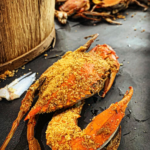
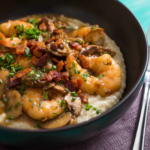
Home cooking in the United States has always been shaped by regional influence. From the smoky traditions of the American South to the citrus-driven brightness of California cuisine, regional cooking styles reflect local ingredients, climate, and cultural history. Today, with access to global groceries and endless recipes online, home cooks have more opportunities than ever to explore these flavor traditions without leaving their kitchens.
Creating a “flavor trail” at home means intentionally drawing inspiration from regional cuisines—both American and international—to bring variety and depth to everyday meals. It doesn’t mean mastering complicated dishes or buying specialty equipment. Instead, it’s about understanding the building blocks of flavor and applying them to the meals you already cook.
According to the International Food Information Council, over 70% of Americans say they enjoy trying foods from different cultures at home, and grocery stores now routinely stock ingredients that were once considered specialty imports. The result is a new kind of home kitchen—one where weeknight dinners might draw inspiration from Texas barbecue, Mediterranean herbs, or Japanese umami techniques.
Below is a practical guide to bringing those influences into everyday cooking in ways that are realistic, affordable, and adaptable for busy households.
Understanding Regional Flavor Profiles
Every regional cuisine develops a recognizable flavor profile based on geography, agriculture, and cultural tradition. When you understand those patterns, recreating the spirit of the cuisine becomes much easier.
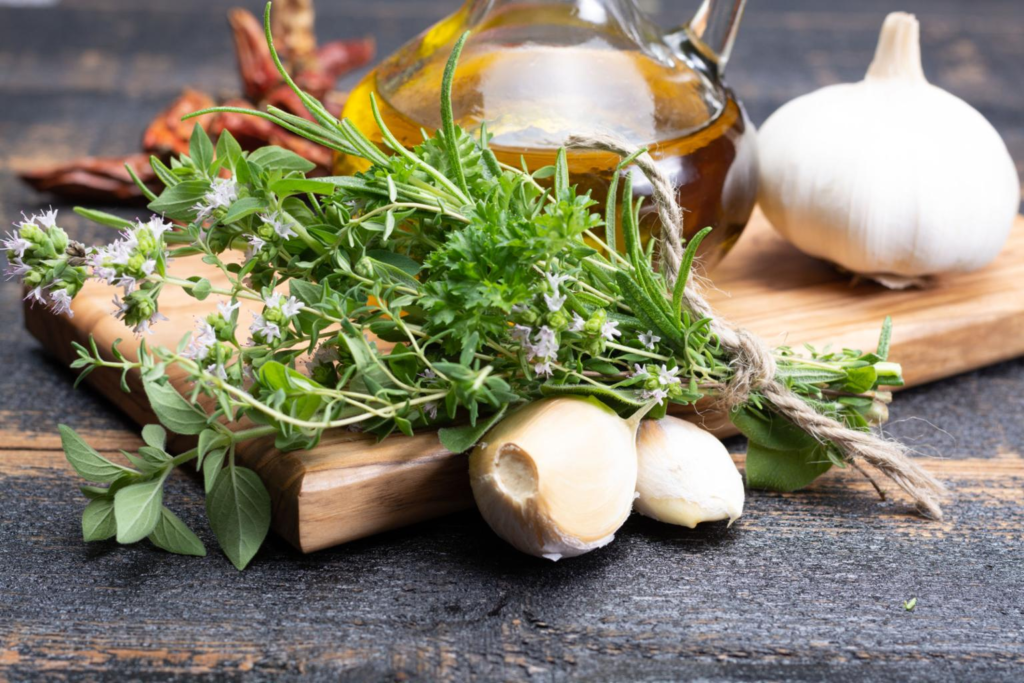
For example, Southern American cooking often layers smoke, spice, and slow cooking techniques. Mediterranean food emphasizes olive oil, citrus, fresh herbs, and grilled ingredients. Mexican regional cuisine balances acidity, heat, and earthy spices like cumin and dried chiles.
Rather than copying recipes exactly, think of these flavor profiles as templates.
Key components of regional flavor profiles include:
- Primary cooking fats (butter, olive oil, sesame oil)
- Signature aromatics (garlic, onions, ginger, chiles)
- Typical acid sources (vinegar, citrus, fermented ingredients)
- Preferred cooking methods (grilling, braising, roasting, stir-frying)
- Core spices and herbs
For example, if you sauté chicken in olive oil with lemon, garlic, oregano, and tomatoes, you’re already tapping into Mediterranean flavor logic—even if the dish isn’t a traditional recipe.
Building a “Flavor Trail” Pantry
The easiest way to explore regional cooking at home is to build a pantry that supports multiple flavor directions. A few versatile ingredients can transform simple meals.
A practical flavor-building pantry might include:
- Smoked paprika
- Cumin and coriander
- Soy sauce or tamari
- Rice vinegar
- Chili crisp or chili oil
- Dijon mustard
- Anchovy paste
- Fish sauce
- Harissa or chili paste
- Coconut milk
These ingredients work across cuisines and add depth quickly. For example:
- Stir a spoonful of harissa into roasted vegetables for North African warmth.
- Add fish sauce to tomato sauces to deepen savory flavor.
- Use soy sauce and brown sugar in marinades for quick Asian-inspired glazes.
Professional chefs often rely on a small number of “flavor amplifiers.” Home cooks can do the same without buying dozens of specialty items.
Borrowing Cooking Techniques from Regional Kitchens
Flavor doesn’t come only from ingredients—techniques matter just as much.
Different regional cuisines rely on specific cooking methods that develop flavor in distinct ways.
Examples of technique-driven flavor
- Low-and-slow cooking (American South): Builds deep savory flavor in braised meats and beans.
- Char grilling (Mediterranean): Adds smokiness to vegetables and seafood.
- Stir-frying (Chinese cooking): High heat preserves texture while creating caramelized flavor.
- Dry toasting spices (Indian cuisine): Releases essential oils and intensifies aroma.
- Pickling (Eastern European and Korean traditions): Adds acidity and balance.
Home cooks can integrate these techniques into familiar meals. For example:
Roast vegetables at high heat and finish with lemon and herbs for a Mediterranean feel. Or stir-fry leftover rice with soy sauce, scallions, and eggs to channel East Asian comfort food traditions.
Even small adjustments—like charring corn in a skillet before adding it to salads—can dramatically change the flavor profile.
Regional Inspiration for Weeknight Meals
One of the biggest misconceptions about global cooking is that it requires complex recipes. In reality, many regional traditions are based on simple combinations of staple ingredients.
Below are practical ways to bring regional inspiration into everyday meals.
Mediterranean Weeknight Plate
A simple dinner might include:
- Lemon-garlic roasted chicken
- Olive oil roasted potatoes
- Tomato and cucumber salad
- Yogurt sauce with herbs
This style of meal relies on freshness and acidity rather than heavy sauces.
Southwest-Inspired Bowls
Build dinner bowls using:
- Rice or quinoa
- Black beans
- Grilled chicken or shrimp
- Roasted peppers
- Lime crema
- Fresh cilantro
Southwestern flavors emphasize smoky spices, citrus, and grilled ingredients.
Japanese-Inspired Comfort Meal
A simple Japanese-inspired dinner might include:
- Miso soup
- Steamed rice
- Teriyaki salmon
- Pickled cucumbers
These meals focus on balance and umami rather than heavy seasoning.
Southern Comfort Remix
Use Southern flavor techniques in new ways:
- Smoked paprika roasted vegetables
- Buttermilk-marinated chicken
- Cornbread with honey butter
- Collard greens with garlic
The key idea is borrowing flavor ideas, not recreating exact traditional dishes.
Using Regional Sauces to Transform Simple Foods
Many regional cuisines rely heavily on sauces and condiments to create complexity quickly. Learning a few versatile sauces can change how you cook.
For example:
- Chimichurri (Argentina): Parsley, garlic, olive oil, vinegar
- Tzatziki (Greece): Yogurt, cucumber, garlic, dill
- Salsa verde (Mexico): Tomatillos, chiles, lime
- Teriyaki glaze (Japan): Soy sauce, mirin, sugar
- Romesco (Spain): Roasted peppers, almonds, garlic
These sauces can instantly elevate simple foods.
Try them with:
- Roasted vegetables
- Grilled chicken
- Grain bowls
- Fish
- Sandwiches
Because sauces concentrate flavor, they allow everyday ingredients—like potatoes or chicken thighs—to taste entirely different from one meal to the next.
Regional Produce Pairings That Work Every Time
Another way to bring regional inspiration into everyday cooking is through produce combinations that appear repeatedly in certain cuisines.
Examples include:
- Tomatoes + basil + olive oil (Italy)
- Corn + lime + chili powder (Mexico)
- Cabbage + vinegar + mustard (Central Europe)
- Eggplant + garlic + tahini (Middle East)
- Ginger + scallions + soy sauce (East Asia)
Once you recognize these combinations, you can improvise meals without needing recipes.
For example, a quick pasta tossed with tomatoes, olive oil, garlic, and basil channels Italian cooking principles even if it’s made with pantry ingredients.
The Role of Local Ingredients in Regional Cooking
Ironically, the most authentic way to cook regionally at home is to focus on local seasonal ingredients.
Regional cuisines evolved around what was available nearby. When you adapt those ideas using local produce, you recreate the spirit of the cuisine rather than copying it exactly.
For instance:
- Use local summer tomatoes in Mediterranean-style salads.
- Roast Midwestern root vegetables with Moroccan spices.
- Grill fresh Gulf shrimp with citrus and herbs.
This approach keeps meals practical and affordable while still capturing the character of regional cooking traditions.
How to Experiment Without Overcomplicating Meals
Many home cooks hesitate to experiment with new cuisines because they assume it requires unfamiliar ingredients or complex recipes.
A better strategy is gradual experimentation.
Try these approaches:
- Add one new spice or condiment per week
- Adapt familiar recipes with new flavor combinations
- Cook a regional meal theme once a week
- Watch cooking videos from regional chefs
- Visit international grocery stores for inspiration
For example, if you already make roasted chicken regularly, try seasoning it differently each week—Mediterranean herbs one night, smoky chili spices the next, and soy-ginger marinade another.
Over time, this builds confidence and expands your cooking vocabulary.
Frequently Asked Questions
What does “regional inspiration” mean in home cooking?
It means borrowing flavor patterns, ingredients, or techniques from regional cuisines rather than replicating traditional dishes exactly.
Do I need specialty ingredients to cook regional dishes?
Not usually. Many regional flavor profiles can be recreated using common pantry items like garlic, citrus, spices, and herbs.
How can I add global flavor to weeknight meals quickly?
Use sauces, marinades, and spice blends. These add strong flavor without requiring complex recipes.
What are the easiest cuisines for beginners to explore?
Mediterranean, Mexican, and Southeast Asian cuisines often rely on simple techniques and accessible ingredients.
Is regional cooking expensive?
It doesn’t have to be. Many regional cuisines emphasize affordable staples like beans, grains, vegetables, and slow-cooked meats.
How do restaurants develop regional flavor authenticity?
They rely on traditional spice combinations, cooking methods, and ingredient pairings that define the cuisine.
What’s the difference between fusion cooking and regional inspiration?
Fusion intentionally combines multiple cuisines into one dish, while regional inspiration simply borrows flavor principles.
How can I build a versatile spice collection?
Start with foundational spices: cumin, paprika, chili powder, coriander, turmeric, and oregano.
Are regional cooking techniques difficult for beginners?
Most are simple. Techniques like roasting, grilling, braising, and stir-frying are easy to learn.
How can families explore regional cooking together?
Try themed dinner nights featuring different cuisines and let family members help choose the menu.
A Kitchen That Travels Without Leaving Home
The most rewarding aspect of exploring regional inspiration in cooking is that it turns everyday meals into a kind of culinary journey. A weeknight dinner can evoke Mediterranean coastlines, Southern smokehouses, or bustling Asian street markets—all without complicated recipes or expensive ingredients.
When you understand the building blocks of regional flavor—aromatics, fats, acids, and techniques—you gain the freedom to improvise. Meals become more creative, more personal, and often more satisfying.
Home cooking doesn’t need to be repetitive. With a few pantry upgrades and a willingness to experiment, your kitchen can follow a flavor trail that spans continents.
Key Ideas to Remember
- Regional cooking is built on flavor patterns, not just recipes
- A small multi-cuisine pantry makes experimentation easier
- Techniques like grilling, pickling, and braising create regional character
- Sauces and condiments transform simple ingredients
- Seasonal local produce works well with many global flavor traditions
- Small weekly experiments build long-term cooking confidence