Summary
Across the United States, chefs, home cooks, and food producers are rediscovering the power of ingredients. The “Flavor Trail” reflects a growing movement toward ingredient-driven cooking—meals built around seasonal, regional foods rather than complex techniques. This shift highlights local agriculture, simplifies cooking, and deepens flavor. Understanding how ingredients shape modern American cuisine reveals where food culture is headed next.
Understanding the “Flavor Trail” in Modern American Cooking
In recent years, a quiet shift has been taking place across American kitchens and restaurants. Instead of focusing primarily on technique or elaborate recipes, many cooks are starting with the ingredients themselves. This philosophy is often described as following the Flavor Trail—a path that begins with where food comes from and ends with how its natural qualities shape a meal.
Ingredient-driven cooking is not entirely new. For generations, rural communities cooked based on what farms, fisheries, and markets provided each season. What is new is how this approach is reappearing in contemporary American food culture—from high-end restaurants to weeknight family dinners.
The Flavor Trail reflects several larger cultural shifts:
- Growing interest in regional food identity
- Greater awareness of agricultural practices
- Consumer demand for transparency in sourcing
- The popularity of farmers markets and local food systems
According to the USDA, the number of farmers markets in the United States has increased significantly over the past two decades, rising from fewer than 2,000 markets in the mid-1990s to more than 8,600 today. This growth highlights the expanding connection between consumers and local ingredients.
As Americans become more curious about where their food originates, the Flavor Trail becomes easier to follow.
What Is Ingredient-Driven Cooking?
Ingredient-driven cooking starts with a simple principle: let the quality of the ingredients determine the dish.
Rather than building recipes around sauces, heavy seasoning, or complex preparations, this approach emphasizes freshness, seasonality, and natural flavor.
In practice, that means a cook might:
- Select vegetables based on what’s harvested locally that week
- Highlight a single ingredient—such as heirloom tomatoes or wild mushrooms
- Use minimal seasoning to allow natural flavor to stand out
- Adapt recipes depending on seasonal availability
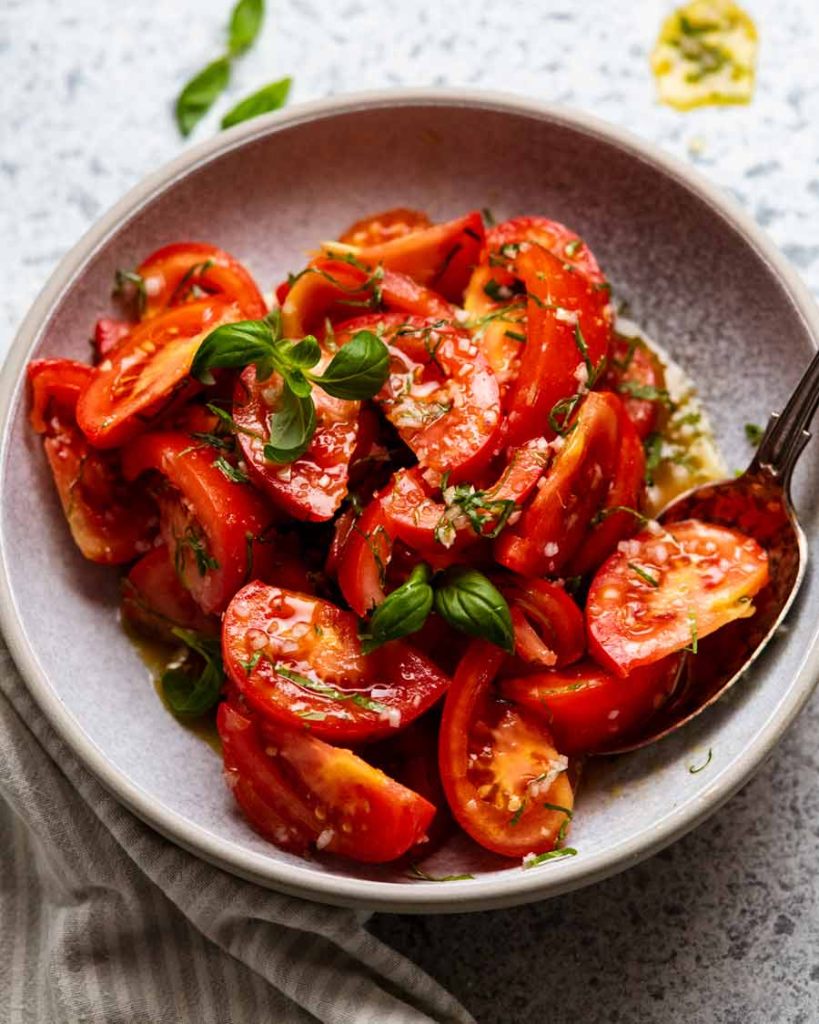
For example, a summer tomato salad might require little more than sliced tomatoes, olive oil, salt, and fresh basil. When the ingredients are exceptional, simplicity often produces the best results.
Many American chefs have embraced this philosophy because it offers both culinary and economic advantages. Local ingredients are often fresher, more sustainable, and closely tied to regional food traditions.
Why Ingredient-Focused Cooking Is Growing in the United States
Several forces are pushing ingredient-driven cooking into the mainstream.
1. Increased Consumer Awareness
American diners today are more informed than ever about food production. Questions about sustainability, farming practices, and animal welfare frequently influence purchasing decisions.
Research from the Pew Research Center shows that many Americans actively seek information about food sourcing and environmental impact.
2. Regional Food Identity
Cities and regions across the country are reclaiming their culinary identities. Instead of copying global restaurant trends, many chefs highlight ingredients unique to their location.
Examples include:
- Pacific Northwest seafood and foraged mushrooms
- Texas heritage beef and regional chilies
- New England shellfish and coastal produce
- California’s year-round produce diversity
3. Simpler Cooking Styles
Ingredient-driven cooking often requires fewer steps and fewer ingredients. For busy households, this simplicity can be appealing.
The approach aligns well with modern cooking habits:
- shorter cooking times
- smaller ingredient lists
- flexible recipes
4. The Rise of Farmers Markets and Local Producers
Direct connections between consumers and producers make ingredient-driven cooking easier.
Many American communities now offer:
- weekly farmers markets
- farm-to-table restaurants
- community-supported agriculture (CSA) programs
- regional food festivals
These systems shorten the distance between farm and table, improving freshness and transparency.
How Restaurants Are Leading the Flavor Trail
Restaurants often shape broader food trends, and ingredient-driven cooking has become a defining feature of many respected kitchens.
In cities like Portland, Austin, and Minneapolis, chefs frequently build menus around what local producers deliver each week. Instead of rigid menus, some restaurants adjust daily depending on ingredient availability.
For example:
- A chef might feature fresh Gulf shrimp during peak season.
- A menu might shift toward root vegetables during winter months.
- Local berries may become the centerpiece of summer desserts.
This approach reflects the philosophy of several influential American chefs, including Alice Waters, who helped popularize the farm-to-table movement through her restaurant Chez Panisse.
Waters emphasized that good cooking begins with good ingredients—a concept that continues to shape the Flavor Trail today.
What Following the Flavor Trail Looks Like at Home
Ingredient-driven cooking is not limited to professional kitchens. Many American households are adopting similar habits.
Following the Flavor Trail at home often begins with small adjustments to everyday cooking.
Practical Ways Home Cooks Follow the Flavor Trail
- Visit a local farmers market and build meals around available produce
- Choose seasonal fruits and vegetables rather than importing off-season items
- Experiment with regional ingredients unique to your area
- Simplify recipes to highlight one or two primary flavors
For example:
A home cook in the Midwest might create a meal built around freshly harvested sweet corn. Instead of complex recipes, the meal could include:
- grilled corn with butter and lime
- a tomato-corn salad
- grilled chicken with simple seasoning
The ingredients themselves drive the meal.
Seasonal Cooking: A Key Part of the Flavor Trail
Seasonality is central to ingredient-driven cooking.
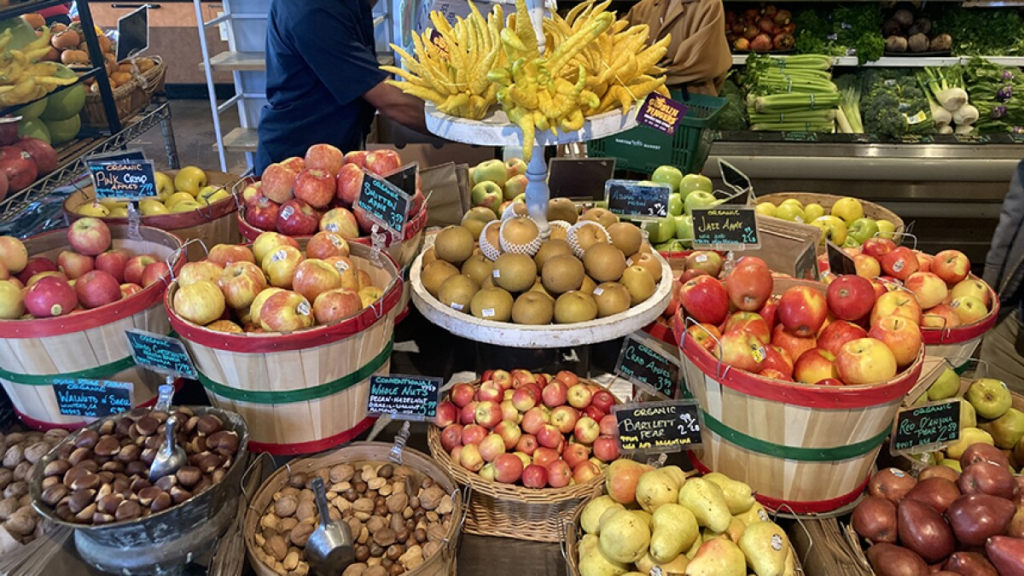
Fresh ingredients naturally taste better during their peak harvest periods. Seasonal cooking also reduces reliance on long-distance transportation and storage.
A simplified seasonal pattern in the United States often looks like this:
Spring
- asparagus
- peas
- radishes
- strawberries
Summer
- tomatoes
- sweet corn
- peaches
- zucchini
Fall
- apples
- squash
- mushrooms
- root vegetables
Winter
- citrus
- cabbage
- potatoes
- preserved foods
Seasonal cooking also encourages creativity. When ingredients change throughout the year, cooks naturally explore new recipes and combinations.
How Local Agriculture Shapes Flavor
One of the most interesting aspects of the Flavor Trail is how geography influences taste.
Soil composition, climate, and farming practices all affect ingredient quality.
Examples include:
- Maine lobsters with distinctive cold-water sweetness
- Georgia peaches known for balanced acidity
- Idaho potatoes grown in mineral-rich soil
These regional differences give American cuisine a remarkable diversity of flavors.
Following the Flavor Trail often means exploring how local conditions shape ingredients—and ultimately, how those ingredients shape cooking traditions.
The Role of Sustainability in Ingredient-Driven Cooking
Sustainability is another important driver of the Flavor Trail.
Shorter supply chains can reduce environmental impact while supporting local economies.
Common sustainability benefits include:
- reduced transportation emissions
- less packaging waste
- stronger regional agriculture
- fresher food with longer shelf life
Many chefs and consumers view ingredient-driven cooking as a practical way to support more responsible food systems.
Common Questions About the Flavor Trail
What does the “Flavor Trail” mean in cooking?
The Flavor Trail describes a cooking philosophy that begins with the origin and quality of ingredients. Instead of focusing primarily on recipes, cooks follow the path from farm or producer to kitchen, allowing ingredients to guide the final dish.
Is ingredient-driven cooking expensive?
Not necessarily. While some specialty ingredients can cost more, seasonal and local foods are often competitively priced. Buying produce at peak harvest can sometimes be cheaper than off-season imports.
How can beginners start cooking this way?
Start by choosing one ingredient—such as tomatoes or mushrooms—and building a simple meal around it. Minimal seasoning allows the ingredient’s natural flavor to stand out.
Are farmers markets necessary for ingredient-driven cooking?
They help, but they are not required. Many grocery stores now label local or seasonal products, making it easier to identify high-quality ingredients.
Why do chefs emphasize ingredient quality so much?
High-quality ingredients reduce the need for complex techniques. When produce, seafood, or meat is fresh and well-grown, the flavor is naturally stronger.
Does ingredient-driven cooking limit creativity?
Actually, it often expands creativity. Changing seasonal ingredients encourage experimentation with new dishes and combinations.
How does this approach support local economies?
Purchasing from local farms and producers helps sustain regional agriculture and keeps more food dollars within communities.
What types of cuisines use ingredient-driven cooking?
Many global cuisines emphasize ingredients, including Mediterranean, Japanese, and traditional American regional cooking.
Can ingredient-driven cooking work for busy families?
Yes. Simple preparations—such as roasting vegetables or grilling proteins—fit well into quick weeknight meals.
What is the biggest benefit of following the Flavor Trail?
Many cooks find that food simply tastes better when ingredients are fresh, seasonal, and thoughtfully sourced.
Where the Flavor Trail May Lead Next
As American food culture evolves, the Flavor Trail is likely to become even more visible. Younger chefs and home cooks increasingly value transparency, sustainability, and regional identity.
Technology may also strengthen these connections. Digital platforms now allow consumers to trace ingredients back to farms, fisheries, and producers.
Ultimately, the Flavor Trail represents more than a cooking trend. It reflects a broader shift in how Americans think about food—one that emphasizes connection, seasonality, and respect for ingredients.
Key Ideas to Remember
- The Flavor Trail focuses on the journey from ingredient source to finished dish.
- Ingredient-driven cooking prioritizes freshness, seasonality, and simplicity.
- Farmers markets and local agriculture play a major role in this movement.
- Restaurants and home cooks alike are adopting ingredient-focused approaches.
- Seasonal cooking encourages creativity while improving flavor.