Summary
America’s coastlines are home to culinary traditions shaped by geography, migration, and local industry. From New England lobster shacks to Gulf shrimp boats and Pacific oyster farms, seafood has long anchored regional identities. This article explores how coastal communities built enduring food cultures around the ocean—examining traditions, sustainability, local economies, and the evolving “flavor trail” that connects people, places, and seafood.
Understanding the Coastal Flavor Trail
The phrase “Coastal Flavor Trail” describes the culinary journey created by seafood traditions along America’s shores. Across thousands of miles of coastline—from Maine to Alaska—coastal communities have developed distinctive cooking methods, fishing practices, and seafood dishes tied closely to their local environment.
For generations, seafood was not simply a menu choice; it was a livelihood and a way of life. Fishing towns grew around docks, canneries, and local markets. Recipes evolved based on what the waters offered—lobster in cold northern waters, shrimp in warm Gulf currents, and oysters in estuaries where rivers meet the sea.
Today, travelers and food enthusiasts follow these culinary paths to experience authentic regional flavors. But the Coastal Flavor Trail is more than tourism. It reflects the deeper relationship between coastal communities and the ecosystems that sustain them.
According to the National Oceanic and Atmospheric Administration (NOAA), the U.S. seafood industry supports over 1.7 million jobs and contributes more than $250 billion annually to the American economy. Many of those jobs exist in small coastal towns where fishing traditions remain central to community identity.
How Geography Shapes Coastal Seafood Traditions
The diversity of American seafood culture begins with geography. Ocean temperature, water salinity, and regional ecosystems determine which species thrive in each region. Communities adapt their cooking traditions accordingly.
Along the Atlantic, rocky shorelines and cold waters produce shellfish such as lobster, clams, and scallops. In the Gulf of Mexico, warm nutrient-rich waters support shrimp, redfish, and blue crab fisheries. On the Pacific coast, oyster beds, salmon runs, and Dungeness crab shape local menus.
These environmental differences created distinct regional cuisines that continue to define coastal food culture today.
Key geographic influences on seafood traditions include:
- Water temperature, which affects species availability
- Tidal ecosystems, which support shellfish and estuary fisheries
- Migration patterns of fish like salmon or tuna
- Local weather conditions that influence fishing seasons
- Access to natural harbors and rivers
Over time, these natural factors produced the culinary diversity found along the Coastal Flavor Trail.
New England: Lobster, Clam Shacks, and Maritime Heritage
Few seafood traditions are as recognizable as those found in New England. Coastal towns across Maine, Massachusetts, and Rhode Island built their identities around shellfish harvesting and maritime trade.
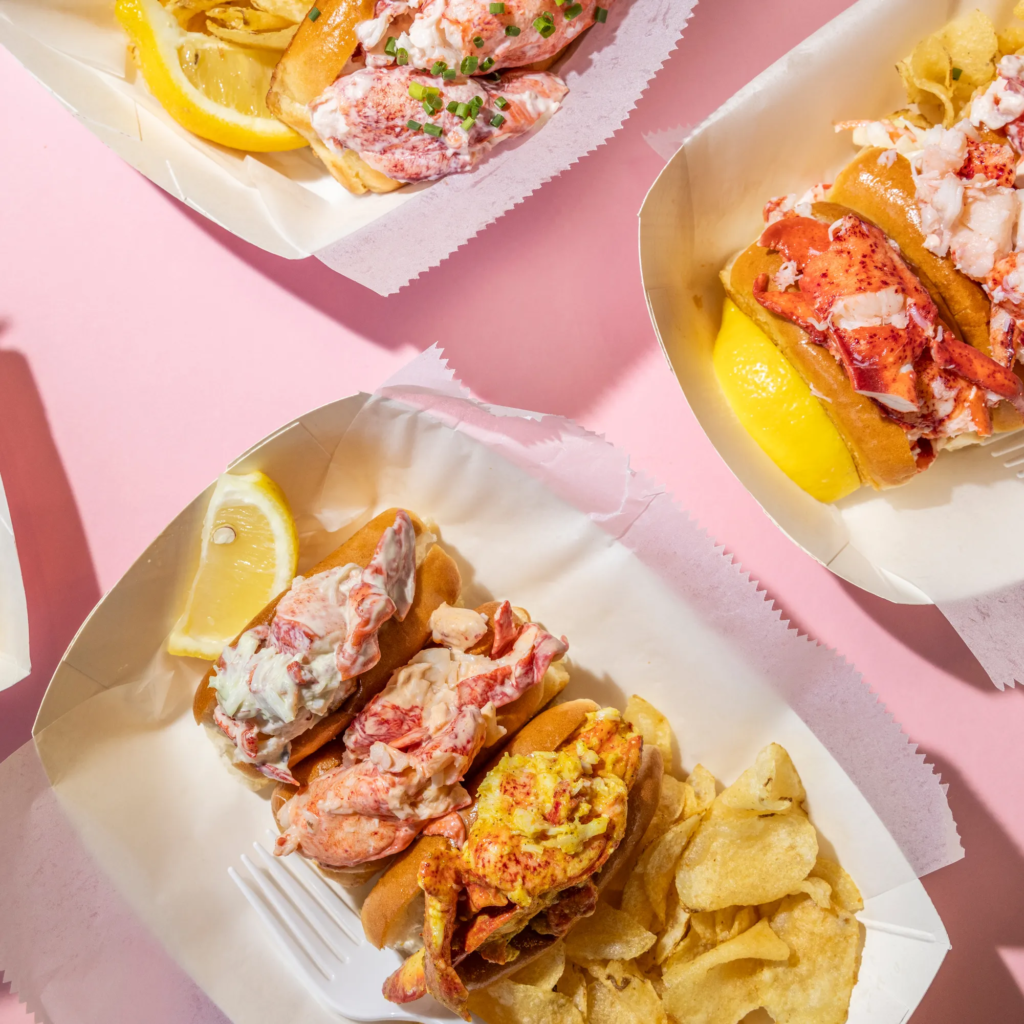
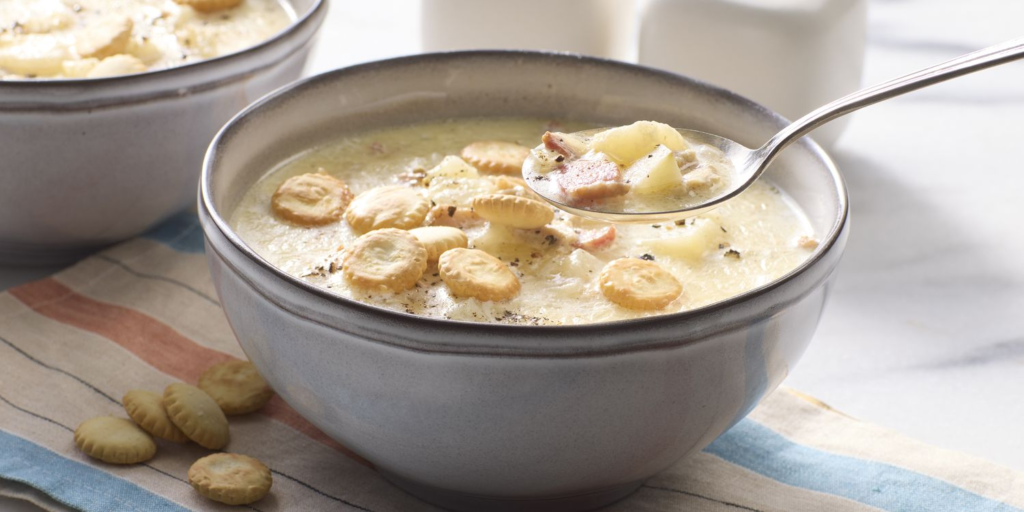
Lobster fishing, once considered a working-class food source, has become a symbol of regional pride. Lobster shacks line harbors throughout Maine, serving simple dishes that emphasize freshness—steamed lobster, lobster rolls, and chowders made from locally harvested clams.
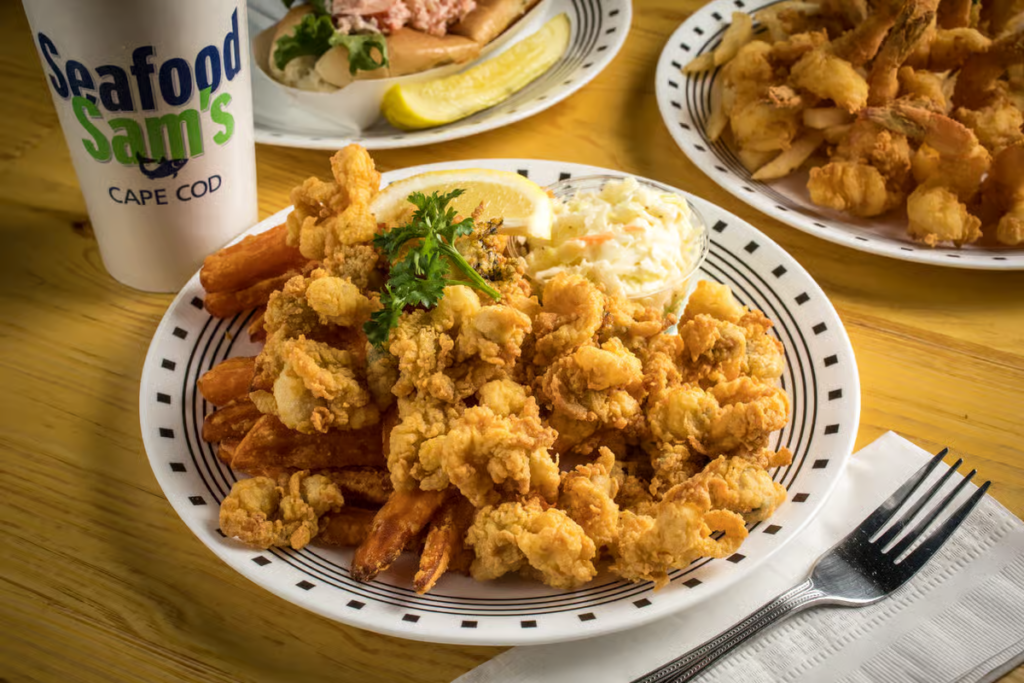
Clam shacks and seafood counters became essential community gathering places during the 20th century. Families, fishermen, and visitors all met at the same picnic tables overlooking the water.
Classic New England seafood traditions include:
- Lobster rolls served warm with butter or cold with mayonnaise
- New England clam chowder made with milk or cream
- Fried whole-belly clams
- Steamed mussels and littleneck clams
- Scallop dishes during winter harvest season
The simplicity of these dishes reflects a core principle of coastal cooking: fresh seafood needs minimal preparation.
The Mid-Atlantic: Blue Crab and Bay Culture
Moving south along the Atlantic coast brings travelers into the Chesapeake Bay region, where seafood traditions center around blue crab.
Maryland and Virginia communities developed an entire food culture around crabbing. Watermen harvest crabs from the bay using traps and trotlines, often following seasonal rhythms that have remained largely unchanged for decades.
One of the most recognizable regional dishes is the Maryland crab cake, typically made with large lumps of crab meat, minimal filler, and simple seasoning.
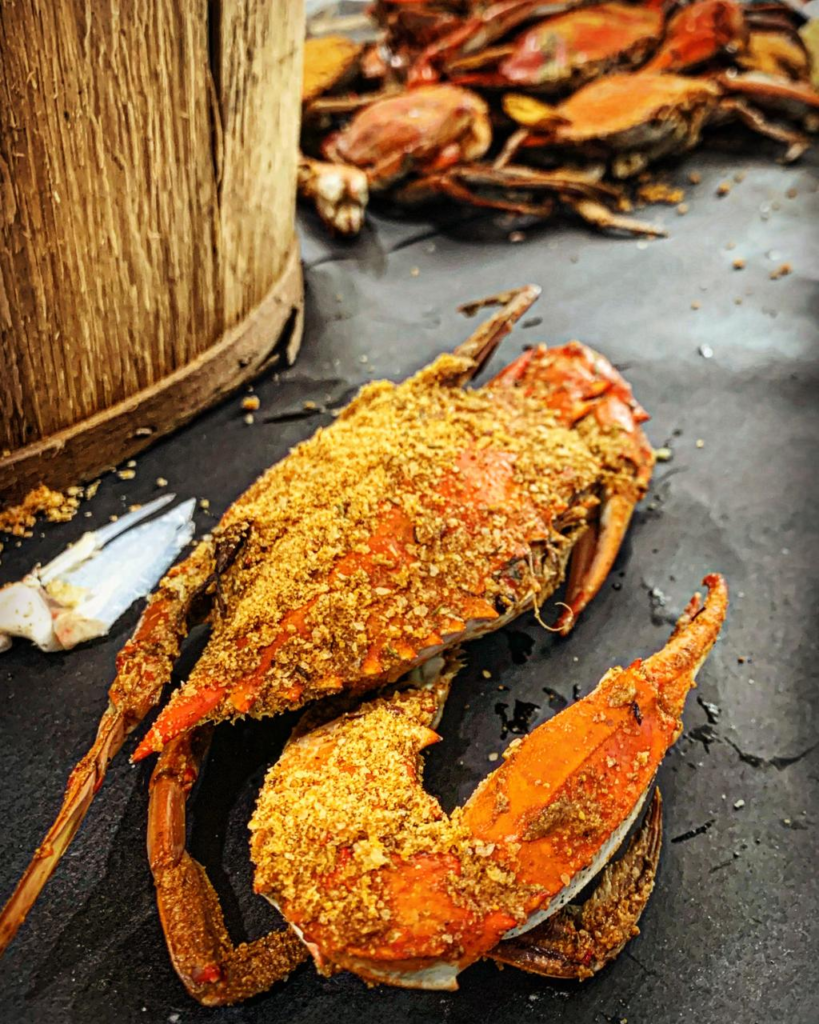
Another hallmark is the classic crab feast, where steamed blue crabs are heavily seasoned and served on newspaper-covered tables for communal eating.
Traditions tied to Chesapeake seafood culture include:
- Steaming crabs with Old Bay seasoning
- Dockside crab picking houses
- Oyster harvesting in winter months
- Waterfront crab shacks and seafood markets
These shared rituals reinforce a sense of place and continuity for local communities.
The Gulf Coast: Shrimp Boats and Creole Influence
Along the Gulf Coast—from Texas to Florida—seafood traditions blend fishing heritage with deep cultural diversity. French, Spanish, African, and Caribbean influences shaped the region’s culinary identity.
Shrimp is the defining ingredient of Gulf seafood culture. Louisiana alone produces roughly one-third of U.S. domestic shrimp, according to NOAA fisheries data.
Coastal towns developed dishes that reflect both local ingredients and multicultural heritage. Gumbo, étouffée, and seafood boils became staples of Gulf cuisine.
Popular Gulf Coast seafood traditions include:
- Crawfish boils in Louisiana
- Shrimp and grits along the Gulf and Southern coasts
- Blackened fish inspired by Cajun cooking
- Seafood gumbo combining shrimp, crab, and oysters
These dishes illustrate how coastal seafood traditions evolve through cultural exchange.
The Pacific Coast: Sustainability and Fresh Seafood Markets
The Pacific Coast—from California to Washington—offers another distinct chapter in the Coastal Flavor Trail. Here, seafood traditions emphasize freshness, sustainability, and regional agriculture.
Salmon has historically been central to the Pacific Northwest, where Indigenous communities developed sophisticated fishing techniques long before European settlement.
Today, salmon runs continue to shape the region’s culinary calendar. Restaurants and fish markets highlight seasonal catches, including wild salmon, halibut, and Dungeness crab.
Pacific seafood culture often emphasizes:
- Seasonal seafood availability
- Sustainable fishing practices
- Direct relationships between fishermen and markets
- Simple preparations such as grilling or cedar-plank roasting
Farmed oysters from Washington State and Northern California have also become internationally recognized for quality.
Why Coastal Seafood Traditions Matter to Communities
Seafood traditions are not only about food—they represent cultural continuity and local economic resilience.
In many coastal towns, fishing remains one of the few industries capable of supporting multigenerational livelihoods. Docks, fish markets, and seafood festivals create a shared sense of identity.
Community benefits include:
- Employment in fishing, processing, and hospitality
- Tourism driven by regional seafood experiences
- Preservation of traditional cooking techniques
- Support for local food systems and markets
Annual seafood festivals—from Maine lobster festivals to Gulf shrimp celebrations—demonstrate how these traditions continue to unite communities.
Sustainability and the Future of the Coastal Flavor Trail
While seafood traditions remain vibrant, they face new challenges. Climate change, overfishing, and habitat loss have affected many fisheries worldwide.
In response, coastal communities are increasingly embracing sustainable seafood practices.
Examples include:
- Rotational fishing seasons to protect species populations
- Aquaculture and shellfish farming
- Traceability systems for seafood supply chains
- Consumer education about sustainable choices
Organizations such as the Monterey Bay Aquarium Seafood Watch program help guide consumers toward responsible seafood options.
Sustainability ensures that the Coastal Flavor Trail will remain accessible to future generations.
How Travelers Can Experience the Coastal Flavor Trail
Exploring coastal seafood traditions does not require a cross-country journey. Many American coastal regions offer immersive culinary experiences.
Travelers often seek out:
- Dockside seafood markets
- Working fishing harbors
- Local seafood festivals
- Small-town seafood restaurants
- Oyster farms and aquaculture tours
Experiencing seafood close to its source often reveals how closely cuisine is tied to local ecosystems.
For many visitors, the most memorable seafood meals happen not in luxury restaurants but at modest waterfront shacks where fishermen bring in their daily catch.
Frequently Asked Questions
What is the Coastal Flavor Trail?
The Coastal Flavor Trail refers to the network of regional seafood traditions found along America’s coastlines, shaped by geography, local fisheries, and cultural history.
Why do seafood traditions vary by region?
Ocean temperature, local species, and cultural influences determine which seafood becomes central to regional cuisine.
What are the most famous American seafood regions?
New England, the Chesapeake Bay, the Gulf Coast, and the Pacific Northwest are among the most well-known seafood regions.
Is seafood an important part of coastal economies?
Yes. The U.S. seafood industry supports millions of jobs and generates billions in economic activity annually.
Why are oyster farms becoming more common?
Aquaculture helps meet seafood demand while reducing pressure on wild fisheries.
What makes Chesapeake blue crab unique?
Blue crabs thrive in brackish estuaries like the Chesapeake Bay and are prized for their sweet, delicate meat.
How does sustainability affect seafood availability?
Responsible fishing practices help maintain fish populations and ensure long-term availability.
What is the difference between wild-caught and farmed seafood?
Wild-caught seafood comes directly from natural waters, while farmed seafood is raised in controlled aquaculture environments.
Why do many coastal seafood dishes use simple recipes?
Fresh seafood often requires minimal preparation to highlight natural flavors.
How can consumers choose sustainable seafood?
Consulting seafood sustainability guides and buying from reputable markets are good starting points.
The Enduring Taste of the American Coast
Across generations, seafood has shaped coastal identities and local economies. From small harbors in Maine to oyster farms in Washington State, the Coastal Flavor Trail continues to evolve while honoring traditions that date back centuries.
These food traditions remind us that cuisine is deeply connected to place. The flavors of a region are often reflections of the waters, communities, and cultures that surround them.
As sustainable fishing and aquaculture expand, coastal communities are finding ways to preserve these traditions while adapting to modern challenges. The Coastal Flavor Trail therefore represents both history and the future of American food culture.
Key Insights From the Coastal Flavor Journey
- Seafood traditions are shaped primarily by geography and local ecosystems
- Many coastal dishes originated as practical meals for fishing communities
- Regional seafood cuisines reflect migration and cultural exchange
- The U.S. seafood industry supports millions of jobs
- Sustainable fishing practices are increasingly important for preserving coastal food traditions
- Seafood tourism plays a growing role in coastal economies