
Summary
American heritage connects citizens to shared stories, cultural traditions, and civic ideals that shaped the nation. In a time of rapid social, technological, and demographic change, preserving historical knowledge helps communities maintain identity, strengthen civic participation, and guide future decisions. Understanding and protecting the American story ensures that progress remains rooted in lessons learned across generations.
America has always been a nation in motion. Waves of immigration, technological revolutions, political shifts, and cultural transformations continually reshape the country. Yet through these changes, one stabilizing force remains: heritage.
Heritage is not just about monuments or historic buildings. It is the living narrative of a people—stories, traditions, documents, and shared values passed across generations. Preserving this heritage helps Americans understand where the country has been, why institutions exist, and how communities evolved.
In a rapidly changing society, that connection matters more than ever.
What Do We Mean by “American Heritage”?
American heritage encompasses the historical, cultural, and civic traditions that define the nation’s identity. It includes well-known national landmarks but also everyday stories preserved in towns, neighborhoods, and family histories.
Heritage exists in many forms:
- Historic sites and landmarks
- Museums and cultural institutions
- Oral histories and family records
- Indigenous and immigrant traditions
- Community celebrations and festivals
- Historical archives, letters, and documents
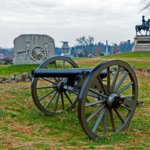
Organizations like the National Park Service oversee more than 400 protected sites across the United States, including battlefields, historic homes, and cultural landscapes. These places serve as physical reminders of pivotal moments in American history.
But heritage also lives beyond formal institutions. A small-town memorial, a preserved railroad station, or a local cultural festival can hold as much meaning for a community as a national monument.
Why Heritage Matters in a Rapidly Changing Society
Modern America is experiencing extraordinary change. Advances in artificial intelligence, demographic shifts, global connectivity, and economic transformation are reshaping how Americans live and work.
In this environment, heritage plays several critical roles.
It Provides Cultural Continuity
Heritage helps communities maintain continuity across generations. When young people learn about the history of their community, they gain context for the world around them.
For example, towns in the Midwest that preserve early industrial buildings often integrate those sites into local education programs. Students learn how railroads, manufacturing, or agriculture shaped their region.
This continuity strengthens a sense of belonging and identity.
It Strengthens Civic Understanding
American heritage also reinforces civic knowledge.
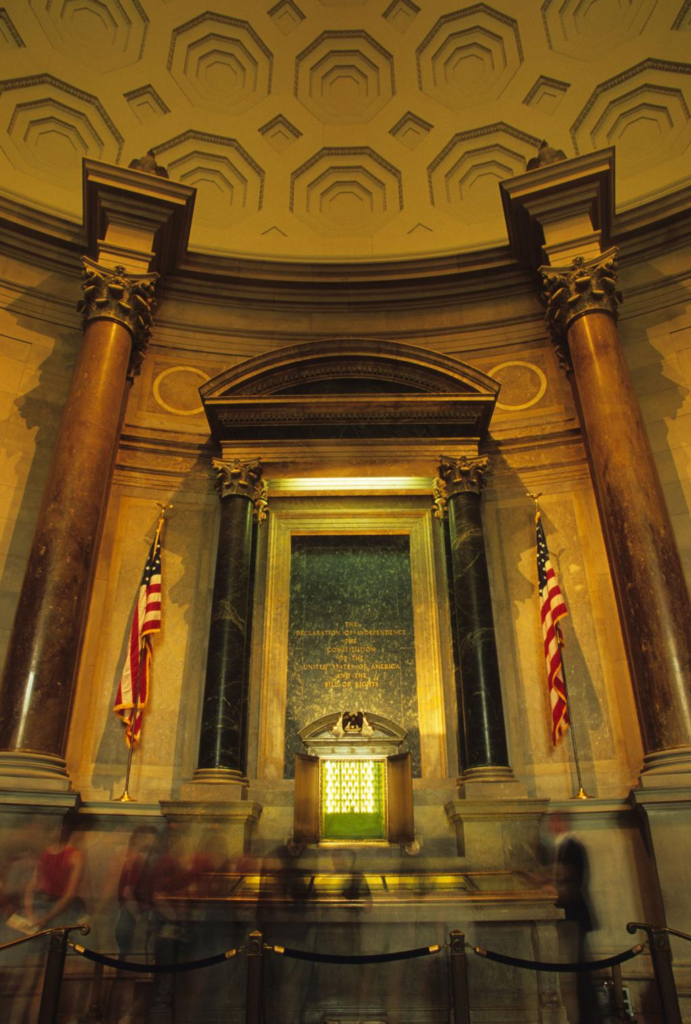
Historical sites connected to the Constitution, civil rights movements, or early democratic institutions help Americans understand how the nation’s political system developed.
According to the National Assessment of Educational Progress, only about 13% of eighth-grade students scored “proficient” in U.S. history in recent assessments. Heritage programs, museums, and local historical societies can help close that knowledge gap.
Experiencing history in real places often makes it more meaningful than reading about it in textbooks.
It Encourages Critical Reflection
Preserving heritage does not mean ignoring difficult chapters of the past. In fact, modern preservation increasingly includes confronting complex or painful histories.
Museums and heritage sites now often include perspectives from:
- Indigenous communities
- Enslaved individuals and their descendants
- Immigrant populations
- Women and minority groups historically overlooked
By acknowledging multiple perspectives, heritage becomes a tool for deeper understanding rather than nostalgia.
The Economic Value of Heritage Preservation
Beyond cultural importance, heritage preservation also generates measurable economic benefits.
Heritage tourism is one of the fastest-growing segments of the travel industry. According to the U.S. Cultural & Heritage Tourism Marketing Council, heritage travelers tend to stay longer and spend more than typical tourists.
Historic preservation also supports local economies.
Examples include:
- Revitalized historic downtown districts attracting new businesses
- Restored theaters and cultural venues drawing visitors
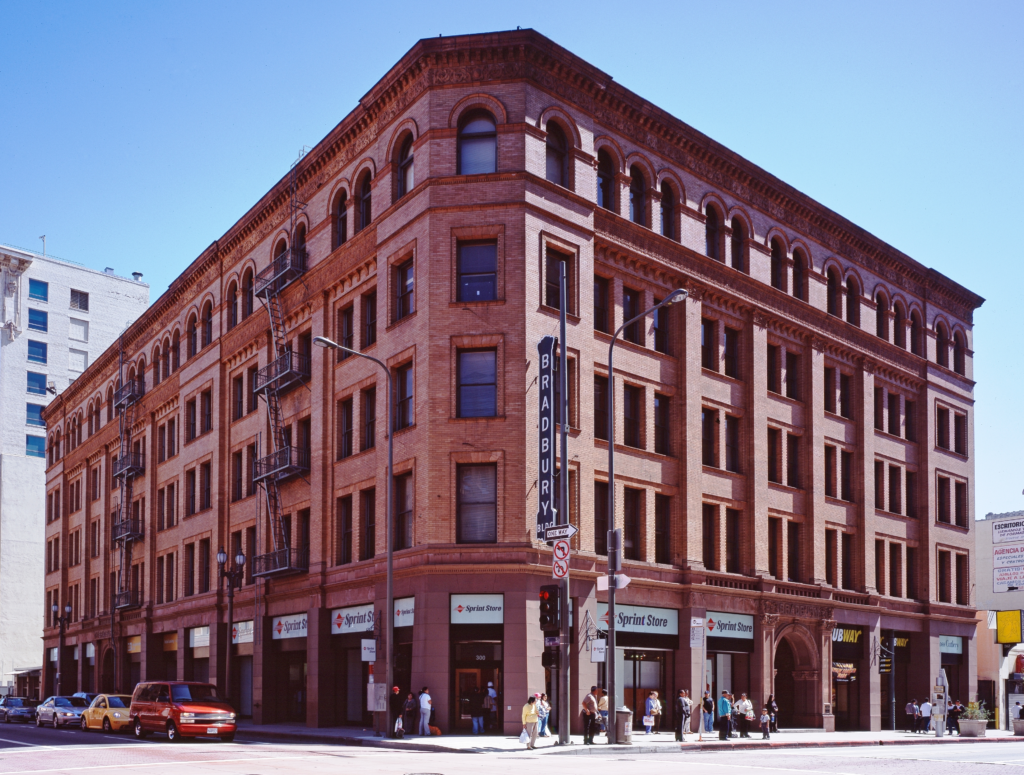
- Adaptive reuse of historic buildings into housing, offices, and restaurants
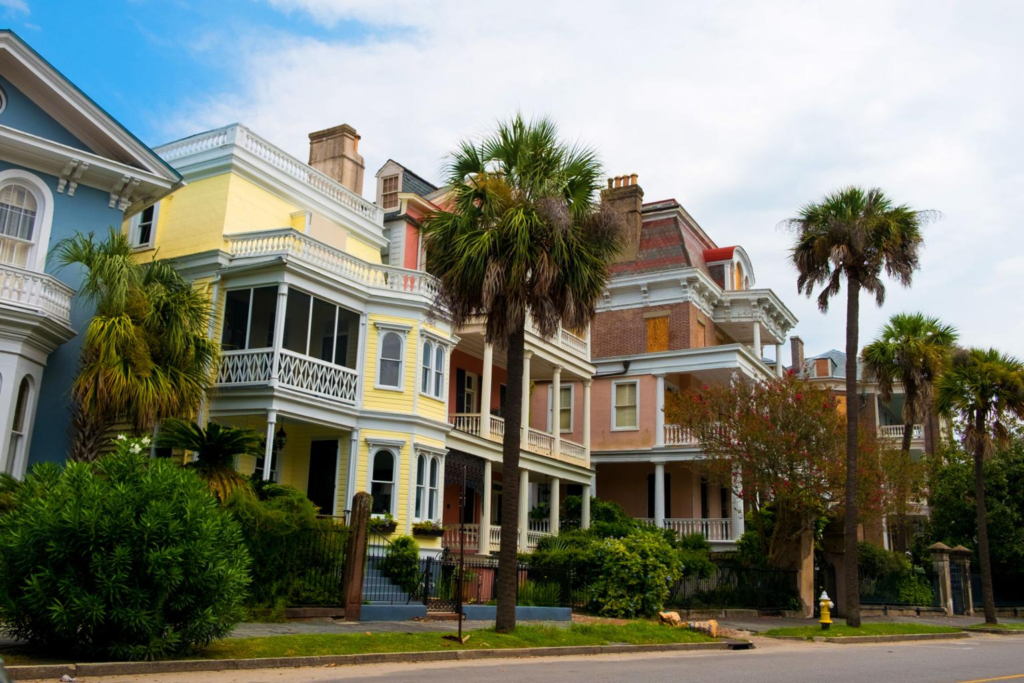
Cities such as Savannah, Georgia, and Charleston, South Carolina have demonstrated how preservation can anchor long-term economic growth.
When done thoughtfully, preserving heritage strengthens both cultural identity and economic vitality.
Local Communities Are the True Stewards of Heritage
While federal agencies manage major historic sites, much of America’s heritage preservation happens at the community level.
Local historical societies, preservation groups, and volunteer organizations often lead the work of protecting historical assets.
Common community-driven initiatives include:
- Restoring historic buildings and homes
- Digitizing local archives and newspapers
- Recording oral histories from older residents
- Organizing heritage festivals and cultural events
- Protecting historically significant neighborhoods
These efforts often begin with passionate residents who recognize the importance of preserving their community’s story.
For example, in many small American towns, volunteers maintain local museums that document everything from agricultural traditions to regional industries.
Without these grassroots efforts, countless stories would disappear.
The Role of Technology in Preserving History
Technology is transforming how heritage is preserved and shared.
Digital archives, 3D scanning, and virtual reality experiences allow historians to protect historical information even when physical artifacts deteriorate.
Many libraries and institutions are digitizing records so that researchers and citizens can access historical documents online.
Modern preservation tools include:
- Digital scanning of historic photographs and documents
- Virtual museum tours
- Interactive educational platforms
- Online genealogical databases
- Augmented reality historical tours
For example, the Library of Congress has digitized millions of historical records, making them accessible to researchers and the public worldwide.
Technology does not replace physical preservation, but it dramatically expands access.
Balancing Preservation and Progress
A common challenge in heritage preservation is balancing historical protection with modern development.
Growing cities must accommodate housing, transportation, and economic growth while respecting historic districts and cultural landscapes.
Effective preservation strategies often include:
- Adaptive reuse of historic buildings rather than demolition
- Clear zoning protections for historic districts
- Public-private partnerships for restoration projects
- Incentives such as historic tax credits
The Federal Historic Preservation Tax Incentives Program has helped rehabilitate more than 47,000 historic properties since its creation, according to the National Park Service.
These policies show that preservation and modernization do not have to conflict. When planned carefully, historic buildings can serve contemporary needs while retaining their cultural significance.
Passing the American Story to Future Generations
Perhaps the most important aspect of heritage preservation is education.
Young Americans inherit the country’s history whether they are aware of it or not. Understanding that history helps them become informed citizens capable of shaping the nation’s future.
Schools, museums, and community programs play an essential role in this process.
Practical ways heritage education occurs today include:
- Field trips to historic sites
- Local history projects in schools
- Community storytelling events
- Public history exhibits in libraries and cultural centers
- Volunteer programs at preservation sites
When students encounter history as a living narrative rather than a distant subject, it becomes more meaningful.
The American story is not static. Each generation adds new chapters.
Preserving the past ensures those chapters are written with awareness and perspective.
Frequently Asked Questions
Why is preserving American heritage important?
Preserving heritage helps Americans understand their cultural identity, learn from historical events, and maintain connections between generations. It strengthens civic knowledge and ensures that important stories and traditions are not lost.
What counts as American heritage?
American heritage includes historical landmarks, archives, traditions, cultural practices, and community histories that reflect the nation’s past.
Who is responsible for protecting historic sites?
Responsibility is shared among federal agencies, state governments, local communities, preservation organizations, and private property owners.
How does heritage preservation benefit local communities?
Preservation can boost tourism, strengthen local identity, attract investment, and revitalize historic downtown areas.
What is heritage tourism?
Heritage tourism involves traveling to places that authentically represent the history and culture of a region.
How does technology help preserve history?
Digital archives, 3D scanning, and online databases allow historians to protect and share historical information widely.
Are historic buildings protected by law?
Many historic sites are protected through national, state, or local preservation programs, though protections vary depending on location and designation.
Can modern development coexist with historic preservation?
Yes. Adaptive reuse and preservation incentives allow historic structures to serve modern purposes while maintaining their character.
How can individuals help preserve heritage?
People can support museums, volunteer with local historical societies, document family history, and advocate for preservation initiatives.
Why is local history important?
Local history helps communities understand how their region developed and fosters pride and connection among residents.
Keeping the National Narrative Alive
The American story is not only written in textbooks or preserved in national archives. It lives in neighborhoods, town squares, historic farms, and family records.
Preserving heritage does more than honor the past—it equips citizens to navigate the future with deeper understanding. When communities protect their history, they ensure that progress builds upon experience rather than forgetting it.
In a nation defined by constant change, heritage provides a steady foundation.
Key Ideas at a Glance
- American heritage includes historic sites, traditions, documents, and community stories
- Preservation strengthens civic knowledge and cultural identity
- Heritage tourism contributes to local economic development
- Local communities play a central role in protecting historical resources
- Technology is expanding access to historical archives and records
- Balanced policies allow preservation and modern development to coexist
- Education ensures the American story continues for future generations