

Summary
American heritage offers more than a historical record—it provides insight into the values, conflicts, and innovations that shaped the United States. By examining the nation’s founding ideals, cultural diversity, civic traditions, and past challenges, Americans can better understand present-day debates and future opportunities. History reveals patterns that help communities navigate change while preserving democratic principles and shared national identity.
Why American Heritage Still Matters Today
American heritage is often discussed in terms of monuments, historical sites, or national holidays. Yet its deeper value lies in the lessons embedded in the country’s collective experience. The United States has repeatedly faced moments of uncertainty—economic upheavals, social conflicts, and global challenges. Each era left behind ideas and practices that still influence national decisions today.
Understanding heritage means examining how past generations approached similar challenges. The founding generation, for example, debated the balance between liberty and government authority. Those discussions remain relevant in modern debates about federal policy, privacy, and civic responsibility.
American heritage also reflects the nation’s diversity. Indigenous traditions, immigrant communities, and regional cultures have all contributed to the country’s evolving identity. Rather than a single narrative, American history is a tapestry of experiences that together shape how Americans understand citizenship and opportunity.
In practical terms, heritage offers a framework for navigating complex questions:
- How should democratic institutions adapt to new technologies and global realities?
- What values unite Americans despite political or cultural differences?
- How can communities preserve traditions while embracing change?
Looking back at historical patterns provides context for answering these questions thoughtfully.
The Founding Principles and Their Enduring Influence
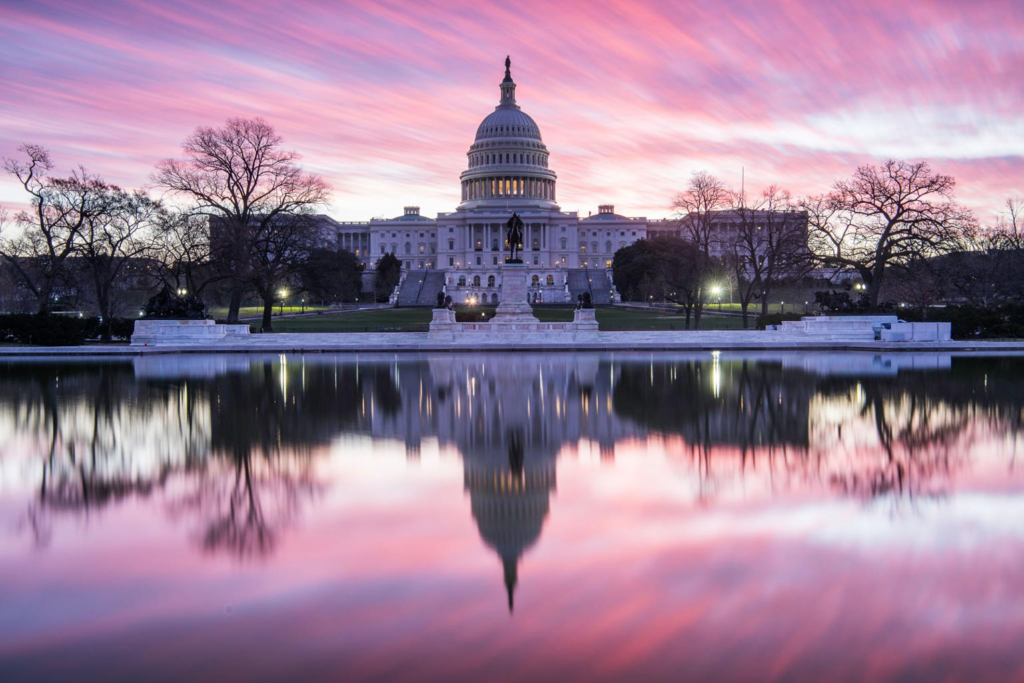
The United States was founded on a set of philosophical ideas that were revolutionary for their time. Documents such as the Declaration of Independence and the Constitution emphasized individual rights, representative government, and the rule of law.
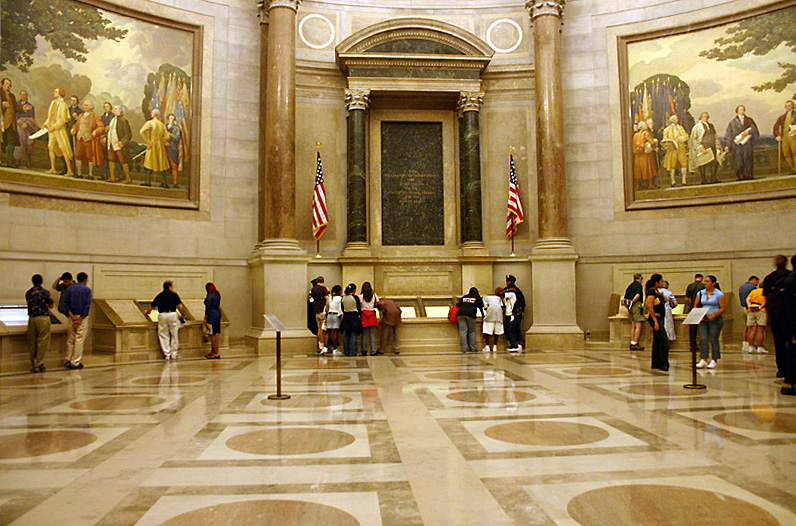
These principles continue to influence public life today. According to the National Archives, the U.S. Constitution remains the oldest written national constitution still in use. Its durability reflects the ability of its framework to adapt through amendments and interpretation.
The enduring influence of these principles can be seen in everyday aspects of American society:
- Rule of law: Courts remain a central mechanism for resolving disputes and protecting civil rights.
- Representative government: Citizens vote regularly in local, state, and national elections.
- Checks and balances: Government institutions limit each other’s power, a system designed to prevent concentrated authority.
While interpretations evolve, the underlying principles continue to guide policy debates. Issues such as free speech, religious liberty, and federal authority are often framed in terms established more than two centuries ago.
For many Americans, revisiting the founding era provides perspective on how democratic systems can remain stable while accommodating change.
Lessons from Historical Turning Points
Throughout American history, pivotal moments have reshaped the nation’s direction. These turning points often reveal how societies respond to pressure and transformation.
The Civil War, for instance, tested the survival of the Union and ultimately led to constitutional amendments abolishing slavery and expanding citizenship rights. Later, the Civil Rights Movement of the 1950s and 1960s addressed systemic inequalities and resulted in landmark legislation such as the Civil Rights Act of 1964.
Economic crises have also played defining roles. During the Great Depression, federal policies expanded significantly to stabilize financial systems and provide social support. Many programs introduced in that era still influence modern economic policy.
Key historical turning points demonstrate several patterns:
- Major reforms often follow periods of social tension or crisis.
- Public participation—through activism, journalism, and civic engagement—plays a significant role in shaping change.
- Institutions evolve gradually, even when responding to dramatic events.
These historical patterns suggest that progress in American society is rarely immediate. Instead, change often unfolds through sustained civic dialogue and institutional adjustment.
Cultural Heritage and the American Identity
American heritage is not defined solely by political history. Cultural traditions—music, literature, food, architecture, and community rituals—also shape national identity.
Consider the influence of immigrant communities. Waves of immigration throughout the 19th and 20th centuries transformed American cities and industries. According to the Migration Policy Institute, immigrants and their descendants have contributed significantly to entrepreneurship and innovation across sectors.
Cultural heritage also appears in everyday experiences:
- Regional cuisines that reflect historical migration patterns
- Local festivals celebrating cultural traditions
- Community storytelling that preserves historical memory
- Museums and historical societies documenting local heritage
These cultural expressions help individuals connect with broader national narratives. A family recipe passed down through generations, for example, may reflect migration stories that mirror larger demographic shifts.
Understanding cultural heritage reminds Americans that the nation’s identity has always been shaped by diverse influences.
Civic Traditions and the Practice of Democracy
American heritage includes longstanding civic traditions that reinforce democratic participation. Voting, community organizing, town hall meetings, and public debate all play roles in shaping public policy.
Historically, these traditions evolved alongside expanding political participation. Early American elections were limited to certain property-owning citizens, but constitutional amendments and legislation gradually broadened voting rights.
Today, civic engagement takes many forms:
- Participating in local school board meetings
- Volunteering for community organizations
- Engaging in policy discussions at the state and federal levels
- Supporting nonprofit initiatives that address community needs
Research from the Pew Research Center consistently shows that Americans remain engaged in civic activities, even as participation methods evolve through digital platforms and community networks.
Heritage reminds citizens that democracy is not solely defined by institutions—it is sustained by active participation.

What History Teaches About National Resilience
One of the most striking features of American history is the country’s capacity for adaptation. Over time, the United States has faced wars, economic disruptions, technological transformations, and public health crises.
Each period tested institutions and social cohesion. Yet many challenges also produced innovation.
For example:
- Post–World War II economic growth led to significant infrastructure development and expanded higher education through the GI Bill.
- Technological revolutions, from railroads to the internet, reshaped industries and communication.
- Public health responses, including vaccination programs, dramatically improved life expectancy during the 20th century.
These examples illustrate a recurring pattern: crises often lead to institutional reform and new opportunities for progress.
National resilience does not mean avoiding difficulty. Instead, it reflects the ability of societies to learn from experience and adjust accordingly.
How Communities Preserve and Interpret Heritage
Preserving American heritage involves both national institutions and local initiatives. Historical preservation efforts help ensure that future generations understand the experiences that shaped their communities.
Across the country, organizations work to document and interpret historical events. These include museums, historical societies, archives, and educational programs.
Common preservation efforts include:
- Restoring historic landmarks and public buildings
- Digitizing historical records and oral histories
- Supporting cultural heritage festivals
- Integrating local history into school curricula
The National Park Service, for example, manages more than 400 sites that preserve historical landscapes, monuments, and cultural heritage locations.
Local engagement is equally important. Community-driven initiatives often uncover stories that might otherwise remain overlooked, helping create a more inclusive historical narrative.
Using Historical Insight to Guide Future Decisions
While history cannot predict the future, it provides valuable perspective for policymakers, educators, and citizens. By examining past successes and mistakes, communities can make more informed decisions.
Historical awareness can influence several areas of public life:
- Education policy: Understanding past reforms helps educators design more effective systems.
- Economic planning: Lessons from past recessions guide financial regulation and policy responses.
- Social policy: Historical awareness informs debates about civil rights, healthcare, and community development.
Individuals also benefit from historical insight. Learning about earlier generations’ experiences can foster empathy, patience, and a broader understanding of societal challenges.
Rather than viewing heritage as a static record, many historians emphasize its role as a living dialogue between past and present.
Frequently Asked Questions
What does American heritage include?
American heritage encompasses the nation’s history, cultural traditions, civic practices, and shared values shaped by diverse communities over time.
Why is studying American heritage important today?
Understanding historical events and traditions helps citizens interpret current social and political developments more thoughtfully.
How does American heritage influence modern policy?
Many policy debates reference constitutional principles, historical precedents, and past reforms when shaping legislation.
What role do immigrants play in American heritage?
Immigrant communities have contributed significantly to economic development, cultural diversity, and innovation throughout U.S. history.
How is American heritage preserved?
Museums, historical societies, archives, and government institutions work to document and preserve historical artifacts and stories.
Can history help predict the future?
History cannot predict outcomes but can highlight patterns and lessons that inform decision-making.
What are examples of cultural heritage in the United States?
Examples include regional foods, music traditions, architecture, literature, and community celebrations tied to historical experiences.
How do communities participate in preserving heritage?
Communities often support local museums, restore historic buildings, document oral histories, and celebrate cultural traditions.
Why do historical debates remain relevant today?
Historical interpretations influence modern discussions about rights, governance, and national identity.
How can individuals engage with American heritage?
People can visit historical sites, read historical scholarship, participate in cultural events, and support preservation initiatives.
Charting the Future Through the Lessons of the Past
American heritage reveals that the nation’s story has never been static. Each generation interprets historical experiences in light of new realities, shaping the country’s evolving identity.
The United States has continually adapted while maintaining core principles such as democratic governance, civic participation, and individual liberty. These ideas provide continuity even as society changes.
Looking ahead, the value of heritage lies not in nostalgia but in understanding. When citizens recognize the complexity of their history—the achievements alongside the challenges—they gain a clearer sense of how to move forward thoughtfully.
By studying the past with curiosity and honesty, Americans can approach the future with greater perspective and confidence.
Key Insights at a Glance
- American heritage combines political history, cultural traditions, and civic practices.
- Founding principles such as rule of law and representative government continue to shape public life.
- Historical turning points often lead to long-term institutional reform.
- Cultural diversity has been a defining force in shaping American identity.
- Civic participation remains central to sustaining democratic institutions.
- Historical awareness helps guide policy decisions and community planning.
- Preservation efforts ensure future generations understand the nation’s past.