Summary
Across the United States, culinary traditions are preserved not just in cookbooks but in neighborhoods, farms, family kitchens, and community gatherings. The “Flavor Trail” represents the path through which recipes, ingredients, and food rituals pass from one generation to the next. Understanding how communities protect these traditions reveals how food continues to shape regional identity and cultural continuity.
The Meaning Behind the “Flavor Trail”
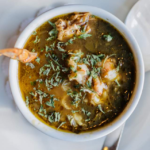
When people talk about America’s food culture, they often think about iconic dishes—New Orleans gumbo, Texas barbecue, New England clam chowder, or Chicago deep-dish pizza. Yet these dishes are only the visible markers of a deeper process: the preservation of culinary traditions within communities.
The concept of a Flavor Trail refers to the informal network of places, people, and practices that keep regional food traditions alive. It includes family kitchens where recipes are handed down, small farms cultivating heritage ingredients, neighborhood restaurants that keep classic dishes on their menus, and cultural festivals where communities celebrate their culinary roots.
Unlike commercial food trends that rise and fade quickly, culinary traditions survive because communities actively protect them. They do so through storytelling, shared meals, and everyday cooking practices that reinforce identity.
Across the United States, these traditions often reflect immigration patterns, local agriculture, and historical experiences. In many cases, preserving food traditions is also a way of preserving language, history, and community memory.
Why Culinary Traditions Matter to Communities
Food is one of the most enduring forms of cultural expression. Recipes carry history in ways that few other traditions can. A bowl of pozole in a Mexican American household, a Sunday pasta dinner in an Italian American family, or a fish fry in a Midwestern town often reflects generations of experience.
Culinary traditions also play an important economic role. According to the National Restaurant Association, restaurants contribute over $1 trillion annually to the U.S. economy, and many of the most successful establishments are built around regional culinary traditions.
Beyond economics, local food traditions strengthen community bonds. Shared dishes at church suppers, neighborhood potlucks, and cultural festivals help reinforce a sense of belonging.
Communities preserve culinary traditions because they serve several vital functions:
- They connect younger generations with their cultural heritage
- They maintain regional identity and pride
- They support local farmers and ingredient producers
- They create opportunities for cultural exchange
- They strengthen social bonds through shared meals
In many towns and cities, these traditions become part of a community’s public identity, attracting visitors interested in experiencing authentic local cuisine.
Family Kitchens: Where Traditions Begin
The most important place where culinary traditions survive is often the family kitchen. Long before a dish appears on a restaurant menu or in a cookbook, it typically exists as a family recipe.
In many households, cooking skills are passed down informally. A grandparent might teach a child how to season a stew by taste rather than measurement. Another family might gather every holiday to prepare traditional dishes together.
These moments create continuity across generations.
Consider a few common ways families preserve culinary traditions:
- Passing down handwritten recipe cards
- Cooking together during holidays and celebrations
- Sharing stories behind family dishes
- Maintaining specific ingredient choices or preparation methods
For example, many Southern families maintain recipes for biscuits, fried chicken, or collard greens that have been refined over decades. In the Northeast, clam chowder recipes often vary from family to family but maintain the core ingredients and preparation style that define the regional dish.
These traditions rarely follow strict instructions. Instead, they rely on memory, sensory cues, and repeated practice.
Local Ingredients and the Role of Regional Agriculture
Regional ingredients are one of the strongest anchors of culinary tradition. Communities develop distinctive cuisines largely because of what grows or thrives locally.
For instance:
- The Pacific Northwest is known for salmon, berries, and mushrooms
- Louisiana cuisine reflects access to seafood, rice, and spices
- The Midwest incorporates corn, wheat, and dairy products
- The Southwest features chiles, beans, and desert-adapted crops
When farmers continue growing traditional crops, they help preserve the dishes that depend on them.
Organizations such as Slow Food USA and regional agricultural networks have helped promote the protection of heritage ingredients. These efforts encourage farmers to continue cultivating traditional varieties of crops that might otherwise disappear due to industrial agriculture.
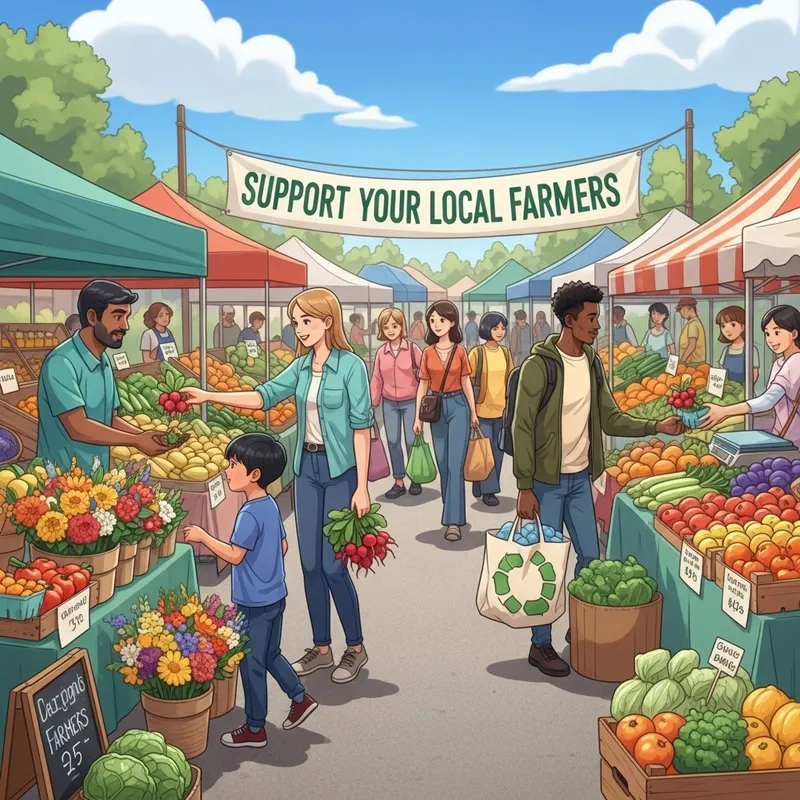
Farmers markets have also become important spaces where communities reconnect with regional ingredients. According to the USDA, the number of farmers markets in the United States grew from fewer than 2,000 in the mid-1990s to more than 8,600 markets nationwide.
These markets not only support local agriculture but also encourage home cooks and chefs to maintain traditional cooking styles based on seasonal ingredients.
Neighborhood Restaurants as Cultural Guardians
While family kitchens start the process, neighborhood restaurants often become the public face of culinary traditions.
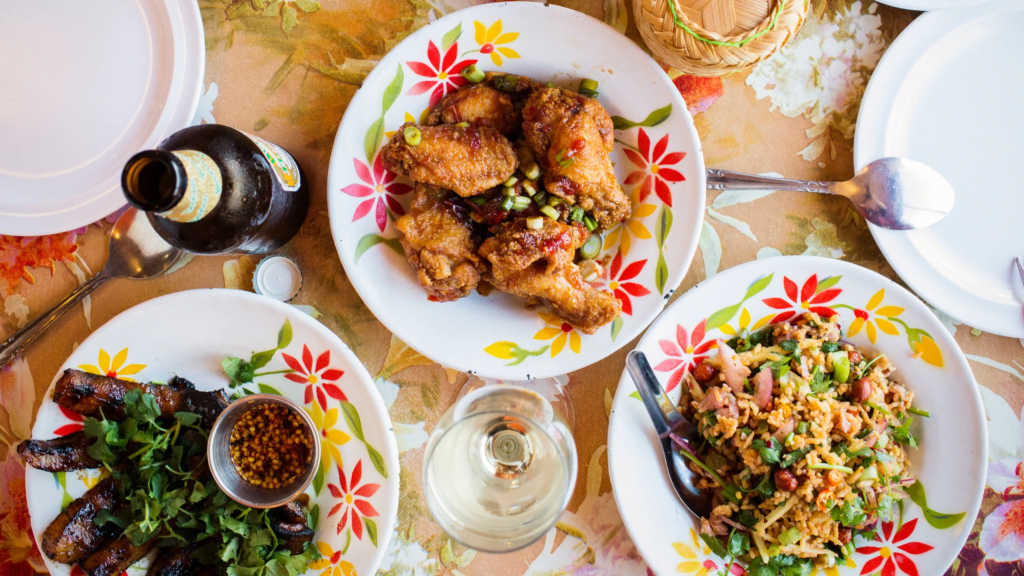
In cities across the United States, small restaurants preserve recipes that might otherwise fade away. Many of these establishments are family-owned businesses that maintain menus built around heritage dishes.
Examples include:
- Vietnamese pho restaurants that maintain traditional broth preparation techniques
- Italian bakeries producing regional pastries from specific parts of Italy
- Southern diners serving classic comfort dishes prepared with traditional methods
- Jewish delis preserving recipes for smoked fish, matzo ball soup, and rye bread
These restaurants often serve as cultural anchors within neighborhoods. Customers return not only for the food but for the sense of continuity and familiarity.
In some communities, local restaurants also become informal culinary schools. Younger cooks learn traditional recipes by working in kitchens where experienced chefs pass on techniques that are rarely written down.
Festivals and Community Events That Keep Traditions Alive
Food festivals are one of the most visible ways communities celebrate and protect culinary traditions.
Across the United States, thousands of festivals highlight regional dishes and ingredients. These events provide opportunities for people to share recipes, teach cooking techniques, and introduce younger generations to traditional foods.
Common examples include:
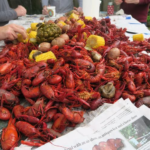
- Crawfish festivals in Louisiana
- Garlic festivals in California
- Apple harvest festivals across the Northeast
- Barbecue competitions in the South and Midwest
These events serve both cultural and educational roles. They often feature cooking demonstrations, historical presentations, and local producers who explain how traditional ingredients are grown.
Food festivals also help maintain culinary traditions by creating economic incentives. When visitors travel to experience regional food culture, local communities gain financial support that encourages them to continue preserving those traditions.
The Role of Cultural Organizations and Food Historians
In recent decades, food historians and cultural organizations have played an increasingly important role in documenting regional culinary traditions.
Universities, museums, and nonprofit groups have begun collecting oral histories from cooks and community members who possess deep knowledge of local food culture.
Examples of these efforts include:
- Regional food archives maintained by universities
- Oral history projects documenting immigrant food traditions
- Community cookbooks created by churches or neighborhood groups
- Cultural heritage programs focused on traditional farming and cooking methods
These projects help ensure that culinary knowledge does not disappear when older generations pass away.
Food historians also work to trace how dishes evolve over time. Many iconic American foods—such as chili, barbecue, and gumbo—developed through interactions between Indigenous, African, European, and immigrant cooking traditions.
Understanding this history helps communities appreciate the diverse cultural influences that shape regional cuisine.

How Younger Generations Are Rediscovering Traditional Foods
While fast food and globalized cuisine dominate many parts of modern life, younger generations are showing renewed interest in traditional cooking.
Several factors are driving this shift:
- Growing interest in sustainable agriculture
- Increased popularity of farmers markets
- Social media platforms sharing traditional recipes
- Culinary education programs focused on regional food history
Young chefs across the country are revisiting traditional dishes and adapting them to modern tastes while respecting their origins.
For example, some restaurants now highlight heritage grains, locally milled flour, or historically accurate cooking methods. Others reinterpret classic dishes using seasonal ingredients sourced from nearby farms.
Rather than replacing traditional cuisine, this approach helps keep it relevant for new audiences.

Frequently Asked Questions
What does “Flavor Trail” mean in food culture?
The Flavor Trail refers to the network of people, places, and traditions that preserve regional culinary practices within communities.
How do communities preserve traditional recipes?
Communities maintain recipes through family cooking traditions, restaurants, festivals, oral histories, and cultural organizations.
Why are regional ingredients important to culinary traditions?
Local ingredients shape the flavor and identity of regional dishes. Without them, traditional recipes often lose their defining characteristics.
Are culinary traditions disappearing in the United States?
Some traditions face challenges from globalization and industrial food systems, but many communities actively work to preserve and revitalize them.
What role do restaurants play in preserving food traditions?
Restaurants often maintain traditional recipes and cooking techniques, helping introduce heritage dishes to new generations.
How do food festivals support culinary heritage?
Food festivals celebrate traditional dishes, teach cooking methods, and create economic incentives for preserving regional cuisine.
Why are younger chefs interested in traditional foods?
Many chefs value sustainability, local ingredients, and cultural authenticity, which traditional cooking often represents.
What is a heritage ingredient?
A heritage ingredient is a traditional crop or food product that has historical importance and is often grown using traditional methods.
How can individuals support local food traditions?
People can support farmers markets, eat at locally owned restaurants, cook traditional recipes, and participate in community food events.
Are culinary traditions the same across all regions?
No. Each region develops unique traditions based on local agriculture, cultural influences, and historical experiences.
Why the Flavor Trail Continues to Matter
Culinary traditions are not static relics of the past. They are living practices that evolve as communities change.
The Flavor Trail reminds us that food is deeply connected to identity, geography, and memory. Whether preserved in family kitchens, neighborhood restaurants, or community festivals, these traditions help maintain the cultural fabric of local communities.
By supporting regional agriculture, documenting food history, and encouraging younger generations to cook traditional dishes, communities ensure that their culinary heritage continues to thrive.
In doing so, they keep the Flavor Trail alive for future generations.
Key Insights from the Flavor Trail
- Culinary traditions are preserved through families, farms, restaurants, and community events
- Regional ingredients play a major role in defining local cuisine
- Farmers markets and heritage agriculture help protect traditional foods
- Neighborhood restaurants act as cultural guardians of recipes and techniques
- Festivals and cultural organizations strengthen community engagement with food heritage