

Summary
Flavor trails—regional networks linking farms, restaurants, markets, and food producers—are transforming how Americans discover local food. By guiding visitors through authentic agricultural experiences and farm-to-table dining, these routes strengthen rural economies, support small farmers, and deepen community identity. This guide explains how flavor trails work, why they matter, and how communities successfully build them.
Understanding the Flavor Trail Concept
Across the United States, communities are rediscovering the economic and cultural power of local food systems. One of the most effective tools for connecting agriculture, tourism, and dining is the flavor trail—a curated route that highlights regional farms, specialty producers, restaurants, and food experiences.
Unlike a simple restaurant guide or farmers market list, a flavor trail is intentionally designed to showcase the full journey of food—from field to plate.
Visitors might:
- Tour a dairy farm in the morning
- Taste locally produced cheese or cider
- Have lunch at a farm-to-table restaurant
- Visit a vineyard or orchard
- End the day at a community market or food festival
This structure creates an immersive food tourism experience that benefits multiple sectors simultaneously.
According to the U.S. Department of Agriculture, local and regional food systems generated more than $20 billion in sales in 2019, reflecting strong consumer demand for locally sourced products. Flavor trails help communities capture a share of that demand by turning agriculture into a destination.

Why Flavor Trails Matter for Local Economies
Flavor trails are not just about tourism—they are economic development strategies.
Small farms often struggle with market access, pricing pressure, and seasonal income fluctuations. By linking farms with restaurants and visitor traffic, flavor trails create new revenue streams and stabilize rural economies.
Key economic benefits
- Increased direct farm sales
- Higher restaurant demand for local ingredients
- Growth in agritourism experiences
- Expanded market opportunities for small producers
- Longer visitor stays in rural regions
For example, regions that promote agritourism experiences often see measurable economic gains. A study from the University of Vermont Extension found that agritourism can increase farm income by 20–30% when integrated with hospitality partnerships.
Restaurants also benefit. When chefs feature locally sourced menus tied to a regional food trail, they gain storytelling opportunities that resonate with diners seeking authenticity.
The Farm-to-Restaurant Relationship
At the heart of every successful flavor trail is a strong partnership between farms and restaurants.
Many chefs now design menus around what is available locally rather than relying solely on large distributors. This approach improves freshness while reducing transportation costs and environmental impact.
When restaurants commit to local sourcing, several things happen:
- Farmers receive predictable purchasing agreements
- Seasonal products are showcased creatively
- Menus evolve with regional harvest cycles
- Customers gain transparency about where food comes from
For example, a chef working with a nearby vegetable farm might build rotating menu items based on weekly harvest availability. Instead of importing produce from across the country, the restaurant celebrates what grows locally.
This relationship strengthens both businesses while enhancing the visitor experience.
How Flavor Trails Strengthen Community Identity
Food has always been a powerful expression of regional culture.
Flavor trails help communities define and celebrate their agricultural heritage. Whether it’s maple syrup in Vermont, peaches in Georgia, oysters along the Gulf Coast, or wine in California, these trails highlight what makes each region unique.
Community pride grows when residents see their farms and local food traditions recognized.
Flavor trails often incorporate:
- Historic farms
- Heritage recipes
- family-owned food businesses
- cultural food traditions
- seasonal festivals and harvest celebrations
These elements turn local food into a shared narrative. Visitors learn not only what people eat in a region—but why those foods matter.
Agritourism: Turning Farms Into Destinations
A key element of flavor trails is agritourism, which invites visitors onto farms for educational and recreational experiences.
Agritourism bridges the gap between consumers and agriculture, helping people understand how food is grown while supporting farm revenue.
Popular agritourism experiences include:
- Farm tours and tastings
- Pick-your-own fruit orchards
- Vineyard experiences
- Cheese-making demonstrations
- Farm dinners and seasonal events
According to the USDA Economic Research Service, agritourism income has grown steadily over the past decade as consumers seek experiential travel.
Flavor trails package these experiences into a cohesive itinerary, making it easier for visitors to explore multiple farms in a single trip.
Examples of Successful Flavor Trails in the United States
Several regions have developed well-known flavor trails that illustrate how the model works.
Vermont Cheese Trail
Vermont’s artisan cheese industry has built a tourism ecosystem around farmstead creameries. Visitors can follow mapped routes that connect cheese producers, dairies, and restaurants serving local cheese boards.
North Carolina Barbecue Trail
North Carolina promotes regional barbecue traditions through a culinary trail that connects historic smokehouses, pitmasters, and local farms supplying pork.
Sonoma County Farm Trails (California)
This network highlights farms, wineries, orchards, and farm-to-table restaurants. Seasonal events like farm open houses attract thousands of visitors each year.
These examples show how flavor trails blend agriculture, dining, and tourism into a unified regional brand.
How Communities Build a Flavor Trail
Creating a successful flavor trail requires planning, collaboration, and consistent storytelling.
Communities typically begin with an inventory of local food assets.
Steps to building a flavor trail
- Identify farms, food producers, and restaurants interested in participating
- Develop a clear geographic route or regional map
- Establish quality standards for participating businesses
- Create marketing materials and digital guides
- Coordinate seasonal events and promotions
- Engage local tourism boards and chambers of commerce
Many regions also develop online maps or mobile apps that allow travelers to navigate the trail easily.
The most effective trails emphasize authenticity rather than scale. Even a small cluster of farms and restaurants can create a meaningful visitor experience.
What Visitors Gain From Flavor Trails
For travelers, flavor trails provide something many modern tourism experiences lack: connection.
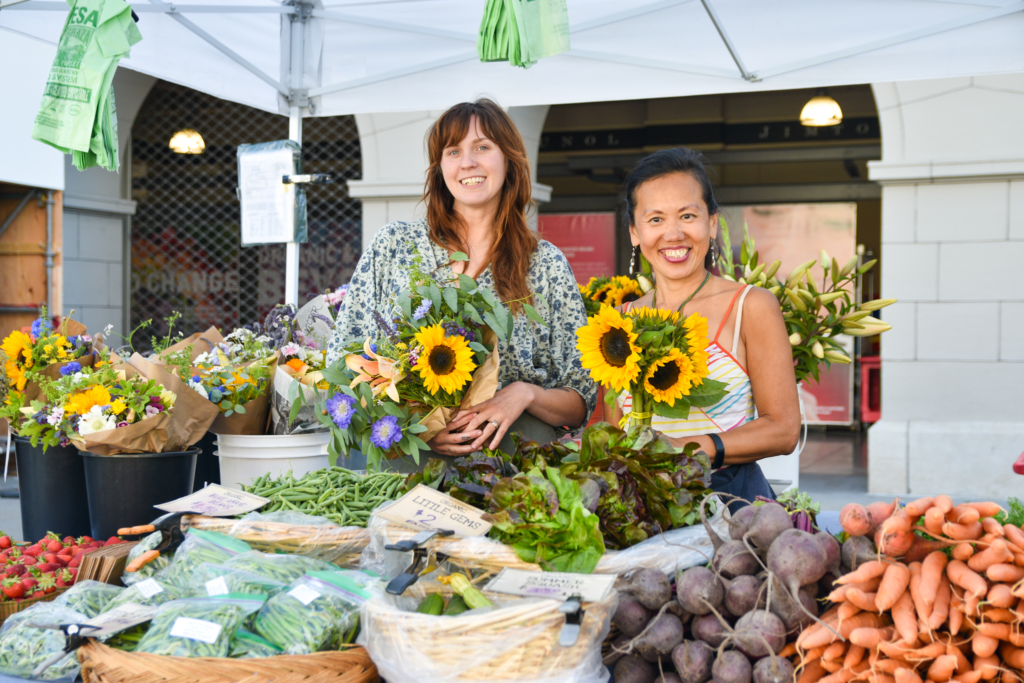
Instead of anonymous dining or chain restaurants, visitors meet farmers, hear stories about the land, and taste food at its source.
Common visitor motivations include:
- Discovering regional food culture
- Supporting local farmers
- Learning about sustainable agriculture
- Enjoying scenic rural travel routes
- Experiencing farm-fresh ingredients
These experiences often lead to repeat visits, stronger community ties, and increased support for local food systems.
Sustainability and Environmental Benefits
Flavor trails also support environmental sustainability by shortening supply chains.
When food travels shorter distances from farm to table, it can reduce transportation emissions and packaging waste.
Additional environmental benefits include:
- Encouraging seasonal eating
- Supporting diversified farming
- Preserving farmland through profitable agriculture
- Promoting responsible land stewardship
Many farms participating in flavor trails adopt sustainable or regenerative practices that become part of the trail’s educational message.
Challenges Communities Must Navigate
Despite their benefits, flavor trails require ongoing coordination and commitment.
Common challenges include:
- Limited marketing budgets
- Seasonal fluctuations in visitor traffic
- Coordination among independent businesses
- Transportation access in rural areas
- Maintaining consistent quality standards
Successful trails address these challenges through cooperative marketing groups, nonprofit partnerships, and tourism board support.
Long-term sustainability depends on maintaining trust among participating farms, restaurants, and communities.
Frequently Asked Questions
What is a flavor trail?
A flavor trail is a mapped route that connects local farms, food producers, restaurants, and markets, allowing visitors to explore a region’s agricultural and culinary culture.
How do flavor trails support local farmers?
They increase direct farm sales, attract agritourism visitors, and connect farmers with restaurants seeking local ingredients.
Are flavor trails the same as food festivals?
No. Food festivals are temporary events, while flavor trails are ongoing travel routes available year-round.
Who typically organizes a flavor trail?
They are often organized by tourism boards, agricultural organizations, local nonprofits, or regional food alliances.
Do visitors need reservations for flavor trail stops?
Many farms and restaurants encourage reservations, especially for tours, tastings, or farm dinners.
Are flavor trails family-friendly?
Most are. Many farms offer educational activities, pick-your-own produce, and interactive experiences suitable for families.
How do restaurants participate in a flavor trail?
Restaurants usually commit to sourcing local ingredients and highlighting regional products on their menus.
Are flavor trails only in rural areas?
While most are rural, some urban regions connect nearby farms with city restaurants and markets.
Can small communities create flavor trails?
Yes. Even a small cluster of farms and food producers can form the foundation of a local flavor trail.
How can travelers find flavor trails?
Many state tourism websites and agricultural organizations publish maps and guides to regional food trails.
When a Region Tells Its Story Through Food
Flavor trails demonstrate that food is more than nourishment—it is infrastructure for community connection. By linking farms, restaurants, and travelers, these trails strengthen regional economies while preserving agricultural traditions. Communities that invest in collaborative food networks not only attract visitors but also build resilient local food systems for the future.
Key Insights at a Glance
- Flavor trails connect farms, restaurants, and food producers into travel routes
- They generate revenue through agritourism and culinary tourism
- Restaurants gain access to fresher, locally sourced ingredients
- Small farms benefit from direct sales and visitor engagement
- Communities strengthen cultural identity through regional food traditions
- Environmental benefits arise from shorter supply chains
- Collaboration between farmers, chefs, and tourism groups is essential