
Summary
Country trails across rural America reveal far more than scenic walking routes. They trace the geography, agriculture, history, and traditions that shaped local communities. From old rail corridors to cattle paths and forest routes, these trails provide a living record of how landscapes and people evolved together—offering modern travelers a deeper understanding of rural heritage, ecosystems, and local culture.
Why Country Trails Matter in Rural America
Across the United States, rural trail networks are more than recreational amenities. They are physical pathways through landscapes shaped by farming, settlement, migration, and environmental change. Walking or biking along these routes often reveals how natural geography and human activity have interacted for centuries.
Many trails follow historical corridors: Native American trading routes, pioneer wagon paths, logging roads, irrigation ditches, or abandoned railways converted through the national Rails-to-Trails movement. These paths reflect how people navigated rivers, mountains, forests, and plains long before modern highways existed.
Today, country trails provide an accessible way to experience rural landscapes while preserving the stories embedded in them. According to the Rails-to-Trails Conservancy, the United States now has more than 41,000 miles of multi-use trails, many located in small towns and agricultural regions.
For travelers and residents alike, these trails offer a unique combination of:
- Outdoor recreation
- Cultural heritage
- Environmental education
- Economic support for rural communities
Rather than simply moving through nature, visitors move through living history.
Trails as Windows Into Natural Landscapes
The most immediate story country trails tell is about the land itself. Rural trails often traverse ecosystems that reveal how geography shaped settlement patterns and agriculture.
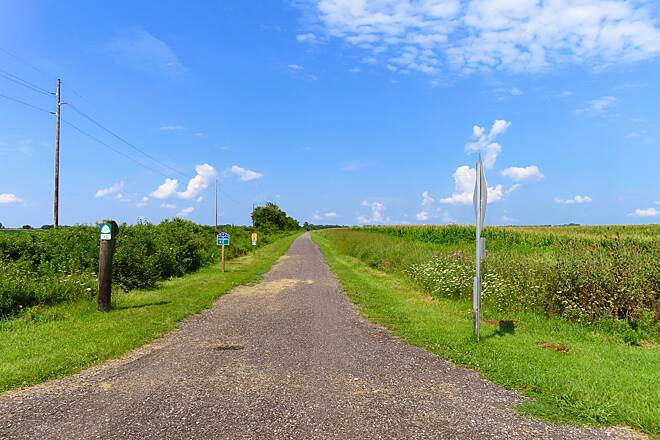
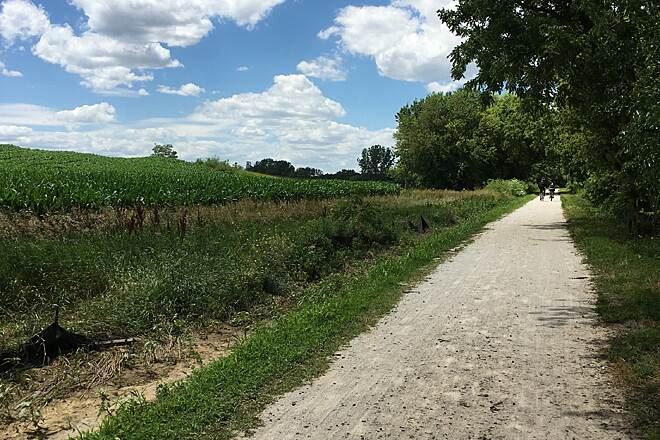
In the Midwest, for example, long straight trails frequently follow former rail lines that cut across open farmland. These routes expose visitors to the scale of American agriculture: cornfields stretching to the horizon, grain elevators marking distant towns, and irrigation systems sustaining crops.
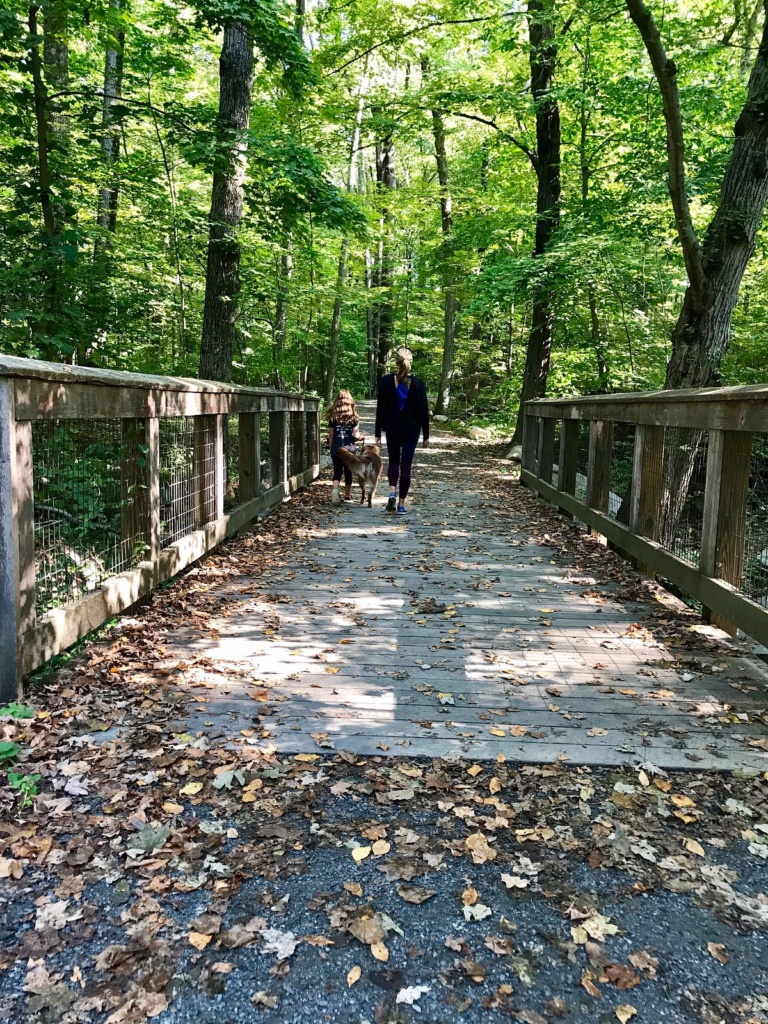
In the Appalachian region, trails wind through dense hardwood forests where narrow valleys once supported logging and coal mining communities. The terrain itself explains why towns developed where they did—usually along rivers or rail corridors.
Environmental diversity becomes especially clear on foot or by bicycle. A single trail might pass through:
- Wetlands supporting migratory birds
- Oak savannas and prairie remnants
- River floodplains
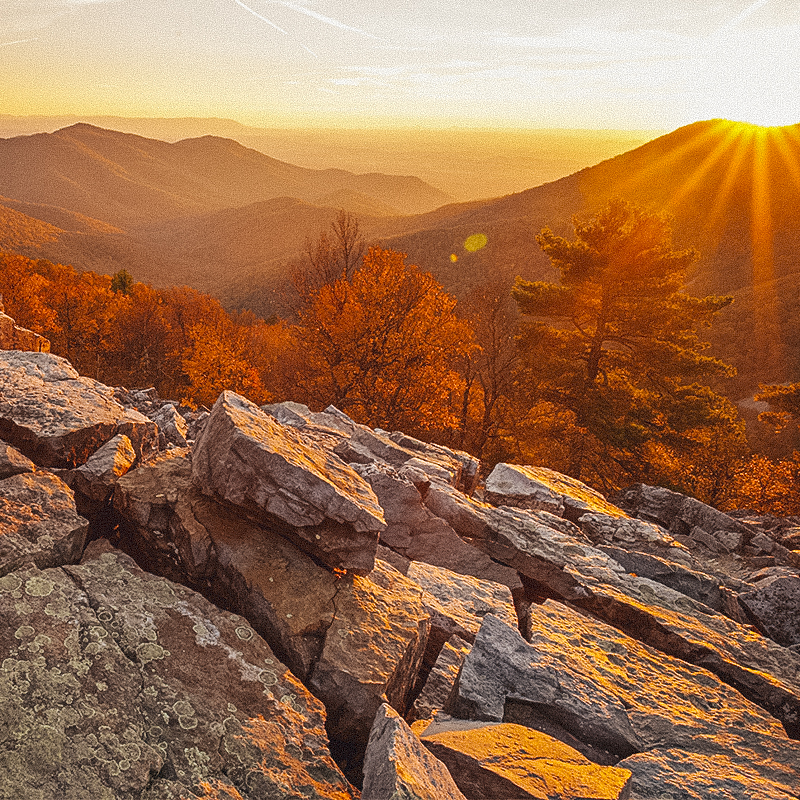
- Mountain ridges and forested slopes
Because trails slow down travel, they allow visitors to notice these subtle ecological transitions.
The U.S. Forest Service notes that trails in national forests alone receive over 150 million visits annually, demonstrating how these landscapes continue to shape Americans’ relationship with nature.
The Cultural History Embedded in Rural Trails
Beyond natural features, many country trails trace the cultural evolution of rural communities.
Before modern infrastructure, trails connected farms, markets, churches, schools, and neighboring towns. These routes became essential economic lifelines.
For example:
- Old cattle drives in the West left pathways that later became ranch roads and eventually hiking trails.
- Canal towpaths in the Northeast now serve as multi-use trails where mules once pulled freight boats.
- Former logging roads in the Pacific Northwest provide access to forests that powered early timber economies.
These trails tell stories of labor, migration, and survival. They reveal how communities adapted to their environments and built local economies around natural resources.
Small-town historical markers along many trails highlight events such as:
- Indigenous trade networks
- Pioneer settlement routes
- Civil War troop movements
- Agricultural development
- Early transportation infrastructure
For travelers willing to read the landscape, trails become outdoor history museums.
Agricultural Landscapes and Everyday Rural Life
One of the most distinctive features of country trails is their close connection to working landscapes. Unlike urban parks, rural trails often pass directly through farmland, ranches, and small agricultural communities.
This proximity offers visitors a rare chance to observe the rhythms of rural life.
Along a trail in Iowa or Nebraska, cyclists may ride past combines harvesting corn, barns storing hay, or roadside stands selling sweet corn and peaches. In Vermont or Wisconsin, trails often run past dairy farms where grazing cows shape the pastoral scenery.
Agriculture defines much of rural America’s visual identity. Trails allow people to see how farms function within broader ecosystems:
- Fields rotated between crops to maintain soil health
- Windbreaks planted to protect farmland
- Irrigation canals distributing water across arid regions
- Livestock pastures integrated with wildlife habitat
These landscapes reflect generations of local knowledge about soil, climate, and land management.
For rural communities, trails also create opportunities to connect visitors with local food and traditions.
Economic Revitalization Through Trail Tourism
Country trails have become powerful tools for rural economic development. Many small towns that once depended on manufacturing, mining, or rail transportation now attract visitors through trail-based tourism.
When rail corridors were abandoned in the late 20th century, communities began converting them into recreational trails. The results have been significant.
A well-known example is the Great Allegheny Passage, a 150-mile trail linking Pittsburgh to Maryland. Towns along the route have seen new businesses emerge—bike shops, cafés, bed-and-breakfasts, and shuttle services catering to trail users.
Economic studies show that trail systems can generate millions of dollars annually for local economies. Visitors spend money on:
- Lodging
- Food and restaurants
- Outdoor gear
- Transportation services
- Local attractions
In rural regions where job opportunities may be limited, trails provide a sustainable tourism model that preserves natural landscapes rather than replacing them.
Community Identity and Local Pride
Trails often become central to community identity. Many are maintained by local volunteers, conservation groups, and small-town governments that see trails as a shared public resource.
Community involvement might include:
- Trail clean-up days
- Historical signage projects
- Wildlife habitat restoration
- Local festivals and cycling events
These efforts build a sense of ownership and pride.
In many towns, trails connect schools, parks, and downtown areas, allowing residents to walk or bike instead of driving. They become daily gathering places where neighbors meet, families exercise, and children explore nature.
Over time, trails shape how communities see themselves—not just as rural places, but as gateways to outdoor experiences.
Wildlife Corridors and Conservation Value
Country trails often double as informal wildlife corridors. Because many follow rivers, ridgelines, or preserved land, they create protected pathways for animals and native plants.
When designed responsibly, trails can support conservation by encouraging land preservation while minimizing environmental disruption.
Ecologists note that trails can help maintain:
- Pollinator habitats along prairie edges
- Riparian ecosystems along rivers and creeks
- Forest corridors used by migrating wildlife
- Native plant restoration areas
Many rural trail projects now incorporate environmental education signs explaining local ecosystems and conservation efforts.
For visitors, this transforms a simple walk into a deeper learning experience about biodiversity and land stewardship.
Experiencing Rural America at a Human Pace
Modern travel often happens at highway speeds, making it difficult to appreciate the landscapes between major destinations. Country trails offer a completely different experience.
Walking or cycling allows people to engage with rural environments slowly and intentionally. Travelers notice details they might otherwise miss:
- The sound of wind across prairie grass
- Seasonal wildflowers along fence lines
- Local farm architecture
- Small-town cafés and historic depots
This slower pace encourages deeper connection with place.
Many long-distance trail travelers describe their journeys as cultural experiences as much as outdoor adventures. Conversations with farmers, shop owners, and fellow travelers often become highlights of the trip.
How Travelers Can Explore Rural Trails Responsibly
For visitors interested in experiencing country trails, responsible travel helps protect both landscapes and local communities.
Key considerations include:
- Respect private land. Many trails pass near working farms.
- Support local businesses. Small purchases can significantly impact rural economies.
- Follow Leave No Trace principles.
- Stay on designated paths to avoid damaging crops or habitats.
- Learn local history through visitor centers or trail signage.
Planning ahead also helps travelers discover unique trail systems beyond well-known national parks.
Organizations like state trail associations and regional tourism boards provide detailed maps and guides for rural trail networks.
FAQ: Country Trails and Rural America
1. What defines a country trail?
A country trail typically refers to a recreational path located in rural or agricultural regions, often following historic routes such as rail lines, farm roads, or river corridors.
2. Are rural trails suitable for beginners?
Many are relatively flat, especially rail-to-trail conversions, making them ideal for walking, biking, and family outings.
3. How do trails benefit rural communities?
They attract tourism, support small businesses, preserve land, and encourage outdoor recreation for residents.
4. What types of landscapes do rural trails pass through?
They may cross farmland, forests, wetlands, mountains, prairies, and river valleys.
5. Are country trails historically significant?
Yes. Many follow routes used for trade, transportation, logging, cattle drives, or early railroads.
6. Do rural trails support wildlife conservation?
When designed properly, trails help preserve natural corridors and educate visitors about local ecosystems.
7. Can travelers complete long-distance trips on rural trails?
Yes. Some networks stretch hundreds of miles and connect multiple states.
8. What should visitors bring when exploring rural trails?
Water, navigation tools, sun protection, and awareness of local weather conditions are essential.
9. Are these trails open year-round?
Many are, although weather and seasonal conditions may affect accessibility.
10. How can travelers find rural trails near them?
State park systems, trail conservancies, and tourism boards often publish online maps and trail directories.
Paths That Carry the Memory of the Land
Country trails reveal the intertwined story of land and people across rural America. They follow rivers that guided early settlements, cross farmland shaped by generations of agriculture, and connect communities that continue to adapt to changing economic realities.
For travelers, these trails offer more than scenic routes. They provide insight into how geography, culture, and history shaped the American countryside—and how those stories continue to unfold today.
Key Insights From America’s Rural Trail Networks
- Country trails often follow historic transportation corridors such as railways, canals, and wagon routes.
- Rural trails reveal diverse ecosystems including prairies, forests, wetlands, and river valleys.
- Agricultural landscapes are central to the visual and cultural identity of many trails.
- Trail tourism can revitalize small-town economies and support local businesses.
- Community involvement plays a major role in maintaining and preserving trail systems.
- Trails also contribute to wildlife conservation and environmental education.
- Exploring rural trails offers travelers a slower, more immersive way to experience the American landscape.