
Summary
America’s heritage continues to shape modern life through its founding ideals, cultural diversity, democratic institutions, and historical experiences. From constitutional rights to community traditions, the nation’s past influences politics, education, culture, and civic identity today. Understanding these connections helps Americans make sense of current challenges while preserving the values and lessons that have guided the country for generations.
Understanding the Meaning of American Heritage
American heritage is not limited to monuments, museums, or textbooks. It represents the collective story of the United States—its founding principles, cultural traditions, historical struggles, and social progress. The country’s past influences everyday decisions, political debates, and cultural norms in ways many people may not immediately recognize.
The United States was shaped by a combination of ideals and lived experiences: the pursuit of liberty, waves of immigration, territorial expansion, technological innovation, and the long effort to expand civil rights. Each era left behind institutions, traditions, and lessons that continue to affect modern society.
For example, the Declaration of Independence’s emphasis on equality and natural rights still frames discussions about voting rights, freedom of speech, and social justice. Similarly, constitutional checks and balances continue to guide how government functions at federal, state, and local levels.
In practical terms, American heritage helps answer questions such as:
- Why certain freedoms are strongly protected
- Why civic participation remains a core expectation
- Why cultural diversity is considered a defining national strength
Understanding this historical foundation provides context for many aspects of daily life in the United States.
The Founding Ideals That Still Guide American Life
The nation’s early documents—particularly the Constitution and the Bill of Rights—established a framework that still shapes governance and civil liberties today.
These foundational ideas emerged from Enlightenment philosophy and the experiences of the American Revolution. Concepts such as limited government, individual liberty, and representation through elected officials were central to the country’s formation.
More than two centuries later, these principles remain embedded in American institutions.
Examples of founding ideals that still influence modern life include:
- Freedom of speech and religion shaping public debate and cultural expression
- Checks and balances guiding the relationship between Congress, the presidency, and the courts
- Federalism, which divides power between national and state governments
- The rule of law, ensuring laws apply equally to citizens and leaders
These principles frequently appear in Supreme Court decisions, legislative debates, and civic education.
According to the National Constitution Center, the U.S. Constitution remains the world’s longest-serving written national constitution still in use today. Its continued relevance illustrates how deeply the country’s founding framework shapes modern governance.
Immigration and Cultural Diversity: A Living Heritage
American heritage is also defined by its diversity. Over centuries, people from Europe, Africa, Asia, Latin America, and the Middle East contributed to the nation’s culture, economy, and identity.
The United States has often been described as a “nation of immigrants.” The Pew Research Center estimates that immigrants and their children make up more than a quarter of the U.S. population today. Their influence appears in food, music, language, entrepreneurship, and local traditions.
In many cities, historical immigrant communities continue to shape daily life:
- Italian traditions influence festivals and cuisine in cities like Boston and New York
- Mexican heritage is deeply woven into the culture of states such as Texas and California
- Chinese and Vietnamese communities have shaped local economies and culinary traditions across the West Coast
These cultural influences reflect how American heritage evolves rather than remaining static.
Heritage celebrations such as Juneteenth, Hispanic Heritage Month, and Asian American and Pacific Islander Heritage Month demonstrate how the nation increasingly recognizes the diverse contributions that built modern America.
How Historical Events Continue to Influence Modern Society
Major events in American history created lasting effects that still shape policy, culture, and public debate.
The Civil War, for example, fundamentally transformed the nation’s understanding of equality and federal authority. The abolition of slavery and the adoption of the 13th, 14th, and 15th Amendments established legal foundations for civil rights protections that continue to be debated today.
Similarly, the Civil Rights Movement of the 1950s and 1960s produced landmark legislation such as the Civil Rights Act of 1964 and the Voting Rights Act of 1965. These laws reshaped American society by strengthening protections against discrimination.
Other historical milestones also left lasting influences:
- The New Deal (1930s) expanded the federal government’s role in economic stability
- World War II accelerated industrial growth and reshaped America’s global leadership
- The Cold War era influenced defense policy, technology investment, and international alliances
Understanding these historical moments helps explain why certain institutions and policies exist today.
The Role of Landmarks, Museums, and National Parks
Physical places play a powerful role in preserving the nation’s heritage. Historical landmarks, museums, and national parks help Americans engage directly with the past.
The National Park Service, established in 1916, now manages more than 420 protected sites, including national parks, battlefields, monuments, and historical homes. These locations attract hundreds of millions of visitors each year.
Examples of sites that connect Americans to their history include:
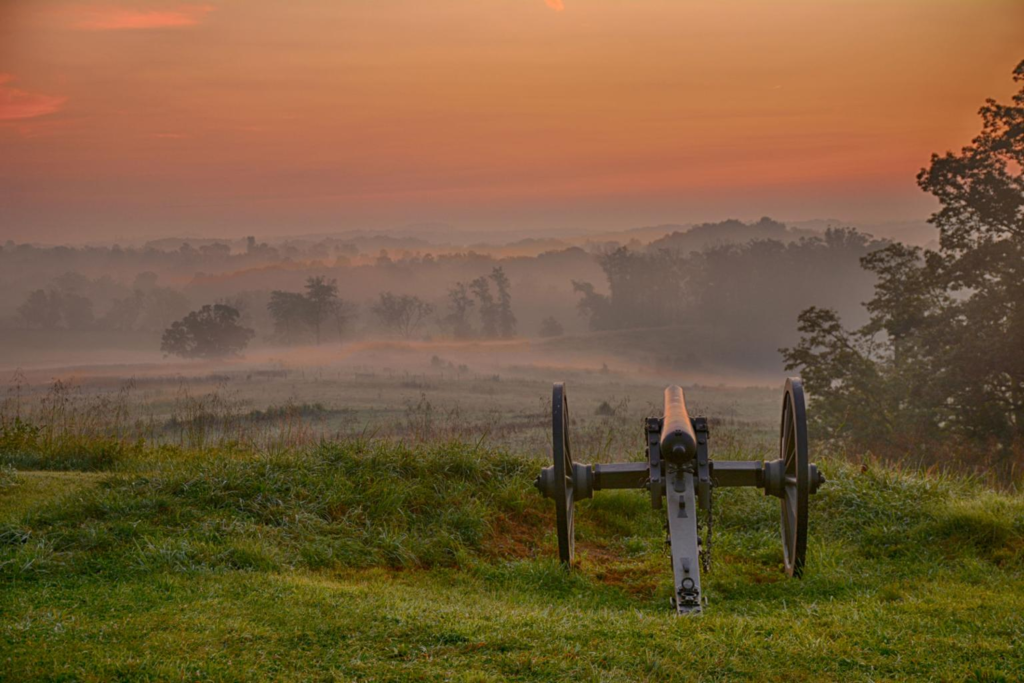
- Gettysburg National Military Park – preserving a pivotal Civil War battlefield
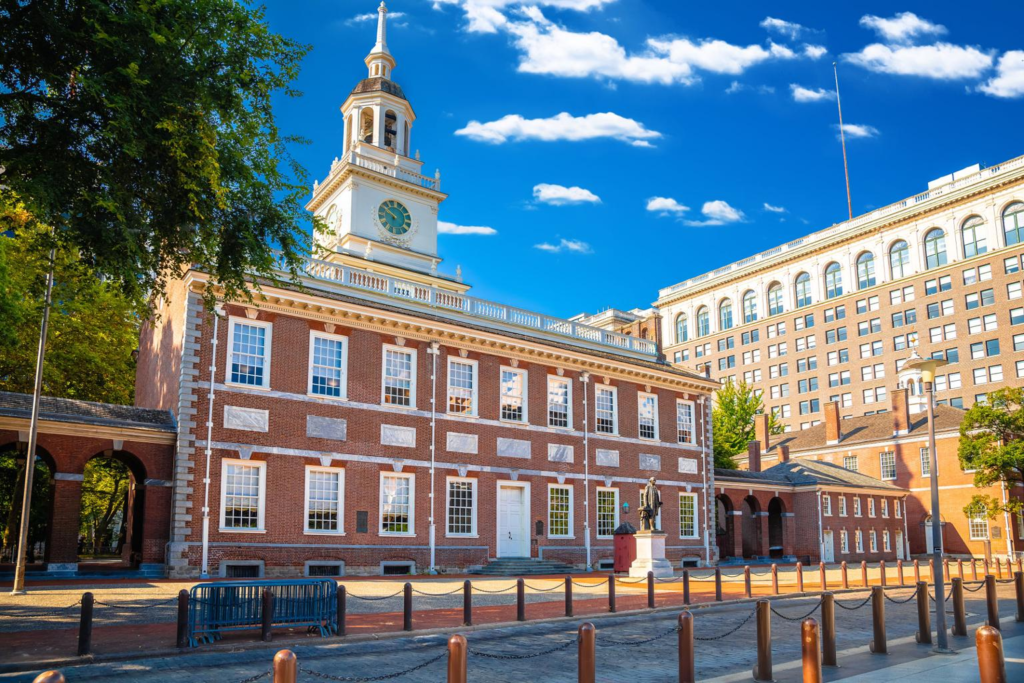
- Independence Hall in Philadelphia – where the Declaration of Independence and Constitution were debated
- Ellis Island Immigration Museum – documenting the experiences of millions of immigrants
- The Martin Luther King Jr. National Historical Park – honoring civil rights leadership
Visiting these sites offers more than historical information. It allows people to experience the environments where significant events occurred, strengthening personal connections to national history.
Education and the Transmission of Heritage
Schools and universities play a major role in preserving and interpreting American heritage. History education helps younger generations understand the origins of the institutions and values they experience today.
American history curricula typically cover several major themes:
- The founding era and constitutional development
- Westward expansion and industrialization
- Civil War and Reconstruction
- Civil rights movements and social change
- America’s role in global affairs
Beyond classrooms, historical knowledge is also transmitted through documentaries, historical novels, podcasts, and public commemorations.
Museums and archives increasingly use digital tools to make historical records more accessible. For example, the Library of Congress provides millions of digitized documents and photographs that allow researchers and the public to explore American history in detail.
These resources help ensure that the nation’s heritage remains accessible in a rapidly changing digital era.
Why Americans Continue to Debate Their History
American heritage is not always interpreted the same way by everyone. Debates about historical interpretation are common and often reflect evolving social values.
Questions frequently discussed include:
- How should historical figures be remembered?
- Which events should receive more attention in education?
- How should difficult chapters such as slavery or displacement of Indigenous peoples be addressed?
These discussions can be challenging, but they are also part of a democratic society examining its own history.
Historians often emphasize that understanding the past requires acknowledging both achievements and failures. This balanced approach helps create a fuller and more accurate picture of the nation’s development.
How Heritage Shapes Everyday American Identity
Many aspects of daily American life reflect historical traditions that developed over generations.
Examples include:
- National holidays such as Independence Day and Memorial Day
- Civic rituals like voting and jury duty
- Community traditions including parades, town halls, and local festivals
Even popular culture reflects historical influences. Films, literature, and music often draw inspiration from historical events or cultural traditions rooted in earlier generations.
Local heritage also plays an important role. Many communities maintain historical societies, preservation projects, and cultural festivals that highlight regional history.
These traditions create a shared sense of identity that connects past generations with present and future ones.
FAQ: Common Questions About America’s Heritage
What does American heritage mean?
American heritage refers to the collective history, traditions, cultural influences, and foundational ideals that shaped the United States and continue to influence modern society.
Why is understanding history important for Americans today?
History provides context for current laws, institutions, and cultural practices. It helps citizens understand how the country developed and how past decisions influence modern challenges.
How does the Constitution influence everyday life?
The Constitution protects rights such as free speech, religious freedom, and due process. These rights affect everything from public debate to criminal justice procedures.
What role do immigrants play in American heritage?
Immigrants have contributed to the country’s economy, culture, and innovation. Their traditions and experiences are central to the evolving American identity.
How do national parks help preserve history?
National parks protect historical sites, landscapes, and monuments that represent important events and cultural milestones.
Why do Americans debate historical issues?
Historical interpretation evolves as new evidence emerges and societal values change. Debates often reflect efforts to understand history more accurately.
How is American heritage taught in schools?
Students typically study major events such as the American Revolution, Civil War, industrialization, civil rights movements, and modern political developments.
What institutions preserve American history?
Museums, libraries, archives, universities, and government organizations such as the National Park Service play key roles in preserving historical records.
Can heritage change over time?
Yes. As society evolves, new experiences and cultural influences become part of the broader national story.
How can individuals explore American heritage?
People can visit historical sites, read historical literature, attend cultural festivals, research family genealogy, or participate in local historical societies.
Looking Back to Understand the Road Ahead
The story of the United States is still unfolding. Every generation interprets the nation’s heritage through the lens of contemporary challenges and opportunities.
Understanding the past helps Americans navigate issues such as civic participation, cultural diversity, and democratic governance. By studying the experiences of earlier generations, citizens gain perspective on how institutions developed and why certain values remain central to national life.
America’s heritage is not simply a record of events—it is an ongoing dialogue between history and the present. Engaging with that history helps ensure that the lessons, ideals, and experiences that shaped the country continue to inform its future.
Key Insights at a Glance
- American heritage reflects the nation’s founding ideals, cultural diversity, and historical experiences.
- The Constitution and Bill of Rights continue to shape government and civil liberties.
- Immigration has played a central role in building modern American culture.
- Historical events such as the Civil War and Civil Rights Movement influence today’s policies and debates.
- Landmarks, museums, and national parks help preserve historical memory.
- Education and digital archives make historical knowledge widely accessible.
- Ongoing debates about history reflect the nation’s evolving understanding of its past.