

Summary
The United States is shaped as much by its landscapes as by its history. From the granite faces of Mount Rushmore to the vast canyon carved by the Colorado River at Grand Canyon National Park, America’s landmarks reveal the country’s cultural identity, geography, and evolution. This guide explores the monuments, parks, and natural wonders that define the nation and explains why they remain central to travel, heritage, and environmental preservation.
Why Landmarks Matter in the American Landscape
Landmarks in the United States serve several purposes beyond tourism. They function as historical markers, cultural symbols, and environmental treasures. According to the National Park Service, more than 325 million visitors explore U.S. national parks annually, demonstrating how deeply Americans and international travelers connect with these places.
These destinations help people understand the nation’s story—from early Indigenous history and westward expansion to modern environmental conservation. Whether it’s a towering monument or a remote canyon system, landmarks offer physical reminders of the events, people, and landscapes that shaped the country.
While each landmark has a unique identity, they generally fall into three major categories:
- Historical monuments that commemorate people or events
- Architectural icons that symbolize American innovation
- Natural wonders that showcase the country’s diverse geography
Together, they form a living map of American identity.
Monuments That Tell the Nation’s Story
Across the country, monuments commemorate key moments in American history. Many were built during periods of national reflection or celebration, and they continue to serve as gathering places for civic events and public remembrance.
One of the most recognizable landmarks is Statue of Liberty in New York Harbor. Gifted by France in 1886, the statue represents freedom and democracy. For millions of immigrants arriving through nearby Ellis Island in the late 19th and early 20th centuries, it symbolized the promise of a new life in America.
Equally significant is Lincoln Memorial in Washington, D.C. Completed in 1922, the memorial honors President Abraham Lincoln and serves as the site of historic events, including Martin Luther King Jr.’s 1963 “I Have a Dream” speech.
Another powerful symbol of American leadership is Mount Rushmore in South Dakota. The monument features the carved faces of George Washington, Thomas Jefferson, Theodore Roosevelt, and Abraham Lincoln, representing the nation’s founding, expansion, development, and preservation.
These monuments serve as reminders that public spaces often double as classrooms. Visitors learn not only about architecture and sculpture but also about the political and cultural forces that shaped the nation.
Architectural Landmarks That Define American Cities
The United States is also home to structures that represent the evolution of engineering and urban development. Unlike monuments built to commemorate history, these landmarks symbolize American ambition and technological progress.
One of the most famous examples is the Golden Gate Bridge in San Francisco. Completed in 1937, the bridge was once the longest suspension bridge in the world. Today, it remains one of the most photographed structures in the country and a defining symbol of California.
Another architectural icon is the Empire State Building in New York City. When it opened in 1931, it was the tallest building in the world. Even nearly a century later, it continues to represent the scale and ambition of American urban development.
In the Midwest, Gateway Arch in St. Louis tells a different story. Completed in 1965, the stainless-steel arch commemorates westward expansion and the role of St. Louis as the “Gateway to the West.”
These structures highlight how American landmarks are not limited to historical monuments or natural landscapes—they also include feats of engineering that changed how cities function and grow.
Natural Wonders That Showcase America’s Geography
While monuments and buildings tell stories of human achievement, America’s natural landmarks reveal a far older narrative written by geology and time.
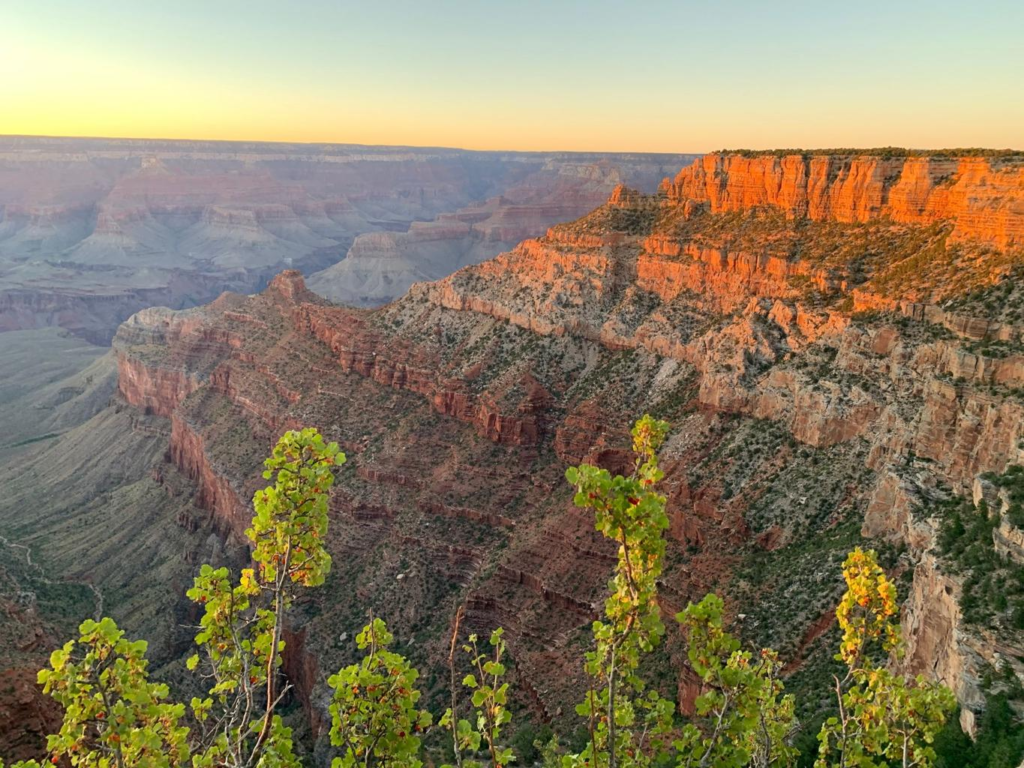
One of the most dramatic examples is Grand Canyon National Park in Arizona. Carved over millions of years by the Colorado River, the canyon stretches roughly 277 miles long and up to 18 miles wide. It attracts nearly 6 million visitors annually, according to the National Park Service.
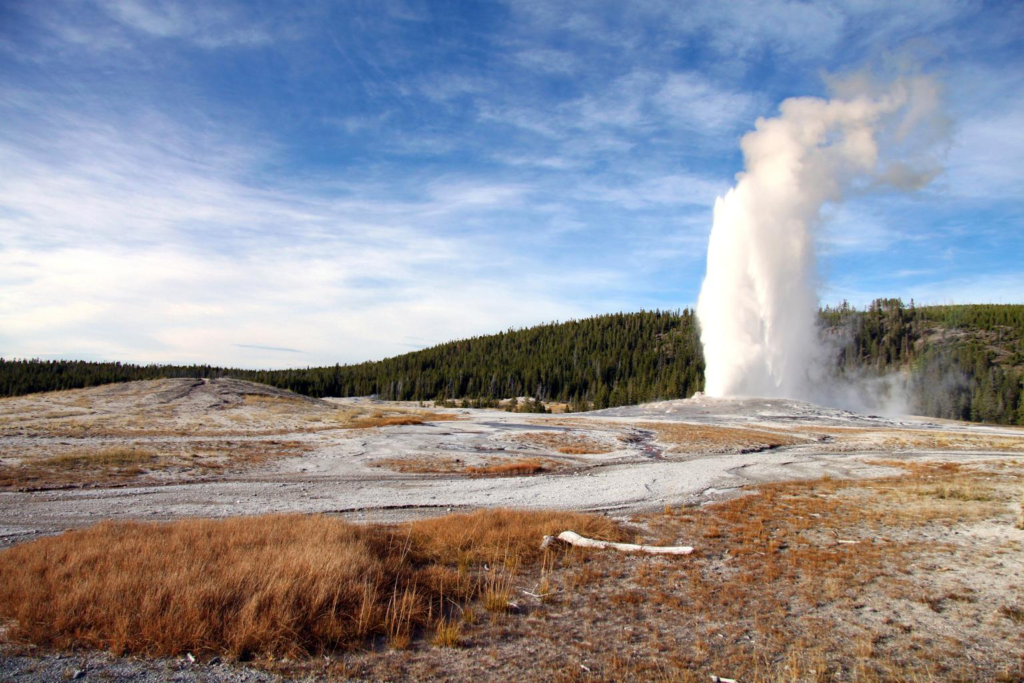
Further north, Yellowstone National Park offers a different type of natural spectacle. Established in 1872 as the world’s first national park, it features geysers, hot springs, wildlife, and vast wilderness ecosystems.
In California, the towering granite cliffs of Yosemite National Park have inspired artists, photographers, and conservationists for more than a century. Landmarks like El Capitan and Half Dome represent some of the most iconic landscapes in North America.
These natural landmarks are not just scenic attractions. They also serve as living laboratories for climate science, geology, and wildlife conservation.
Landmarks That Blend Culture and Nature
Some of the most compelling American landmarks combine human history with natural landscapes. These places illustrate how communities have interacted with their environment across centuries.
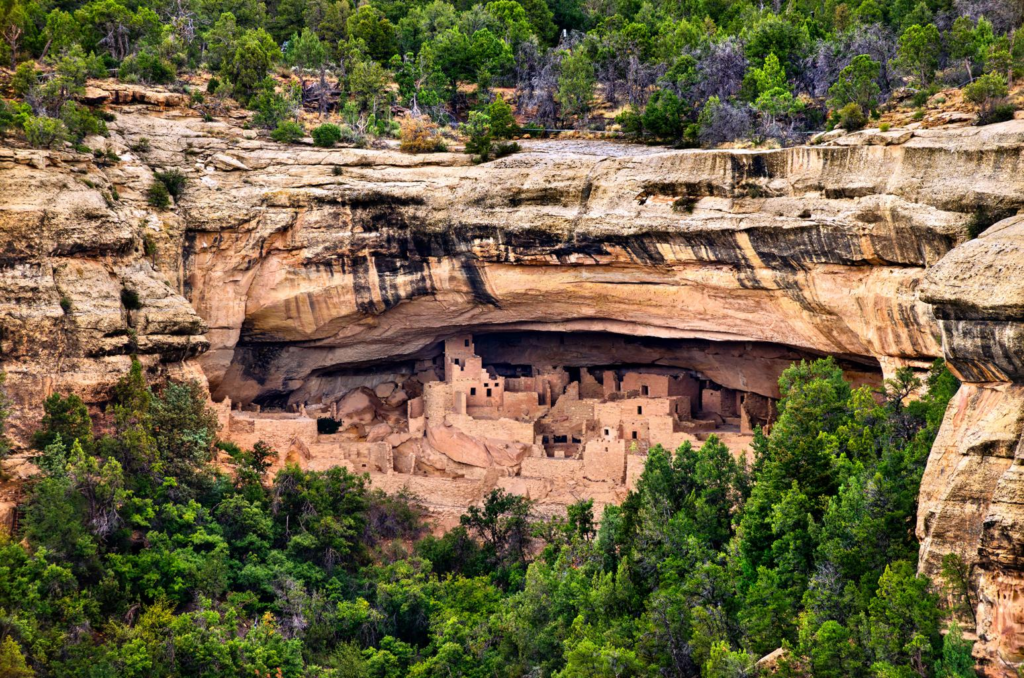
For example, Mesa Verde National Park in Colorado preserves cliff dwellings built by the Ancestral Pueblo people more than 700 years ago. The structures demonstrate remarkable architectural ingenuity and offer insights into Indigenous life in the Southwest.
Similarly, Niagara Falls on the border of New York and Canada represents both natural power and cultural tourism. The falls attract more than 12 million visitors annually, making them one of the most visited natural attractions in North America.
These locations remind visitors that American landmarks are not isolated sites—they often reflect long histories of human interaction with the landscape.
How Americans Experience These Landmarks Today
Landmarks remain central to travel and education across the United States. Families visit them during summer vacations, students explore them on field trips, and researchers study them to understand both history and environmental change.
Several trends have shaped how people experience these destinations:
- Increased interest in national parks and outdoor travel
- Growth of heritage tourism focused on historical sites
- Expanded digital interpretation through museum apps and park guides
- Greater attention to conservation and responsible tourism
Many parks and monuments now offer ranger-led programs, interactive exhibits, and educational tours that deepen visitors’ understanding of the sites.
For travelers, visiting landmarks often provides a clearer sense of scale and history than textbooks or photographs alone.
Frequently Asked Questions
What is the most visited landmark in the United States?
One of the most visited landmarks is the Statue of Liberty area including Liberty Island and Ellis Island, though national parks like Great Smoky Mountains National Park receive the highest overall park visitation.
Why are national parks considered landmarks?
National parks protect landscapes with exceptional natural, cultural, or historical significance. Many, such as Yellowstone National Park, are recognized globally for their ecological and geological value.
How many national landmarks exist in the U.S.?
The U.S. has 2,600+ National Historic Landmarks, according to the National Park Service.
What is the oldest national park in the United States?
Yellowstone National Park, established in 1872, is the first national park in the United States and the world.
Which U.S. landmark symbolizes immigration?
The Statue of Liberty has long represented immigration and the welcoming of newcomers.
What natural landmark is considered one of the Seven Natural Wonders of the World?
Grand Canyon National Park is frequently listed among the world’s natural wonders.
Why is Mount Rushmore historically important?
Mount Rushmore commemorates four presidents who played key roles in shaping the United States.
What architectural landmark represents westward expansion?
The Gateway Arch in St. Louis symbolizes America’s westward expansion during the 19th century.
How do landmarks support conservation?
Protected landmarks help preserve ecosystems, wildlife habitats, and historically significant structures for future generations.
Are landmarks protected by federal law?
Many are protected under federal programs administered by the National Park Service and other preservation agencies.
Why These Landmarks Continue to Shape the American Identity
The landmarks of the United States represent more than destinations on a map. They reflect centuries of exploration, innovation, and cultural change. Monuments remind Americans of shared history, architectural icons symbolize ambition and ingenuity, and natural wonders highlight the immense diversity of the nation’s landscapes.
Together, they create a national narrative visible not in textbooks but across mountains, rivers, cities, and deserts.
For travelers, historians, and conservationists alike, these landmarks remain essential reference points for understanding what the United States has been—and what it continues to become.
Landmark Insights at a Glance
- U.S. landmarks include historic monuments, architectural icons, and natural wonders
- National parks receive hundreds of millions of visitors each year
- Many landmarks represent defining moments in American history
- Natural sites preserve unique ecosystems and geological formations
- Cultural landmarks reflect centuries of interaction between people and landscapes
- Preservation efforts ensure these places remain accessible to future generations