American heritage is not confined to history books—it shapes how people work, vote, celebrate, and connect today. From constitutional principles to cultural traditions, these enduring influences guide daily decisions and national identity. This article explores how foundational ideals continue to affect modern American life through governance, education, community values, and evolving cultural expression.
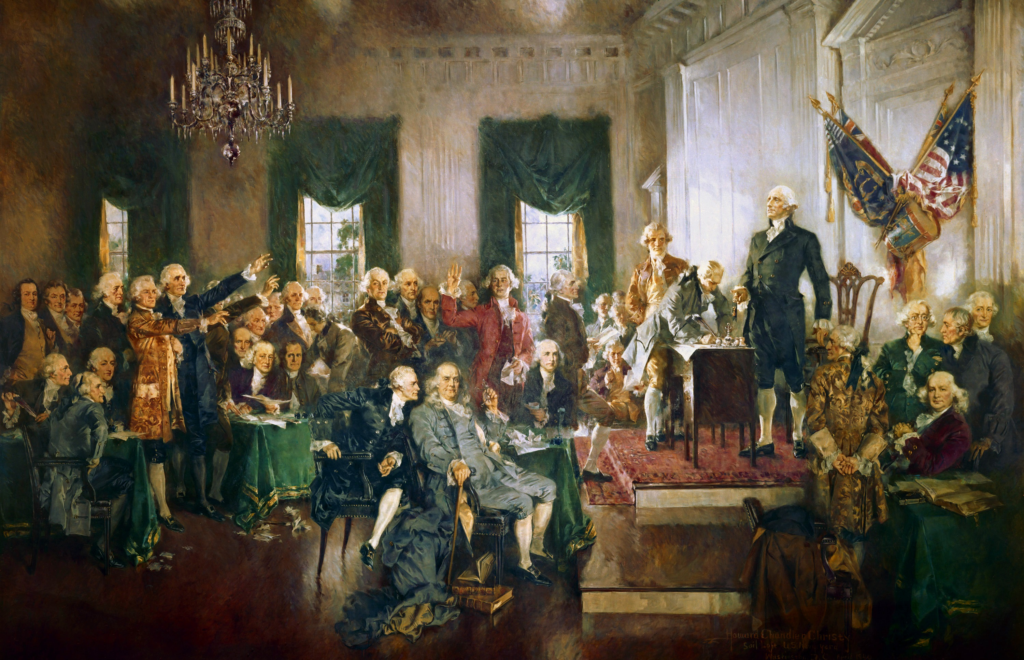
Understanding American Heritage Beyond History
American heritage is often associated with landmark events like independence and constitutional formation, but its influence extends far beyond historical milestones. It represents a living framework of values, traditions, and shared experiences that continue to evolve while maintaining a strong connection to foundational principles.
At its core, American heritage includes:
- Democratic ideals such as liberty, equality, and representation
- Cultural diversity shaped by immigration and regional traditions
- Civic responsibility and community participation
- Innovation and entrepreneurial spirit
These elements are not static—they adapt to modern realities while preserving continuity with the past.
How Founding Ideals Shape Daily Life Today
The foundational ideas established in the late 18th century still guide everyday decisions in subtle but powerful ways. Concepts like individual rights, freedom of speech, and rule of law influence everything from workplace policies to social interactions.
For example, the principle of free expression plays out daily across digital platforms, workplaces, and educational institutions. Americans regularly exercise this right through:
- Social media engagement
- Public discourse and debate
- Participation in local governance
Similarly, the idea of equality under the law continues to influence discussions around civil rights, workplace fairness, and access to opportunities.
A 2023 survey by the Pew Research Center found that over 70% of Americans consider constitutional rights essential to their personal identity—highlighting how deeply these ideals remain embedded in modern life.
Cultural Traditions in Modern American Communities
American heritage is also expressed through cultural traditions that vary across regions yet contribute to a shared national identity. These traditions are visible in everyday experiences such as food, holidays, music, and local customs.
In practice, this looks like:
- Families celebrating Thanksgiving with both traditional and modern dishes
- Communities hosting parades and festivals reflecting local heritage
- Schools incorporating multicultural events into their curriculum
These practices demonstrate how heritage is both preserved and reinterpreted across generations.
Importantly, American culture is not uniform. It reflects a blend of influences from Native American, European, African, Latin American, and Asian traditions. This diversity is a defining feature of modern American identity.
Education as a Bridge Between Past and Present
Education plays a central role in transmitting heritage across generations. From elementary classrooms to universities, students engage with historical narratives that shape their understanding of citizenship and identity.
However, education today goes beyond memorizing dates and events. It increasingly focuses on:
- Critical thinking about historical context
- Understanding multiple perspectives
- Connecting past events to current issues
For instance, discussions about civil rights movements often tie directly into contemporary conversations about social justice and policy reform.
According to the National Center for Education Statistics, over 90% of U.S. schools include civics or social studies as a core subject, reinforcing the importance of heritage in shaping informed citizens.
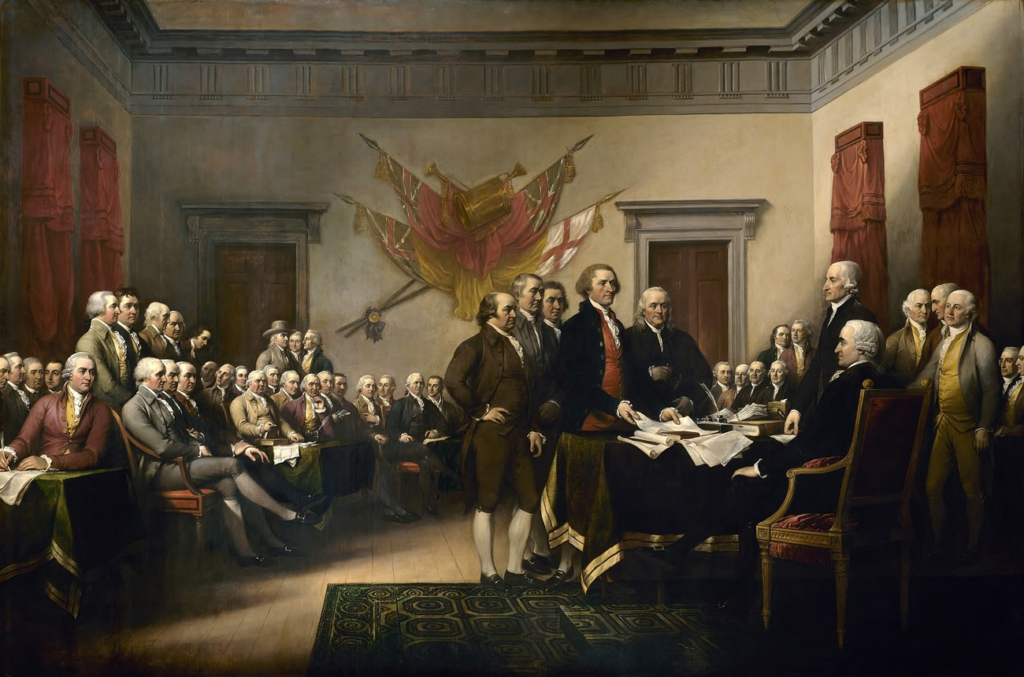
The Role of Heritage in Civic Engagement
Civic participation is one of the most direct ways American heritage influences daily life. Voting, volunteering, and community involvement are all rooted in the founding idea that citizens play an active role in governance.
Modern examples include:
- Participation in local elections and town halls
- Advocacy for community issues such as education or public safety
- Engagement in nonprofit and volunteer organizations
These activities reflect a continued commitment to democratic participation.
Even digital engagement—such as signing petitions or raising awareness online—can be seen as a modern extension of traditional civic involvement.
Economic Values and the Legacy of Innovation
The American emphasis on innovation and entrepreneurship is another enduring aspect of its heritage. From early industrial development to today’s tech-driven economy, the value placed on creativity and self-reliance continues to shape economic behavior.
In everyday life, this influence appears in:
- The rise of small businesses and startups
- The gig economy and freelance work
- A cultural emphasis on career mobility and self-improvement
Data from the U.S. Small Business Administration shows that small businesses account for nearly 44% of U.S. economic activity, reflecting the ongoing importance of entrepreneurial values.
This legacy encourages individuals to pursue new opportunities, adapt to changing markets, and contribute to economic growth.
Heritage and Identity in a Diverse Society
One of the defining characteristics of modern America is its diversity. American heritage is not a single narrative but a collection of experiences that reflect different backgrounds and perspectives.
This diversity shapes identity in several ways:
- Individuals often blend cultural traditions from multiple backgrounds
- Communities create hybrid traditions that reflect shared experiences
- National identity evolves to include a broader range of voices
For example, second-generation immigrants may celebrate both American holidays and cultural traditions from their family’s country of origin, creating a layered sense of identity.
This dynamic nature of heritage allows it to remain relevant in a rapidly changing society.
Technology’s Role in Preserving and Transforming Heritage
Technology has significantly changed how American heritage is preserved and experienced. Digital archives, online education, and social media platforms provide new ways to access and share historical knowledge.
Today, people can:
- Explore virtual museum exhibits
- Access historical documents online
- Participate in digital storytelling and genealogy research
At the same time, technology influences how heritage is interpreted. Social media, for instance, allows individuals to share personal narratives that contribute to a broader understanding of history.
This shift makes heritage more accessible while also encouraging ongoing dialogue about its meaning.

Challenges in Interpreting American Heritage
While American heritage remains a unifying concept, it is not without complexity. Different interpretations of history and values can lead to debates about how heritage should be represented and taught.
Common areas of discussion include:
- How to present historical events accurately and inclusively
- The balance between tradition and progress
- The role of public monuments and historical symbols
These conversations are part of a broader effort to ensure that heritage reflects the experiences of all Americans.
Rather than weakening heritage, these discussions often strengthen it by promoting deeper understanding and engagement.
Everyday Examples of Heritage in Action
American heritage is not abstract—it appears in daily routines and decisions. Consider these practical examples:
- A teacher incorporating civic lessons into classroom discussions
- A family maintaining traditions passed down through generations
- A business owner applying principles of fairness and opportunity
- A community organizing events that celebrate local history
These small, consistent actions collectively sustain and evolve American heritage over time.
Where Heritage Meets Modern Life
American heritage is best understood not as a fixed set of traditions, but as an ongoing conversation between past and present. It shapes how people think, act, and connect—often in ways that go unnoticed.
By recognizing these influences, individuals can better understand their role in shaping the future while remaining grounded in shared values.
Key Insights at a Glance
- American heritage continues to influence daily decisions and societal structures
- Founding ideals like freedom and equality remain central to modern identity
- Cultural diversity enriches and evolves traditional practices
- Education and civic engagement play key roles in preserving heritage
- Technology expands access while reshaping how heritage is experienced
- Ongoing discussions ensure heritage remains inclusive and relevant