Summary
America’s country trails connect working farmland, quiet forests, historic routes, and rural communities. These paths offer more than recreation—they reveal agricultural traditions, wildlife corridors, and local heritage. From rail-to-trail conversions in the Midwest to Appalachian footpaths and Western ranch roads, country trails show how rural landscapes shape outdoor travel, conservation, and community life across the United States.
Why Country Trails Matter Across Rural America
Across the United States, country trails form a quiet but essential network linking farmland, forests, rivers, and small towns. Unlike heavily trafficked national park trails, these routes often run through working landscapes—past cornfields in Iowa, along orchard valleys in Washington, or across ranchlands in Montana.
For many Americans, these trails represent a more personal outdoor experience. They offer space for hiking, biking, horseback riding, and wildlife observation without the crowds that often accompany major recreation areas.
According to the Rails-to-Trails Conservancy, the U.S. now has more than 41,000 miles of multi-use rail-trails, with thousands more planned. Many of these paths cut through rural landscapes, turning abandoned rail corridors into long-distance recreational routes.
But the story of country trails goes far beyond rail conversions. These routes reflect layers of American history—indigenous travel corridors, agricultural roads, logging tracks, and early transportation routes that gradually evolved into recreational pathways.
Trails That Run Through Working Farmland
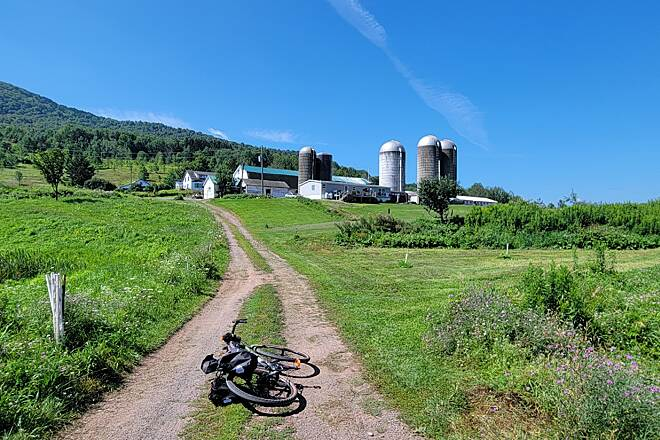
In large parts of the Midwest and Great Plains, country trails move through some of the most productive farmland on the planet. These landscapes may appear simple at first glance, but they hold a surprising variety of ecosystems and cultural stories.
Farm-country trails often follow:
- Irrigation canals
- Rural county roads converted to multi-use paths
- Former rail lines between farming towns
- Agricultural service roads now open to recreation
The Katy Trail State Park offers one of the best examples. Stretching 240 miles across Missouri, the trail follows the Missouri River through farmland, vineyards, and historic river towns. Cyclists ride past grain elevators, river bluffs, and small communities where local cafes cater to trail travelers.
These farmland trails also help strengthen rural economies. A 2022 study by the University of Missouri Extension estimated that visitors to the Katy Trail contribute over $18 million annually to local communities through lodging, dining, and equipment purchases.
Country trails therefore serve both recreational and economic purposes: they bring visitors into rural areas while preserving access to landscapes that define American agriculture.
Forest Paths and Wildlife Corridors
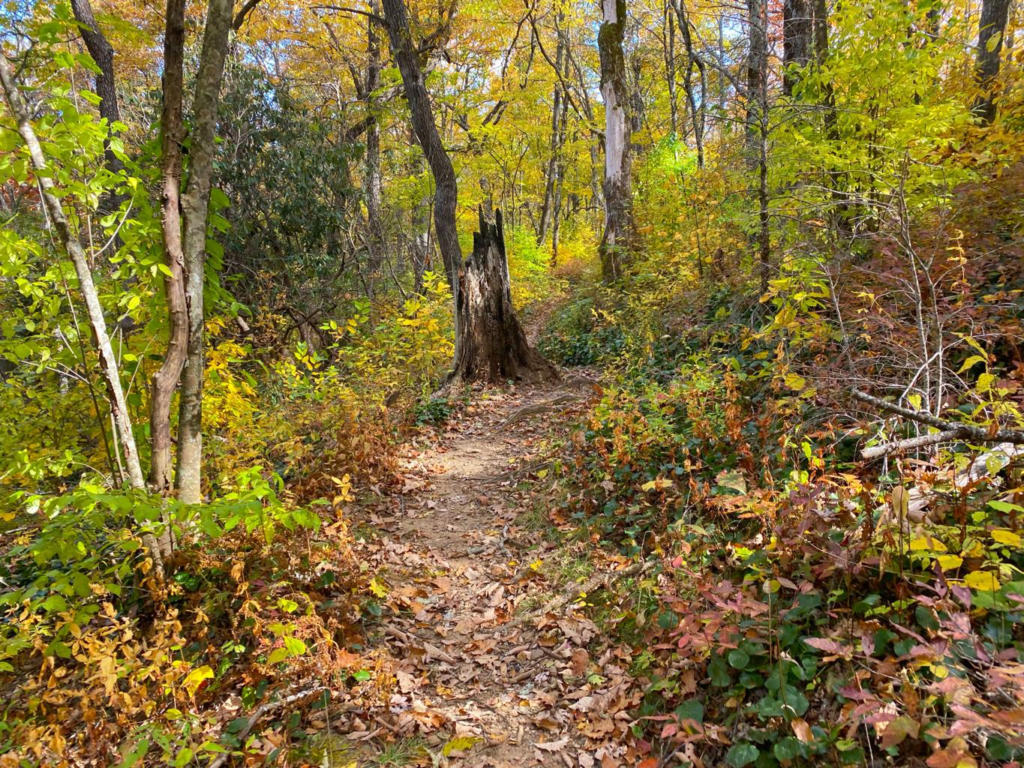
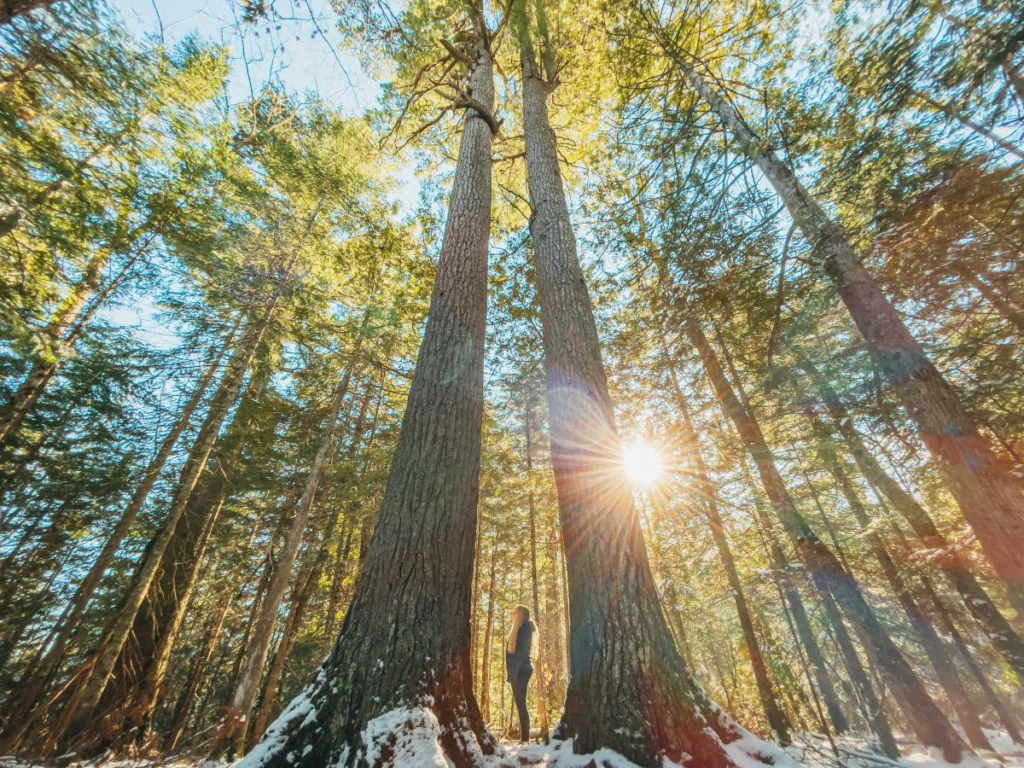
Beyond the farm belt, country trails often weave through forests where the atmosphere shifts dramatically. Tall pines, mixed hardwood stands, and quiet streams replace open fields.
Many of these trails originally emerged from:
- Logging roads
- Fire service access routes
- Historic hunting paths
- Early forestry infrastructure
In the Northeast, the Appalachian Trail is the most famous example, stretching over 2,190 miles from Georgia to Maine. Although much of it lies within public land, long segments pass through rural communities and privately conserved farmland.
Forest trails offer more than scenic beauty. They also function as wildlife corridors—allowing animals to move through connected habitats.
Organizations like the U.S. Forest Service increasingly manage rural trail networks with ecological goals in mind, including:
- Minimizing habitat fragmentation
- Protecting watershed areas
- Controlling erosion and trail impact
- Encouraging responsible recreation
For hikers and nature enthusiasts, forest country trails often provide the most immersive experience in rural America—where wildlife sightings, bird calls, and seasonal foliage define the journey.
Rail-to-Trail Conversions: Rural America’s Quiet Infrastructure Revival
One of the most important developments in country trail growth has been the rail-to-trail movement.
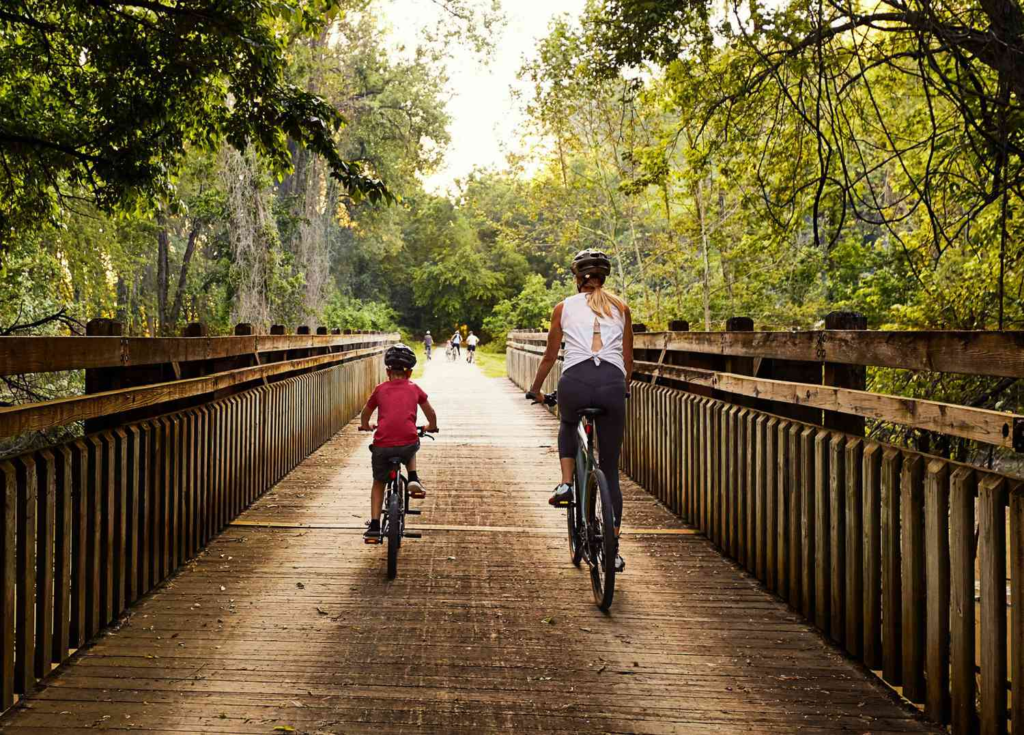
Throughout the 20th century, thousands of miles of railroads across the U.S. were abandoned as freight patterns shifted. Rather than letting these corridors deteriorate, communities began converting them into recreational trails.
These trails offer several advantages:
- Gentle grades originally designed for trains
- Long uninterrupted distances between towns
- Historic bridges and tunnels preserved for recreation
- Direct connections between rural communities
The Great Allegheny Passage illustrates the model perfectly. The 150-mile trail connects Pittsburgh to Cumberland, Maryland, passing through forests, small towns, and farmland valleys.
When combined with the C&O Canal Towpath, cyclists can travel over 330 miles from Pittsburgh to Washington, D.C.
These long-distance routes have turned rural trail networks into major tourism assets while preserving historic infrastructure.
Trails That Tell Local History
Country trails often reveal layers of American history that are easy to miss when traveling highways.
Many paths trace routes used by:
- Native American trade networks
- Early settler migration corridors
- Civil War troop movements
- Industrial transportation systems
In Virginia, the Virginia Creeper Trail follows a former railroad line through Appalachian farmland and mountain forests. The route passes historic depots, preserved trestle bridges, and small towns that once depended on rail shipping for timber and agriculture.
Interpretive signs along the trail explain how the railway shaped the region’s economy for more than a century.
Similarly, the Empire State Trail connects historic canal paths, railroad lines, and rural roads across 750 miles of New York State, highlighting both agricultural regions and historic waterways.
For many travelers, these trails offer a slower way to experience American history—moving at bicycle or walking speed rather than highway speed.
What Makes a Country Trail Different from a Park Trail?
Many people assume all hiking paths function the same way. In reality, country trails operate very differently from typical national park or urban greenway routes.
Country trails often involve:
- Shared access with private landowners
- Less formal maintenance
- Multi-use activities such as horseback riding or farm access
- Seasonal closures due to weather or agriculture
This mix of uses creates a distinct culture of rural trail etiquette. Visitors are expected to respect local communities and working landscapes.
Common country trail guidelines include:
- Yielding to farm vehicles and horseback riders
- Staying on marked routes to protect crops and livestock
- Packing out trash
- Respecting seasonal closures during muddy conditions
When used responsibly, country trails balance recreation with agriculture, conservation, and local livelihoods.
Planning a Trip on America’s Country Trails
Traveling rural trails requires slightly different preparation compared with urban parks or heavily managed recreation areas.
Key planning steps include:
Research trail conditions
Some country trails close during wet seasons or agricultural harvest periods. Local park departments or trail organizations typically provide updates.
Plan for limited services
Many rural routes pass through small towns where services may be spaced 20–40 miles apart.
Carry essential supplies
Bring water, navigation tools, and basic repair equipment if cycling.
Respect rural communities
Parking in designated areas and supporting local businesses helps maintain community support for trails.
Frequently Asked Questions
What is considered a country trail?
A country trail typically runs through rural landscapes such as farmland, forests, ranchlands, or small towns rather than urban parks or dense recreation areas.
Are country trails open year-round?
Many are, but weather conditions—especially mud, flooding, or snow—can lead to seasonal closures.
Are country trails safe for solo travelers?
Generally yes, but visitors should carry navigation tools, inform someone of their route, and be aware that cell service may be limited.
Can you bike on most country trails?
Many are multi-use and allow cycling, particularly rail-trails. However, some narrow hiking routes restrict bikes.
Do country trails pass through private land?
Yes. Many trails cross private farmland through easements or conservation agreements.
Are dogs allowed on rural trails?
Often yes, but leash requirements vary depending on wildlife and livestock concerns.
What is the longest rural trail in the U.S.?
The American Discovery Trail stretches over 6,800 miles, crossing both rural and urban landscapes from Delaware to California.
How do rural trails benefit local communities?
They bring tourism revenue, support small businesses, and preserve historic transportation corridors.
Are country trails beginner-friendly?
Many rail-trails are flat and ideal for beginners, while forest trails may involve steeper terrain.
How can people support rural trail networks?
Joining local trail organizations, volunteering for maintenance days, and supporting nearby businesses helps sustain these routes.
The Quiet Geography of Rural Exploration
Country trails reveal a different geography of the United States—one shaped not by highways and cities but by farms, forests, rivers, and small towns.
Walking or cycling these routes slows travel down to a human pace. Grain elevators become landmarks. Old depots become rest stops. Local diners replace interstate exits.
In that slower rhythm, travelers often discover the deeper layers of rural America: the landscapes that feed the nation, the communities that sustain regional culture, and the quiet paths that connect them all.
Trail Wisdom to Carry Forward
- Country trails link recreation with agriculture and conservation
- Rail-to-trail conversions have transformed thousands of rural miles
- Many routes preserve historic transportation corridors
- Responsible recreation helps maintain local community support
- Rural trails offer slower, more immersive travel experiences