
America’s most recognizable landmarks span coast to coast, reflecting the country’s history, geography, and cultural identity. From natural wonders to architectural icons, these sites reveal how the United States has evolved over time. This guide explores the landmarks that define the American landscape, why they matter, and how travelers can experience them with deeper understanding.
A Nation Shaped by Place
The United States is often described through its diversity—of people, cultures, and landscapes. That diversity is most visible in its landmarks. From the Atlantic shoreline to the Pacific coast, landmarks tell a layered story of exploration, innovation, conflict, and progress.
These places are not simply geographic markers. They influence how Americans understand their national identity and how visitors interpret the country’s values. According to the National Park Service, over 300 million visits are recorded annually across national parks and historic sites, underscoring their enduring importance to both tourism and education.
Understanding these landmarks requires more than recognizing their names. It involves examining how they connect to broader historical and cultural narratives.
The East Coast: Foundations of a Nation
The eastern United States is home to some of the country’s oldest and most historically significant landmarks. These sites reflect the origins of American democracy and early urban development.
The Statue of Liberty stands at the entrance to New York Harbor, symbolizing freedom and opportunity. Since its dedication in 1886, it has welcomed millions of immigrants and remains a powerful emblem of national identity.
Further south, the Independence Hall marks the birthplace of the United States. It is where foundational documents were debated and signed, making it one of the most historically consequential buildings in the country.
In Washington, D.C., the Lincoln Memorial serves as both a tribute to President Abraham Lincoln and a gathering place for major civic events. Its role in the Civil Rights Movement adds another layer of significance.
These landmarks highlight how the East Coast preserves the political and philosophical foundations of the nation.
The Heartland: Landmarks of Expansion and Identity
Moving inland, the American heartland reflects themes of expansion, leadership, and national unity.
The Mount Rushmore National Memorial is carved into the Black Hills and features four U.S. presidents. Each figure represents a different chapter in the country’s development, from independence to industrial growth.
Nearby, natural landmarks such as Yellowstone National Park demonstrate the nation’s commitment to conservation. Established in 1872, Yellowstone is widely considered the world’s first national park, setting a global precedent for environmental preservation.
The Midwest also offers cultural landmarks tied to industry and migration. Cities like Chicago and St. Louis played key roles in transportation and economic growth, with structures such as the Gateway Arch symbolizing westward expansion.
These sites reflect how the interior of the country shaped both physical growth and national identity.
The West Coast: Innovation and Cultural Influence
The western United States is defined by innovation, natural beauty, and cultural influence. Landmarks here often reflect modern identity as much as historical development.
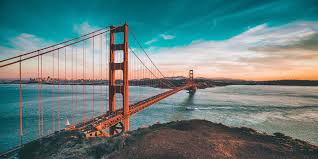
The Golden Gate Bridge is one of the most recognized engineering achievements in the world. Completed during the Great Depression, it represents resilience and forward-thinking design.
In Southern California, the Hollywood Sign symbolizes the entertainment industry’s global reach. What began as a real estate advertisement has become an enduring cultural icon.
Natural landmarks like Yosemite National Park and the Pacific coastline further define the region, offering dramatic landscapes that attract millions of visitors each year.
The West Coast illustrates how innovation and creativity continue to shape the American narrative.
Natural vs. Man-Made Landmarks
One of the defining characteristics of the American landscape is the balance between natural and man-made landmarks. Both contribute to the country’s identity in distinct ways.
Natural landmarks:
- National parks such as Yellowstone and Yosemite
- Geological formations like the Grand Canyon
- Coastal and mountain ecosystems
Man-made landmarks:
- Monuments and memorials
- Bridges and architectural structures
- Cultural and entertainment sites
Natural landmarks often reflect the country’s environmental heritage, while man-made landmarks highlight human achievement and historical milestones. Together, they create a comprehensive picture of the nation’s development.
How Landmarks Shape Travel and Tourism
For many travelers, landmarks are the primary reason for visiting a destination. They provide structure to itineraries and serve as entry points for deeper exploration.
Landmarks influence travel in several ways:
- Destination planning: Travelers often build trips around major sites
- Economic impact: Local businesses benefit from consistent visitor traffic
- Cultural exchange: Visitors gain insight into regional and national history
- Infrastructure development: Transportation and services evolve around popular landmarks
For example, visiting the Golden Gate Bridge often leads travelers to explore San Francisco’s neighborhoods, museums, and waterfront areas. Similarly, a trip to Washington, D.C. frequently includes multiple landmarks within the National Mall.
Experiencing Landmarks with Context
To fully appreciate America’s landmarks, it is important to approach them with context and intention. Simply seeing a site is not the same as understanding it.
Consider these practical strategies:
- Read historical background before visiting to understand significance
- Use ranger-led programs or guided tours for expert insights
- Visit museums or visitor centers nearby to add depth
- Take time to observe details such as inscriptions, design elements, and surroundings
- Reflect on modern relevance and how the site connects to current issues
For instance, visiting the 9/11 Memorial & Museum is a profoundly different experience when visitors understand the historical context and ongoing impact of the events it commemorates.
Challenges in Preserving Iconic Landmarks
As landmark popularity grows, so do the challenges associated with preservation. Increased foot traffic, environmental pressures, and urban development can all impact these sites.
Key preservation challenges include:
- Wear and tear from high visitor numbers
- Climate-related impacts on natural landmarks
- Funding limitations for maintenance and restoration
- Balancing accessibility with conservation
Organizations such as the National Park Service and local preservation groups work to address these issues. Responsible tourism—such as following guidelines and minimizing environmental impact—plays a critical role in maintaining these landmarks for future generations.
Frequently Asked Questions
1. What are the most famous landmarks in the United States?
Some of the most recognized include the Statue of Liberty, the Golden Gate Bridge, Mount Rushmore, and the Lincoln Memorial.
2. Are national parks considered landmarks?
Yes. Many national parks are iconic landmarks due to their natural beauty and historical significance.
3. How do landmarks contribute to local economies?
They attract tourists, which supports businesses, creates jobs, and generates tax revenue.
4. What is the difference between a landmark and a monument?
A monument is typically built to commemorate a person or event, while a landmark can be natural or man-made with broader significance.
5. How can travelers visit landmarks responsibly?
By following site rules, respecting the environment, and supporting conservation efforts.
6. Why are some landmarks controversial?
They may be associated with complex histories, including issues related to land use or representation.
7. Can modern buildings become landmarks?
Yes. Structures can gain iconic status over time through cultural or architectural significance.
8. What role do landmarks play in education?
They provide hands-on learning experiences that bring history and culture to life.
9. How can I avoid crowds at major landmarks?
Visit during off-peak times, such as early mornings or weekdays.
10. Are landmarks only located in major cities?
No. Many important landmarks are in rural or remote areas, especially natural sites.
Mapping Identity Through Landmarks
From the Atlantic to the Pacific, America’s landmarks form a network of places that define the nation’s character. Each site—whether a historic building, a natural wonder, or a cultural icon—adds to a broader narrative about who Americans are and how the country has evolved.
These landmarks are not isolated points on a map. They are interconnected stories that reflect shared experiences, regional diversity, and ongoing change. By exploring them thoughtfully, visitors gain a deeper understanding of both the landscape and the values it represents.
A Snapshot of What Matters Most
- Landmarks reflect the historical, cultural, and geographic diversity of the U.S.
- East Coast sites emphasize early history and governance
- The heartland highlights expansion and national identity
- West Coast landmarks showcase innovation and cultural influence
- Both natural and man-made sites contribute to the American story