Summary
America’s food landscape is shaped by regional traditions, immigrant influences, and local agriculture. From seafood shacks in New England to barbecue pits in Texas and farm-driven cuisine in California, the country offers countless “flavor trails.” This guide explores some of the most memorable culinary routes across the United States and how travelers can experience them through markets, restaurants, and local food traditions.
What Is a Flavor Trail?
A flavor trail is a culinary route that highlights the distinctive foods, ingredients, and traditions of a particular region. Unlike a typical restaurant list, a flavor trail tells a story about place, culture, and history through food.
Across the United States, regional cooking developed from a combination of geography, migration, and agriculture. Coastal communities built cuisines around seafood, Midwestern towns centered meals around grains and dairy, and the South developed traditions rooted in African, Native American, and European influences.
Today, food travelers increasingly seek experiences that go beyond sightseeing. According to the U.S. Travel Association, food and beverage experiences are among the top motivations for domestic leisure travel, with millions of travelers choosing destinations based on culinary reputation.
A flavor trail typically includes:
- Regional signature dishes
- Farmers markets and local producers
- Historic restaurants and food halls
- Cultural food festivals
- Culinary neighborhoods or districts
Together, these elements create a food journey that reflects the identity of a place.
Why Regional Food Trails Matter
Regional food trails offer more than enjoyable meals. They provide insight into American history and community identity.
Food traditions often reveal:
- Migration patterns that shaped local cuisine
- Agricultural practices tied to climate and geography
- Family and community traditions passed through generations
- Economic shifts that influence modern dining culture
For example, Louisiana’s Creole cuisine reflects French, Spanish, Caribbean, and African influences, while Midwestern comfort foods grew from farming communities built around dairy, wheat, and corn production.
Food trails also support local economies. The National Restaurant Association notes that independent restaurants and food businesses are essential to tourism-driven spending in many regions.
The New England Seafood Trail
Along the northeastern coast, seafood traditions define the culinary identity of New England. Cold Atlantic waters support abundant shellfish and fisheries that have shaped local cooking for centuries.
Visitors traveling through Maine, Massachusetts, Rhode Island, and Connecticut will encounter coastal towns where seafood remains central to daily life.
Signature experiences include:
- Maine lobster rolls served warm with butter
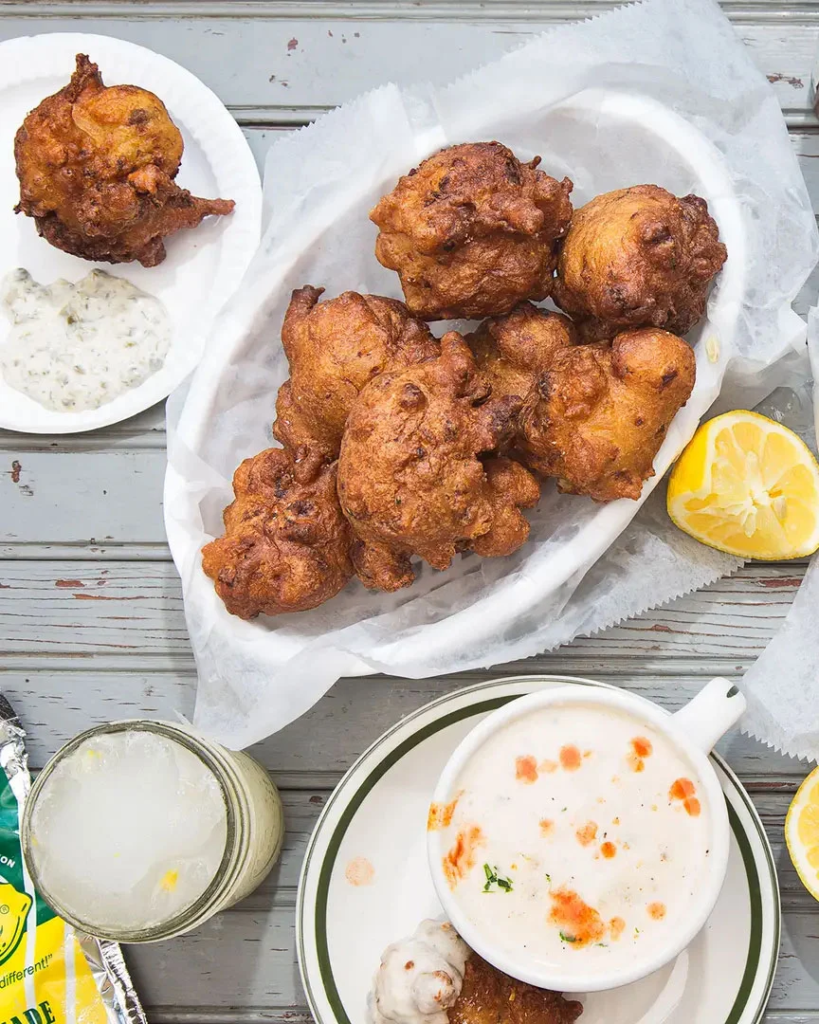
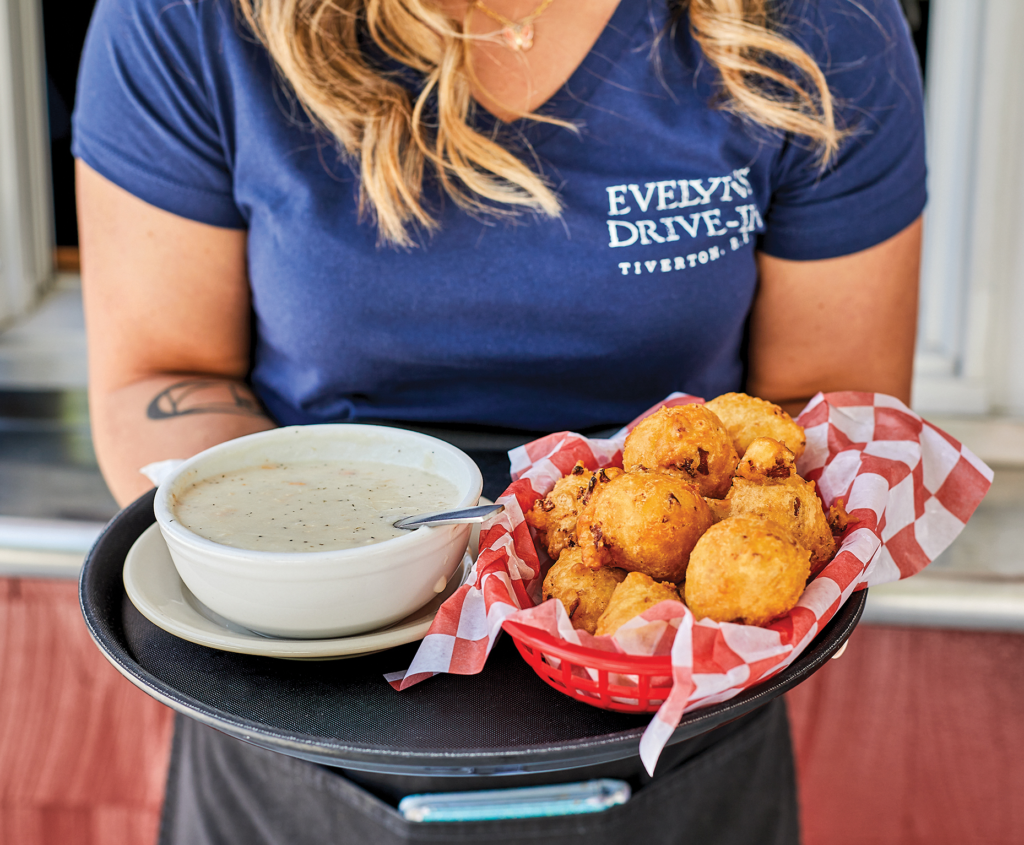
- Rhode Island clam cakes and chowder
- Boston’s historic oyster houses
- Connecticut-style hot buttered lobster rolls
Fishing heritage remains visible in working harbors, dockside seafood shacks, and family-run restaurants that have operated for generations.
Travelers often combine food exploration with visits to historic ports, coastal parks, and maritime museums, making this one of the country’s most accessible culinary trails.
The Southern Barbecue Trail
Few culinary traditions are as regionally diverse as American barbecue. From North Carolina to Texas, slow-cooked meats and smoking techniques vary widely.
The Southern barbecue trail spans several states, each with its own approach:
- North Carolina: whole hog barbecue with vinegar-based sauce
- South Carolina: mustard-based barbecue sauces
- Memphis: dry-rub ribs and pulled pork
- Texas: brisket smoked over post oak wood
Barbecue traditions often center around family-owned smokehouses, some of which have been operating for decades.
Food historians point out that Southern barbecue reflects a blend of African cooking techniques, Indigenous traditions, and European influences, making it one of the most culturally layered cuisines in the United States.
Travelers exploring this trail will find roadside barbecue stands, small-town festivals, and regional competitions that celebrate slow cooking and craft.
The Midwest Comfort Food Route
The American Midwest is sometimes overlooked in food travel conversations, but it offers a deeply rooted culinary culture shaped by farming communities and immigrant traditions.
States like Wisconsin, Minnesota, Illinois, and Iowa are known for dishes built around dairy, grains, and seasonal produce.
Typical Midwest flavor trail highlights include:
- Wisconsin cheese curds and artisan dairies
- Chicago deep-dish pizza and Italian beef sandwiches
- Minnesota hotdish casseroles
- Farm-to-table restaurants across Michigan and Ohio
Immigrant communities—particularly German, Scandinavian, Polish, and Eastern European populations—played a major role in shaping these dishes.
Farmers markets and seasonal harvest festivals are key parts of the Midwest food experience, reflecting the region’s strong agricultural identity.
The Southwest Spice Corridor
The American Southwest brings together Indigenous, Mexican, and Spanish culinary traditions, producing some of the country’s most distinctive flavors.
New Mexico and Arizona are especially known for their use of chiles, corn, beans, and slow-cooked meats.
Travelers exploring this region will encounter:
- Hatch chile dishes across New Mexico
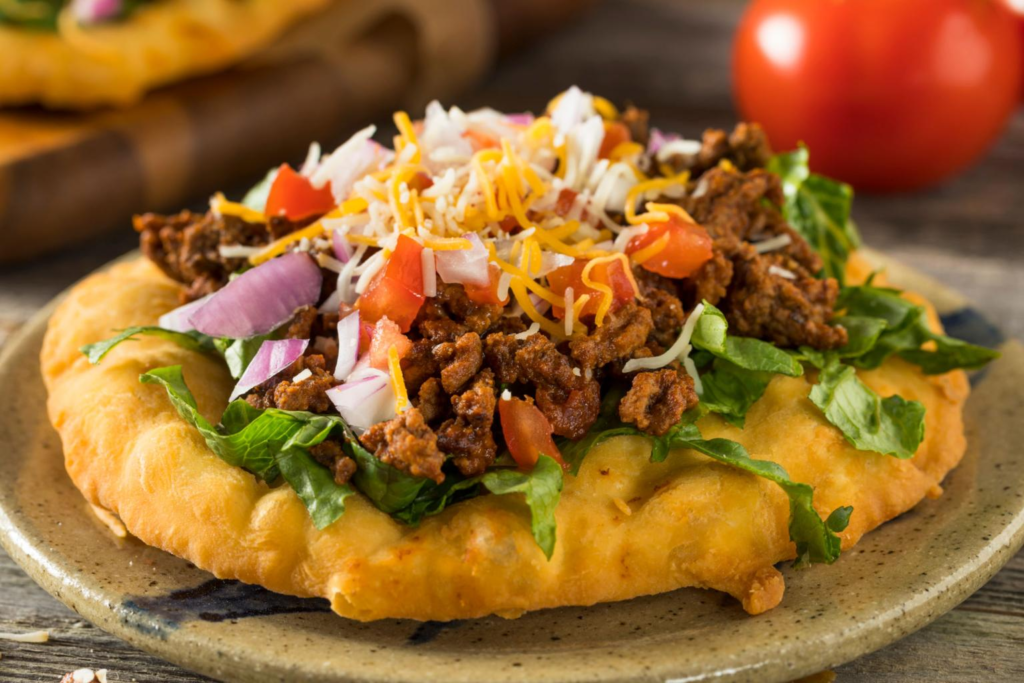
- Navajo fry bread and Indigenous food traditions
- Sonoran-style Mexican cuisine in Arizona
- Desert-grown ingredients such as mesquite and prickly pear
New Mexico’s official state question—“Red or green?”—refers to chile sauces served on many dishes.
This culinary corridor is closely tied to Indigenous agriculture and traditional cooking methods that date back centuries.
California’s Farm-to-Table Flavor Trail
California’s culinary identity is shaped by agriculture, immigration, and innovation.
The state produces more than one-third of the vegetables and two-thirds of the fruits and nuts grown in the United States, according to the California Department of Food and Agriculture.
This agricultural abundance helped fuel the farm-to-table movement, which emphasizes fresh ingredients and seasonal menus.
Travelers exploring California’s flavor trail may experience:
- Farmers markets in Los Angeles and San Francisco
- Wine country cuisine in Napa and Sonoma
- Fresh seafood along the Pacific Coast
- Multicultural food scenes in cities like San Diego and Oakland
California’s culinary landscape also reflects global influences, including Mexican, Japanese, Korean, Vietnamese, and Mediterranean traditions.
How to Plan Your Own Flavor Trail
Food-focused travel works best when it blends planning with spontaneity.
A practical approach includes researching regional specialties while leaving room to discover local favorites along the way.
Consider these strategies:
- Identify signature dishes associated with the region
- Visit local markets and food halls
- Ask residents for restaurant recommendations
- Explore food festivals and seasonal events
- Try both historic restaurants and modern kitchens
Food trails often lead travelers to smaller towns and neighborhoods that might otherwise go unnoticed.

Questions Travelers Often Ask About Flavor Trails
What is the difference between a food tour and a flavor trail?
A food tour usually takes place in a single neighborhood and lasts a few hours. A flavor trail is typically a broader regional journey that may stretch across multiple towns or states.
Are flavor trails only for food enthusiasts?
No. Many travelers enjoy flavor trails because they combine culture, history, and local exploration, not just dining.
How long does it take to explore a flavor trail?
Some trails can be explored in a weekend, while others—such as cross-state routes—may take several days or even weeks.
Are flavor trails expensive?
Costs vary widely. Many memorable experiences involve casual eateries, markets, or roadside stands, making them accessible to different budgets.
What is the best time of year for food travel?
Seasonal harvest periods—spring through fall—often provide the richest experiences due to farmers markets and regional food festivals.
How do I find authentic local restaurants?
Look for long-standing establishments, community recommendations, and locally owned businesses rather than chain restaurants.
Are there official flavor trail maps?
Some states and tourism boards publish culinary trails, such as barbecue trails or wine routes.
Can families enjoy food trails?
Yes. Many trails include family-friendly restaurants, markets, and festivals suitable for all ages.
Do flavor trails focus only on traditional foods?
Not necessarily. Many regions combine historic recipes with modern culinary innovation.
What makes a food destination memorable?
Most travelers remember destinations where local ingredients, community traditions, and storytelling through food come together.
A Culinary Journey That Reflects the Nation
America’s flavor trails offer a powerful way to understand the country’s diversity. From coastal fisheries to ranchlands, farms, and urban food districts, regional cuisine tells stories about the people and places that shaped it.
Travelers who follow these trails often discover that the most memorable meals come not from famous restaurants but from local kitchens, markets, and family traditions that continue to define American food culture.
Mapping Your Own Culinary Road Ahead
Exploring America through its flavor trails encourages curiosity and appreciation for regional traditions.
Whether traveling through barbecue country, coastal seafood towns, or farm-rich valleys, food provides a meaningful entry point into local culture. Each region offers a unique set of ingredients, cooking techniques, and stories that connect travelers with communities across the country.
Key Points from the Journey
- Flavor trails highlight the connection between food, geography, and culture
- Regional dishes reflect migration, agriculture, and local history
- The U.S. offers diverse culinary routes from seafood coasts to desert spice corridors
- Food-focused travel often reveals hidden towns and small businesses
- Planning ahead while exploring locally leads to the best experiences