Summary
Across the United States, quiet country trails are seeing renewed attention as travelers move away from highway-only road trips toward slower, place-based exploration. Hiking paths, rail-trails, and rural walking routes reveal how Americans increasingly value local landscapes, small towns, and accessible outdoor recreation. These trails offer insight into evolving travel priorities—health, sustainability, community connection, and meaningful experiences.
The Quiet Shift in How Americans Travel
For generations, the American travel story revolved around highways. From the rise of the interstate system in the 1950s to the classic cross-country road trip, mobility was defined by distance and speed. But over the past decade—and especially since 2020—another pattern has emerged: travelers are rediscovering the country’s network of rural paths, historic foot trails, and repurposed rail corridors.
Country trails are no longer simply recreational amenities. They increasingly represent a new kind of travel experience—one rooted in slower exploration and deeper engagement with landscapes and communities.
According to the Outdoor Industry Association, more than 168 million Americans participated in outdoor recreation in 2023, and hiking remained one of the most widely practiced activities. Meanwhile, the Rails-to-Trails Conservancy reports that thousands of miles of former rail corridors have been converted into multi-use trails, connecting rural towns and regional tourism economies.
This shift tells a larger story: Americans are redefining travel not just as movement, but as experience.
Why Trails Are Becoming Travel Destinations
For many travelers, the appeal of country trails lies in their simplicity. They provide a way to explore landscapes that highways pass by too quickly.
Trails often follow historic routes—old railway lines, farm roads, riverbanks, or Indigenous footpaths. Walking them offers a slower, more observant way to understand a region.
Travelers frequently report that trails provide experiences that traditional tourism often misses:
- Access to rural scenery and wildlife
- Encounters with local communities
- Opportunities for low-cost outdoor recreation
- Flexible travel for families and solo travelers
- Health benefits tied to walking and nature exposure
Unlike major attractions, trails rarely require elaborate planning. Many begin directly in small towns or local parks, making them easy to integrate into weekend trips or longer itineraries.
For travelers seeking a more grounded experience, these paths offer something increasingly valuable: time to notice.
The Rise of Rail-Trails and Rural Greenways
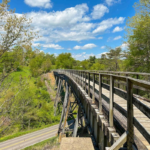
One of the most influential developments in American trail culture has been the conversion of abandoned railway corridors into recreational paths.
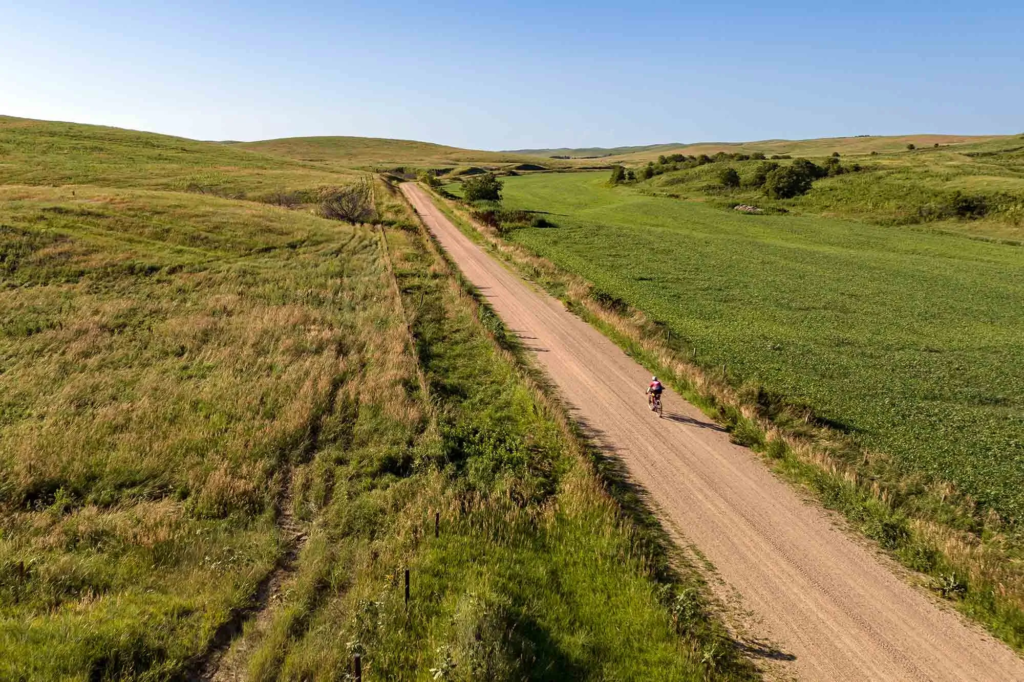
Rail-trails are particularly appealing because their gentle grades make them accessible for a wide range of users—walkers, cyclists, families with strollers, and older travelers.
Across the country, these projects have quietly reshaped regional tourism.
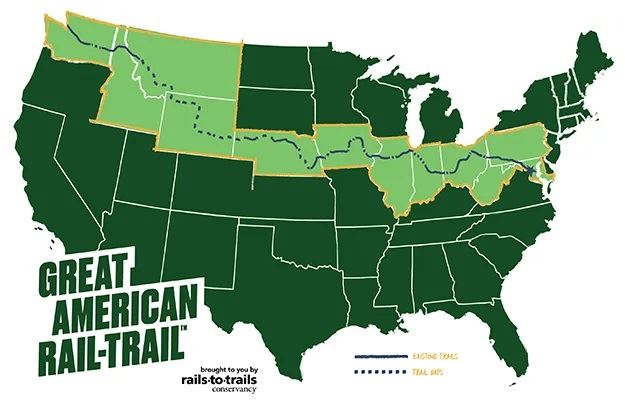
Notable examples include long-distance corridors that connect multiple communities. Travelers often plan multi-day trips along these trails, stopping in small towns for lodging, food, and local attractions.
Economic studies from state tourism departments have found that well-developed trail networks can generate millions of dollars annually for rural economies, largely through visitor spending in local businesses.
In many cases, trails have helped revive towns that once depended on rail transportation.
Health, Wellness, and the “Slow Travel” Movement
Another reason trails are gaining popularity is their connection to wellness.
Walking-based travel aligns closely with the broader “slow travel” movement—an approach that encourages travelers to spend more time in fewer places while engaging more deeply with local environments.
Health experts consistently emphasize the benefits of regular walking and outdoor exposure. Studies from the Centers for Disease Control and Prevention link moderate physical activity, including hiking, with reduced risks of chronic disease, improved mental health, and better overall well-being.
For travelers balancing busy work lives, trail exploration provides a form of vacation that restores rather than exhausts.
Instead of rushing through multiple cities, many travelers now prefer:
- Walking trails that pass through forests or farmland
- Regional hiking routes linking small towns
- Multi-use paths along rivers or historic rail lines
- Scenic walking loops in rural state parks
These experiences combine recreation with restorative travel.
Technology Is Helping People Find Trails
Ironically, the growth of trail travel has been supported by modern technology.
Apps and digital mapping tools now make it far easier to discover rural trails that once required local knowledge.
Travelers commonly rely on:
- Trail navigation apps that provide route maps and difficulty ratings
- GPS-enabled hiking platforms with community reviews
- State park and conservation websites with updated trail guides
- Social media communities that share regional trail discoveries
This digital access has democratized outdoor exploration. A traveler planning a weekend getaway can now identify dozens of nearby trails within minutes.
As a result, places that once received little tourism attention are beginning to see steady visitor interest.
How Trails Are Revitalizing Rural Tourism
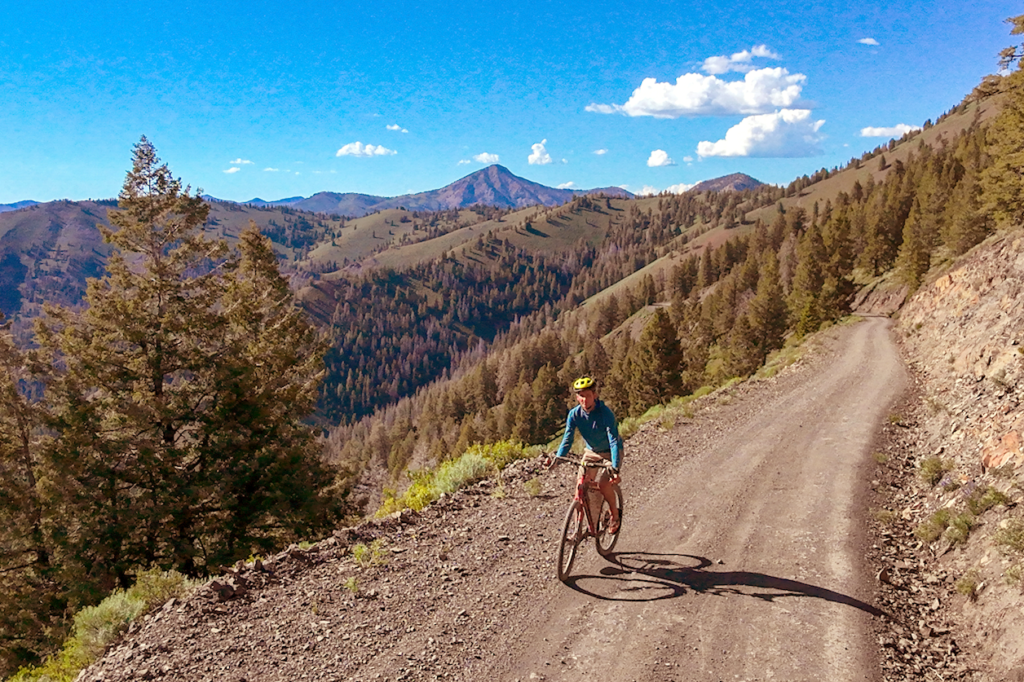
Small towns located along trail networks are discovering an unexpected advantage: trails bring visitors who tend to stay longer and spend locally.
Unlike highway travelers who pass through quickly, trail visitors often stop for food, lodging, and supplies.
In many communities, local businesses have adapted to this new type of visitor.
Examples of trail-based economic development include:
- Coffee shops and bakeries near trailheads
- Bike rental and repair shops
- Small inns and bed-and-breakfasts catering to multi-day hikers
- Farm stands and local markets along trail routes
- Shuttle services connecting trail segments
Some towns have even developed “trail town” programs designed to welcome hikers and cyclists with clear signage, services, and visitor information.
This model demonstrates how outdoor recreation can support rural economic resilience.
The Cultural Stories Hidden Along Trails
Beyond recreation, many country trails also function as cultural corridors.
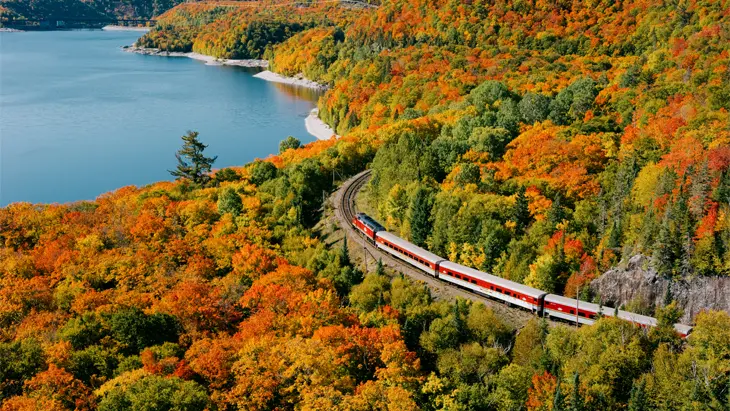
Walking through a landscape often reveals stories that highway travel obscures—old barns, historic bridges, small cemeteries, former railway stations, and agricultural landscapes shaped over generations.
Many trails also pass through areas significant to Indigenous history, early settlement patterns, or industrial heritage.
Interpretive signs, local museums, and community storytelling initiatives increasingly highlight these connections.
Travelers walking a trail may encounter:
- Restored train depots converted into visitor centers
- Historic canal systems used before railroads
- Indigenous cultural sites and preserved landscapes
- Agricultural communities that maintain traditional farming practices
In this way, trails become informal classrooms where geography, history, and culture intersect.
Environmental Awareness and Sustainable Travel
Environmental concerns also play a role in the growing interest in trail-based travel.
Walking and cycling produce far fewer emissions than car-based tourism. As travelers become more conscious of sustainability, trails offer a lower-impact way to explore destinations.
Conservation groups emphasize that well-managed trail systems can also support environmental protection by concentrating recreation in designated corridors while preserving surrounding ecosystems.
Many trail projects incorporate:
- Habitat restoration along former rail corridors
- Native plant reintroduction
- Waterway conservation efforts
- Educational signage about regional ecosystems
For travelers seeking environmentally responsible experiences, trails represent a practical option.
What Travelers Should Know Before Exploring Country Trails
While trails are accessible, thoughtful preparation improves the experience.
Experienced hikers recommend approaching trail travel with the same awareness used for other outdoor activities.
Helpful planning tips include:
- Checking trail conditions and seasonal access
- Bringing water, snacks, and weather-appropriate clothing
- Downloading offline trail maps in areas with weak signal
- Respecting local land-use rules and conservation guidelines
- Supporting nearby businesses when visiting rural areas
Even short trails can offer meaningful experiences when approached with curiosity and preparation.
Frequently Asked Questions
Why are country trails becoming more popular in the U.S.?
Country trails provide accessible outdoor recreation, support wellness, and allow travelers to explore landscapes and communities at a slower pace than highway travel.
What is a rail-trail?
A rail-trail is a former railroad corridor that has been converted into a walking and cycling path. These trails typically have gentle slopes and long, uninterrupted routes.
Are rural trails suitable for beginners?
Many trails are beginner-friendly, especially rail-trails and maintained park paths. Difficulty levels vary, so checking trail descriptions in advance is helpful.
How do trails benefit small towns?
Trail visitors often spend money locally on food, lodging, and supplies, creating steady tourism revenue for rural communities.
Do I need special gear for trail walking?
For most short trails, comfortable walking shoes, water, and basic weather protection are sufficient.
Are trails safe to explore alone?
Many well-maintained trails are safe, but travelers should inform someone of their plans, stay on marked routes, and follow local guidelines.
How can I find trails near me?
Digital platforms, state park websites, and local tourism offices provide detailed trail maps and visitor information.
Are trails open year-round?
Some trails are accessible year-round, while others close seasonally due to weather or wildlife protection.
What makes trail travel different from traditional tourism?
Trail travel emphasizes slower exploration, nature immersion, and connection with local landscapes rather than visiting large attractions.
Can families enjoy trail travel?
Yes. Many trails are designed for families and multi-generational visitors, with accessible paths and scenic rest areas.
Where America’s Next Journeys May Begin
As travel habits continue to evolve, country trails are quietly redefining what exploration looks like in the United States. They remind travelers that meaningful journeys don’t always require long distances or crowded destinations.
Sometimes the most revealing paths are the quiet ones—those that wind through farmland, forests, and small towns, offering a closer look at the landscapes and communities that shape the American experience.
A Quick Recap of the Trail Travel Shift
- More Americans are prioritizing outdoor recreation and wellness travel
- Rail-trails and rural greenways are expanding across the country
- Trail tourism supports local economies in small towns
- Technology makes discovering rural trails easier than ever
- Trail travel aligns with sustainable and slower forms of exploration