Summary
Local ingredients tell the story of American food culture—revealing how geography, climate, immigration, and agriculture shape what Americans eat. From Gulf Coast seafood to Midwestern corn and California produce, regional ingredients influence everyday cooking, restaurant trends, and seasonal menus. Exploring these flavor trails helps explain why American cuisine is so diverse and deeply connected to place.
American food culture is often described as diverse, innovative, and constantly evolving. But beneath the trends and restaurant buzz lies something more foundational: ingredients. The foods that grow, swim, or graze in a region shape how people cook, what restaurants serve, and how communities celebrate meals.
Local ingredients are more than a farm-to-table talking point. They are clues to history, migration, climate, and agriculture. When you follow the path of ingredients across the United States—from Gulf shrimp to Pacific salmon, Vermont maple syrup to California avocados—you begin to understand how regional identity is built around food.
This article explores how local ingredients reveal deeper truths about American cuisine and why regional foods still matter in a globalized food system.
Why Local Ingredients Still Matter in American Cooking
Despite the convenience of global food distribution, regional ingredients remain central to American cooking traditions. Climate, soil conditions, and proximity to water all influence what grows well in a particular place.
The United States spans multiple climate zones, from subtropical Florida to the temperate Pacific Northwest and the semi-arid Southwest. Each region produces ingredients that become staples in local dishes.
According to the USDA, the United States has more than 2 million farms, many specializing in regionally suited crops such as almonds in California, cranberries in Wisconsin, and potatoes in Idaho. These crops often become defining elements of local cuisine.
For example:
- Louisiana cuisine relies heavily on Gulf seafood and rice.
- The Midwest uses corn and pork in many traditional dishes.
- New England cooking frequently features seafood and maple products.
- The Southwest incorporates chiles, beans, and desert-adapted crops.
These ingredients shape not only recipes but also culinary traditions passed down through generations.
Geography on the Plate: How Landscape Shapes Regional Food
If you want to understand why Americans eat what they eat, start with geography.
Different landscapes naturally produce different ingredients. Over time, communities build culinary traditions around what is abundant and affordable.
Coastal Regions
Coastal states naturally develop seafood-based cuisines.
For instance, the Gulf Coast is famous for shrimp, oysters, and crab. Dishes like gumbo and shrimp po’boys reflect the region’s access to fresh seafood combined with French, African, and Caribbean culinary influences.
Similarly, the Pacific Northwest relies heavily on salmon, Dungeness crab, and shellfish. Indigenous food traditions in the region have long centered around seasonal salmon runs.
Agricultural Heartlands
The Midwest’s fertile soil—often called the Corn Belt—produces massive amounts of corn and soybeans. This agricultural abundance influences both home cooking and food manufacturing.
Classic Midwestern foods often include:
- Corn-based dishes
- Pork and beef
- Dairy products
- Hearty casseroles and baked goods
These foods reflect both agricultural output and cultural heritage from European immigrants.
Arid and Desert Regions
In the Southwest, climate limitations led to cuisine centered around drought-tolerant crops such as beans, squash, and chile peppers.
These ingredients are part of the traditional “Three Sisters” agricultural system practiced by many Native American communities: corn, beans, and squash grown together.
Immigration and Ingredients: How Cultures Adapt to Local Food
American cuisine is deeply shaped by immigrant communities adapting their cooking traditions to local ingredients.
When people arrive in a new region, they often substitute local ingredients for familiar ones. Over time, these substitutions create entirely new regional cuisines.
A few examples illustrate this process:
Italian-American Cooking
Italian immigrants arriving in the Northeast in the late 19th and early 20th centuries found abundant wheat, dairy, and tomatoes. This helped shape iconic dishes such as New York pizza and spaghetti with meatballs—dishes that evolved differently from their Italian counterparts.
Tex-Mex Cuisine
Mexican cooking traditions combined with Texas ranching culture and local ingredients like beef and yellow cheese. The result was Tex-Mex staples such as chili con carne, fajitas, and queso.
Chinese-American Food
Chinese immigrants adapted recipes using American vegetables, meats, and sauces, eventually creating dishes like chop suey and orange chicken that differ significantly from traditional Chinese cooking.
These adaptations demonstrate how local ingredients transform culinary traditions rather than simply preserving them.
Seasonal Eating and the Revival of Regional Food
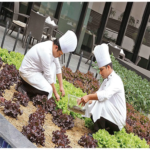
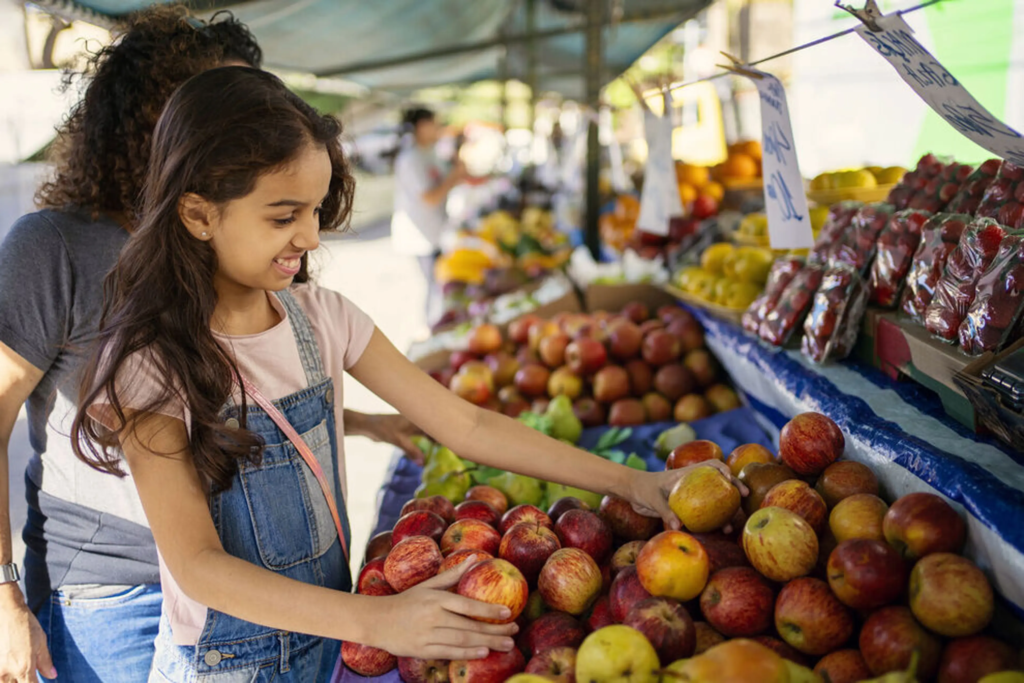
In recent decades, seasonal eating has become increasingly popular across the United States. Farmers markets, local agriculture programs, and farm-to-table restaurants emphasize ingredients grown nearby.
According to the USDA Agricultural Marketing Service, the number of farmers markets in the U.S. grew from fewer than 2,000 in 1994 to more than 8,600 today.
Seasonal produce encourages cooking methods that reflect local harvest cycles.
For example:
- Summer menus highlight tomatoes, corn, and berries.
- Fall cooking focuses on apples, pumpkins, and root vegetables.
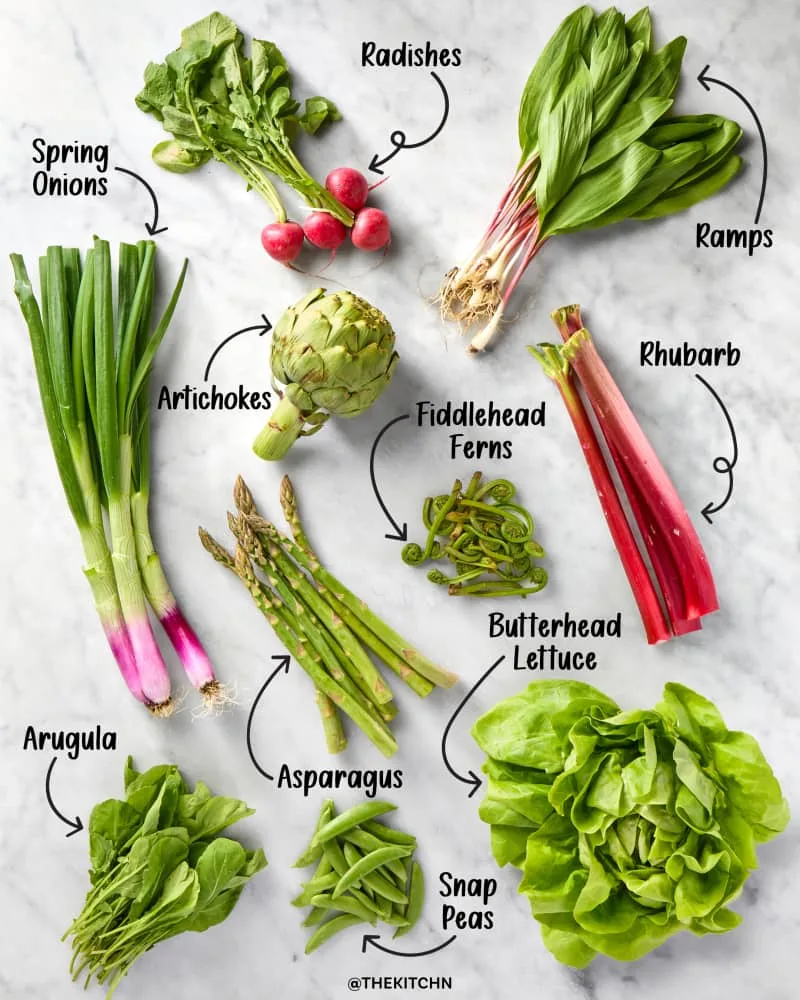
- Spring features asparagus, peas, and fresh greens.
- Winter meals often include preserved foods, grains, and stored vegetables.
Restaurants increasingly design menus around these seasonal shifts, which helps reconnect diners with regional food systems.
Signature American Ingredients That Define Regions
Certain ingredients are so closely associated with specific states or regions that they help define local food identity.
Maple Syrup in the Northeast
Vermont produces roughly half of the United States’ maple syrup supply. This ingredient appears not only in breakfast foods but also in glazes, baked goods, and savory dishes.
Avocados in California
California grows around 90% of domestically produced avocados, making them a staple in West Coast cuisine—from avocado toast to salads and seafood dishes.
Crawfish in Louisiana
Crawfish boils are central to Louisiana food culture, particularly during spring. These community gatherings highlight the importance of local seafood traditions.
Hatch Chiles in New Mexico
Hatch chiles have such a strong regional identity that their annual harvest is celebrated with festivals and seasonal menu specials across the Southwest.
What Local Ingredients Reveal About Community Identity
Food traditions built around local ingredients often become part of regional identity.
For many communities, certain foods signal belonging or cultural pride.
Examples include:
- Lobster rolls in Maine
- Chicago deep-dish pizza
- Kansas City barbecue
- Texas brisket
- Wisconsin cheese curds
These foods are tied not just to ingredients but to shared experiences—family gatherings, festivals, neighborhood restaurants, and long-standing culinary traditions.
Local ingredients help maintain a sense of place in an increasingly standardized food system.
Why Chefs and Home Cooks Are Rediscovering Regional Foods
Many chefs are now returning to regional ingredients to create menus that reflect local ecosystems.
This approach often focuses on:
- Sourcing ingredients from nearby farms
- Highlighting indigenous food traditions
- Reducing long-distance food transportation
- Supporting local agricultural economies
For home cooks, using regional ingredients can also make meals more flavorful and affordable. Produce harvested nearby is often fresher and requires fewer preservatives.
Additionally, cooking with local ingredients can make seasonal eating more intuitive. Instead of relying on imported produce year-round, cooks learn to adapt recipes to what is currently available.
How to Explore American Food Culture Through Ingredients
For anyone interested in understanding American food culture more deeply, ingredients offer a practical starting point.
You can explore regional food traditions by:
- Visiting farmers markets while traveling
- Trying region-specific dishes
- Learning which crops grow in different states
- Talking with local farmers and food producers
- Cooking with seasonal ingredients from your region
Even simple ingredients—like a regional apple variety or locally caught fish—can reveal the history and environment behind a community’s cuisine.

FAQ: Local Ingredients and American Food Culture
Why are regional ingredients important in American cuisine?
Regional ingredients reflect climate, agriculture, and cultural history, shaping traditional dishes and cooking methods.
What are examples of regional foods in the United States?
Examples include Maine lobster rolls, Texas barbecue, Louisiana gumbo, and New Mexico chile dishes.
How do local ingredients affect restaurant menus?
Restaurants often design seasonal menus around locally available produce and seafood, which improves freshness and supports local farms.
What is farm-to-table dining?
Farm-to-table refers to sourcing ingredients directly from nearby farms and producers rather than large distributors.
Why do certain crops grow in specific regions?
Climate, soil conditions, and rainfall patterns determine which crops thrive in different parts of the country.
Are farmers markets growing in popularity in the U.S.?
Yes. The USDA reports more than 8,600 farmers markets nationwide, reflecting increased consumer interest in local foods.
How has immigration shaped American regional food?
Immigrant communities adapted traditional recipes using local ingredients, creating new cuisines such as Tex-Mex and Italian-American food.
Why do chefs emphasize seasonal ingredients?
Seasonal ingredients tend to be fresher, more flavorful, and environmentally sustainable.
What role does agriculture play in regional cuisine?
Local agriculture determines the availability of ingredients, which influences traditional recipes and cooking methods.
Can local ingredients make home cooking better?
Yes. Fresh regional produce often has better flavor and nutritional value compared with long-distance imports.
A Culinary Map Written in Ingredients
American food culture cannot be understood through recipes alone. It is written in landscapes, harvest cycles, fishing seasons, and farming traditions.
Local ingredients connect meals to geography, history, and community identity. They explain why crawfish boils thrive in Louisiana, why apples dominate fall cooking in the Northeast, and why avocados shape West Coast brunch culture.
Following the flavor trail across the United States reveals that American cuisine is not a single tradition—it is a collection of regional stories told through ingredients.
Key Insights from the American Flavor Trail
- Local ingredients reflect climate, geography, and agriculture.
- Regional foods often emerge from immigrant adaptation to new ingredients.
- Seasonal cooking strengthens connections between communities and farms.
- Signature ingredients such as maple syrup, crawfish, and chiles define regional identity.
- Exploring local food systems offers a deeper understanding of American culture.