
Regional food preferences across the United States are increasingly influencing mainstream dining, from fast-casual chains to fine dining. As migration, social media, and local sourcing reshape consumer expectations, restaurants are adapting menus to reflect distinct regional tastes. This article explores how these subtle shifts are redefining what Americans eat—and why local flavor is becoming a national force.

The Rise of Regional Identity in American Dining
For decades, American dining trends were largely shaped by national chains, standardized menus, and broad consumer appeal. Today, that model is evolving. Across the country, regional tastes—once confined to local communities—are gaining influence on a national scale.
This shift isn’t loud or dramatic. It’s gradual, often subtle, and driven by changing consumer expectations. Diners are increasingly drawn to authenticity, locality, and cultural specificity. As a result, dishes that once felt niche—like Nashville hot chicken, New Mexican green chile stew, or Detroit-style pizza—are becoming part of the broader culinary conversation.
The “flavor trail” is not about trend cycles. It’s about how regional identity is shaping everyday dining decisions, from grocery shopping to restaurant menus.
Why Regional Flavors Are Gaining Ground
Several structural and cultural factors are contributing to this shift.
First, internal migration plays a significant role. As Americans relocate for work, lifestyle, or affordability, they bring their food preferences with them. A Texan moving to Colorado may seek out smoked brisket, while a Californian in Texas might look for fresh, produce-forward cuisine. Over time, these preferences influence local markets.
Second, digital exposure has accelerated awareness. Social media platforms have made regional dishes more visible than ever. A food trend that starts in a small Southern city can reach national audiences within weeks, often without traditional media coverage.
Third, supply chains have improved. Ingredients that were once difficult to source outside specific regions—like Hatch chiles or Gulf seafood—are now more accessible. This allows chefs and home cooks to experiment with regional flavors regardless of location.
Finally, consumer values are shifting. According to industry research from the National Restaurant Association, a growing number of Americans prioritize locally sourced and regionally inspired foods, associating them with freshness, quality, and authenticity.
How Restaurants Are Responding
Restaurants are adapting in ways that reflect both opportunity and caution. Rather than overhauling entire menus, many are integrating regional elements strategically.
In fast-casual dining, limited-time regional offerings have become common. These allow brands to test demand without long-term commitment. For example, a Midwest-based chain might introduce a Southern-inspired sandwich or a Southwest-style bowl in select markets.
Independent restaurants, on the other hand, often lean more heavily into regional identity. Chefs are using local ingredients and cultural traditions to differentiate themselves in competitive markets.
Key strategies include:
- Incorporating regional ingredients into familiar dishes
- Highlighting local sourcing on menus
- Offering rotating seasonal items tied to regional harvests
- Collaborating with local producers and artisans
This approach allows restaurants to remain accessible while still offering something distinctive.
The Influence of Regional Comfort Foods
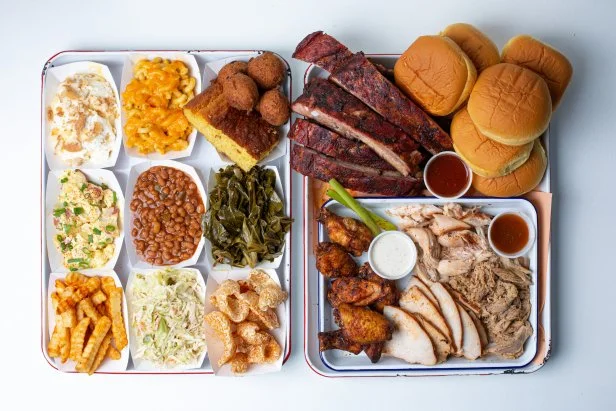
Comfort food has always played a central role in American dining. What’s changing is the definition of “comfort.”
Instead of generic dishes, consumers are gravitating toward foods that reflect specific places and cultures. A bowl of gumbo, a plate of pierogi, or a slice of deep-dish pizza carries a sense of identity that resonates beyond taste alone.
This shift is particularly evident in urban areas, where diverse populations create demand for a wide range of regional cuisines. Food halls, pop-ups, and small-format restaurants are thriving by offering hyper-specific culinary experiences.
Importantly, this trend is not limited to major cities. Smaller markets are also seeing increased interest in regional foods, often driven by local pride and tourism.
Grocery Stores and Retail Are Following Suit
The influence of regional tastes extends beyond restaurants. Grocery stores and food retailers are adjusting their offerings to reflect local preferences.
In many parts of the country, shoppers can now find:
- Region-specific sauces and condiments
- Locally produced snacks and baked goods
- Seasonal items tied to regional agriculture
- Expanded international and regional specialty sections
Retailers are using data analytics to track purchasing patterns and tailor inventory accordingly. This localized approach helps stores stay relevant while meeting the specific needs of their communities.
Meal kit companies and prepared food services are also incorporating regional recipes, recognizing that consumers want both convenience and cultural relevance.
The Role of Tourism and Food Travel
Food tourism has become a major driver of regional flavor awareness. Travelers increasingly plan trips around dining experiences, seeking out local specialties and culinary traditions.
Cities and states are responding by promoting food trails, festivals, and regional cuisine campaigns. These initiatives not only attract visitors but also reinforce local identity.
When travelers return home, they often seek out similar flavors, creating demand in new markets. This cycle helps regional dishes gain national traction without losing their original context.

Challenges in Scaling Regional Flavors
While the rise of regional tastes presents opportunities, it also comes with challenges.
Authenticity is a primary concern. As dishes move beyond their original regions, there is a risk of dilution or misrepresentation. Consumers are increasingly aware of this issue and may respond negatively to inauthentic interpretations.
Supply constraints can also be a limiting factor. Certain ingredients are difficult to source consistently at scale, which can affect quality and pricing.
Additionally, not all regional flavors translate easily across markets. What resonates in one area may not appeal to another, requiring careful adaptation.
Restaurants and brands must balance innovation with respect for tradition, ensuring that regional influences are integrated thoughtfully.
What This Means for American Diners
For consumers, the growing influence of regional tastes offers both variety and depth. Dining is becoming more exploratory, with greater access to diverse flavors and culinary traditions.
At the same time, it encourages a more informed approach to food. Understanding the origins and context of dishes adds value to the dining experience.
Practical ways diners are engaging with this trend include:
- Seeking out locally owned restaurants with regional specialties
- Trying seasonal menus that reflect local agriculture
- Exploring food festivals and markets
- Experimenting with regional recipes at home
This shift reflects a broader cultural movement toward intentional consumption—where choices are guided by curiosity, quality, and connection.
Frequently Asked Questions
1. What are regional flavors in the U.S.?
Regional flavors refer to dishes, ingredients, and cooking styles that are specific to particular areas, such as Southern barbecue, New England seafood, or Southwestern cuisine.
2. Why are regional foods becoming more popular?
Increased migration, social media exposure, and a growing interest in authenticity are driving demand for region-specific dishes.
3. How do restaurants incorporate regional tastes?
Many restaurants introduce limited-time menu items, use local ingredients, or adapt traditional dishes to fit broader audiences.
4. Are regional foods healthier?
Not necessarily. However, locally sourced ingredients are often fresher, which can contribute to better overall quality.
5. What role does social media play?
Social media helps regional dishes gain visibility quickly, allowing them to reach national audiences without traditional marketing.
6. Can regional dishes lose authenticity when scaled?
Yes. Scaling can lead to ingredient substitutions or simplified techniques, which may affect authenticity.
7. How can consumers find authentic regional food?
Look for locally owned restaurants, read reviews, and explore food festivals or cultural events.
8. Are grocery stores adapting to regional tastes?
Yes. Many retailers tailor their inventory based on local preferences and seasonal availability.
9. What is food tourism?
Food tourism involves traveling to experience local cuisine, often focusing on regional specialties and culinary traditions.
10. Will regional flavors continue to grow in influence?
Current trends suggest continued growth, especially as consumers prioritize authenticity and diversity in their dining choices.
Mapping the Future of America’s Flavor Landscape
The evolution of American dining is no longer defined by uniformity. Instead, it is shaped by a mosaic of regional influences that reflect the country’s diversity and movement.
As local tastes continue to inform national trends, the “flavor trail” becomes a dynamic exchange—one where traditions are preserved, adapted, and shared. For diners, this means more meaningful choices. For the industry, it signals a shift toward deeper cultural engagement and long-term relevance.
A Quick Recap of Key Insights
- Regional flavors are influencing mainstream dining across the U.S.
- Migration and social media are accelerating exposure to local cuisines
- Restaurants are integrating regional elements strategically
- Grocery and retail sectors are adapting to localized demand
- Food tourism is expanding awareness and appreciation
- Authenticity and sourcing remain key challenges
- Consumers are becoming more intentional in their food choices