Country trails across the United States are seeing renewed interest as travelers seek slower, more meaningful experiences. From rail-to-trail conversions to scenic byways and rural walking paths, these routes offer affordability, wellness benefits, and deeper connections to local communities. This article explores why nature-focused travel is gaining traction and how Americans are incorporating trails into modern travel plans.
A Noticeable Shift in How Americans Travel
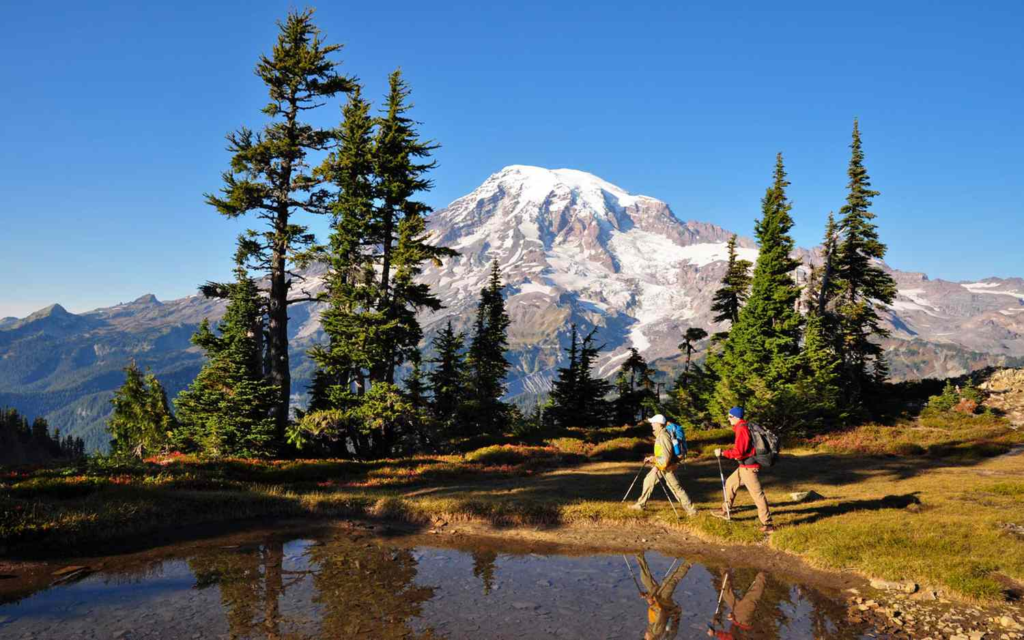
In recent years, a quiet but measurable shift has taken place in American travel habits. While cities and resort destinations remain popular, more travelers are choosing country trails—long stretches of scenic pathways, rural routes, and nature corridors that prioritize experience over itinerary density.
This trend accelerated during the COVID-19 pandemic, when outdoor travel became a safer alternative. However, it has persisted well beyond that period. According to the U.S. Travel Association, domestic leisure travel now shows a strong preference for outdoor destinations, with national parks and trail systems reporting record visitation levels.
What sets country trails apart is not just the landscape, but the pace. Travelers are trading crowded attractions for space, noise for quiet, and structured itineraries for open-ended exploration.
What Are “Country Trails,” Exactly?
Country trails in the U.S. encompass a broad range of routes designed for walking, cycling, driving, or even horseback riding. They often pass through rural landscapes, small towns, and protected natural areas.
These include:
- Rail-to-trail conversions such as the Katy Trail in Missouri
- Scenic byways like the Blue Ridge Parkway
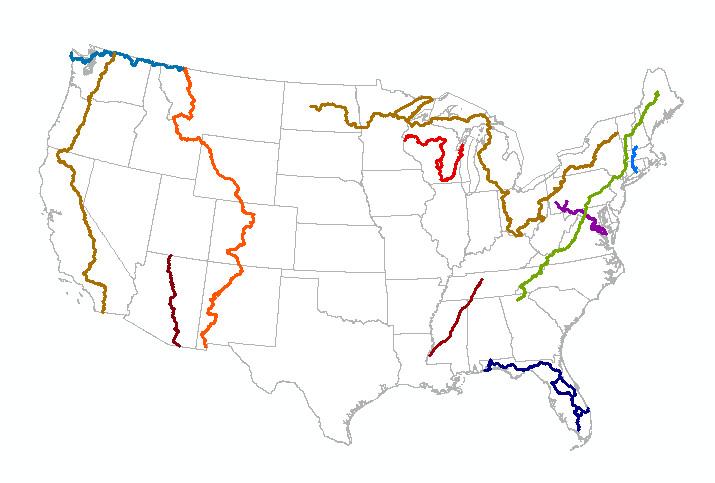
- National Scenic Trails such as the Appalachian Trail
- Regional greenways and agricultural routes
Unlike traditional tourist routes, country trails emphasize continuity and immersion. They encourage travelers to move through environments rather than simply arrive at destinations.
Why Travelers Are Choosing Nature-Focused Routes
The appeal of country trails is rooted in several overlapping trends—wellness, affordability, sustainability, and a growing desire for authenticity.
1. A Shift Toward Slower Travel
Fast-paced itineraries, once considered efficient, are now often seen as exhausting. Travelers are increasingly prioritizing quality over quantity—spending more time in fewer places.
Country trails naturally support this approach. Whether it’s a multi-day cycling trip or a weekend walking route, these experiences encourage intentional movement and deeper engagement.
2. Wellness and Mental Health Benefits
Time spent in nature has well-documented benefits. Studies from organizations like the American Psychological Association highlight how outdoor activity reduces stress, improves mood, and supports overall well-being.
Country trails offer:
- Low-impact physical activity
- Reduced exposure to noise and crowds
- Opportunities for mindfulness and reflection
For many Americans, these benefits are now a primary motivation for travel rather than a secondary perk.
3. Budget-Friendly Travel Options
Traditional vacations—especially those involving flights and resorts—have become increasingly expensive. Country trails provide a cost-effective alternative.
Travelers can:
- Drive instead of fly
- Camp or stay in small inns
- Prepare their own meals
- Avoid high entry fees
A family road trip along a scenic byway often costs significantly less than a week at a major tourist destination, while still delivering a rich experience.
4. A Desire for Authentic, Local Experiences
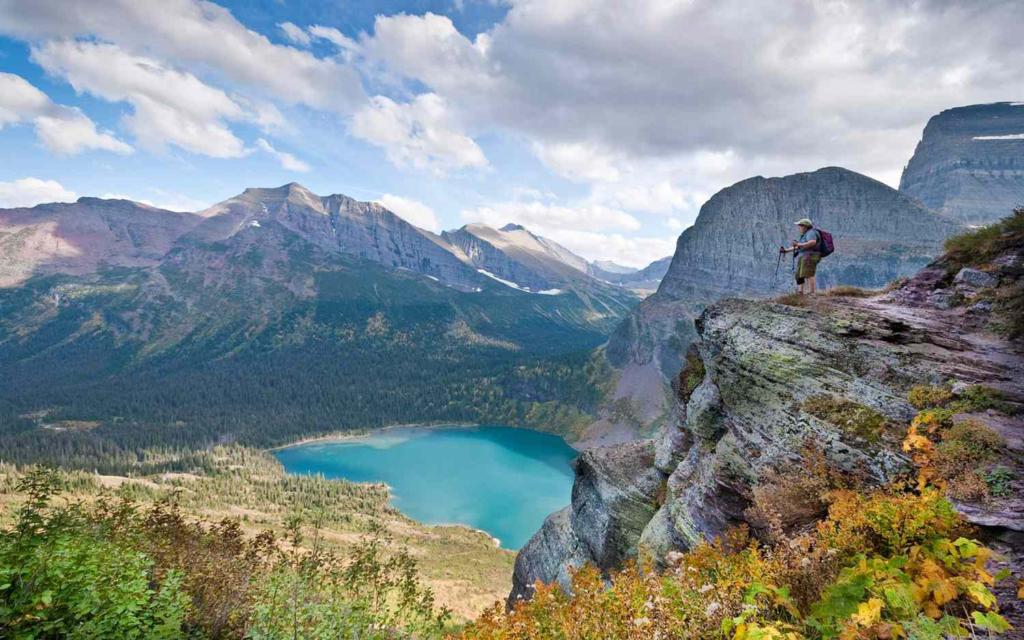
Country trails often pass through communities that are not typically included in mainstream tourism. This creates opportunities for more genuine interactions.
Visitors might:
- Stop at family-owned diners
- Visit local farms and markets
- Learn regional history directly from residents
This kind of travel aligns with a broader cultural shift toward supporting small businesses and understanding local heritage.
The Role of Infrastructure and Accessibility
The rise of country trails is not accidental. It reflects years of investment in infrastructure, particularly through programs like the Rails-to-Trails Conservancy.
The U.S. now has over 25,000 miles of rail-trails, many of which are fully accessible to people of varying mobility levels. Improvements in signage, safety measures, and digital mapping have made these routes easier to navigate than ever.
Key developments include:
- Expanded trail networks connecting multiple towns
- Improved accessibility for wheelchairs and strollers
- Digital tools for route planning and safety tracking
These advancements have broadened the appeal of country trails beyond niche audiences.
Real-World Examples of Popular Country Trails
Across the U.S., several trail systems illustrate how diverse and accessible this travel style has become.
The Katy Trail (Missouri)
Stretching over 240 miles, this rail-trail runs along the Missouri River and connects charming small towns. It’s particularly popular for multi-day cycling trips.
The Blue Ridge Parkway (North Carolina & Virginia)
Often described as “America’s Favorite Drive,” this scenic route offers panoramic mountain views and access to hiking trails.
The Great Allegheny Passage (Pennsylvania & Maryland)
A favorite among cyclists, this trail connects Pittsburgh to Cumberland and links to the C&O Canal Towpath for extended journeys.
Each of these examples demonstrates how country trails can serve both as standalone experiences and as connectors between regions.
How Travelers Are Planning Trail-Based Trips
Planning a country trail trip requires a different approach than traditional vacations. Instead of focusing on destinations, travelers think in terms of routes and segments.
Common planning strategies include:
- Choosing a trail based on distance and difficulty
- Identifying key access points and accommodations
- Planning for weather and seasonal variations
- Packing for flexibility rather than fixed schedules
Many travelers now use apps like AllTrails or Komoot to map routes and track progress, reflecting the growing integration of technology with outdoor travel.
Environmental and Cultural Impact
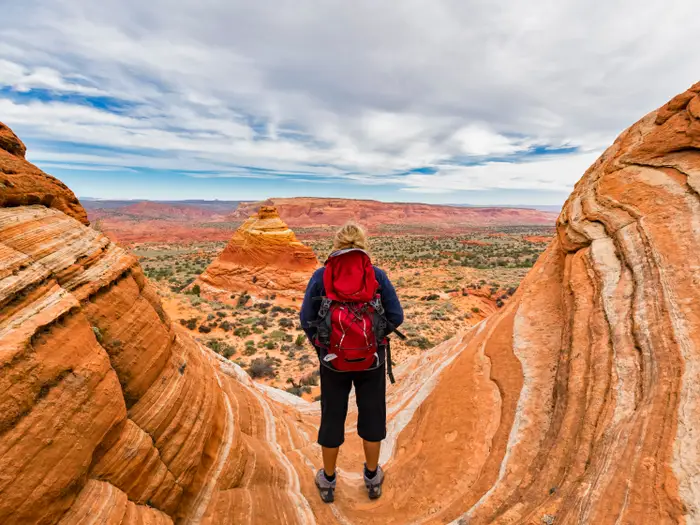
Country trails also play a role in promoting sustainable tourism. By distributing visitors across wider areas, they reduce pressure on overcrowded destinations.
Benefits include:
- Lower environmental impact compared to mass tourism
- Economic support for rural communities
- Preservation of historic routes and landscapes
However, responsible travel remains essential. Increased popularity can lead to trail degradation if not managed properly, making conservation efforts critical.
Challenges and Considerations
Despite their benefits, country trails are not without challenges.
Travelers should be aware of:
- Limited cell service in remote areas
- Fewer amenities compared to urban destinations
- Seasonal accessibility issues (e.g., snow or flooding)
- Safety considerations, particularly for solo travelers
Proper preparation and realistic expectations are key to a positive experience.
Frequently Asked Questions
1. What is the difference between a country trail and a hiking trail?
Country trails are broader routes that may include walking, cycling, or driving, while hiking trails are typically narrower and foot-only.
2. Are country trails suitable for beginners?
Yes, many trails are designed for all skill levels, especially rail-trails with gentle grades.
3. How long do country trail trips usually last?
They can range from a few hours to multi-day journeys, depending on the route and traveler preference.
4. Do I need special equipment?
Basic gear such as comfortable shoes, water, and navigation tools is usually sufficient for most trails.
5. Are country trails safe?
Generally yes, but safety depends on preparation, awareness, and choosing well-maintained routes.
6. Can families travel on country trails?
Many trails are family-friendly and suitable for children, especially paved or well-maintained paths.
7. What is the best time of year to explore country trails?
Spring and fall are often ideal due to moderate weather and scenic views.
8. Are pets allowed on country trails?
Many trails are pet-friendly, but rules vary by location.
9. How do I find country trails near me?
Online platforms like AllTrails and state park websites provide detailed listings and maps.
10. Are there guided tours available?
Yes, some regions offer guided cycling or walking tours for those who prefer structured experiences.
Where the Trail Leads Next
The growing interest in country trails reflects a broader reevaluation of what travel means to many Americans. Rather than chasing landmarks, travelers are prioritizing experiences that feel grounded, restorative, and connected to place.
As infrastructure continues to improve and awareness grows, country trails are likely to become an even more integral part of the U.S. travel landscape—offering an alternative that is both practical and deeply rewarding.
Key Insights at a Glance
- Country trails support slower, more intentional travel
- Outdoor experiences are now a primary travel motivator
- Trail-based trips are often more affordable than traditional vacations
- Rural communities benefit economically from increased visitation
- Planning and preparation are essential for a successful experience