
Summary
American heritage is shaped by the people, places, and ideas that continue to influence everyday life in the United States. From historic landmarks and cultural traditions to founding principles and civic values, this legacy connects past generations with the present. Understanding these enduring elements helps Americans appreciate how history, community, and shared ideals continue to guide the nation’s future.
Understanding What American Heritage Really Means
American heritage is more than a collection of historical events or famous landmarks. It represents the shared experiences, cultural traditions, civic values, and historical narratives that shape how Americans understand their nation and themselves.
In practical terms, American heritage lives in everyday places—historic neighborhoods, public monuments, family traditions, and national celebrations. It also appears in ideas that guide civic life, including constitutional principles, democratic participation, and the belief that individuals can influence the direction of their communities.
According to the National Park Service, the United States protects more than 85 million acres of historic and natural sites, demonstrating how strongly Americans value preserving their past. These places help connect citizens to events and people who helped shape the nation.
American heritage is therefore best understood as a living story—one that continues to evolve while remaining rooted in enduring principles.
The People Who Shaped America’s Identity
Every nation’s heritage is built by individuals who influence its direction. In the United States, the contributions of leaders, activists, innovators, artists, and everyday citizens have shaped the country’s identity across generations.
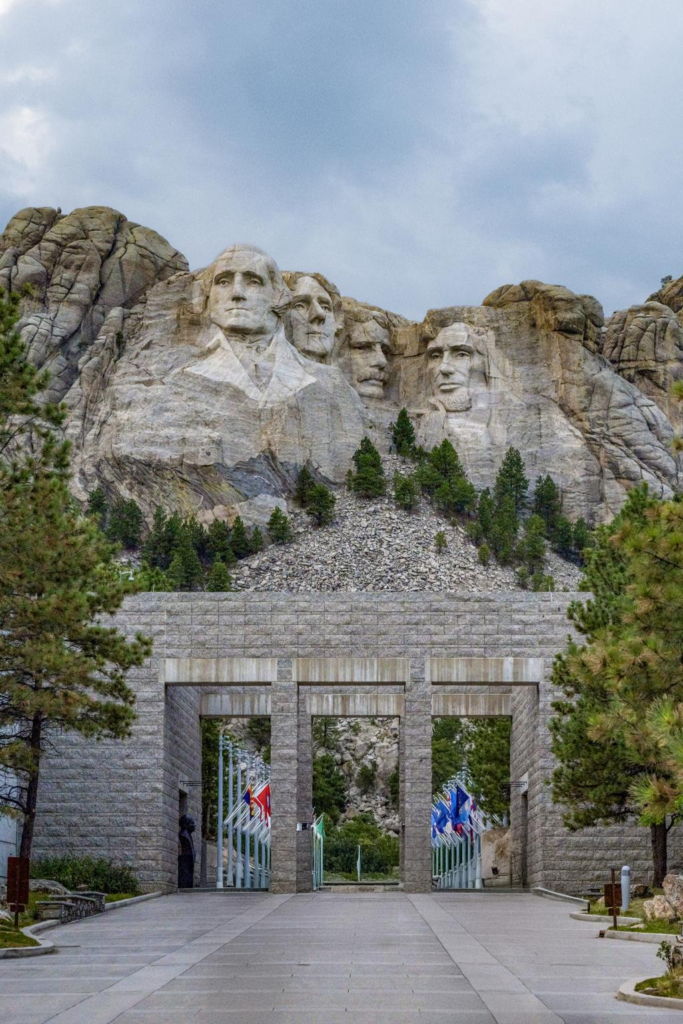
Figures such as George Washington, Abraham Lincoln, and Martin Luther King Jr. are widely recognized for their roles in defining political leadership, unity, and civil rights. Yet American heritage also includes the work of lesser-known individuals—teachers, entrepreneurs, immigrants, soldiers, and community organizers whose efforts helped shape local and national progress.
For example, the leadership of Susan B. Anthony and Frederick Douglass played a crucial role in expanding civil rights and democratic participation.
Key groups that have significantly influenced American heritage include:
- Immigrant communities who brought cultural traditions and economic contributions
- Civil rights leaders who expanded equality and justice
- Indigenous peoples whose cultures and histories predate the nation itself
- Innovators in science, technology, and industry who transformed daily life
These individuals and communities remind us that heritage is shaped not only by famous names, but also by collective effort.
The Places That Preserve America’s Story
Across the United States, historic sites serve as physical reminders of the country’s past. These locations allow people to experience history directly, turning abstract lessons into tangible connections.
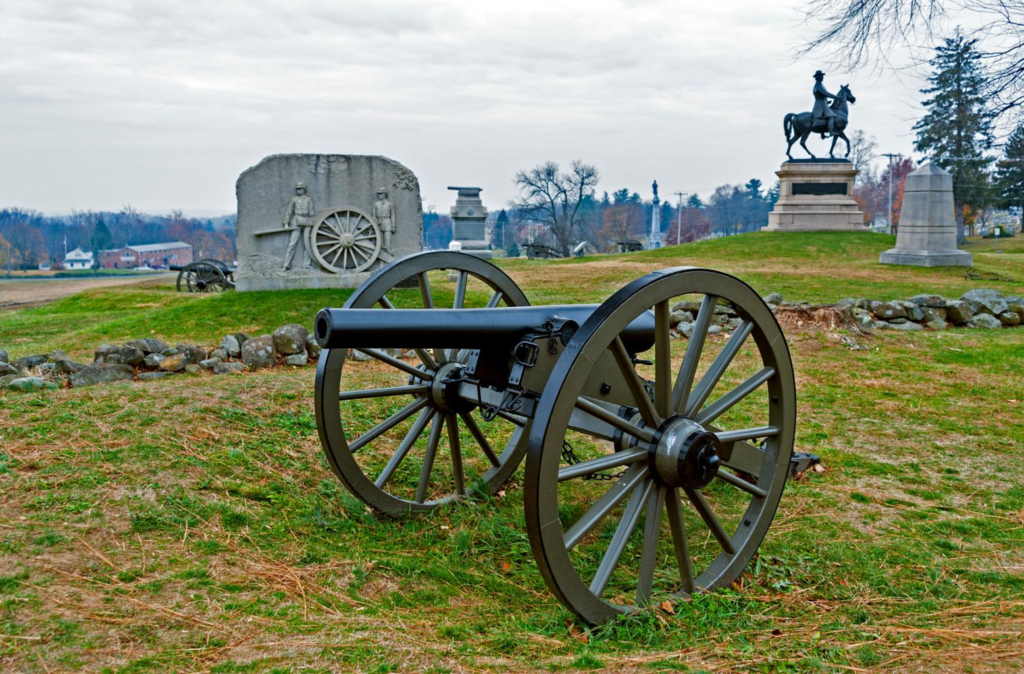
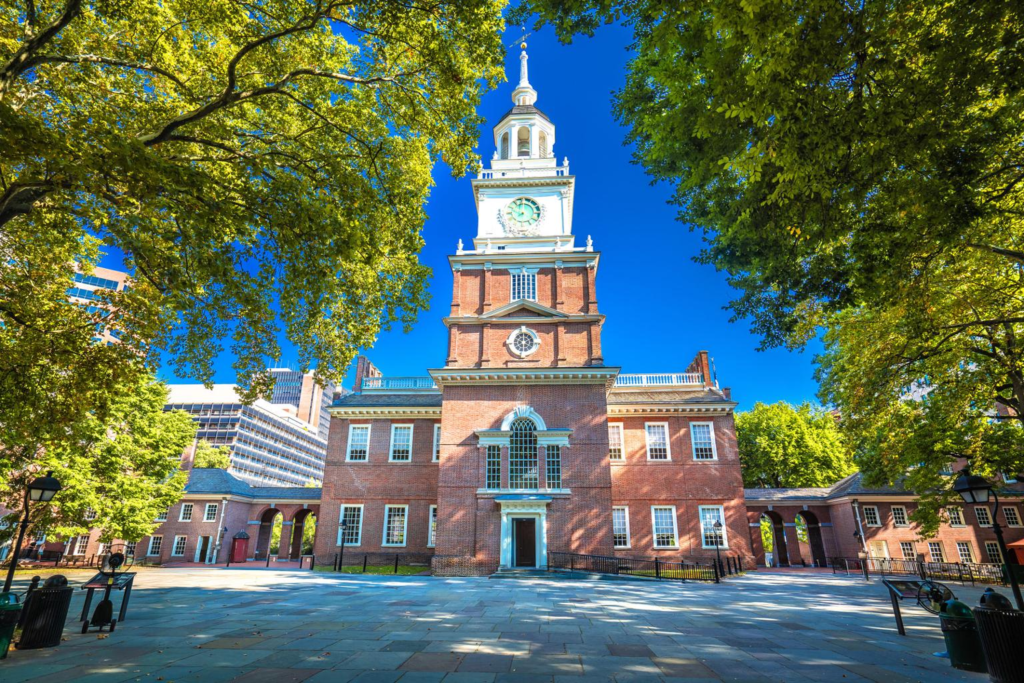
Some of the most recognized heritage locations include Independence Hall, where the Declaration of Independence and the Constitution were debated and adopted, and Gettysburg National Military Park, which commemorates one of the most consequential battles of the Civil War.
Another iconic site is the Statue of Liberty, which has symbolized opportunity and immigration since its dedication in 1886.
Historic preservation efforts across the country help protect thousands of culturally significant locations, including:
- Colonial towns and early settlements
- Civil War battlefields
- Native American cultural sites
- Historic homes and museums
- Industrial heritage sites such as mills and railroads
The National Trust for Historic Preservation notes that preservation efforts not only safeguard history but also support local economies through tourism and education.
Visiting these places provides a powerful reminder that American heritage is tied to real landscapes and communities.
The Ideas That Continue to Guide the Nation
While people and places shape heritage, ideas form its foundation. Several core principles have remained central to American identity since the nation’s founding.
Perhaps the most influential is the concept of democratic governance outlined in the United States Constitution. Adopted in 1787, it established a framework that still guides American law and politics.
Other enduring ideas include:
- Individual liberty and protection of civil rights
- Representative democracy and citizen participation
- Freedom of expression and religion
- Equal opportunity and social mobility
These principles are reinforced through institutions such as the Supreme Court of the United States, which interprets constitutional law, and civic education programs that encourage democratic participation.
The endurance of these ideas helps explain why American heritage remains relevant today. They continue to shape public debate, policy decisions, and civic engagement.
How Cultural Traditions Keep Heritage Alive
Heritage is not preserved solely in textbooks or museums. It also survives through traditions that families and communities pass down across generations.
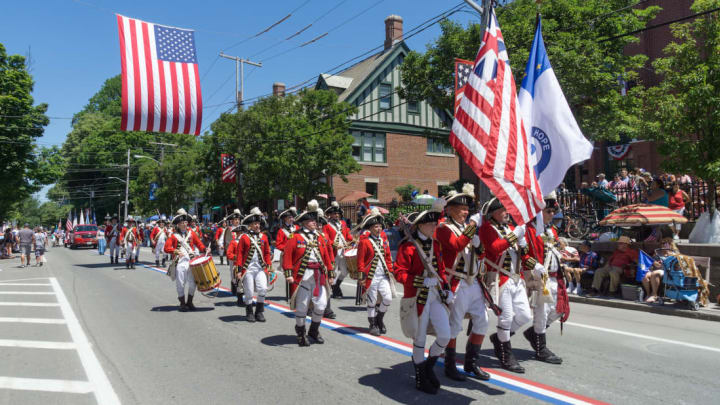
National celebrations such as Independence Day and Thanksgiving are widely recognized examples. These holidays reinforce shared history while providing opportunities for reflection and community connection.
At the local level, heritage is expressed through festivals, food traditions, storytelling, and regional customs. Cities with strong immigrant histories often celebrate cultural diversity through annual heritage events.
Examples of living heritage include:
- Community parades and historical reenactments
- Traditional music and folk art
- Regional food traditions such as Southern barbecue or New England seafood culture
- Family genealogy projects that preserve ancestral stories
According to the Smithsonian Institution, cultural traditions are essential for maintaining historical continuity because they keep stories alive in everyday life.
Why Preserving Heritage Matters Today
In a rapidly changing world, preserving heritage offers stability and perspective. It helps communities understand how past decisions shaped current opportunities and challenges.
Historical awareness also supports informed civic participation. When citizens understand the historical context behind policies and institutions, they are better equipped to engage in public discussions and democratic processes.
Preservation efforts also provide measurable benefits. The Advisory Council on Historic Preservation reports that historic preservation supports hundreds of thousands of jobs in fields such as tourism, restoration, education, and architecture.
Beyond economics, heritage preservation strengthens community identity by:
- Encouraging local pride
- Promoting cross-generational learning
- Protecting culturally significant places
- Supporting educational programs
These outcomes demonstrate that heritage is not only about honoring the past—it also contributes to present-day community well-being.
How Individuals Can Engage With American Heritage
Understanding American heritage does not require formal academic study. Many meaningful ways exist for individuals to connect with history in everyday life.
Simple steps include:
- Visiting local historical museums or heritage sites
- Participating in community heritage festivals
- Researching family history through genealogy resources
- Supporting historic preservation projects
- Reading primary historical documents or biographies
Public libraries, historical societies, and educational institutions often provide free resources for exploring these topics.
By participating in these activities, individuals help ensure that heritage remains an active and evolving part of American culture.
Frequently Asked Questions About American Heritage
What does American heritage include?
American heritage includes the historical events, cultural traditions, civic values, and influential individuals that have shaped the United States. It encompasses both national milestones and local community histories.
Why is American heritage important?
Heritage helps people understand the historical context behind modern institutions, cultural traditions, and civic values. It provides insight into how the nation developed and how its principles continue to influence society.
How is American heritage preserved?
Heritage is preserved through historic site protection, museums, archives, cultural festivals, and educational programs supported by organizations such as the National Park Service and historical societies.
What are some famous American heritage landmarks?
Well-known examples include Independence Hall, the Statue of Liberty, and Gettysburg National Military Park, all of which represent important moments in American history.
How do traditions contribute to heritage?
Traditions such as national holidays, regional festivals, and family customs help transmit historical knowledge and cultural identity across generations.
What role do immigrants play in American heritage?
Immigrants have significantly influenced American culture by contributing traditions, economic innovation, and cultural diversity throughout the country’s history.
How can families teach children about heritage?
Families can visit historic sites, explore genealogy, read historical books, and discuss national holidays to help children understand historical traditions.
What is cultural heritage?
Cultural heritage refers to traditions, languages, arts, and customs that communities preserve and pass down through generations.
Are historic preservation programs effective?
Yes. Preservation programs protect significant sites, support local economies through tourism, and provide educational opportunities for communities.
How does heritage influence modern society?
Heritage shapes modern institutions, laws, cultural values, and civic engagement by preserving lessons from the past.
Carrying the American Story Forward
American heritage continues to evolve as new generations interpret the past while shaping the future. The people who influenced history, the places that preserve national memory, and the ideas that guide civic life all contribute to a shared narrative.
By learning about these elements and engaging with them in meaningful ways, individuals help ensure that this legacy remains relevant and accessible for future generations.
Key Insights to Remember
- American heritage includes historical events, traditions, cultural practices, and civic values.
- Influential individuals and communities helped shape the nation’s identity.
- Historic sites connect people to important moments in American history.
- Foundational ideas such as democracy and liberty remain central to national life.
- Cultural traditions help keep historical knowledge alive across generations.
- Preservation efforts protect important landmarks and support local communities.
- Individuals can actively engage with heritage through education, travel, and community events.