Summary
Country trails change dramatically throughout the year, offering different scenery, wildlife activity, trail conditions, and outdoor experiences each season. Spring brings renewal and wildflowers, summer offers long hiking days, fall delivers color and crisp air, and winter transforms trails into quiet landscapes. Understanding these seasonal differences helps hikers, walkers, and nature lovers plan safer, more rewarding trail experiences year-round.
Why Seasonal Changes Matter on Country Trails
Across the United States, country trails—from rural rail-trails and farmland paths to forest routes and mountain backroads—transform with the seasons. Temperature shifts, daylight length, plant cycles, and wildlife behavior all influence what you experience outdoors.
For hikers, walkers, trail runners, and photographers, each season offers unique benefits and challenges. A trail that feels lush and vibrant in June may become a golden tunnel of leaves in October and a silent, snow-covered corridor by January.
Understanding these seasonal differences helps visitors choose the right gear, timing, and expectations.
According to data from the National Park Service, outdoor recreation visits in the U.S. exceeded 325 million visits in 2023, with trail-based activities—hiking, walking, and wildlife observation—among the most common. Many of those visitors return to the same trails repeatedly because seasonal changes create entirely new experiences.
Spring Trails: Renewal, Water, and Wildflowers
Spring marks the transition from winter dormancy to active growth. On country trails, this is when landscapes come back to life.
Melting snow and seasonal rains feed creeks and wetlands. Trees bud, grasses return, and the forest floor fills with emerging plants.
For hikers, spring offers an energizing sensory experience: the smell of damp soil, birds returning from migration, and the first patches of color among the greenery.
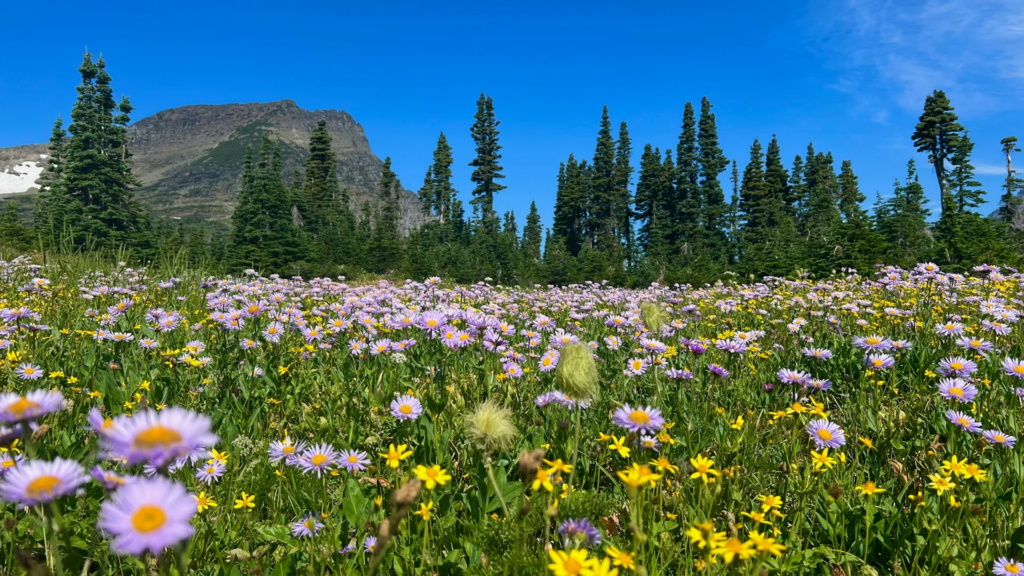
Wildflower season is one of the biggest draws on rural trails during spring. In many regions of the U.S., hikers can see:
- Trillium in eastern forests
- Bluebonnets across Texas countryside trails
- Lupine and poppies in western states
- Skunk cabbage and marsh marigolds in wetlands
Spring is also a peak time for birdwatching. Warblers, thrushes, and other migratory birds move north through forests and farmland corridors, making country trails excellent viewing locations.
However, spring hiking requires awareness of trail conditions.
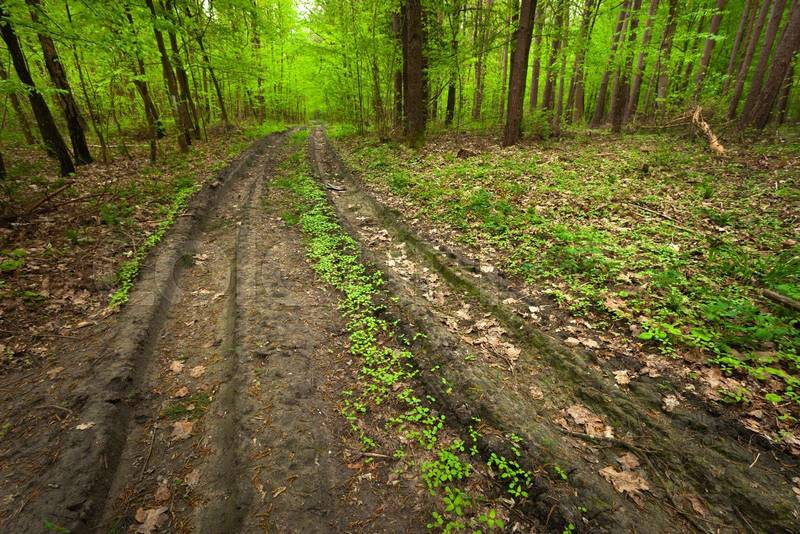
Many rural trails become muddy due to snowmelt or rain. Unpaved farm roads and woodland paths may be soft or slippery.
Helpful tips for spring trail visits:
- Wear waterproof hiking shoes or boots
- Stay on established trails to prevent erosion
- Bring insect repellent as mosquitoes begin emerging
- Start hikes later in the morning to avoid cold early temperatures
Despite occasional mud, spring offers one of the most biologically active seasons for exploring rural landscapes.
Summer Trails: Long Days and Full Access
Summer is the most popular season for trail use across the U.S., largely because of longer daylight hours and predictable weather.
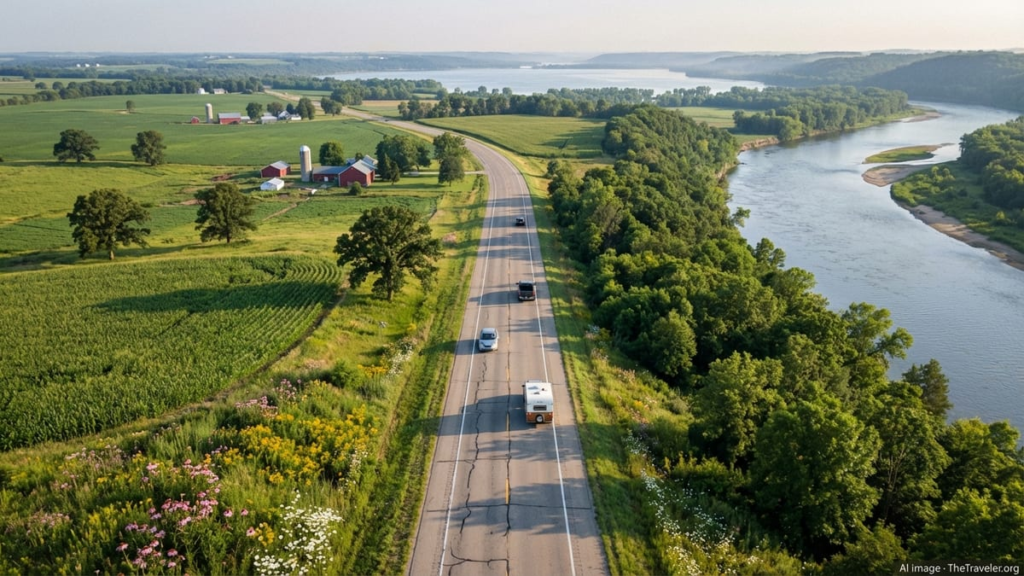
Country trails during summer feel expansive and energetic. Trees reach full canopy, creating shaded pathways in forests and green corridors through farmland.
For many hikers and cyclists, summer provides the most flexibility. With daylight stretching until 8–9 PM in many states, it’s possible to enjoy trails after work or during evening walks.
Summer trails are especially appealing for:
- Family hikes and nature walks
- Trail running and long-distance hiking
- Cycling on rail-trails and rural greenways
- Wildlife observation in early morning or dusk
However, summer also presents the greatest heat-related risks.
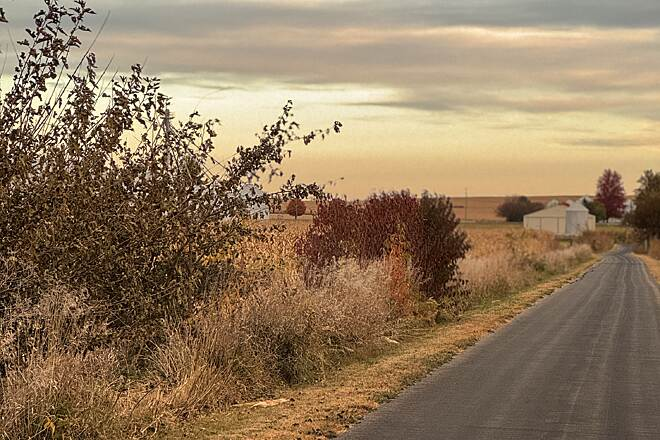
In open countryside, especially in prairie regions or farmland areas, trails may offer little shade. Temperatures can climb quickly.
Planning ahead improves safety and comfort.
Smart summer trail habits include:
- Start early in the morning
- Carry at least 1 liter of water per hour of hiking
- Wear light-colored breathable clothing
- Take breaks in shaded areas
Summer also brings peak insect activity. Ticks are particularly common in grassy trails and wooded areas across much of the country.
Preventive measures such as long socks, insect repellent containing DEET or picaridin, and post-hike tick checks can reduce risk.
Despite the heat, summer offers unmatched accessibility and trail diversity.
Fall Trails: Color, Crisp Air, and Peak Scenic Beauty
For many Americans, fall is the most visually dramatic season on country trails.
As temperatures cool and daylight softens, forests transition into vibrant displays of red, orange, and gold.
The phenomenon—known as fall foliage—is driven by chemical changes in leaves as trees prepare for winter dormancy.
Country trails running through mixed hardwood forests are particularly famous for fall color.
Popular regions include:
- The Appalachian Mountains
- New England forests
- Upper Midwest hardwood trails
- Pacific Northwest mountain corridors
Fall hiking offers several advantages over summer.
Temperatures are cooler, insects decline sharply, and the air becomes drier and more comfortable for physical activity.
The sensory experience is distinct: dry leaves crunch underfoot, sunlight filters through thinning trees, and wildlife becomes more active preparing for winter.
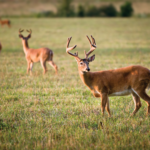
Fall is also prime time for wildlife sightings. Deer, elk, and other mammals increase feeding activity before colder months arrive.
Hikers often enjoy:
- Clear views as foliage thins later in the season
- Cooler temperatures ideal for long hikes
- Photographic opportunities during peak foliage weeks
One challenge is timing. Peak fall color may only last one to three weeks depending on location and weather patterns.
Checking regional foliage forecasts can help visitors plan hikes during the most colorful periods.
Winter Trails: Quiet Landscapes and Solitude
Winter transforms country trails into calm, minimalist environments.
Where summer trails may be busy with hikers and cyclists, winter often brings silence and solitude.
Snow reshapes the terrain, softening landscapes and highlighting natural contours that may go unnoticed during warmer months.
Many rural trails remain open during winter, though conditions vary widely by region.
In northern states and mountainous areas, trails become popular for:
- Snowshoeing
- Cross-country skiing
- Winter hiking with traction gear
In milder regions, winter simply means colder temperatures and bare trees, creating wide-open views across fields and forests.
One of the most striking aspects of winter trails is visibility. Without leaves on trees, hikers can often see farther across valleys and woodland areas.
Wildlife tracks become easier to identify in snow or frost.
Common winter trail observations include:
- Deer and rabbit tracks
- Fox or coyote prints
- Bird activity near water sources
However, winter requires extra preparation.
Cold temperatures and icy surfaces increase risk if hikers are unprepared.
Important winter trail safety considerations include:
- Dress in insulating layers
- Carry traction devices for icy trails
- Start hikes earlier due to shorter daylight hours
- Check trail closures or weather conditions beforehand
While winter trails require planning, they offer one of the most peaceful outdoor experiences available.
How Seasonal Changes Affect Trail Conditions
Beyond scenery, the seasons significantly affect how trails behave physically.
Understanding these changes helps hikers avoid damage to trails and improve safety.
Common seasonal trail conditions include:
Spring
- Muddy ground from snowmelt
- Flooded low areas
- Early plant growth covering narrow trails
Summer
- Dry, firm surfaces
- Dusty conditions on heavily used trails
- Increased insect populations
Fall
- Leaf-covered trails that can hide rocks or roots
- Cooler temperatures and stable footing
- Occasional wet surfaces after rain
Winter
- Snow-packed trails
- Ice in shaded areas
- Reduced visibility during storms
Responsible hikers adjust their approach accordingly to protect both themselves and the trail ecosystem.
Choosing the Best Season for Your Trail Goals
Different outdoor goals align better with specific seasons.
If your goal is wildflowers and birdwatching, spring offers the most biological activity.
If you prefer long-distance hiking and extended daylight, summer is ideal.
For photography and scenic views, fall often delivers the most dramatic landscapes.
If you’re looking for quiet trails and solitude, winter can be surprisingly rewarding.
Many experienced hikers return to the same trail multiple times throughout the year precisely because each season offers something new.
Frequently Asked Questions
What is the best season to hike country trails in the United States?
Fall is widely considered the most comfortable season due to cooler temperatures, fewer insects, and scenic foliage. However, each season offers unique experiences depending on personal preferences and regional climate.
Are country trails safe to hike in winter?
Yes, many are safe if hikers prepare properly. Traction devices, warm layered clothing, and awareness of daylight hours are important for winter trail safety.
Why are trails often muddy in spring?
Snowmelt and seasonal rain saturate the ground. Soil becomes soft, especially on unpaved trails, making mud common until temperatures stabilize.
How early should you start summer hikes?
Starting before 9 AM is recommended in many regions to avoid peak heat and ensure access to cooler morning temperatures.
Are fall trails more crowded?
In popular foliage regions like New England or the Appalachian Mountains, fall weekends can be busy due to leaf-peeping tourism.
Do animals behave differently on trails during fall?
Yes. Many mammals increase feeding activity in fall to prepare for winter, which can make wildlife sightings more common.
What gear changes with each season?
Footwear, clothing layers, hydration needs, and traction gear vary significantly depending on temperature, trail surface, and weather conditions.
How can hikers minimize environmental impact year-round?
Staying on marked trails, avoiding muddy paths during spring thaw, packing out trash, and respecting wildlife help preserve trails.
Do trails close during winter?
Some trails close due to snow or safety concerns, but many remain open for winter recreation like snowshoeing and cross-country skiing.
Why do some trails look completely different across seasons?
Plant growth cycles, leaf cover, snow accumulation, and changing sunlight angles dramatically alter the appearance of landscapes.
Experiencing the Same Trail in Four Different Ways
One of the most rewarding aspects of country trails is their ability to transform throughout the year.
A quiet farm road can become a corridor of wildflowers in spring, a shaded tunnel in summer, a golden canopy in fall, and a snow-lined path in winter.
For outdoor enthusiasts, returning to familiar trails each season builds a deeper understanding of local ecosystems.
You begin to notice subtle patterns—when certain birds arrive, where frost forms first, or how the same hillside changes color month by month.
Those seasonal rhythms are what make country trails endlessly worth revisiting.
Key Observations for Year-Round Trail Explorers
- Spring brings renewal, wildflowers, and migratory birds
- Summer offers the longest hiking days and full trail accessibility
- Fall provides the most dramatic scenery and comfortable temperatures
- Winter creates quiet landscapes and excellent opportunities for solitude
- Trail conditions shift throughout the year, requiring different gear and planning