Summary
America’s cultural legacy is shaped by centuries of traditions, historical moments, and diverse communities. From national holidays and regional customs to landmark stories that shaped civic values, these cultural threads continue to influence daily life in the United States. Understanding how traditions evolved helps explain how Americans share identity, preserve history, and pass values across generations.
Introduction: Why Cultural Legacy Still Matters in the United States
Every country carries stories that shape its identity, but in the United States, cultural legacy is especially layered. Built by generations of immigrants, Indigenous nations, and evolving communities, American culture reflects both shared ideals and regional diversity. Traditions, celebrations, local customs, and historical narratives continue to shape how Americans see themselves today.
Cultural legacy is not simply about preserving the past. It also influences civic participation, education, and community life. According to the National Endowment for the Humanities, cultural institutions such as museums, historic sites, and public archives serve millions of Americans each year, helping connect people to the nation’s shared story.
Across the country, heritage can be experienced in many forms: historic towns, public monuments, family traditions, national holidays, music, food, and storytelling. These elements collectively explain how American identity has evolved while maintaining recognizable values such as independence, community participation, and democratic ideals.
The Foundations of America’s Cultural Identity
America’s cultural identity emerged from several key historical influences. While the nation is relatively young compared with many civilizations, its traditions reflect both deep historical roots and constant adaptation.
The country’s cultural framework is built on:
- Indigenous traditions and knowledge systems
- Colonial and early American civic ideals
- Immigration waves that introduced new languages, customs, and foods
- Regional traditions shaped by geography and industry
The interaction of these influences created a culture that values both shared national identity and local expression.
For example, Indigenous communities preserved traditions tied to land stewardship, storytelling, and ceremonies long before the formation of the United States. Today, many of these cultural practices remain central to tribal communities and are increasingly recognized as vital components of the country’s heritage.
Meanwhile, early American traditions—such as town hall meetings, civic debates, and community festivals—helped establish the nation’s emphasis on public participation and local governance.
National Traditions That Shape American Life
Certain traditions have become widely recognized symbols of American culture. These events and customs connect generations through shared experiences.
Widely Celebrated National Traditions
- Independence Day (July 4) celebrations with parades, fireworks, and community gatherings
- Thanksgiving, centered on family meals and reflection on gratitude
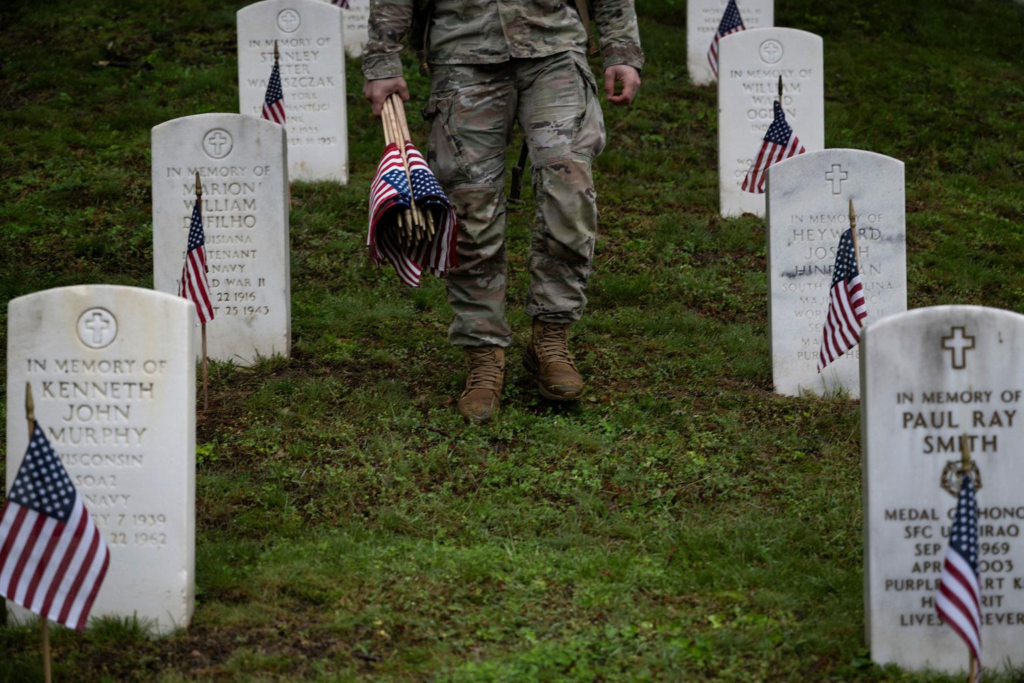
- Memorial Day and Veterans Day, honoring military service
- Martin Luther King Jr. Day, recognizing civil rights history
- Presidential inaugurations and civic ceremonies
These traditions reinforce historical memory while also reflecting evolving values.
For example, Independence Day celebrations highlight the founding principles of the nation, while Martin Luther King Jr. Day emphasizes the ongoing pursuit of civil rights and equality.
According to the U.S. Travel Association, millions of Americans travel each year during major holidays, demonstrating how traditions often combine family connection with cultural reflection.
The Role of Storytelling in American Heritage
Storytelling has long been a cornerstone of American cultural identity. Stories preserve historical memory and help communities interpret the past.
American storytelling appears in several forms:
- Literature and historical writing
- Oral traditions passed down within families
- Documentary films and journalism
- Museum exhibitions and historical reenactments
Classic American narratives often focus on themes such as resilience, opportunity, migration, and social change.
For instance, stories from the Great Migration, when millions of African Americans moved from the rural South to northern cities during the 20th century, continue to shape American cultural understanding. These narratives appear in literature, music, and academic research, helping modern audiences understand social and economic transformation.
Similarly, immigrant family stories often describe journeys, sacrifices, and community building, reinforcing the idea that American culture is shaped by many voices.
Regional Traditions Across the United States
Although national symbols unify Americans, regional traditions add rich diversity to the cultural landscape.
Different parts of the country celebrate unique customs rooted in local history.
Examples of Regional Cultural Traditions
- New England town festivals and colonial reenactments
- Southern barbecue traditions and community gatherings
- Midwestern county fairs and agricultural exhibitions
- Southwestern Native American art markets and cultural festivals
- Pacific Northwest maritime traditions and environmental stewardship events
These traditions illustrate how geography and history influence cultural practices.
County fairs, for example, remain an important tradition across rural America. According to the International Association of Fairs and Expositions, more than 2,000 agricultural fairs are held annually in the United States, showcasing local food, crafts, livestock, and community pride.
Cultural Institutions That Preserve American Heritage
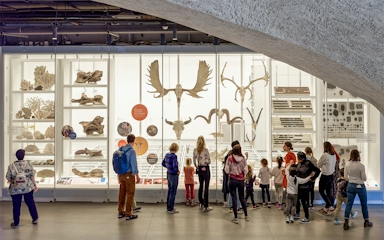
Across the United States, museums, archives, historic landmarks, and educational institutions play a crucial role in preserving cultural memory.
Many Americans engage with heritage through visits to historical sites or cultural institutions.
Key Institutions That Preserve Cultural Legacy
- National and regional museums
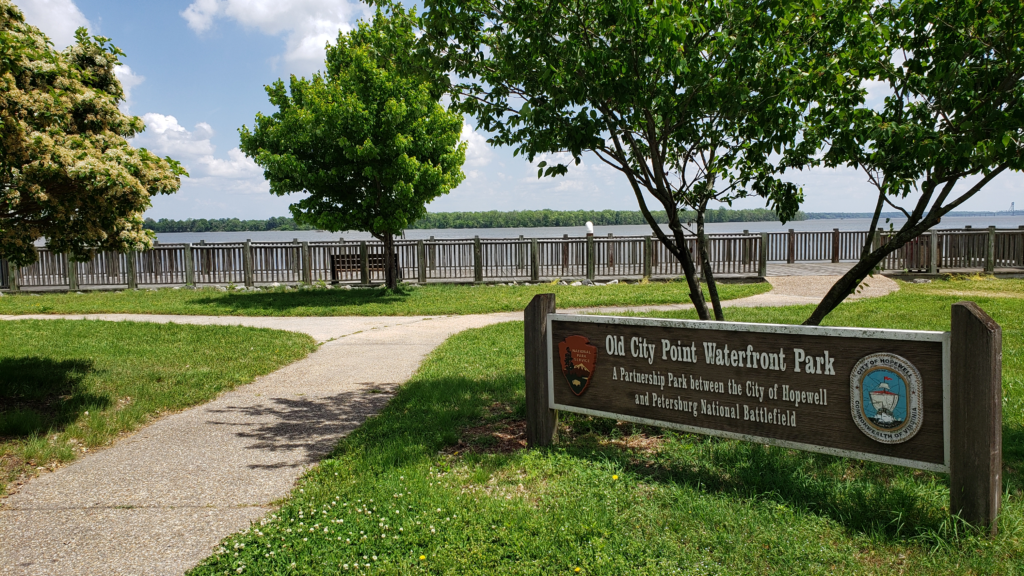
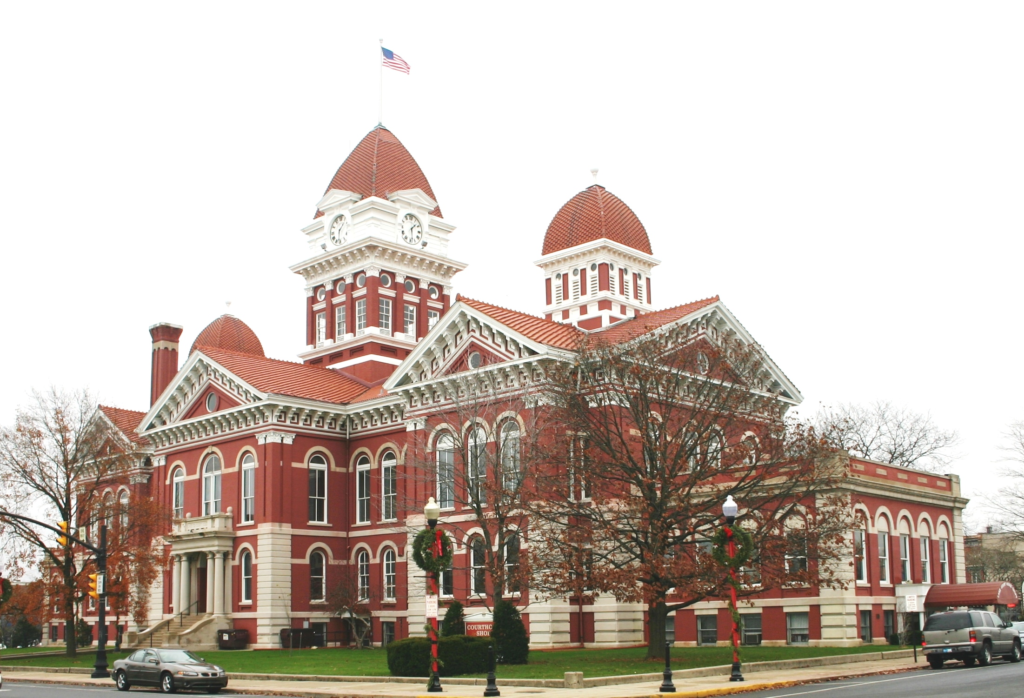
- Historic battlefields and monuments
- Local historical societies
- Public libraries and archives
- National parks and protected heritage landscapes
The National Park Service alone protects more than 400 historic sites, parks, and cultural landmarks, including places connected to civil rights history, Indigenous heritage, and early American settlement.
These sites allow visitors to experience history firsthand. Walking through preserved historic districts or visiting historic homes often makes national stories more tangible and personal.
Cultural Traditions Passed Through Families
While public institutions preserve national narratives, families play an equally important role in maintaining cultural legacy.
Family traditions often include:
- Holiday recipes and shared meals
- Storytelling about previous generations
- Cultural celebrations tied to ancestral heritage
- Family reunions and genealogical research
Genealogy research has become increasingly popular in the United States. According to the Pew Research Center, interest in ancestry and family history has grown significantly with the rise of digital archives and DNA ancestry services.
Understanding family history helps individuals connect personal identity to broader historical developments such as immigration waves, industrialization, or regional migration.
How Cultural Legacy Continues to Evolve
American heritage is not static. Cultural traditions change as new communities contribute their experiences.
Modern cultural influences include:
- Contemporary arts and music movements
- Digital storytelling and historical preservation online
- New cultural festivals celebrating diverse communities
- Educational programs highlighting overlooked historical narratives
Recent efforts to document local histories—such as community archives and digital storytelling projects—have expanded public understanding of American heritage.
Cities across the country now host cultural heritage festivals celebrating diverse communities, including Hispanic heritage celebrations, Asian American cultural festivals, and Indigenous cultural events. These gatherings highlight the evolving nature of American culture while honoring historical traditions.
Why Understanding Cultural Legacy Matters Today
Exploring cultural legacy offers practical benefits beyond historical knowledge.
Understanding the nation’s traditions helps Americans:
- Appreciate cultural diversity and shared values
- Strengthen civic engagement and community identity
- Preserve historic landmarks and cultural resources
- Pass knowledge to future generations
In a country shaped by migration and change, cultural legacy acts as a bridge between past and future.
By studying traditions and stories, communities gain a deeper understanding of the social movements, innovations, and cultural exchanges that shaped modern American life.
Frequently Asked Questions
What is meant by America’s cultural legacy?
America’s cultural legacy refers to the traditions, historical events, customs, stories, and cultural practices that have shaped the nation’s identity over time.
Why are traditions important in American culture?
Traditions help connect generations, reinforce shared values, and preserve historical memory through celebrations, customs, and storytelling.
How do immigrants influence American culture?
Immigrant communities contribute languages, food traditions, festivals, music, and entrepreneurial culture, continually reshaping American identity.
What role do museums play in preserving cultural heritage?
Museums protect historical artifacts, documents, and stories that help the public understand national and local history.
How can individuals explore their cultural heritage?
People often explore heritage through genealogy research, family storytelling, visiting historic sites, or participating in cultural festivals.
What are examples of American cultural traditions?
Examples include Thanksgiving celebrations, Independence Day events, regional festivals, and community gatherings such as county fairs.
How do regional traditions influence American identity?
Regional traditions reflect local history, geography, and community values, contributing to the country’s cultural diversity.
Why is storytelling important in American history?
Stories preserve experiences and perspectives that help people understand historical events and cultural change.
How do national parks contribute to cultural preservation?
Many national parks protect historic landmarks, Indigenous heritage sites, and landscapes connected to major historical events.
Is American culture still evolving today?
Yes. New communities, technologies, and cultural movements continue to shape American traditions and identity.
A Living Tapestry of American Identity
America’s cultural legacy is best understood not as a fixed historical record but as an evolving tapestry woven from countless experiences. Traditions, community events, storytelling, and historical preservation efforts all contribute to the nation’s shared identity.
From small-town festivals to national memorials, Americans continue to reinterpret the past while shaping the future. These traditions and stories ensure that history remains visible in everyday life, strengthening both cultural understanding and civic connection across generations.
Key Cultural Insights at a Glance
- American culture reflects a blend of Indigenous heritage, immigration, and regional traditions
- National holidays and civic ceremonies reinforce shared historical memory
- Regional customs add diversity to the broader American cultural identity
- Museums, historic sites, and national parks protect cultural heritage
- Family traditions and storytelling keep historical experiences alive
- Cultural identity continues evolving through new communities and perspectives