Summary
American heritage isn’t confined to museums or national holidays—it quietly shapes daily routines, institutions, language, and traditions. From the layout of neighborhoods to the food we eat and the rights we exercise, centuries of historical influence remain embedded in everyday life. Recognizing these connections deepens civic awareness and helps Americans better understand the origins of modern culture.
Why American Heritage Still Shapes Daily Life
Many people think of history as something separate from everyday experience—events preserved in textbooks, documentaries, and historic landmarks. In reality, American heritage actively shapes how people work, govern communities, celebrate holidays, and interact with one another.
Historical influences persist because institutions, customs, and infrastructure rarely emerge overnight. Instead, they evolve over generations, preserving earlier ideas even as society modernizes.
For example:
- The structure of American democracy still reflects debates from the late 18th century.
- Local school systems trace their origins to early colonial education models.
- Common phrases and cultural references draw from centuries of immigration and regional identity.
According to the National Endowment for the Humanities, public engagement with history and heritage remains strong—millions of Americans visit historic sites annually and participate in cultural traditions tied to earlier generations.
Understanding these everyday influences helps explain why certain practices feel “natural” in American life—even though they were shaped by specific historical conditions.
The Design of American Towns and Cities
One of the most visible but often unnoticed legacies of American history is the physical design of communities.
Many towns and cities follow patterns established centuries ago.
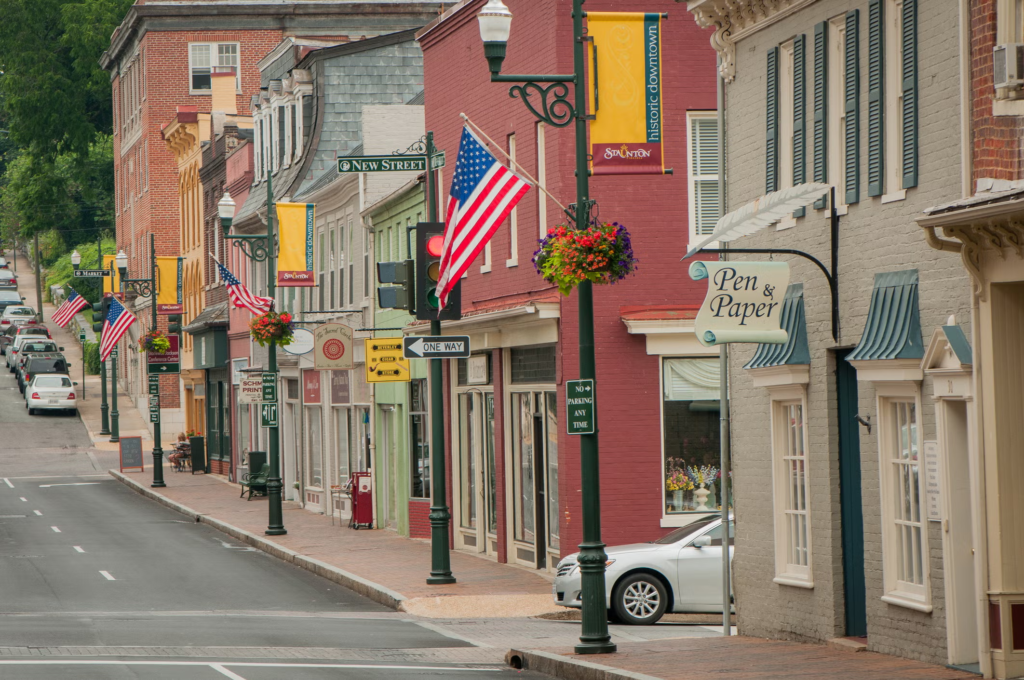
Early colonial settlements in the Northeast were often built around central commons or town squares, where civic life, markets, and local governance occurred. These spaces still function today as parks, community gathering places, or historic districts.
In contrast, western cities developed during the 19th-century expansion era often follow grid-based street systems, a layout encouraged by the Land Ordinance of 1785 to simplify land surveying and settlement.
The influence appears in everyday experiences:
- Neighborhood street grids that simplify navigation
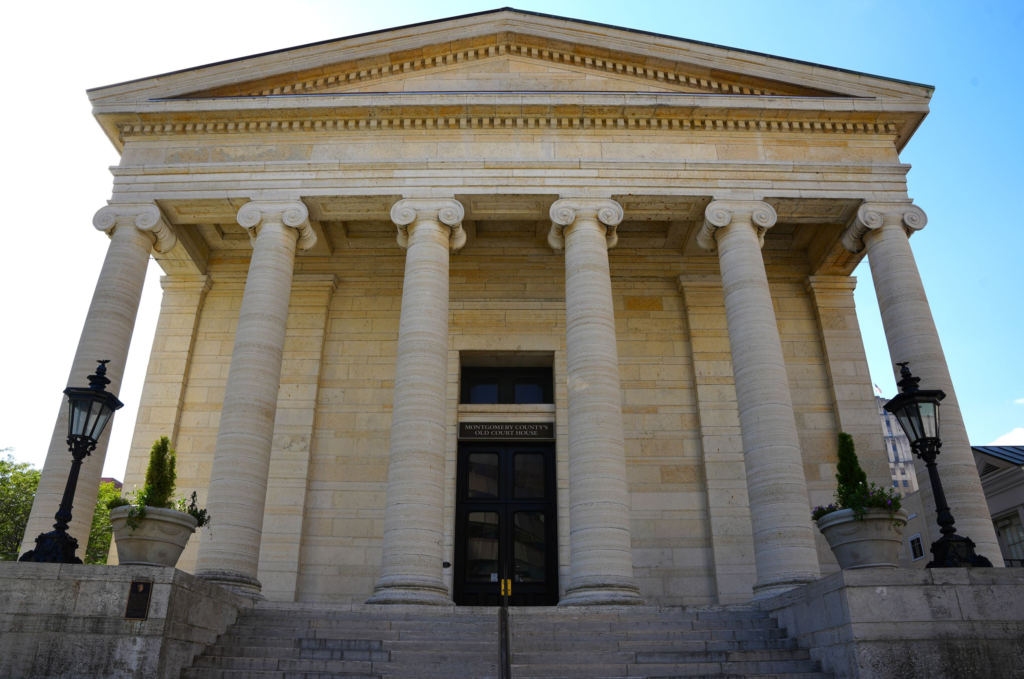
- Central parks and courthouses anchoring town centers
- Historic main streets lined with early commercial architecture
Even modern suburbs reflect historical trends. Post–World War II housing developments expanded rapidly due to federal housing policies and the GI Bill, shaping suburban living patterns that remain common today.
When Americans commute, visit farmers markets, or walk through downtown districts, they’re often moving through spaces designed according to decisions made generations earlier.
American Food Traditions and Cultural Exchange
Food is one of the clearest examples of American heritage in everyday life. The modern American diet reflects centuries of cultural exchange among Indigenous communities, European settlers, enslaved Africans, and immigrants from around the world.
Many foods widely considered “American” have complex historical roots.
For example:
- Corn-based dishes originated from Indigenous agricultural traditions.
- Barbecue techniques developed through a blend of Caribbean, African, and Southern practices.
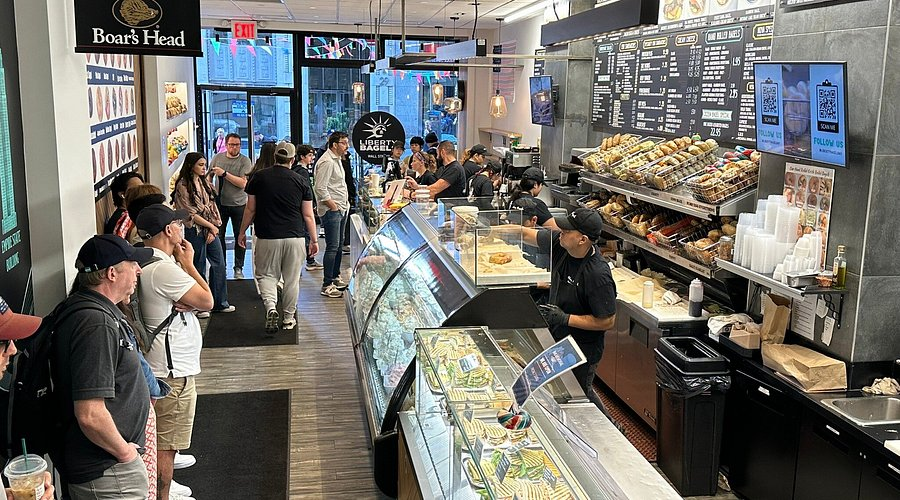
- Pizza, bagels, and tacos became mainstream through waves of immigration.
Even the structure of American meals—breakfast, lunch, and dinner—evolved through changing labor patterns during the Industrial Revolution.
Regional cuisines also reveal historical influences:
- New England seafood traditions reflect early coastal settlement.
- Southern comfort foods carry African, Caribbean, and agricultural influences.
- Southwestern dishes combine Native American and Mexican culinary traditions.
These foods are not merely recipes—they represent cultural memory passed down through generations.
Everyday Language and Expressions
American English contains thousands of phrases shaped by historical events and cultural movements.
Many expressions that feel ordinary today originated in earlier periods of American history.
Examples include:
- “The whole nine yards” – believed to have military origins
- “Deadline” – originally used during the Civil War in prison camps
- “Ballpark estimate” – linked to baseball’s rise as a national pastime
Regional dialects also preserve migration patterns. Linguists have documented how accents and vocabulary reflect settlement histories—such as Scandinavian influence in parts of the Midwest or Spanish influence in the Southwest.
Even professional terminology often reflects historical practices. Legal language still uses phrases inherited from British common law traditions, which heavily shaped the American legal system.
Language quietly carries historical influence into daily conversations.
Civic Traditions and Democratic Participation
Many civic rituals Americans participate in today were designed to reinforce democratic identity and national unity.
Voting itself is one of the most important examples.
While the structure of elections has evolved significantly—especially through constitutional amendments expanding voting rights—the core process of citizen participation traces directly to early republican ideals following independence.
Common civic traditions include:
- Jury duty
- Local town meetings
- Public school board elections
- Community volunteerism
These practices reinforce the concept of civic responsibility that has been emphasized throughout American history.
The tradition of peaceful transitions of power—though sometimes contested—remains a defining feature of the country’s democratic framework.
Even everyday symbols like the American flag or the Pledge of Allegiance were introduced during periods when national unity was particularly emphasized, such as after the Civil War or during the early 20th century.
Work Culture and Economic Traditions
American work culture also reflects historical influences that developed during major economic periods.
The Industrial Revolution dramatically changed expectations about work schedules, productivity, and organization. Factories introduced standardized shifts and time-based wages, shaping the modern 40-hour workweek.
Later reforms during the early 20th century established labor protections that remain fundamental today.
Key influences include:
- The rise of labor unions advocating workplace safety
- Federal labor laws regulating overtime and child labor
- Employer-based benefits emerging after World War II
Entrepreneurship is another strong cultural legacy. The American ideal of starting businesses and pursuing economic opportunity grew from frontier expansion and the availability of land during the 19th century.
While economic realities have changed significantly, many Americans still identify strongly with the cultural value of independence and innovation in work.
National Holidays and Shared Memory
American holidays function as annual reminders of the country’s historical narrative.
These observances often commemorate key moments or honor individuals whose contributions shaped the nation.
For example:
- Independence Day celebrates the adoption of the Declaration of Independence in 1776.
- Memorial Day began after the Civil War to honor fallen soldiers.
- Labor Day emerged from the labor movement to recognize workers’ contributions.
- Martin Luther King Jr. Day commemorates the civil rights movement and its leadership.
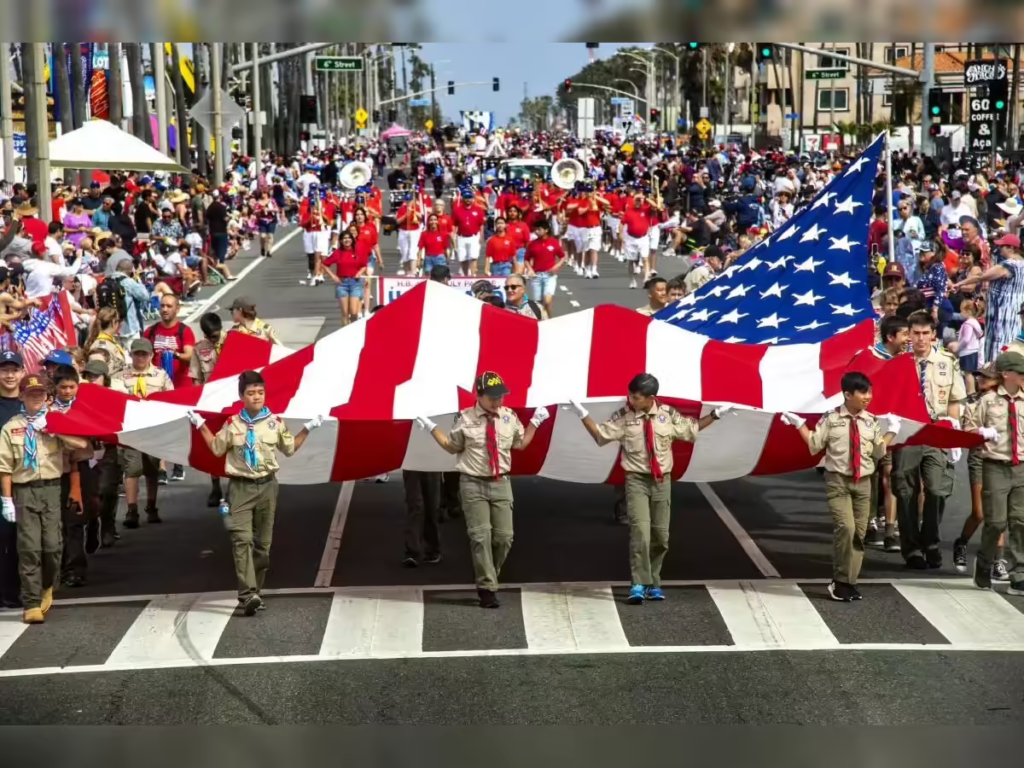
Even holiday traditions—parades, fireworks, family gatherings—serve as rituals reinforcing collective memory.
According to the U.S. Travel Association, major national holidays generate billions of dollars in travel and tourism activity annually, reflecting the cultural importance Americans place on shared celebration and remembrance.
Education and the Transmission of Heritage
Schools play a central role in maintaining awareness of American heritage.
Public education in the United States was strongly influenced by early advocates like Horace Mann in the 19th century, who promoted universal schooling as essential for democracy.
Today, historical education appears through:
- Civics classes
- State history programs
- National history competitions
- Historic site field trips
Museums, historical societies, and archives also contribute to preserving heritage. Institutions such as the Smithsonian system collectively attract tens of millions of visitors each year, demonstrating continued public interest in understanding the past.
These educational experiences help connect younger generations to earlier historical developments that continue shaping society.
Why Recognizing Everyday Heritage Matters
Understanding how history influences daily life offers several practical benefits.
First, it helps explain why certain systems—such as government institutions or legal frameworks—operate the way they do. Many modern debates make more sense when viewed through their historical origins.
Second, recognizing cultural heritage fosters stronger community identity. Traditions passed down through generations can strengthen local pride and shared belonging.
Third, historical awareness supports informed citizenship. When people understand how rights and institutions developed, they are often better equipped to participate thoughtfully in civic life.
Finally, heritage awareness encourages preservation. Historic neighborhoods, cultural traditions, and archival materials become easier to protect when communities recognize their value.
History becomes far more meaningful when it is understood not as distant events, but as forces still shaping the present.
Frequently Asked Questions
What does “American heritage” mean?
American heritage refers to the traditions, cultural practices, institutions, and historical experiences that have shaped life in the United States over time.
How does history influence everyday life today?
History influences daily life through government systems, language, food traditions, urban design, work culture, and social customs that evolved across generations.
Why is understanding American heritage important?
Understanding heritage helps citizens better interpret current social and political structures, strengthens cultural identity, and promotes responsible civic participation.
Are regional traditions part of American heritage?
Yes. Regional traditions—such as Southern cuisine, New England maritime culture, or Southwestern architecture—reflect unique historical influences within different parts of the country.
How do immigrants shape American heritage?
Immigrants continuously contribute new cultural traditions, languages, foods, and ideas that become integrated into broader American society.
What role do historic landmarks play in preserving heritage?
Historic landmarks preserve physical spaces connected to important events or cultural traditions, helping communities maintain a tangible link to the past.
How does education preserve American heritage?
Schools teach history, civics, and cultural traditions, ensuring that new generations understand the events and ideas that shaped modern society.
Why are national holidays important for heritage?
National holidays commemorate key historical events and figures, reinforcing shared memory and collective identity.
Does American heritage continue to evolve?
Yes. Heritage is dynamic, continuously shaped by social change, immigration, technological advancement, and cultural exchange.
How can individuals engage with American heritage?
People can visit historic sites, explore local history, participate in community traditions, read historical literature, or support preservation efforts.
Reading the Past in the Present
American heritage rarely appears as a single dramatic moment. Instead, it unfolds quietly through familiar experiences—walking through historic town centers, celebrating national holidays, or speaking phrases that originated generations ago.
Recognizing these influences does more than satisfy curiosity. It reveals how the present grew from countless earlier decisions, struggles, and cultural exchanges.
The more Americans notice these connections, the easier it becomes to appreciate the depth of the country’s shared history—and the role each generation plays in shaping what comes next.
Key Insights at a Glance
- American heritage appears in everyday systems, traditions, and language.
- Urban design, food traditions, and civic institutions all reflect historical origins.
- Immigration and cultural exchange continuously shape national identity.
- Education and historic preservation help maintain awareness of heritage.
- Understanding history strengthens civic engagement and cultural appreciation.