

Summary
American heritage is not a single tradition but a blend of ideas, migrations, and civic experiments that shaped the nation’s core values. From colonial self-governance to waves of immigration and grassroots reform movements, the United States developed enduring principles—individual liberty, civic responsibility, pluralism, and opportunity—that continue to influence everyday life, public debate, and national identity.
Understanding American Heritage
American heritage refers to the historical experiences, cultural traditions, and shared values that developed in the United States over centuries. It is not defined by one ethnic group or ideology. Instead, it reflects a complex mixture of influences—from Indigenous civilizations and European political ideas to African cultural resilience and immigrant innovation.
At its core, American heritage explains why certain principles repeatedly appear in American life: independence, self-determination, democratic participation, and belief in opportunity.
Many Americans encounter these values through civic rituals such as voting, community volunteering, or public debates about constitutional rights. These traditions are not abstract. They developed through real historical events, daily practices, and generations of negotiation about what the country should represent.
Understanding these cultural roots helps explain why certain issues—freedom of speech, equality before the law, religious liberty, or economic mobility—remain central to American public life.
How Early History Shaped American Cultural Values
The earliest foundations of American heritage emerged during the colonial period of the 1600s and 1700s. Settlers from Europe brought legal traditions, religious beliefs, and political ideas that would eventually influence the formation of the United States.
One of the most influential concepts was self-governance. Many colonial communities practiced forms of local decision-making long before independence. Town meetings in New England, for example, allowed residents to vote on local policies and taxation. These experiences helped normalize participatory governance.
The American Revolution later reinforced the idea that government derives authority from the people. The founding generation emphasized principles such as representative democracy, limited government, and individual rights.
These ideas became embedded in civic life and were eventually formalized in foundational documents like the Constitution and the Bill of Rights.
However, American heritage is also shaped by contradictions. The early republic proclaimed liberty while allowing slavery and excluding many groups from political participation. These tensions became catalysts for reform movements that continue to influence American identity today.
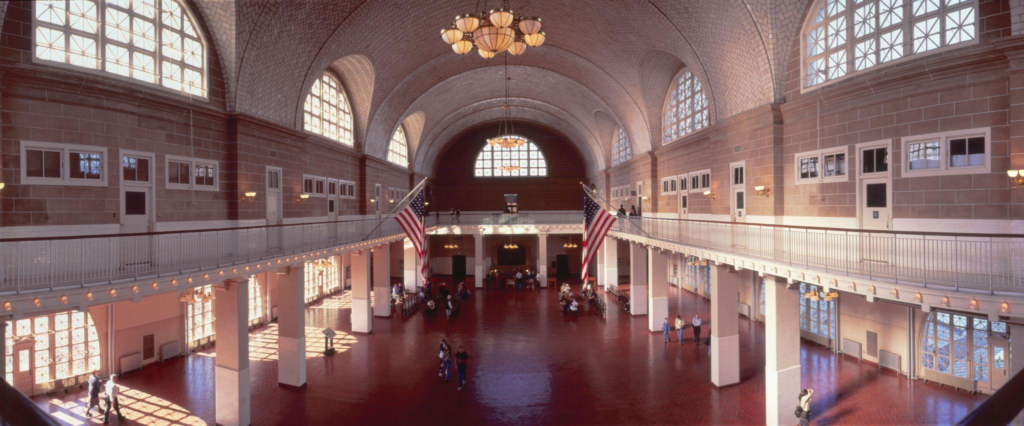
The Role of Immigration in American Cultural Identity
Immigration is one of the most defining forces in American heritage. Unlike many countries with a single dominant cultural origin, the United States developed through successive waves of newcomers.
During the 19th and early 20th centuries, millions arrived from Ireland, Germany, Italy, Eastern Europe, and Scandinavia. Later generations came from Latin America, Asia, Africa, and the Middle East.
Each group contributed cultural traditions, languages, religious practices, and entrepreneurial energy. Over time, these influences reshaped American society—from food culture and music to labor movements and political activism.
Today, immigration remains central to the country’s demographic and cultural landscape. According to the U.S. Census Bureau, immigrants and their children account for a significant portion of population growth in the United States.
The result is a dynamic cultural environment where heritage constantly evolves rather than remaining fixed.
Examples of immigrant influence in everyday American life include:
- Regional cuisines shaped by immigrant communities
- Small businesses founded by first-generation entrepreneurs
- Cultural festivals celebrating heritage traditions
- Diverse religious institutions across American cities
These contributions reinforce a key American value: pluralism, the idea that multiple cultural identities can coexist within a shared civic framework.
Civic Traditions and Community Participation
Another cornerstone of American heritage is the tradition of civic engagement. From early town councils to modern volunteer networks, Americans have long organized locally to solve community problems.
Historian Alexis de Tocqueville famously observed in the 1830s that Americans formed associations for nearly every purpose—education, charity, political advocacy, and social reform.
This pattern continues today through:
- Local school boards and city councils
- Neighborhood volunteer groups
- Parent-teacher organizations
- Community fundraising efforts
- Nonprofit advocacy organizations
Civic participation helps reinforce the idea that citizens share responsibility for shaping their communities.
For example, many American towns still hold public meetings where residents can speak directly about zoning, school budgets, or infrastructure decisions. These local forums reflect the long-standing belief that democratic governance should remain close to the people.
Cultural Movements That Expanded American Values
American heritage is also defined by reform movements that challenged the nation to live up to its founding principles.
Several major movements reshaped the meaning of equality and citizenship:
- The abolition movement helped end slavery in the 19th century.
- The women’s suffrage movement secured voting rights for women in 1920.
- The civil rights movement of the 1950s and 1960s dismantled legal segregation.
- Labor movements improved working conditions and wages.
- Disability rights activism expanded accessibility and legal protections.
These movements demonstrate a recurring pattern in American history: citizens organizing to push the country toward greater inclusion and fairness.
Rather than weakening American heritage, these reforms expanded its meaning.

Everyday Expressions of American Heritage
Many aspects of American heritage appear in ordinary life rather than formal ceremonies. Cultural values often show up in everyday decisions, social habits, and local traditions.
Examples include:
- Parents encouraging children to speak their opinions openly
- Communities organizing local elections and referendums
- Public debates about government policies
- Volunteer efforts during natural disasters
- Civic holidays such as Independence Day or Memorial Day
Even seemingly simple traditions—like neighborhood parades or school history projects—help reinforce shared cultural memory.
In many communities, historical museums, preserved landmarks, and public monuments serve as reminders of local contributions to national history.
These small but meaningful practices help pass cultural values from one generation to the next.
How American Heritage Continues to Evolve
American heritage is not static. It changes as new generations reinterpret national values in response to modern challenges.
Several contemporary forces are shaping the ongoing evolution of American identity:
Demographic Change
The United States is becoming increasingly diverse, bringing new cultural influences into mainstream life.
Technology and Communication
Digital platforms allow communities to share history, traditions, and civic ideas more widely than ever before.
Renewed Civic Debate
Public conversations about equality, representation, and constitutional rights continue to reshape how Americans understand their national identity.
Global Influence
American culture interacts constantly with global trends in art, technology, economics, and politics.
Despite these changes, many core principles—freedom, participation, opportunity, and pluralism—remain central to American civic culture.
Why Understanding Heritage Matters Today
For many Americans, discussions about heritage are closely tied to questions about national identity, belonging, and civic responsibility.
Understanding the historical roots of American values can help citizens navigate modern debates more thoughtfully.
It also provides context for ongoing discussions about:
- Immigration policy
- Civil liberties
- Voting rights
- Economic opportunity
- Cultural inclusion
When people recognize how these issues evolved historically, it becomes easier to see them as part of a long civic conversation rather than isolated controversies.
Heritage, in this sense, acts as a shared reference point—a reminder that the nation’s values were shaped through debate, compromise, and participation.

Frequently Asked Questions About American Heritage
What does American heritage mean?
American heritage refers to the historical experiences, cultural traditions, and civic values that developed in the United States over time, including principles such as democracy, individual rights, pluralism, and community participation.
Why is American heritage important?
It helps explain how national values formed and why certain principles—such as freedom of speech or democratic participation—remain central to American life.
How did immigration influence American heritage?
Immigration introduced new cultural traditions, languages, and economic contributions that reshaped American society and reinforced the country’s identity as a multicultural nation.
What role did the American Revolution play in shaping national values?
The Revolution emphasized ideas like self-governance, political representation, and individual liberty, which became foundational to the United States.
How do civic traditions reflect American heritage?
Practices such as voting, volunteering, and local community organizing reflect the long-standing belief that citizens should actively participate in democratic life.
Is American heritage based on a single culture?
No. American heritage developed from diverse influences, including Indigenous traditions, European political ideas, African cultural resilience, and global immigration.
How do historical movements shape American identity?
Movements such as abolition, civil rights, and women’s suffrage expanded the meaning of equality and citizenship in the United States.
Does American heritage change over time?
Yes. New generations reinterpret cultural values as society evolves, making heritage an ongoing process rather than a fixed tradition.
What are examples of American heritage in daily life?
Examples include civic holidays, public debate, volunteerism, local governance, and cultural celebrations reflecting diverse community traditions.
How can people learn more about American heritage?
Visiting historical sites, reading primary historical documents, participating in civic organizations, and studying local history are common ways to explore American heritage.
The Living Story of a Nation
American heritage is best understood as an ongoing story rather than a completed chapter. Each generation inherits institutions, traditions, and ideals—but also the responsibility to reinterpret them.
From town hall meetings to social reform movements, the United States has continually renegotiated what its values mean in practice. This dynamic process—sometimes contentious, often imperfect—remains one of the defining characteristics of American civic life.
Heritage, therefore, is not simply about honoring the past. It is about understanding how history shapes present choices and future possibilities.
Key Insights at a Glance
- American heritage reflects a blend of cultural influences rather than a single tradition
- Early colonial self-governance helped establish democratic practices
- Immigration has played a central role in shaping American culture
- Civic participation remains a defining national tradition
- Reform movements expanded the meaning of equality and citizenship
- Everyday practices—from voting to volunteering—carry forward cultural values
- American heritage continues evolving with demographic and social change