Summary
American heritage is built from defining moments that shaped the nation’s values, institutions, and cultural identity. From the founding ideals of liberty and self-government to struggles for equality and global leadership, these historical milestones reveal how the United States developed its national character. Understanding these events helps Americans interpret the present while preserving the lessons of the past.
American identity did not emerge overnight. It formed gradually through pivotal historical moments—events that reshaped political systems, challenged cultural norms, and expanded the nation’s understanding of freedom and citizenship.
These moments are not merely chapters in textbooks. They influence how Americans vote, educate their children, debate policy, and interpret the meaning of liberty. For families, students, educators, and travelers interested in American heritage, understanding these milestones provides valuable context for modern civic life.
This article explores the historical events that helped shape American identity, explaining why they still matter today.
The Revolutionary Era: Defining Freedom and Self-Government
In the late 18th century, the American colonies faced mounting tensions with the British Crown over taxation, political representation, and governance. These disputes eventually culminated in the American Revolution, a defining moment in the nation’s heritage.
The Declaration of Independence in 1776 articulated principles that continue to define American political philosophy: individual rights, equality before the law, and government derived from the consent of the governed.
These ideas were revolutionary for their time. Many European monarchies still operated under inherited authority, but the American founders argued that political legitimacy must come from the people.
The subsequent drafting of the Constitution in 1787 created a framework that balanced federal and state authority while establishing a system of checks and balances. According to the U.S. National Archives, the Constitution remains the oldest written national constitution still in active use today.
For modern Americans, the legacy of the Revolutionary era appears in everyday civic structures:
- The separation of powers between branches of government
- Regular democratic elections
- Constitutional protections like free speech and due process
Travelers often experience this heritage firsthand when visiting historic sites such as Independence Hall in Philadelphia or colonial Williamsburg.
The Expansion Era: Growth, Opportunity, and Conflict
The 19th century introduced a powerful narrative into American identity: expansion.
Following the Louisiana Purchase in 1803, the country doubled in size, opening vast territories for settlement. Explorers Meriwether Lewis and William Clark mapped the western lands, helping Americans imagine a continental nation.
This expansion fostered both opportunity and conflict.
The idea of Manifest Destiny—the belief that Americans were destined to spread across North America—encouraged migration, infrastructure development, and agricultural expansion. However, it also resulted in displacement of Native American communities and intensified debates about slavery.
Economic development accelerated during this period. The construction of railroads, canals, and telegraph systems transformed communication and commerce. By the mid-1800s, the United States was transitioning from a largely agrarian society to an emerging industrial power.
Yet expansion also exposed deep divisions within the nation, especially surrounding the institution of slavery.
The Civil War: Redefining the Meaning of Union
Few events shaped American identity more profoundly than the Civil War (1861–1865).
At its core, the conflict was about the survival of the Union and the moral and political future of slavery in the United States. Over four years of warfare, more than 620,000 soldiers died, making it the deadliest conflict in American history.
The war resulted in two transformative outcomes:
- Preservation of the United States as a single nation
- The abolition of slavery through the 13th Amendment
The Civil War fundamentally reshaped the nation’s understanding of equality and citizenship. Later amendments—the 14th and 15th—extended legal protections and voting rights to formerly enslaved people.
The legacy of the Civil War still influences American society today. Conversations about civil rights, federal authority, and regional identity often trace their origins back to this period.
For educators and families exploring American heritage, Civil War battlefields and historical parks offer tangible connections to this pivotal era.
Industrialization and Immigration: Building a Diverse Nation
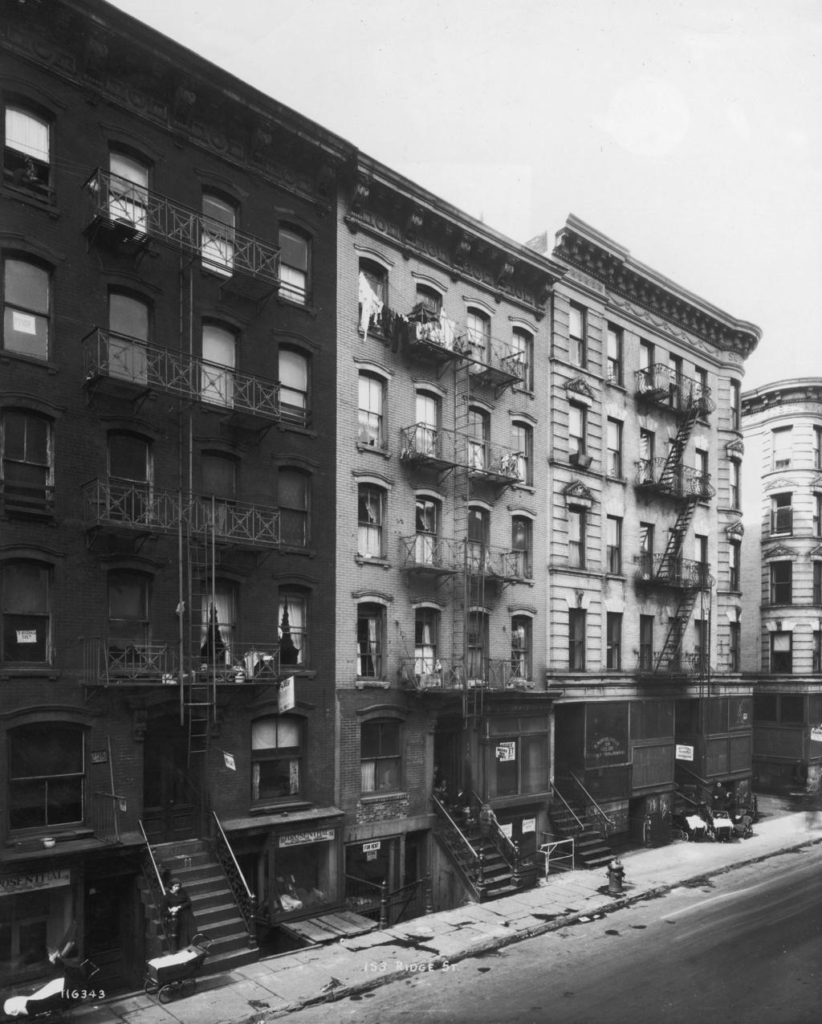
Between the late 1800s and early 1900s, the United States underwent rapid industrial growth. Factories, steel production, rail networks, and urban expansion transformed the national economy.
At the same time, millions of immigrants arrived from Europe, Asia, and other parts of the world. According to data from the Library of Congress, more than 12 million immigrants passed through Ellis Island between 1892 and 1954.
This influx reshaped American culture in several ways:
- Cities became multicultural hubs of language, cuisine, and traditions
- Labor movements emerged to improve working conditions
- Public education expanded to integrate immigrant communities
Many American families today trace their ancestry to this era of immigration. Neighborhoods, festivals, and regional cuisines across the country reflect these cultural influences.
The story of immigration also reinforced a key element of American identity: the idea that the nation is continually renewed by new generations seeking opportunity.

The Great Depression and New Deal: Redefining Government’s Role
The stock market crash of 1929 triggered the Great Depression, the worst economic crisis in U.S. history.
By 1933, unemployment had reached approximately 25 percent. Banks failed, businesses closed, and millions of Americans struggled to meet basic needs.
In response, President Franklin D. Roosevelt introduced the New Deal, a series of federal programs designed to stabilize the economy and support struggling citizens.
Key initiatives included:
- Social Security for retirement income
- Public works programs like the Works Progress Administration
- Financial reforms regulating banks and stock markets
These policies permanently expanded the federal government’s role in economic stability and social welfare.
Today, programs like Social Security continue to serve tens of millions of Americans, demonstrating how this era reshaped the relationship between citizens and government.
World War II: The United States as a Global Leader
The attack on Pearl Harbor in 1941 brought the United States into World War II, a conflict that ultimately reshaped the global balance of power.
During the war, American factories produced vast quantities of military equipment, vehicles, and aircraft. Industrial output helped supply Allied forces across multiple continents.
At home, women entered the workforce in unprecedented numbers, symbolized by the cultural icon “Rosie the Riveter.”
The war also marked a turning point in American global influence. After the Allied victory in 1945, the United States emerged as one of the world’s leading economic and military powers.
This period also laid the foundation for major international institutions such as the United Nations and NATO, which continue to shape global diplomacy.
The Civil Rights Movement: Expanding the Promise of Equality
Despite constitutional amendments guaranteeing equality, racial discrimination persisted well into the 20th century.
The Civil Rights Movement of the 1950s and 1960s sought to end segregation and secure equal rights for African Americans.
Through protests, legal challenges, and grassroots organizing, civil rights leaders helped push the nation toward meaningful reform.
Major milestones included:
- The Supreme Court decision Brown v. Board of Education (1954) ending school segregation
- The Civil Rights Act of 1964 prohibiting discrimination
- The Voting Rights Act of 1965 protecting minority voting access
These achievements expanded the meaning of American citizenship and reinforced the nation’s commitment to equal opportunity.
Today, many educators and historians consider the Civil Rights Movement one of the most important chapters in modern American heritage.
The Modern Era: Technology, Globalization, and Cultural Evolution
In recent decades, American identity has continued to evolve.
Advances in technology—from the internet to space exploration—have reshaped communication, business, and daily life. American companies and universities remain global leaders in research and innovation.
Meanwhile, globalization has deepened cultural exchange. American music, film, technology, and consumer culture influence audiences worldwide.
At the same time, Americans continue to debate how best to balance tradition with change. Conversations about democracy, economic opportunity, and social justice remain central to the nation’s identity.
Heritage is therefore not static. It is a living narrative shaped by each generation.

Frequently Asked Questions
What defines American heritage?
American heritage includes the historical events, cultural traditions, political values, and social movements that shaped the United States. It reflects the nation’s development from colonial settlements to a modern democracy.
Why is the American Revolution important?
The American Revolution established independence from Britain and introduced foundational principles such as liberty, self-government, and constitutional rule.
How did the Civil War change the United States?
The Civil War preserved the Union and abolished slavery, fundamentally redefining citizenship and civil rights.
Why is immigration considered part of American heritage?
Immigration shaped the nation’s demographics, culture, workforce, and economic growth. Many American traditions and communities reflect immigrant influences.
What role did the Great Depression play in shaping modern America?
The Great Depression led to major economic reforms and expanded the federal government’s role in social welfare and financial regulation.
How did World War II influence American global leadership?
After WWII, the United States emerged as a global economic and military leader, helping shape international alliances and institutions.
What achievements defined the Civil Rights Movement?
The movement ended legal segregation and secured voting rights protections, expanding the meaning of equality in American society.
How does American heritage influence modern civic life?
Historical values such as freedom of speech, democratic elections, and civil rights continue to guide public debate and policymaking.
Why do Americans visit historical landmarks?
Historic sites provide educational experiences that help visitors connect with key events and understand national history.
Is American identity still evolving today?
Yes. Social change, immigration, technology, and global interactions continue to shape how Americans define their national identity.
A Living Legacy: Understanding the Story That Continues
American heritage is not confined to monuments or archives. It lives in civic institutions, cultural traditions, public debates, and everyday community life.
The defining moments that shaped the nation—from revolution and civil war to civil rights and technological innovation—offer more than historical knowledge. They provide perspective on how democratic societies grow, struggle, and adapt.
By studying these milestones, Americans gain a deeper understanding of the values that continue to guide the country’s future.
Key Moments That Define the American Story
- The founding principles of liberty and constitutional government
- Expansion across the continent and the challenges it created
- The Civil War’s transformation of citizenship and equality
- Industrialization and immigration shaping a diverse nation
- Economic reforms during the Great Depression
- Global leadership following World War II
- Civil rights reforms expanding democratic participation
- Continued cultural and technological evolution