
Summary
American cuisine reflects geography, immigration, agriculture, and local traditions. From New England seafood to Southern barbecue and Southwestern chili, each region offers signature dishes that reveal its cultural history. This guide explores the foods that define major American regions, explaining their origins, where to try them, and how they became staples in local kitchens and restaurant menus.
How Regional Food Became America’s Culinary Identity
The United States has no single national cuisine. Instead, its culinary identity developed through regional traditions shaped by climate, immigration patterns, agricultural production, and cultural exchange.
Food historians often point out that American regional dishes tell the story of settlement patterns. Coastal regions leaned heavily on seafood. Agricultural areas built cuisines around grains, livestock, and produce. Immigrant communities introduced techniques and ingredients that later blended into local traditions.
For travelers and curious home cooks alike, exploring regional dishes offers a deeper understanding of American culture. According to the U.S. Department of Agriculture, regional agriculture still strongly influences what Americans eat. For example, the Gulf Coast produces most domestic shrimp, while the Midwest leads in corn and beef production.
What follows is a culinary tour through the major food regions of the United States and the dishes that best represent them.
New England: Seafood, Simplicity, and Colonial Roots
New England cuisine reflects the area’s early colonial heritage and proximity to the Atlantic Ocean. Harsh winters historically encouraged simple, hearty meals that could be prepared with limited ingredients.
The region’s most iconic dishes rely heavily on seafood, dairy, and preserved foods.
One of the best-known examples is New England clam chowder, a creamy soup made with clams, potatoes, onions, and milk or cream. Its origins trace back to early European settlers who adapted fish stews from France and England using local shellfish.
Another regional staple is the Maine lobster roll, which gained popularity in the early 20th century. Fresh lobster meat is lightly dressed with mayonnaise or butter and served in a split-top bun. Lobster was once considered a working-class food before becoming a luxury seafood item.
Popular New England dishes include:
- Clam chowder
- Lobster rolls
- Boston baked beans
- Johnnycakes (cornmeal pancakes)
- Fried clams
Boston baked beans deserve special mention. The dish reflects the region’s colonial trade routes, particularly molasses imports from the Caribbean during the 18th century.
Today, seafood shacks and historic taverns throughout Massachusetts and Maine still serve these dishes with minimal variation from their traditional recipes.
The Mid-Atlantic: Immigrant Influence and Urban Food Culture
The Mid-Atlantic region—particularly New York, Pennsylvania, and New Jersey—developed a food culture shaped by waves of immigration during the 19th and early 20th centuries.
Cities like New York and Philadelphia became culinary melting pots where European, Jewish, Italian, and Eastern European traditions merged.
Perhaps the most recognizable regional food is the New York–style pizza slice, known for its thin crust, wide triangular slices, and foldable structure. The style evolved from Neapolitan pizza brought by Italian immigrants in the early 1900s.
Philadelphia contributed another iconic dish: the Philly cheesesteak. Made with thinly sliced beef, melted cheese, and a hoagie roll, the sandwich originated in the 1930s and remains a staple of the city’s street food scene.
Other Mid-Atlantic favorites include:
- New York bagels
- Pastrami sandwiches
- Soft pretzels
- Scrapple
- Black and white cookies
The region’s Jewish delis also helped popularize pastrami on rye and bagel culture nationwide. These foods represent how immigrant communities reshaped the American food landscape.
The American South: Comfort Food and Barbecue Traditions
Southern cuisine is one of the most distinctive and influential regional food traditions in the United States.
Its roots lie in a blend of African, Native American, and European cooking traditions. Ingredients like cornmeal, pork, greens, and rice became central to Southern kitchens due to the region’s agricultural landscape.
Perhaps the most iconic Southern food tradition is barbecue. However, barbecue styles vary widely depending on the state.
For example:
- North Carolina barbecue focuses on whole hog and vinegar-based sauces
- Memphis barbecue features dry-rubbed ribs
- Texas barbecue emphasizes smoked brisket
- South Carolina barbecue uses mustard-based sauces
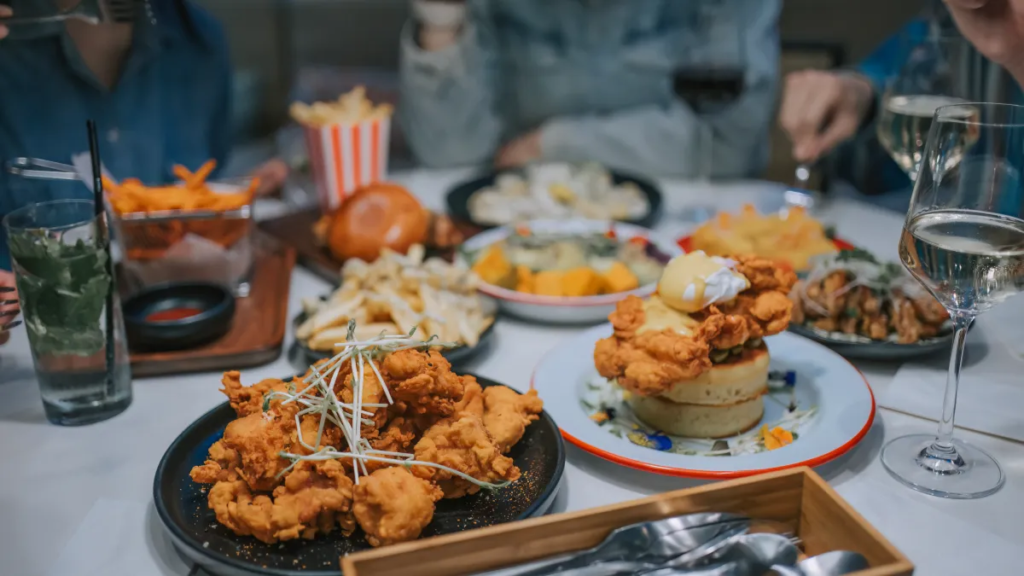
Another hallmark of Southern cuisine is fried chicken, which gained popularity during the 19th century and became a defining comfort food.
Classic Southern dishes include:
- Fried chicken
- Shrimp and grits
- Biscuits with gravy
- Collard greens
- Cornbread
Shrimp and grits originated as a coastal breakfast dish among fishing communities in the Carolinas. Today it appears on restaurant menus nationwide.
Southern food also reflects the culinary legacy of African American cooks whose techniques and recipes shaped much of the region’s identity.
The Midwest: Hearty Farm-Based Cooking
The Midwest is often called “America’s breadbasket,” and its cuisine reflects the region’s agricultural abundance.
Meals historically centered on meat, grains, potatoes, and dairy—ingredients widely produced across states like Iowa, Illinois, Wisconsin, and Minnesota.
One of the most recognizable Midwestern foods is the Chicago deep-dish pizza. Unlike the thin New York slice, deep-dish pizza features a thick crust, layers of cheese, and chunky tomato sauce.
Another classic is the Wisconsin cheese curd, often served fried and celebrated at local festivals.
Other regional specialties include:
- Hotdish (a casserole common in Minnesota)
- Cincinnati chili
- Bratwurst
- Butter burgers
- Corn on the cob
Cincinnati chili deserves particular attention because it differs dramatically from traditional chili. The dish uses Mediterranean-inspired spices such as cinnamon and cloves and is typically served over spaghetti.
Midwestern cooking emphasizes practicality and comfort, reflecting the region’s farming traditions and family-style dining culture.
The Southwest: Bold Flavors and Chile Culture
Southwestern cuisine blends Native American, Mexican, and Spanish culinary traditions.
The defining ingredient of the region is the chile pepper, particularly varieties grown in New Mexico.
One of the most famous regional dishes is chili con carne, a stew made with beef, chili peppers, and spices. Though widely associated with Texas, versions of chili have existed in the Southwest since the 1800s.
Another iconic Southwestern dish is the breakfast burrito, which combines eggs, potatoes, meat, and salsa wrapped in a flour tortilla.
Other Southwestern specialties include:
- Green chile stew
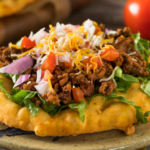
- Navajo fry bread
- Carne adovada
- Tex-Mex enchiladas
- Fajitas
New Mexico’s chile harvest even drives a seasonal culinary tradition. Roasting green chiles in large outdoor drums fills local markets with a distinctive smoky aroma each fall.
The cuisine is known for bold flavors, layered spices, and strong ties to regional agriculture.
The West Coast: Fresh Ingredients and Global Influence
The West Coast—especially California—developed a cuisine defined by fresh produce, seafood, and international influence.
The region’s agricultural diversity allows chefs to cook year-round with seasonal ingredients. California alone produces over one-third of the vegetables and two-thirds of the fruits and nuts grown in the United States, according to USDA statistics.
One of the best-known West Coast creations is the California roll, a sushi adaptation invented in Los Angeles during the 1960s to appeal to American diners unfamiliar with raw fish.
Another iconic dish is fish tacos, popularized in Southern California after being adapted from Baja Mexican cooking traditions.
Other West Coast favorites include:
- Sourdough bread from San Francisco
- Poke bowls (influenced by Hawaiian cuisine)
- Avocado toast
- Dungeness crab
- Mission-style burritos
The West Coast’s culinary identity continues to evolve due to immigration and food innovation, making it one of the most dynamic food regions in the country.
Why Regional Dishes Still Matter in Modern America
Even in a country filled with national restaurant chains, regional food traditions remain strong.
Several factors help preserve these dishes:
- Local agriculture still shapes ingredient availability
- Tourism encourages culinary heritage
- Regional pride promotes traditional cooking
- Food festivals celebrate local specialties
For example, Texas barbecue festivals attract thousands of visitors annually, while Maine’s lobster industry generates hundreds of millions of dollars in economic activity each year.
Regional foods also create a sense of identity for communities, reinforcing traditions passed down through generations.
Frequently Asked Questions
What is considered America’s most iconic regional dish?
Many food historians consider barbecue—particularly Southern barbecue—as the most iconic regional American cuisine due to its cultural roots and widespread influence.
Why does the United States have so many regional foods?
Geography, immigration patterns, agriculture, and cultural diversity all contributed to the development of distinct regional cuisines.
What state is best known for seafood?
Maine and Massachusetts are widely recognized for seafood dishes like lobster rolls and clam chowder.
What makes Texas barbecue different?
Texas barbecue focuses heavily on beef brisket and slow smoking over wood, typically served with minimal sauce.
Where did the cheesesteak originate?
The Philly cheesesteak originated in Philadelphia during the 1930s.
Why is chili important in the Southwest?
Chili reflects the region’s strong Mexican and Spanish culinary influences and its long history of chile pepper cultivation.
What food is Chicago most famous for?
Chicago is best known for deep-dish pizza, which features a thick crust and layered toppings.
What makes California cuisine unique?
California cuisine emphasizes fresh produce, seasonal cooking, and global culinary influences.
Are regional foods disappearing?
While national chains are common, regional foods remain strong thanks to local restaurants, tourism, and food culture.
Can travelers experience all these dishes in one trip?
Many culinary road trips across the U.S. are designed specifically around regional food traditions.
Following America’s Flavor Trail
Regional dishes offer more than a good meal—they tell the story of how Americans live, farm, migrate, and celebrate food.
From coastal seafood to smoked meats and chili-laced stews, each region preserves traditions shaped by geography and history. For travelers, tasting these dishes provides a deeper connection to the places they visit.
Exploring America through food isn’t just about restaurants. It’s about understanding the culture behind every plate.
Key Food Discoveries Across the Country
- New England highlights seafood traditions rooted in colonial history
- The Mid-Atlantic showcases immigrant-driven urban food culture
- The South is known for barbecue, fried chicken, and comfort food
- The Midwest reflects farm-based cooking and hearty ingredients
- The Southwest emphasizes chiles and bold spices
- The West Coast focuses on fresh produce and global fusion