Summary
Country trails across the United States offer a quieter, often overlooked way to experience the nation’s landscapes. From rolling farmland paths to forested ridgelines and coastal routes, these trails reveal places rarely featured in major travel guides. This guide explores where to find them, why they matter, and how Americans can responsibly explore these scenic routes.
The Overlooked Value of Country Trails
When Americans think about outdoor adventures, the conversation often turns to national parks, famous hiking routes, or iconic scenic drives. Yet beyond these popular destinations lies a network of lesser-known country trails that weave through rural valleys, historic farmland, coastal marshes, and mountain foothills.
These routes rarely make national headlines, but they often provide a more intimate view of the American landscape.
Country trails typically follow:
- Old agricultural paths
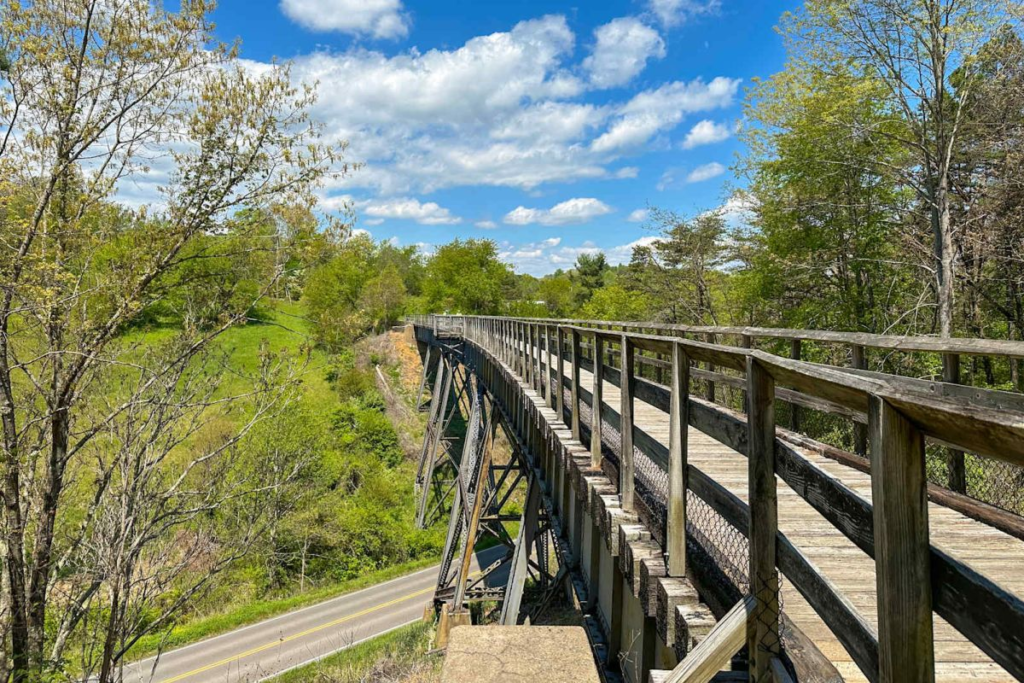
- Historic rail corridors converted into walking trails
- Local conservation routes
- Rural footpaths connecting small towns and natural areas
Because they attract fewer visitors than well-known hiking destinations, they allow travelers to experience nature in a quieter and often more authentic setting.
According to the Rails-to-Trails Conservancy, the United States now has more than 41,000 miles of rail-trails, many of which pass through rural communities and farmland. These routes form the backbone of many scenic country trail systems.
For travelers seeking landscapes that feel undiscovered rather than crowded, these paths offer a compelling alternative.
What Makes Country Trails Different from Major Hiking Destinations
Country trails are not defined by dramatic elevation or extreme difficulty. Instead, they are valued for their connection to local geography and culture.
Unlike iconic wilderness hikes, these routes often pass through working landscapes where nature and rural life coexist.
Several characteristics set them apart:
- Human-scale scenery — farmland, barns, and river valleys
- Accessible terrain suitable for casual hikers and walkers
- Historical context, including former trade routes and rail lines
- Local stewardship managed by regional parks, counties, or nonprofits
For example, many Midwestern country trails follow former railways that once transported grain and livestock. Today they serve walkers, cyclists, and families exploring nearby towns.
Because they pass through rural communities, these trails also offer an opportunity to support small businesses such as local diners, farm stands, and historic inns.
Regions Where America’s Country Trails Shine
While country trails exist in nearly every state, certain regions stand out for their density of scenic rural routes.
Midwest Farm Country
The Midwest may be the most underrated region for country trail exploration.
Converted rail corridors stretch for miles across:
- Wisconsin farmland
- Iowa prairie landscapes
- Minnesota river valleys
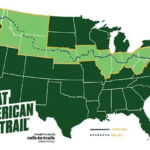
The Great American Rail-Trail, currently under development, will eventually connect Washington State to Washington, D.C., using many existing rural rail-trails.
These Midwestern routes often provide wide gravel paths, gentle terrain, and expansive views of agricultural landscapes.
Appalachian Foothills
The Appalachian region contains countless rural trails that wind through hardwood forests and historic towns.
Unlike the well-known Appalachian Trail, many local routes offer:
- Shorter day hikes
- Quiet forest paths
- Views of rolling mountain foothills
States such as Virginia, North Carolina, and Pennsylvania have invested heavily in rural trail networks that link parks with nearby communities.
Many of these paths follow historic wagon roads or early trade routes dating back to the 18th and 19th centuries.
Coastal Country Trails
America’s coasts also feature overlooked walking routes.
In states like:
- Maine
- Oregon
- California
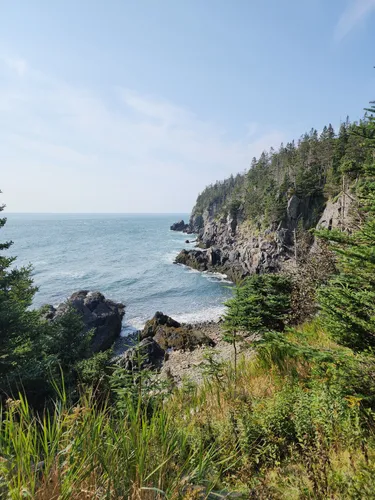
country trails often traverse wetlands, headlands, and working fishing villages.
These paths reveal landscapes shaped by both nature and maritime heritage. Walkers may encounter tidal estuaries, migrating shorebirds, and historic lighthouses along the way.
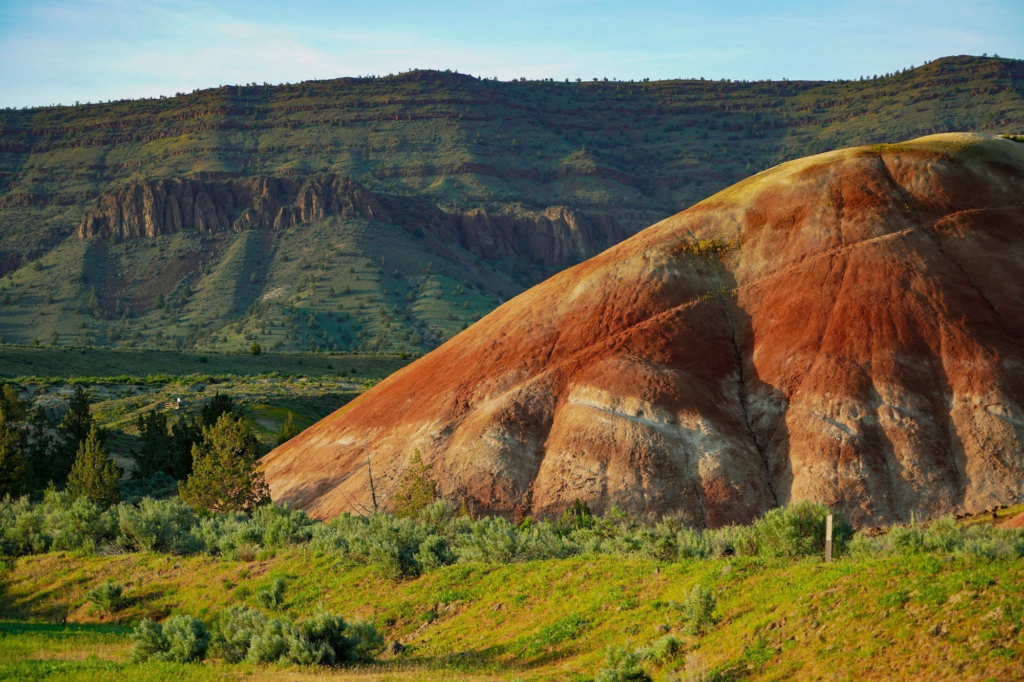
Western High Desert Trails
In the American West, country trails frequently pass through wide-open desert landscapes.
These routes highlight environments that feel stark but deeply scenic:
- Sagebrush plains
- Red rock formations
- Dry river canyons
Because population density is lower in many western states, some of these trails remain remarkably uncrowded even during peak travel seasons.
Why Travelers Are Rediscovering Rural Trails
Interest in country trails has grown steadily over the past decade.
Several factors have contributed to this shift.
1. A Desire for Less Crowded Destinations
Overcrowding in national parks has become a growing concern. According to the National Park Service, the system recorded over 325 million recreational visits in 2023.
Many travelers are now searching for alternatives where they can enjoy nature without navigating large crowds.
Country trails offer that opportunity.
2. The Rise of “Slow Travel”
Slow travel emphasizes meaningful experiences over rapid sightseeing.
Walking rural trails encourages travelers to:
- Spend more time in smaller communities
- Notice subtle landscape features
- Engage with local culture
Instead of rushing between major attractions, visitors can explore regions at a pace that feels more connected to the environment.
3. Growing Interest in Accessible Outdoor Activities
Not every outdoor traveler wants a strenuous mountain hike.
Country trails are often:
- Flatter
- Well-maintained
- Suitable for families or older adults
Many are also accessible for cycling, making them appealing to a wider range of visitors.
How to Find High-Quality Country Trails
Because country trails are less publicized, travelers often need to rely on specialized resources to discover them.
Useful sources include:
- Rails-to-Trails Conservancy TrailLink database
- State park trail maps
- County conservation departments
- Regional tourism boards
- Local hiking organizations
Trail apps can also help identify routes with reliable signage and current maintenance conditions.
Before visiting, it’s helpful to review:
- Parking availability
- Seasonal closures
- Surface type (gravel, dirt, paved)
- Trail length and difficulty
This preparation ensures a smoother and safer experience.
What You Might See Along a Country Trail
One of the defining characteristics of rural trails is their diversity of scenery.
Unlike wilderness-only routes, country trails reveal landscapes shaped by both nature and human history.
Common sights include:
- Old grain silos and barns
- Covered bridges
- Wildflower meadows
- Historic rail depots
- Small-town main streets
In spring and summer, many Midwestern trails pass through fields of blooming prairie grasses and sunflowers.
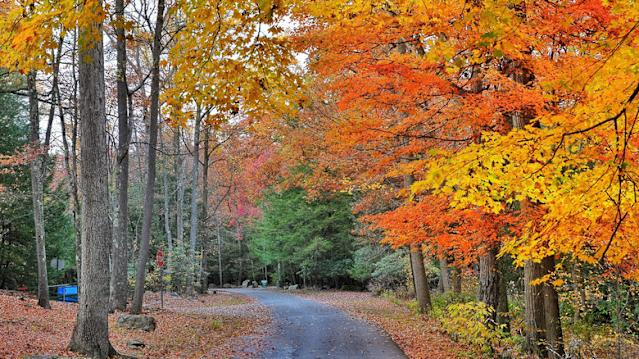
In the Northeast, fall foliage along rural trails can rival the views found in more famous mountain destinations.
Wildlife sightings are also common. Depending on the region, walkers may encounter:
- White-tailed deer
- Red foxes
- Sandhill cranes
- Bald eagles
Because these routes receive lighter foot traffic, animals are often more visible than in crowded national parks.
Responsible Travel on Rural Trails
Country trails depend heavily on community stewardship. Visitors play an important role in protecting these landscapes.
Responsible trail use includes:
- Staying on marked paths
- Respecting nearby farms and private property
- Packing out all trash
- Yielding to cyclists or horses when required
- Supporting local businesses in nearby towns
Many rural trail systems rely on volunteer maintenance. Donations to trail organizations or conservation groups can help keep these routes accessible for future visitors.
Frequently Asked Questions
What qualifies as a country trail?
A country trail typically refers to a rural walking or cycling path located outside major urban parks. These trails often pass through farmland, forests, or small towns and may follow historic rail corridors or conservation land.
Are country trails suitable for beginners?
Yes. Many country trails feature gentle terrain and well-maintained paths, making them accessible for beginners, families, and casual walkers.
Do country trails require permits?
Most local trails do not require permits, but some state-managed routes may charge parking or access fees.
How long are typical country trails?
Country trails range from short 1–3 mile walking loops to long-distance routes exceeding 100 miles.
Are these trails safe to explore alone?
In general, rural trails are safe when basic precautions are taken, such as informing someone of your plans and carrying water and navigation tools.
When is the best time of year to visit?
Spring and fall are often ideal because temperatures are moderate and scenery—especially wildflowers or fall foliage—is at its peak.
Can you bike on country trails?
Many country trails are multi-use and welcome cyclists, especially those built on former rail corridors.
Are dogs allowed on country trails?
Most trails allow dogs on leashes, but rules vary by location.
Do country trails pass through private property?
Some trails run near farms or private land. Visitors should respect signage and remain on designated routes.
How can travelers support rural trail systems?
Supporting local restaurants, donating to trail organizations, and practicing responsible outdoor behavior all contribute to trail sustainability.
Following the Paths Less Talked About
Country trails remind travelers that some of America’s most meaningful landscapes are not necessarily the most famous. These routes reveal farmland horizons, quiet river valleys, and historic rural communities that continue to shape the nation’s identity.
For travelers willing to slow down and explore beyond headline destinations, country trails offer a landscape experience that feels grounded, accessible, and deeply American.
Key Insights at a Glance
- Country trails provide access to scenic landscapes often overlooked by mainstream tourism
- Many follow historic rail corridors, farm routes, or conservation lands
- Rural trails are typically quieter than national park hiking routes
- They support slow travel and local economies
- Resources like TrailLink help travelers discover hidden routes
- Responsible visitation helps preserve these community-maintained paths