
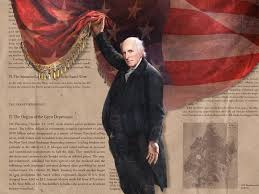
American heritage is often understood through national narratives, but its depth is best revealed through local stories. Communities across the United States preserve unique histories that reflect diverse experiences, traditions, and identities. By examining heritage through local lenses, we uncover overlooked perspectives that enrich understanding and highlight how everyday places contribute to the broader American story.
Why Local Perspectives Matter in Understanding Heritage
American heritage is frequently presented through broad, national narratives—major historical events, prominent figures, and iconic landmarks. While these are important, they often overlook the smaller, community-based stories that give heritage its texture and meaning.
Local perspectives provide context. They reveal how national events were experienced differently across regions, cultures, and communities. Institutions like the Smithsonian Institution increasingly emphasize community-driven storytelling, recognizing that heritage is most complete when it includes voices from all levels of society.
Understanding heritage through local lenses allows for a more accurate and inclusive view of American history.
What Are “Untold Stories” in American Heritage?
Untold stories are not necessarily unknown—they are often underrepresented or less visible in mainstream narratives. These stories may exist in oral histories, local archives, or community traditions.
They typically include:
- Experiences of immigrant communities
- Contributions of Indigenous populations
- Histories of small towns and rural areas
- Personal accounts of everyday life during major historical periods
The National Endowment for the Humanities has supported numerous projects aimed at documenting these narratives, highlighting their importance in understanding the full scope of American heritage.
Regional Diversity: A Patchwork of Experiences
The United States is defined by its regional diversity. Each area has its own cultural identity shaped by geography, economy, and historical development.
Examples of regional variation include:
- Coastal communities with maritime traditions
- Midwestern towns rooted in agricultural history
- Southern regions with deeply layered cultural influences
- Western areas shaped by migration and expansion
Organizations like the National Park Service preserve sites that reflect these regional differences, offering insight into how local experiences contribute to national identity.
Community Archives and Grassroots Preservation
Many untold stories are preserved not by large institutions but by local organizations, historical societies, and community members. These grassroots efforts play a crucial role in maintaining heritage.
Common forms of community preservation include:
- Local museums and historical societies
- Oral history projects
- Community-led archives and exhibitions
- Preservation of historic neighborhoods
These initiatives often operate with limited resources but provide invaluable insights into local history.
The Role of Oral Histories in Capturing Lived Experiences
Oral histories are one of the most powerful tools for uncovering untold stories. They capture personal experiences that may not be documented in written records.
Key benefits of oral histories include:
- Preserving firsthand accounts of historical events
- Highlighting diverse perspectives
- Adding emotional depth to historical understanding
The Library of Congress maintains extensive oral history collections, demonstrating the value of personal narratives in preserving heritage.
How Migration Shapes Local Heritage
Migration has been a defining force in American history, and its effects are most visible at the local level. Communities evolve as new populations bring their traditions, languages, and cultural practices.
This influence can be seen in:
- Neighborhood identities shaped by immigrant communities
- Local businesses reflecting cultural diversity
- Festivals and traditions introduced by new residents
Data from the U.S. Census Bureau shows ongoing demographic changes, reinforcing the dynamic nature of local heritage.
Everyday Places as Carriers of History
Not all heritage sites are nationally recognized landmarks. Many important stories are embedded in everyday places—streets, schools, workplaces, and homes.
Examples include:
- Historic main streets that reflect economic changes
- Schools that served as community centers
- Workplaces that shaped local economies
These spaces may seem ordinary, but they hold significant historical value.
Challenges in Preserving Local Stories
Despite their importance, local stories often face challenges in preservation and recognition.
Common challenges include:
- Limited funding for local historical projects
- Lack of documentation or formal records
- Rapid urban development that alters historic spaces
- Generational gaps in knowledge transfer
Addressing these challenges requires both community engagement and institutional support.
Why Untold Stories Matter Today
Bringing local stories into broader conversations about heritage has meaningful benefits. It creates a more inclusive understanding of history and strengthens community identity.
These stories matter because they:
- Reflect the diversity of American experiences
- Provide context for national events
- Foster a sense of belonging and pride
- Encourage preservation of cultural traditions
By recognizing these narratives, Americans can develop a deeper and more nuanced understanding of their shared history.
How Individuals Can Engage with Local Heritage
Engaging with local heritage does not require specialized knowledge. Individuals can take simple steps to explore and preserve the stories around them.
Practical ways to get involved include:
- Visiting local museums and historical sites
- Participating in community events and festivals
- Recording family histories and stories
- Supporting local preservation initiatives
These actions help ensure that local stories continue to be shared and remembered.
Frequently Asked Questions
1. What are local lenses in heritage?
They refer to understanding history through community-specific perspectives.
2. Why are some stories considered untold?
Because they are underrepresented in mainstream narratives.
3. How do local stories differ from national history?
They focus on specific experiences within communities.
4. What role do oral histories play?
They preserve personal accounts and lived experiences.
5. How does migration influence local heritage?
It introduces new cultural practices and traditions.
6. Why are everyday places important in heritage?
They reflect historical changes and community life.
7. What challenges affect local preservation?
Funding, documentation, and urban development.
8. How can individuals contribute?
By engaging with and documenting local history.
9. Why is inclusivity important in heritage?
It ensures a more accurate representation of history.
10. What is the benefit of understanding local stories?
It deepens appreciation for cultural diversity and identity.
Rediscovering the Stories That Shape Communities
American heritage is not only found in major landmarks or widely known events. It lives in the everyday experiences of communities across the country. By focusing on local lenses, we uncover stories that add depth, context, and meaning to the broader narrative.
These untold stories remind us that heritage is not a single, unified account but a collection of diverse experiences. Recognizing and preserving these perspectives ensures that the American story remains rich, inclusive, and relevant.
Key Insights from America’s Local Narratives
- Local stories provide essential context for national history
- Untold narratives often reflect underrepresented perspectives
- Regional diversity shapes cultural identity
- Community efforts are vital for preservation
- Oral histories capture lived experiences
- Migration continues to influence local culture
- Everyday places hold historical significance
- Engagement helps sustain and share heritage