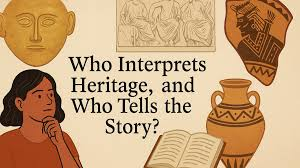
American heritage is not a single narrative but a collection of diverse voices shaped by different cultures, histories, and experiences. From Indigenous communities to immigrant populations, each group contributes to the evolving national identity. Understanding whose stories are included—and whose are missing—helps create a more accurate, inclusive, and meaningful interpretation of American heritage today.
Rethinking the Idea of a Single American Story
For much of U.S. history, American heritage was often presented as a unified narrative centered on a limited set of perspectives. While this approach offered a simplified version of the past, it left out many voices that have shaped the nation.
Today, there is growing recognition that American heritage is not owned by any single group. Instead, it is a shared and evolving story made up of multiple experiences. This shift reflects broader efforts to include historically underrepresented communities and provide a more complete understanding of the country’s past.
Institutions like the Smithsonian Institution have expanded their exhibits to highlight diverse cultural contributions, helping reshape public understanding of what constitutes American heritage.
Why Representation Matters in Heritage
Representation is central to understanding whose heritage is recognized and preserved. When certain voices are excluded, the resulting narrative becomes incomplete.
Inclusive representation ensures that:
- Multiple perspectives are acknowledged
- Historical accuracy is improved
- Communities see themselves reflected in the national story
- Cultural contributions are properly recognized
According to the Pew Research Center, a majority of Americans believe diversity strengthens national identity, underscoring the importance of inclusive storytelling.
Indigenous Heritage: Foundational Yet Often Overlooked
Indigenous communities represent the earliest layers of American heritage. Their traditions, knowledge systems, and cultural practices predate the formation of the United States.
However, these contributions have historically been underrepresented in mainstream narratives. Today, there is increased effort to recognize Indigenous heritage through education, preservation, and cultural initiatives.
Key aspects include:
- Protection of sacred lands and cultural sites
- Revitalization of languages and traditions
- Inclusion of Indigenous perspectives in historical interpretation
Organizations like the National Park Service collaborate with Native communities to preserve and interpret these histories more accurately.
The Role of Immigration in Expanding the Narrative
Immigration has been a defining force in shaping American heritage. Each wave of immigrants has brought new traditions, languages, and cultural practices that have become part of the national fabric.
Data from the U.S. Census Bureau shows that the United States is more diverse than ever, with millions of Americans tracing their roots to different parts of the world.
This diversity is reflected in:
- Cultural festivals and celebrations
- Culinary traditions and fusion cuisines
- Multilingual communities and cultural institutions
Rather than replacing existing traditions, immigration often leads to cultural blending, enriching the overall narrative.
African American Contributions to Cultural Identity
African American history and culture are central to understanding American heritage. From music and literature to civil rights activism, these contributions have had a profound impact on national identity.
Important influences include:
- The development of musical genres such as jazz and blues
- Contributions to literature, art, and scholarship
- Leadership in social and political movements
These contributions are increasingly recognized in public discourse and education, helping to create a more inclusive narrative.
Regional and Local Voices
Heritage is also shaped by regional and local experiences. Communities across the United States have developed unique traditions based on their history, geography, and demographics.
Examples include:
- Cultural traditions in the Southwest influenced by Hispanic and Indigenous heritage
- Industrial heritage in the Midwest
- Maritime traditions in coastal regions
Local organizations and historical societies play a key role in preserving these stories, ensuring they are not lost or overlooked.
The Role of Institutions in Amplifying Diverse Voices
Museums, libraries, and cultural organizations play a significant role in determining which stories are told and how they are presented.
The Library of Congress and similar institutions provide access to primary sources that help researchers and the public explore diverse perspectives.
Efforts to amplify underrepresented voices include:
- Expanding collections to include diverse materials
- Collaborating with communities to document oral histories
- Creating exhibits that highlight multiple perspectives
These initiatives help ensure that heritage reflects the full spectrum of American experiences.
Challenges in Building an Inclusive Narrative
Despite progress, challenges remain in creating a fully inclusive understanding of American heritage. Some voices are still underrepresented due to historical, social, or economic factors.
Common challenges include:
- Limited funding for community-based projects
- Historical biases in documentation and interpretation
- Difficulty accessing or preserving certain cultural records
- Balancing differing perspectives within a shared narrative
Addressing these challenges requires ongoing effort and collaboration.
Everyday Experiences as Part of the Larger Story
Heritage is not only shaped by major historical events but also by everyday experiences. Family traditions, community practices, and personal stories all contribute to the broader narrative.
For example:
- A family preserving its cultural traditions through food and celebrations
- A community organizing events that reflect its unique identity
- Individuals documenting their personal histories
These everyday contributions help ensure that heritage remains dynamic and inclusive.
Why This Conversation Matters Today
Understanding whose heritage is represented is essential for building a more accurate and inclusive society. It encourages critical thinking, fosters empathy, and supports cultural awareness.
For individuals, this means recognizing the diversity of experiences that make up American heritage. For institutions and communities, it involves actively working to include a wider range of voices.
This ongoing process helps create a more balanced and meaningful understanding of the American story.
Frequently Asked Questions
1. What does “whose heritage is it” mean?
It refers to the question of which groups and perspectives are included in the narrative of American heritage.
2. Why is diversity important in heritage?
It ensures a more accurate and inclusive representation of history and culture.
3. How have perspectives on heritage changed over time?
There is now greater emphasis on including previously underrepresented voices.
4. What role do Indigenous communities play in American heritage?
They provide foundational cultural and historical contributions.
5. How does immigration shape heritage?
It introduces new traditions and perspectives that enrich the national narrative.
6. What challenges affect inclusive storytelling?
Historical biases, limited resources, and underrepresentation.
7. How can institutions support diverse heritage?
By expanding collections and collaborating with communities.
8. What role do individuals play in preserving heritage?
By sharing stories, maintaining traditions, and engaging with history.
9. Why are local stories important?
They provide detailed insights into community experiences.
10. How can heritage become more inclusive?
Through education, representation, and active engagement with diverse perspectives.
A Shared Story Still Being Written
American heritage is not a finished narrative—it is an ongoing conversation shaped by diverse voices. Recognizing this complexity allows for a richer understanding of the past and a more inclusive vision for the future.
By acknowledging multiple perspectives, Americans can better appreciate the depth and diversity of their shared history. This approach not only honors the past but also strengthens connections across communities.
Key Insights on Inclusion and Identity
- American heritage includes multiple voices and perspectives
- Representation is essential for accuracy and inclusivity
- Indigenous and immigrant contributions are foundational
- Cultural diversity enriches the national narrative
- Institutions play a key role in shaping public understanding
- Challenges remain in achieving full representation
- Everyday experiences contribute to heritage
- Inclusive storytelling strengthens society