Summary
America’s food culture evolves constantly, yet many of its most memorable dishes are rooted in long-standing traditions. The concept of the “Flavor Trail” captures this balance—where historic recipes, regional ingredients, and cultural heritage meet modern culinary creativity. Across the United States, chefs, farmers, and communities are redefining regional cuisine while preserving the stories and traditions that shaped it.
The Idea Behind America’s Flavor Trail
The United States does not have a single culinary identity. Instead, it has dozens of regional food traditions shaped by geography, immigration, agriculture, and local culture. The idea of America’s Flavor Trail describes the journey through these regions—following the ingredients, dishes, and techniques that define local cuisine.
From Cajun cooking in Louisiana to farm-driven cuisine in California, regional flavors form a network of culinary routes across the country. These traditions evolve slowly, influenced by changing tastes, new technologies, and cultural exchange.
According to the National Restaurant Association, nearly 70% of chefs say regional ingredients and local sourcing influence menu development. This trend highlights how the modern food scene often builds on local heritage rather than replacing it.
For diners, the Flavor Trail is less about tourism and more about understanding how food reflects community identity.
How Regional Traditions Still Shape American Cooking
Many of America’s most recognizable dishes were born from practical traditions—using available ingredients and preserving cultural customs. Over time, these recipes became regional symbols.
Examples include:
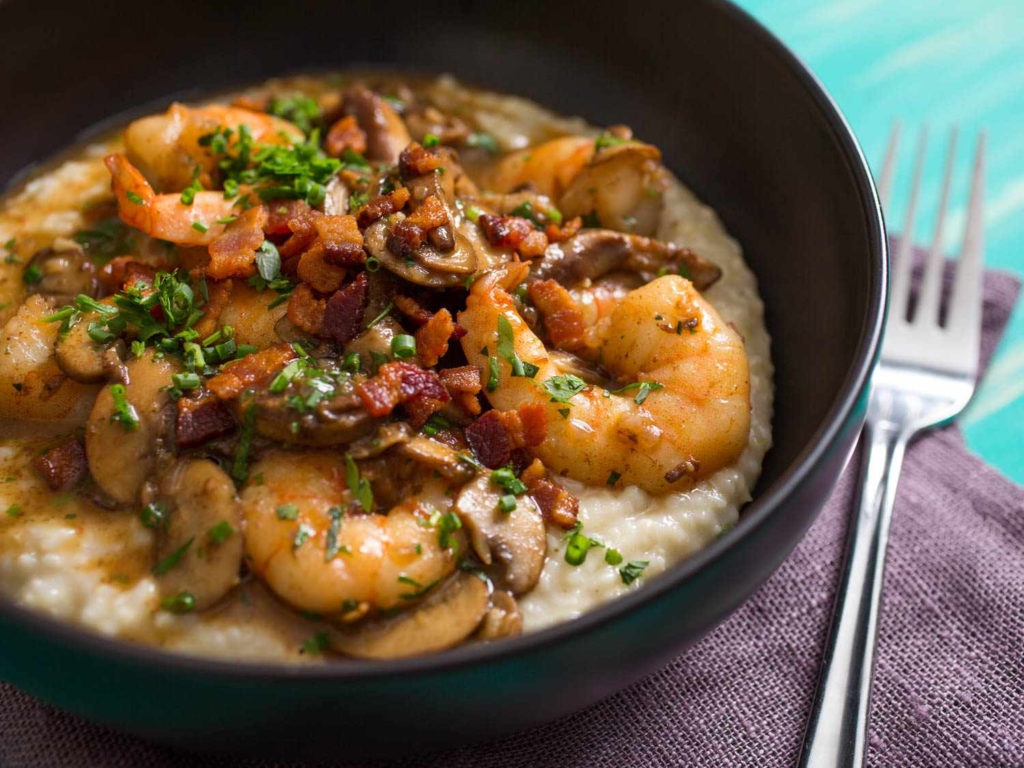
- Lowcountry shrimp and grits in South Carolina
- Texas barbecue brisket slow-smoked over oak
- Chicago deep-dish pizza with its thick crust and layered toppings
- New England clam chowder, rooted in coastal fishing communities
Each dish reflects local conditions: climate, agriculture, and immigrant influence.
In Louisiana, for instance, Creole and Cajun cuisines emerged from French, African, Spanish, and Native American traditions. Gumbo, now widely recognized across the country, originally developed as a community dish that combined available seafood, sausage, and vegetables.
These recipes endure because they connect people to place. Families pass them down, restaurants celebrate them, and communities identify with them.

Why Innovation Is Becoming Essential
While tradition forms the foundation of American cuisine, innovation keeps it relevant.
Modern chefs often reinterpret regional classics to reflect new ingredients, dietary preferences, and contemporary techniques. This shift is driven by several factors:
- Growing consumer interest in sustainable and local food systems
- Increased global culinary exposure
- Rising demand for plant-forward menus
- Advancements in food science and cooking technology
Innovation does not necessarily replace tradition—it reframes it.
For example, a chef might serve a plant-based version of gumbo using smoked mushrooms instead of sausage, or create a barbecue dish using heritage grains and regional vegetables alongside traditional smoked meats.
In cities such as Austin, Portland, and Minneapolis, chefs are known for blending classic regional flavors with global techniques.
The Role of Local Ingredients
A defining feature of the Flavor Trail is the connection between cuisine and local agriculture.
Across the United States, farmers’ markets and regional producers influence restaurant menus more than ever before. According to the USDA, the number of farmers markets in the U.S. has grown dramatically over the past two decades, reflecting stronger demand for local food.
Local sourcing matters for several reasons:
- Freshness and flavor
- Economic support for local farms
- Reduced transportation impact
- Seasonal creativity in menus
Restaurants that follow this approach often design menus around what is available locally rather than relying on standardized ingredients.
For example, Pacific Northwest chefs frequently highlight wild salmon, foraged mushrooms, and berries. In contrast, Midwestern kitchens may focus on corn, heritage pork, and regional dairy products.
This regional diversity is central to America’s evolving Flavor Trail.
When Immigrant Influences Transform Regional Cuisine
American food traditions are deeply connected to immigration. Many dishes that feel traditionally American today were originally introduced by immigrant communities.
Italian immigrants helped shape pizza culture in New York and Chicago. Vietnamese immigrants contributed to vibrant food scenes in cities like Houston and San Jose. Mexican culinary traditions continue to influence Southwestern cuisine.
Innovation often occurs where cultural traditions intersect.
Consider these examples:
- Korean-Mexican fusion tacos in Los Angeles
- Detroit-style pizza inspired by Sicilian baking techniques
- Texas barbecue incorporating Central European sausage traditions
These combinations are not simply trends. They represent the natural evolution of American cuisine as communities interact and adapt.
Restaurants That Preserve and Reinvent Regional Food
Many chefs today see themselves as custodians of culinary heritage rather than simply creators of new dishes.
Restaurants across the country actively preserve regional food traditions while refining them for modern audiences.
Common strategies include:
- Reviving historic recipes with updated techniques
- Using heritage grains and heirloom vegetables
- Collaborating with local farmers and fisheries
- Reinterpreting traditional dishes for modern dining settings
For instance, Southern restaurants increasingly highlight heritage ingredients such as Carolina Gold rice or stone-ground grits. These products once defined regional cooking but were nearly lost due to industrial agriculture.
By reintroducing them, chefs connect diners to culinary history while creating new dining experiences.
The Rise of Culinary Travel in the U.S.
Exploring regional cuisine has become an important part of travel within the United States. Instead of visiting destinations solely for landmarks or attractions, many travelers now plan trips around food.
Food tourism research from the World Food Travel Association suggests that over 80% of leisure travelers consider food experiences an important part of their trip.
Travelers following America’s Flavor Trail often seek experiences such as:
- Visiting local barbecue smokehouses in Texas
- Exploring seafood shacks along the New England coast
- Touring California wine country restaurants
- Sampling regional street food in cities like Los Angeles or Miami
These experiences allow visitors to understand local culture through food.
Technology and the Future of Regional Cuisine
Technology increasingly influences how regional cuisine evolves.
Several innovations are shaping the next stage of America’s Flavor Trail:
- Precision cooking techniques such as sous-vide
- Food traceability systems that track ingredients from farm to table
- Digital platforms that connect chefs directly with local producers
- Sustainable kitchen technologies that reduce waste
At the same time, technology allows small producers to reach broader audiences. Specialty products like artisanal hot sauces, regional spice blends, and craft condiments can now reach national markets through online platforms.
The result is a culinary ecosystem where tradition spreads more widely while still remaining locally rooted.
Challenges Facing Regional Food Traditions
Despite growing interest in regional cuisine, several challenges remain.
Urban development, changing agricultural practices, and shifting consumer habits sometimes threaten traditional food systems.
Key challenges include:
- Decline of small family farms
- Loss of traditional cooking skills across generations
- Pressure from industrial food production
- Rising costs for independent restaurants
Communities are responding by supporting farmers markets, culinary education programs, and heritage food initiatives.
Organizations such as Slow Food USA actively document and protect traditional ingredients and food practices across the country.
These efforts help ensure that regional cuisine continues to evolve without losing its cultural foundations.
Why the Balance Between Tradition and Innovation Matters
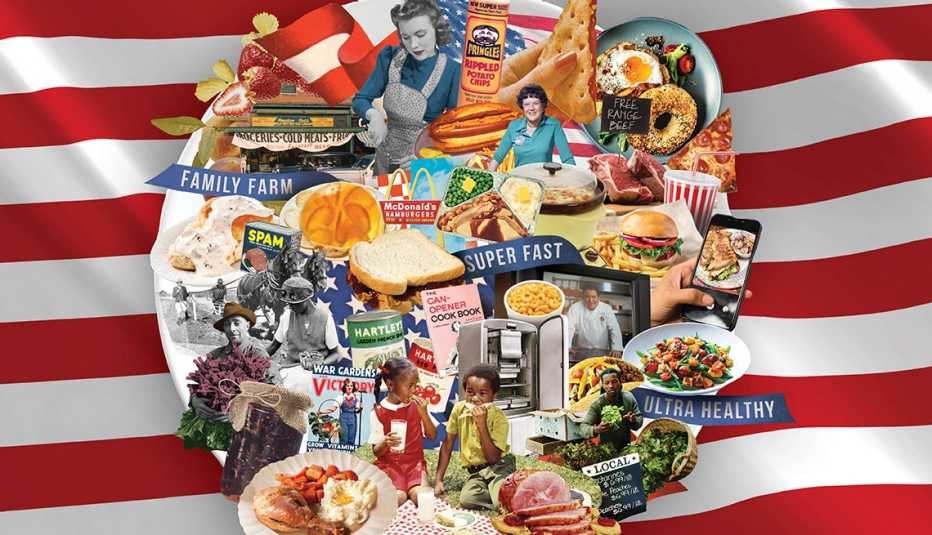
The concept of America’s Flavor Trail ultimately reflects a broader truth about food culture: innovation works best when it respects the past.
Traditional recipes provide context, memory, and cultural meaning. Innovation ensures those traditions remain relevant to modern diners.
When chefs, farmers, and communities collaborate, regional cuisine becomes both dynamic and enduring.
Instead of replacing old dishes, modern American cooking often builds on them—layering new ideas on top of long-standing culinary traditions.
Frequently Asked Questions
What does “America’s Flavor Trail” mean?
It refers to the diverse network of regional cuisines across the United States, highlighting how local ingredients, cultural traditions, and culinary innovation shape food experiences.
Why is regional cuisine important in the U.S.?
Regional cuisine reflects local history, agriculture, and cultural influences. It helps preserve culinary heritage while supporting local food economies.
How do chefs innovate traditional dishes?
Chefs may use modern cooking techniques, introduce new ingredients, adjust recipes for dietary preferences, or reinterpret classic dishes with contemporary presentation.
What are examples of famous regional American foods?
Examples include Texas barbecue, New England clam chowder, Chicago deep-dish pizza, Louisiana gumbo, and Southern shrimp and grits.
How does immigration influence American cuisine?
Immigrant communities bring cooking traditions that blend with local ingredients and existing food cultures, creating new regional dishes over time.
Why are local ingredients important in modern cooking?
Local sourcing improves freshness, supports regional agriculture, and encourages seasonal creativity in restaurant menus.
What role do farmers markets play in regional cuisine?
Farmers markets connect chefs and consumers directly with local producers, helping preserve regional ingredients and food traditions.
Is food tourism growing in the United States?
Yes. Many travelers now plan trips around culinary experiences, regional specialties, and local food culture.
How can home cooks explore regional American cuisine?
They can experiment with regional recipes, use locally sourced ingredients, and learn about the cultural history behind traditional dishes.
Will traditional American foods disappear over time?
Most experts believe traditions will continue evolving rather than disappearing, especially as chefs and communities actively preserve culinary heritage.
The Ongoing Journey of America’s Flavor Trail
America’s culinary landscape continues to evolve as new generations reinterpret traditional recipes while honoring their origins. Regional cuisine thrives when communities protect local ingredients, preserve cultural knowledge, and remain open to creative influences.
The Flavor Trail is not a fixed map—it is an ongoing journey shaped by farmers, chefs, and diners who value both heritage and progress.
Key Insights at a Glance
- Regional cuisine forms the foundation of American food culture
- Local ingredients strongly influence modern restaurant menus
- Immigration has played a major role in shaping regional dishes
- Innovation allows traditional recipes to evolve for modern tastes
- Culinary travel is increasingly centered around local food experiences
- Technology and sustainability are influencing the future of regional cuisine