Summary
The American Midwest is known for hearty comfort food, but behind every dish is a regional story shaped by immigration, agriculture, and small-town traditions. From Wisconsin cheese curds to Kansas City barbecue, the Midwest’s culinary landscape reflects community identity. Exploring these foods reveals not only flavor but also the history, values, and agricultural heritage that define the region.
The Midwest has long been described as the American heartland—not just geographically, but culturally. Its food traditions reflect the same qualities people associate with the region: warmth, generosity, practicality, and a deep connection to the land.
Comfort food here isn’t simply about indulgence. It tells stories of immigrant communities, farming economies, and local pride. A slice of cherry pie in northern Michigan or a plate of pork tenderloin in Indiana carries generations of tradition.
For travelers and curious home cooks alike, the Midwest offers a “flavor trail” that combines food, place, and identity. Understanding these dishes reveals how local agriculture, community gatherings, and regional history shape what ends up on the plate.
What Defines Midwest Comfort Food?
Midwestern comfort food is grounded in practicality. Historically, families relied on what could be grown locally, preserved through winter, or prepared in large portions for gatherings.
The region’s cuisine was heavily influenced by immigrant groups—including German, Scandinavian, Polish, and Czech communities—who adapted traditional recipes to local ingredients.
Common characteristics include:
- Hearty portions and satisfying textures
- Strong reliance on dairy, grains, and meat
- Recipes designed for community meals or potlucks
- Seasonal ingredients from local farms
- A balance of simple preparation and bold flavor
According to the U.S. Department of Agriculture, the Midwest produces the majority of America’s corn, soybeans, and dairy products. This agricultural abundance directly shapes many of the region’s most recognizable dishes.
Wisconsin: Cheese Curds and Dairy Pride
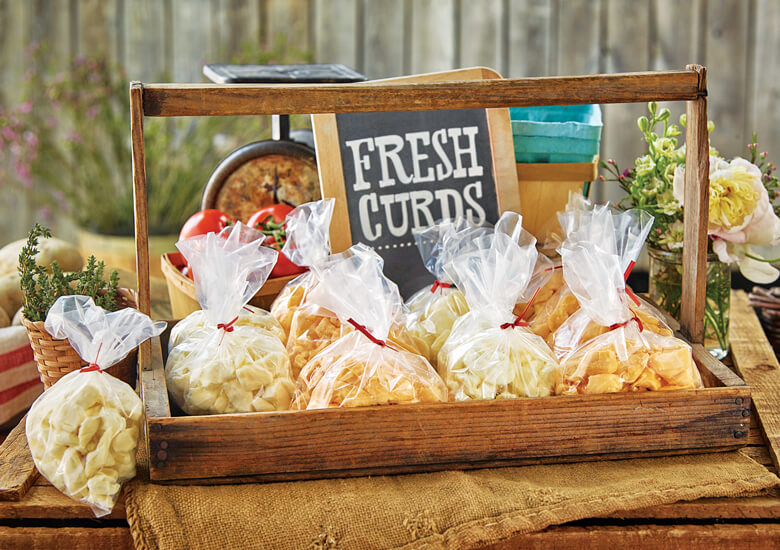
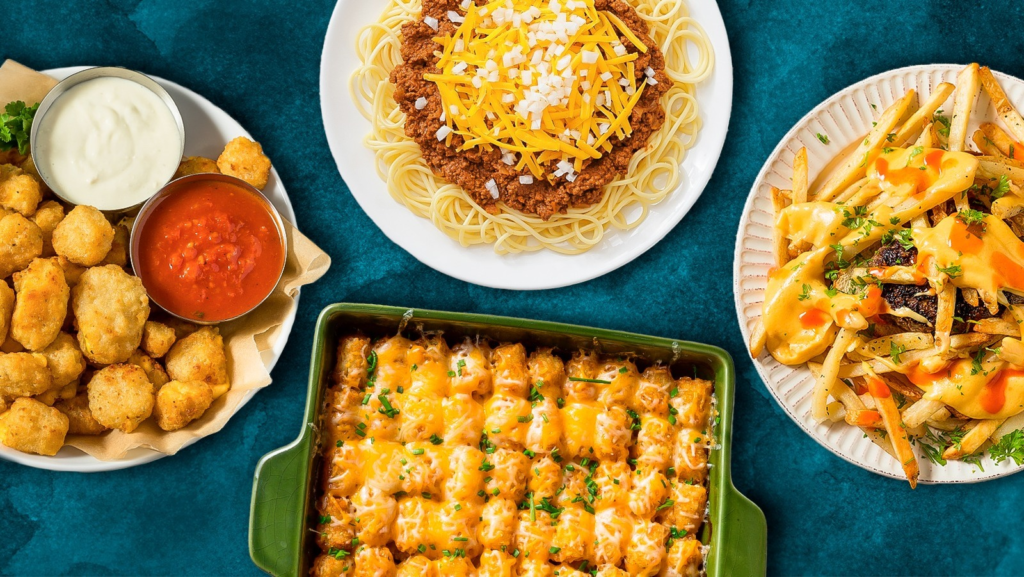
Few foods represent a place more clearly than Wisconsin’s fresh cheese curds.
Made during the cheddar cheesemaking process, curds are typically eaten within hours of production. When fresh, they produce the famous “squeak” against your teeth.
Local creameries across Wisconsin serve them in several ways:
- Fresh and unbreaded
- Deep-fried at taverns and state fairs
- Tossed into salads or poutine-style dishes
The state’s dairy identity runs deep. Wisconsin produces over 3 billion pounds of cheese annually, according to the Wisconsin Milk Marketing Board.
In small towns, cheese curds are often tied to community traditions:
Friday fish fries at neighborhood taverns frequently include curds as a side dish, while farmers markets offer bags of still-warm curds directly from local producers.
Illinois: The Story Behind Deep-Dish Pizza
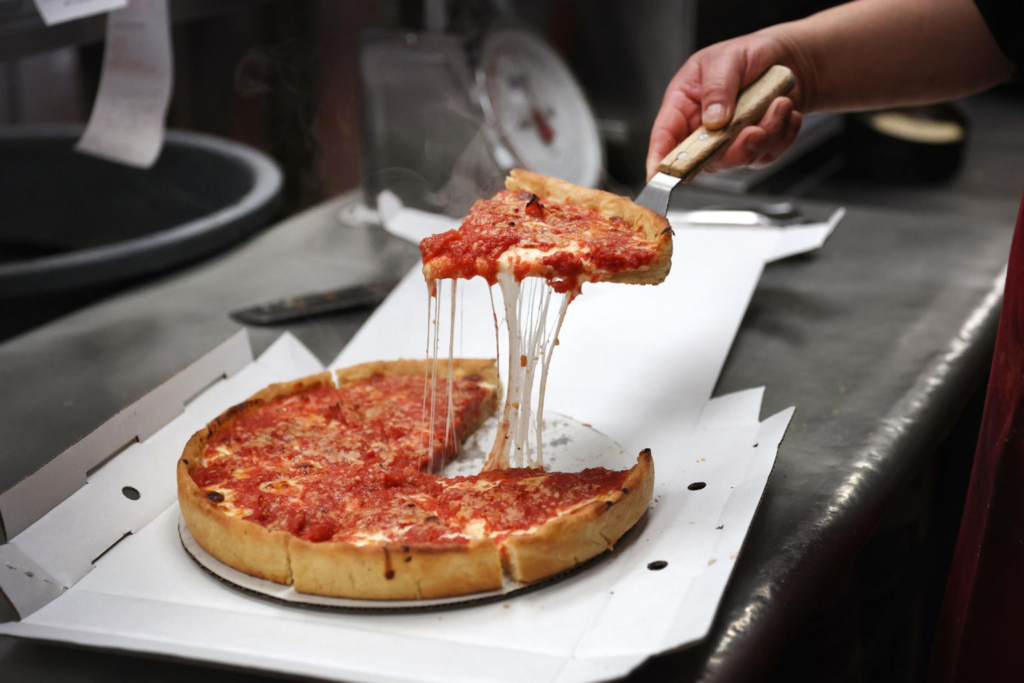
Chicago’s deep-dish pizza is often misunderstood outside the region.
Rather than a traditional pizza, it resembles a savory pie with a thick crust, layered cheese, toppings, and a chunky tomato sauce on top.
Created in the 1940s, deep-dish reflects Chicago’s working-class dining culture. The dense structure allowed a single slice to be filling enough for laborers needing a hearty meal.
Typical ingredients include:
- Buttery crust pressed into a deep pan
- Mozzarella layered directly on the dough
- Italian sausage or vegetables
- Crushed tomato sauce on top
While some Chicago residents prefer thinner tavern-style pizza today, deep-dish remains a defining culinary symbol for visitors exploring the Midwest flavor trail.
Minnesota: Hotdish and Community Cooking
Minnesota’s famous hotdish is the ultimate example of Midwest practicality.
The dish combines a starch, protein, vegetables, and creamy sauce baked in a single casserole dish. It became popular during the mid-20th century when canned soup and frozen vegetables offered affordable convenience.
The most iconic version—tater tot hotdish—includes:
- Ground beef
- Cream of mushroom soup
- Green beans or corn
- Crispy tater tots layered on top
Hotdish is a staple at church potlucks, school fundraisers, and family gatherings.
Its significance goes beyond food. It represents a culture where sharing meals is a form of community support.
Indiana: The Giant Pork Tenderloin Sandwich
If you travel across Indiana, roadside diners and county fairs serve a sandwich that often surprises first-time visitors: the breaded pork tenderloin.
The pork cutlet is pounded thin, breaded, and fried until it expands far beyond the bun.
Typical presentation includes:
- A thin bun dwarfed by a large cutlet
- Pickles, onions, and mustard
- Optional lettuce and tomato
Its origins likely trace back to German schnitzel traditions brought by immigrants in the late 19th century.
Today, food trails across Indiana even map the best places to try this oversized sandwich, drawing culinary travelers through small towns.
Missouri and Kansas: Barbecue With Regional Identity
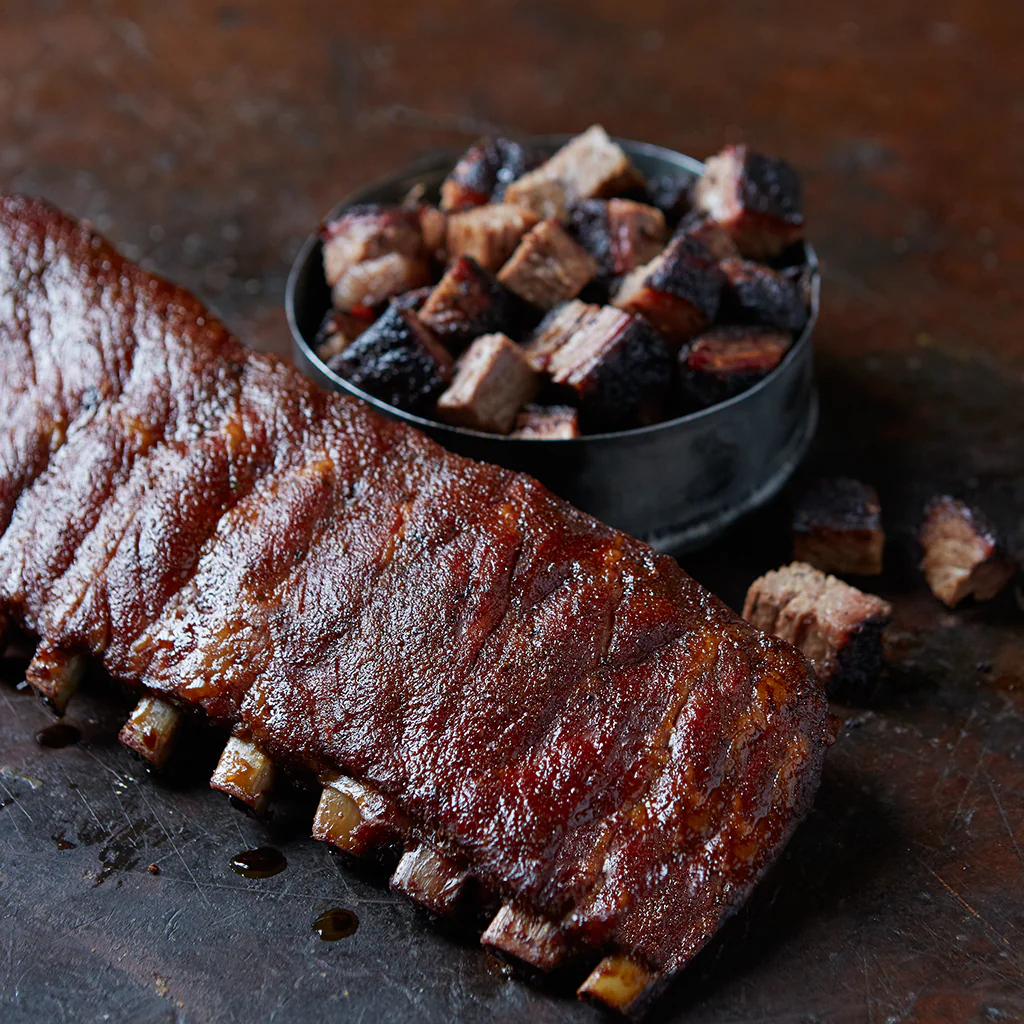
Kansas City barbecue is one of the Midwest’s most influential culinary exports.
Unlike the vinegar-forward styles of the Carolinas or the brisket focus of Texas, Kansas City barbecue emphasizes a wide range of meats with thick, sweet tomato-based sauce.
Popular options include:
- Burnt ends (crispy beef brisket tips)
- Slow-smoked ribs
- Pulled pork sandwiches
- Smoked sausage
Kansas City’s barbecue scene grew from early 20th-century street vendors serving workers in the city’s stockyards and jazz districts.
Today, the city hosts the American Royal World Series of Barbecue, one of the largest barbecue competitions in the world.
Michigan: Cherries, Coney Dogs, and Great Lakes Influence
Michigan’s comfort food traditions reflect both agriculture and its Great Lakes location.
The state produces about 70% of the nation’s tart cherries, according to the Cherry Marketing Institute. These cherries are commonly used in pies, preserves, and baked desserts.
Another regional icon is the Detroit-style Coney dog:
- Natural casing hot dog
- Chili meat sauce
- Mustard and chopped onions
- Served in a steamed bun
Despite the name, it originated in Michigan, created by Greek immigrant restaurateurs in Detroit during the early 1900s.
The combination of immigrant entrepreneurship and local ingredients created a dish that remains central to the city’s food culture.
Iowa and Nebraska: Corn, Beef, and Rural Traditions
In rural parts of Iowa and Nebraska, comfort food often centers around farm-fresh ingredients.
Corn appears in countless dishes:
- Corn casseroles
- Sweet corn on the cob
- Cornbread and corn fritters
Beef also plays a major role. Nebraska ranks among the top cattle-producing states in the U.S.
Classic Midwest steakhouse traditions grew out of this agricultural base, where ranching and meatpacking industries shaped regional cuisine.
Local diners and supper clubs often feature simple menus highlighting:
- Grilled ribeye steaks
- Mashed potatoes and gravy
- Buttered corn
- Homemade pies
The emphasis is less about innovation and more about quality ingredients prepared well.
Why Food Trails Are Growing in Popularity
Food tourism has become a major driver of travel in the United States.
According to the U.S. Travel Association, culinary experiences influence travel decisions for nearly 60% of American leisure travelers.
Midwestern states increasingly promote food trails that connect local producers, restaurants, and cultural landmarks.
Examples include:
- Wisconsin Cheese Trail
- Indiana Tenderloin Trail
- Michigan Cherry Trail
- Kansas City Barbecue Trail
These routes allow travelers to explore regional food traditions while supporting small businesses and family-owned restaurants.
Experiencing Midwest Comfort Food as a Traveler
Visitors exploring Midwest food traditions often discover that the experience extends beyond restaurants.
The best encounters happen in places like:
- County fairs and state fairs
- Small-town diners
- Local farmers markets
- Community festivals
- Historic taverns
A Friday night fish fry in Wisconsin or a church potluck in Minnesota offers insight into the community culture that created these dishes.
For travelers interested in authentic American food heritage, the Midwest provides an experience that feels grounded and genuine.
Frequently Asked Questions
What foods is the Midwest most famous for?
The Midwest is known for dishes like cheese curds, deep-dish pizza, hotdish, pork tenderloin sandwiches, Kansas City barbecue, Coney dogs, and cherry pie.
Why is Midwest food considered comfort food?
Many dishes are hearty, affordable, and designed for sharing. They evolved from agricultural lifestyles and community traditions.
What state has the best barbecue in the Midwest?
Kansas City, Missouri is widely regarded as the Midwest’s barbecue capital due to its diverse meats and signature sweet sauces.
What is a hotdish?
Hotdish is a Minnesota-style casserole that combines meat, vegetables, starch, and creamy sauce baked together in one dish.
Why are cheese curds associated with Wisconsin?
Wisconsin is one of America’s largest dairy producers, and cheese curds are a natural byproduct of cheddar cheesemaking.
What makes Chicago deep-dish pizza different?
It uses a deep pan with a thick crust and layered ingredients, with tomato sauce placed on top rather than underneath the cheese.
What is the Indiana pork tenderloin sandwich?
It’s a breaded and fried pork cutlet served on a bun, often much larger than the bun itself.
What is a Detroit Coney dog?
A hot dog topped with chili sauce, mustard, and chopped onions, served in a steamed bun.
Are Midwest food trails popular with tourists?
Yes. Culinary tourism is growing, and many Midwestern states now promote food-focused travel routes.
When is the best time to explore Midwest food culture?
Summer and early fall offer the most opportunities due to farmers markets, state fairs, and harvest festivals.
A Culinary Map of the American Heartland
Midwest comfort food tells a story that goes far beyond flavor. Each dish reflects the people who settled the region, the crops grown in its soil, and the communities built around shared meals.
Traveling the Midwest through food reveals something distinctly American: a culture where hospitality, agriculture, and tradition meet at the dinner table.
For those willing to follow the flavor trail, the Midwest offers not just satisfying meals—but a deeper understanding of the region itself.
Key Flavor Trail Highlights
- Midwest comfort food reflects immigrant traditions and local agriculture
- Dairy and cheese production shape Wisconsin’s food culture
- Chicago deep-dish pizza grew from working-class dining traditions
- Minnesota hotdish symbolizes community gatherings
- Kansas City barbecue is one of America’s most influential regional styles
- Michigan cherries and Detroit Coney dogs highlight local identity
- Rural states emphasize simple dishes made from farm ingredients
- Food tourism is helping travelers rediscover regional American cuisine