Summary
Exploring your city’s flavor trail means discovering the neighborhoods, markets, and restaurants that define its food culture. This guide explains how to map your own culinary route, find authentic local favorites, and turn everyday dining into a meaningful exploration. With practical strategies, real-world examples, and smart planning tips, you can uncover hidden food gems without leaving your hometown.
Why Exploring Your Local Food Scene Matters
Many Americans travel across the country—or the world—seeking new food experiences. Yet some of the most interesting culinary discoveries are often within a few miles of home. Nearly every city in the United States has evolved through waves of immigration, regional traditions, and modern innovation. Those influences shape what could be called a “flavor trail”—a network of eateries, markets, bakeries, and street vendors that collectively tell the story of a place.
According to the National Restaurant Association, the United States has more than one million restaurant locations, and a growing percentage are small independent businesses reflecting specific cultural traditions. These establishments often preserve authentic cooking methods, family recipes, and local ingredients.
Exploring this landscape is more than casual dining. It’s a way to understand your city’s history, support local businesses, and expand your palate without expensive travel.
What Is a “Flavor Trail”?
A flavor trail is not a formal tourist route. Instead, it’s a personal culinary path you create by intentionally exploring different food cultures, neighborhoods, and specialties within your city.
Unlike typical restaurant hopping, a flavor trail focuses on patterns and connections. For example, you might discover:
- A historic district known for bakeries
- A neighborhood filled with Southeast Asian restaurants
- A weekly farmers market featuring regional produce
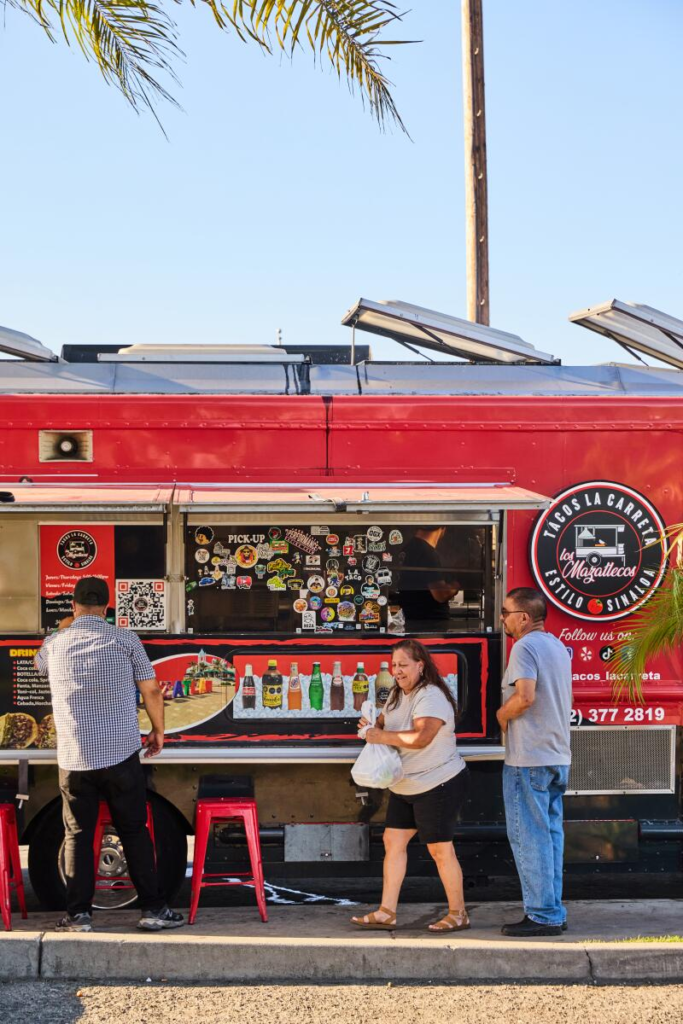
- A street known for late-night taco trucks
Over time, these stops form a map of flavors that reflects the identity of your city.
Cities like New York, Chicago, Houston, and Los Angeles have famously diverse food landscapes, but the same approach works just as well in smaller places like Columbus, Omaha, or Raleigh.
Step 1: Map the Food Neighborhoods in Your City
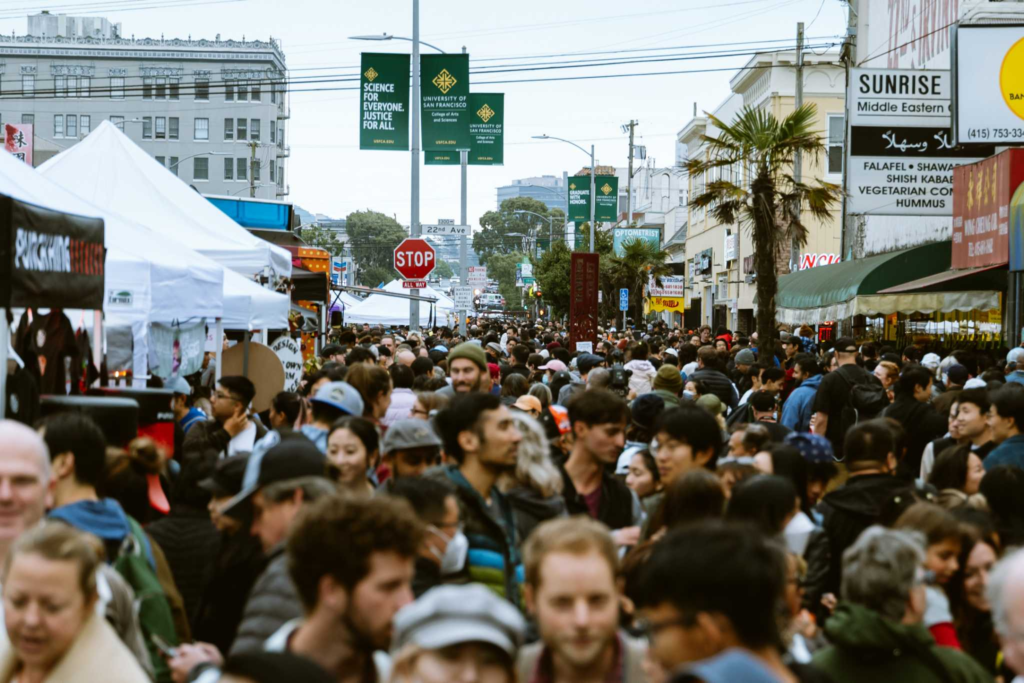
Every city has areas where certain cuisines cluster. These neighborhoods often develop because immigrant communities settle nearby and open businesses serving familiar food.
For example:
- Houston has thriving Vietnamese and Nigerian food corridors
- Los Angeles is known for Korean BBQ and Oaxacan restaurants
- Chicago’s Devon Avenue hosts numerous South Asian eateries
Start by identifying where similar cuisines appear together. Local food blogs, Google Maps searches, and community forums often reveal these clusters quickly.
Practical research strategies include:
- Searching “best [cuisine] in [your city]”
- Looking for restaurant density on maps
- Reading local newspaper food sections
- Checking neighborhood dining guides
Once you identify these areas, visit them intentionally rather than choosing random restaurants.
Walking a few blocks through a concentrated food district can reveal bakeries, markets, dessert shops, and cafes you might otherwise miss.
Step 2: Start With Signature Dishes
A practical way to explore a city’s flavor trail is by focusing on signature dishes rather than entire menus.
Certain foods represent local culture particularly well. For example:
- Philly cheesesteaks in Philadelphia
- Detroit-style pizza in Detroit
- Nashville hot chicken in Nashville
- Green chile dishes in Albuquerque
Even cities without famous national dishes have local specialties. In Austin, breakfast tacos define daily life. In Seattle, fresh seafood chowders appear everywhere.
To build your flavor trail:
- Identify a dish strongly associated with your city.
- Find three to five restaurants known for making it well.
- Visit them over time and compare.
This approach naturally leads you into different neighborhoods and cooking styles.
Step 3: Explore Markets and Food Halls
Restaurants get most of the attention, but markets often reveal deeper layers of a city’s food culture.
Public markets have surged in popularity across the United States. The Project for Public Spaces reports that more than 500 public markets operate nationwide, many featuring regional ingredients and family-run vendors.
Food halls—modern marketplaces combining many small vendors—have also grown rapidly.
Exploring these spaces allows you to sample multiple cuisines in one visit while discovering local food entrepreneurs.
Look for:
- International grocery stores
- Butchers specializing in regional meats
- Bakeries making traditional breads
- Fresh seafood counters
- Prepared-food stalls
A single market visit can expose you to ingredients and cooking traditions you may never encounter in standard restaurants.
Step 4: Follow the Locals, Not Just the Reviews
Online reviews are useful but imperfect. Highly rated restaurants sometimes attract visitors who value novelty over authenticity.
Instead, pay attention to who is eating there.
When exploring a cuisine unfamiliar to you, restaurants filled with people from that culture often signal authenticity. For example:
- A crowded Ethiopian restaurant in Washington, D.C.
- A bustling dim sum hall in San Francisco
- A Mexican taqueria packed late at night in Phoenix
Local workers on lunch break can also indicate quality. Construction crews, taxi drivers, and delivery drivers frequently know the best affordable food in a city.
These informal signals can lead you to places that rarely appear on tourist lists.
Step 5: Build Your Personal Flavor Trail Map
As you explore, document your experiences. Over time, you’ll create a personalized culinary map of your city.
Useful methods include:
- Saving locations in Google Maps
- Keeping a small tasting journal
- Creating a shared list with friends
- Posting photos and notes on social media
Record details such as:
- Dish highlights
- Price range
- Best time to visit
- Unique ingredients
- Cultural background of the cuisine
Within a few months, patterns will emerge. You may notice certain neighborhoods specialize in seafood, barbecue, or international desserts.
That evolving map becomes your city’s flavor trail.
Step 6: Try Seasonal Food Experiences
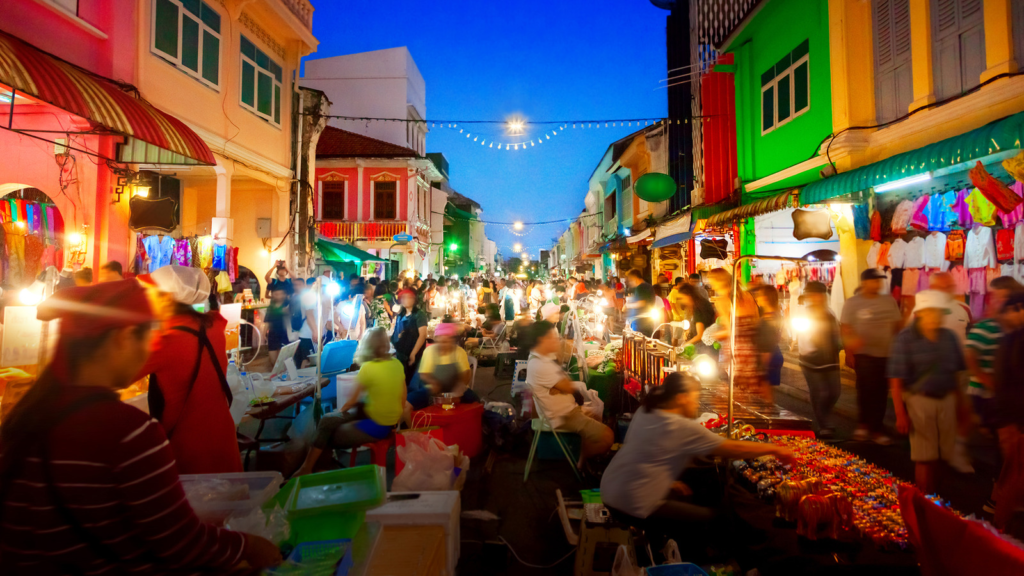
Food exploration changes throughout the year. Seasonal events and temporary vendors often showcase unique dishes.
Examples include:
- Summer food truck festivals
- State or county fairs
- Fall harvest markets
- Holiday street markets
Farm-to-table restaurants also rotate menus based on regional produce. In many cities, seasonal dishes feature ingredients like:
- Spring asparagus
- Summer tomatoes and corn
- Fall squash and apples
- Winter root vegetables
Exploring the same restaurant during different seasons can reveal dramatically different menus.
Step 7: Learn the Story Behind the Food
One of the most rewarding parts of a flavor trail is discovering the stories behind the dishes.
Many independent restaurants in the United States are family-run businesses rooted in migration histories or regional traditions.
For example:
- A Salvadoran pupuseria opened by a family that moved to the U.S. in the 1990s
- A barbecue restaurant using recipes passed down for generations
- A bakery preserving techniques from Eastern Europe
Asking respectful questions often leads to memorable conversations.
Owners and chefs frequently enjoy sharing the cultural significance of their food, turning a meal into a deeper learning experience.
Step 8: Explore Beyond Dinner
Many people limit restaurant exploration to dinner. But your city’s flavor trail likely extends throughout the entire day.
Consider expanding your exploration to:
- Breakfast diners
- Coffee roasters
- Dessert shops
- Late-night food trucks
- Weekend brunch spots
Breakfast tacos in Texas, bagels in New York, and donut shops in California all reveal different aspects of local food culture.
Late-night spots can be particularly revealing because they serve restaurant workers, musicians, and night-shift employees who depend on reliable, flavorful food.
Common Mistakes When Exploring a Local Food Scene
Many people unknowingly limit their culinary discoveries. Avoid these common mistakes:
- Visiting only trendy or newly opened restaurants
- Staying within a single neighborhood
- Ordering the safest menu item every time
- Ignoring markets and food trucks
- Following only social media hype
True flavor trails emerge from curiosity and patience, not just viral restaurant recommendations.
Frequently Asked Questions
What is a flavor trail?
A flavor trail is a personal path through your city’s food culture, created by exploring different restaurants, markets, and cuisines that represent the community’s culinary identity.
How do I find authentic local restaurants?
Look for restaurants where people from the cuisine’s culture are eating, explore neighborhood clusters of similar eateries, and read local food journalism rather than relying solely on generic review apps.
Is exploring local food expensive?
It doesn’t have to be. Many excellent food experiences come from modest establishments, food trucks, and neighborhood bakeries rather than high-end restaurants.
How often should I explore new places?
Even one new restaurant or market per week can gradually build a meaningful flavor trail over several months.
Are food halls worth visiting?
Yes. Food halls often feature multiple independent vendors in one place, making it easier to sample diverse cuisines during a single visit.
Should I travel across the city for food?
Sometimes. Many of the best culinary experiences are found in neighborhoods outside typical dining districts.
What tools help map a flavor trail?
Google Maps saved lists, note-taking apps, or simple food journals work well for tracking discoveries.
Do smaller cities have good flavor trails?
Absolutely. Smaller cities often have tight-knit food communities with authentic family-run restaurants.
How can I learn more about unfamiliar cuisines?
Ask staff about recommended dishes, research basic ingredients beforehand, and try small portions when possible.
What’s the best way to share food discoveries?
Social media, local food forums, or simply inviting friends to join your next culinary exploration.
Discovering the Stories Behind Your City’s Plates
A city’s food culture is constantly evolving. New immigrant communities introduce flavors, chefs reinterpret traditional recipes, and markets adapt to changing tastes. By intentionally exploring your local flavor trail, you participate in that story.
Instead of treating meals as routine, you turn them into small adventures—each one revealing something new about your city and the people who live there.
Quick Highlights From the Guide
- Every city has a hidden culinary map worth exploring
- Neighborhood food clusters reveal cultural history
- Signature dishes provide an easy starting point
- Markets and food halls showcase diverse ingredients
- Authenticity often appears where locals gather
- Seasonal foods offer new experiences year-round
- Documenting discoveries builds your personal flavor trail