
Summary
America’s most memorable food experiences are not always found in major culinary capitals. Across small towns, regional corridors, and overlooked neighborhoods, communities are quietly preserving distinctive culinary traditions. This guide explores lesser-known American destinations where remarkable local food thrives—from immigrant-driven food scenes to agricultural hubs—revealing how geography, culture, and history shape the nation’s hidden flavor trail.
When people think of American food destinations, cities like New York, Los Angeles, or Chicago typically come to mind. Yet beyond these major culinary centers lies a network of smaller communities where distinctive flavors, family recipes, and regional ingredients continue to define local identity.
This informal network—often described by food writers as a “flavor trail”—connects towns, regions, and neighborhoods where remarkable food traditions persist outside mainstream attention. These places rarely appear on typical travel lists, but they offer some of the most authentic and memorable food experiences in the United States.
Understanding this hidden flavor trail means looking beyond trendy restaurant districts and toward communities shaped by agriculture, immigration, and regional history. In many cases, these destinations reveal how American cuisine evolves through local culture rather than celebrity chefs.
What Is America’s Hidden Flavor Trail?
The idea of a flavor trail reflects how regional foods develop around geography, culture, and agriculture. Instead of a single route, it is a network of communities where local food traditions remain central to daily life.
Several factors often define these places:
- Strong agricultural connections
- Multigenerational family restaurants
- Immigrant culinary traditions
- Local festivals centered around food
- Regional ingredients difficult to replicate elsewhere
According to the U.S. Travel Association, culinary tourism has grown steadily over the past decade, with roughly 81% of American leisure travelers saying they prioritize trying local food experiences while traveling. Many of those experiences occur outside major cities.

Why Small Towns Often Preserve the Best Food Traditions
Large cities constantly reinvent their dining scenes. While this creativity fuels innovation, it can also dilute long-standing culinary traditions.
Smaller communities, by contrast, tend to preserve recipes and techniques across generations.
Family-owned bakeries, barbecue joints, seafood shacks, and neighborhood diners frequently pass recipes down for decades. In some towns, the same restaurant has served the same signature dish for fifty years or more.
Agricultural proximity also plays a major role. When restaurants source ingredients directly from nearby farms, fisheries, or orchards, flavors remain deeply tied to place.
This is why many experienced travelers deliberately search for regional food hubs rather than big-city dining districts.
Surprising Food Destinations Across the United States
Across the country, unexpected communities have built reputations among chefs and food writers for distinctive cuisine.
El Paso, Texas — One of America’s Most Authentic Border Food Scenes
El Paso often gets overshadowed by Texas cities like Austin or Houston, yet many chefs consider it one of the most authentic Mexican-American culinary regions in the country.
Local specialties reflect centuries of borderland history. Dishes such as carne asada, chile rellenos, and handmade flour tortillas are staples of daily life rather than restaurant trends.
What distinguishes El Paso’s food culture is its connection to Northern Mexican cooking traditions, particularly those from Chihuahua.
Small neighborhood restaurants—often family-run—continue preparing dishes exactly as they have for generations.
Greenville, South Carolina — A Quiet Southern Food Revival
Greenville has become a case study in how smaller Southern cities can develop serious culinary reputations.
Over the past decade, the city has combined traditional Southern cooking with modern farm-to-table practices. Nearby farms supply restaurants with seasonal vegetables, pasture-raised meats, and artisanal dairy.
Dishes often blend tradition and creativity:
- Shrimp and grits made with locally milled corn
- Heritage pork barbecue
- Seasonal vegetable plates
- Southern-style biscuits using regional flour
Greenville’s growth mirrors a broader shift toward regional ingredient-driven cuisine across the American South.
Duluth, Minnesota — A Freshwater Seafood Destination
Located on Lake Superior, Duluth has quietly developed a reputation for freshwater fish cuisine.
Local restaurants frequently serve:
- Lake trout
- Whitefish
- Smoked salmon
- Walleye sandwiches
These fish come directly from regional fisheries, creating a culinary identity tied to the Great Lakes.
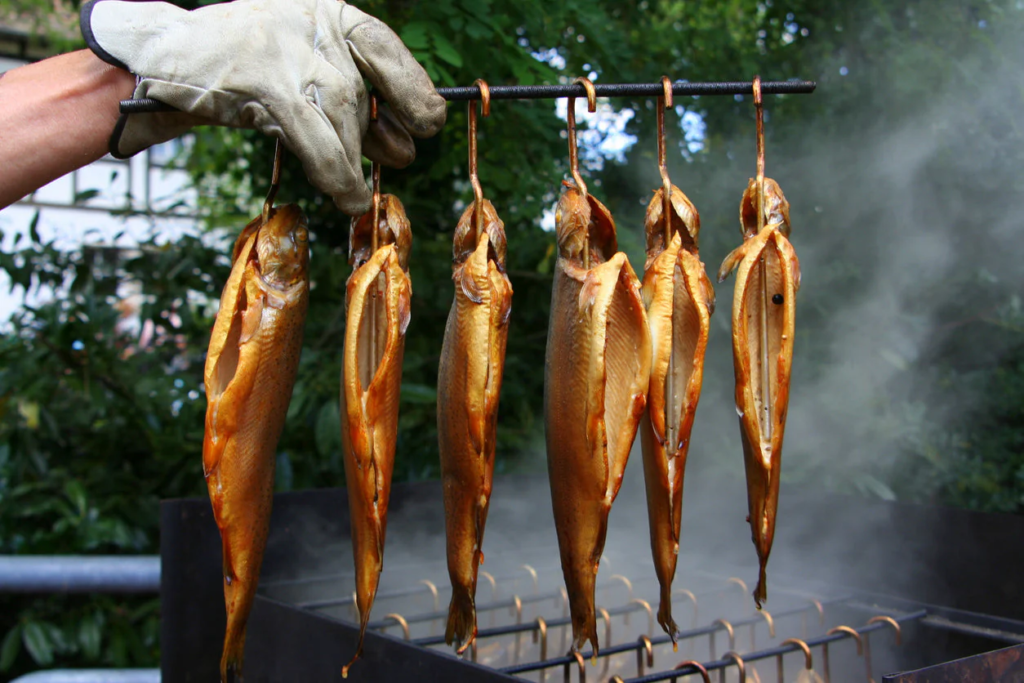
Many restaurants smoke fish in-house using traditional methods. The result is a flavor profile rarely found outside the upper Midwest.
Fresno, California — The Agricultural Heart of American Cuisine
California’s Central Valley produces roughly one quarter of the United States’ food supply, according to the California Department of Food and Agriculture.
Fresno sits at the center of this agricultural region.
This abundance of produce has created a thriving local food culture built around:
- Armenian bakeries
- Mexican street food traditions
- Farm-focused restaurants
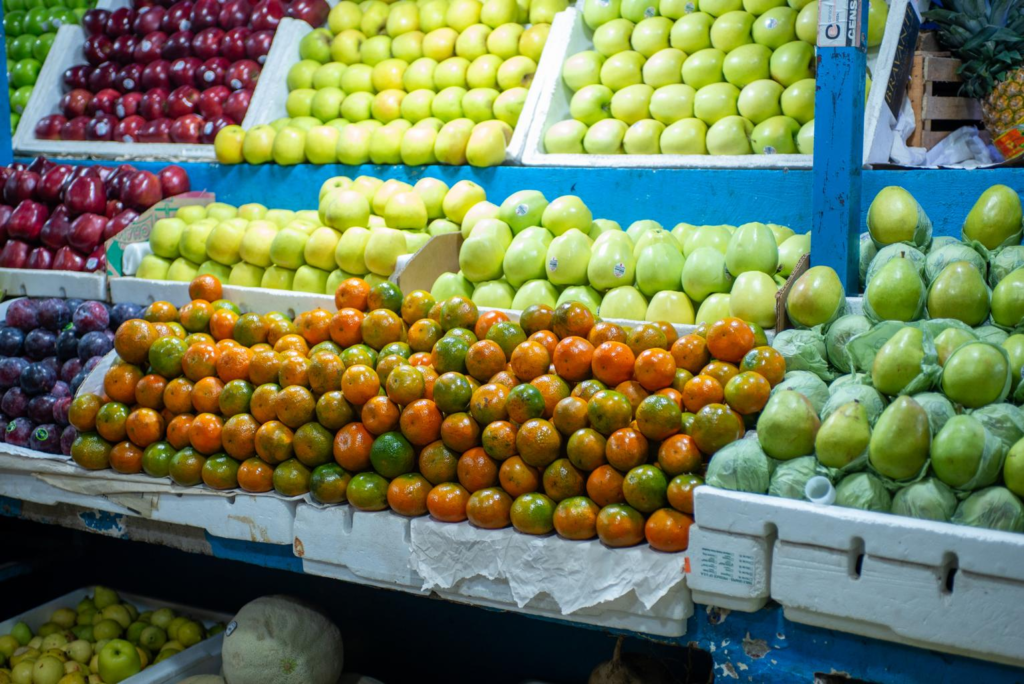
- Farmers markets showcasing regional produce
Some chefs argue that Fresno represents one of the most ingredient-rich culinary regions in the country, even though it rarely appears on traditional food travel lists.
Providence, Rhode Island — A Small City With Global Food Influence
Providence may be small, but its food scene reflects a remarkably diverse immigrant history.
Italian, Portuguese, Cape Verdean, and Southeast Asian communities have shaped the city’s dining culture.
Signature regional dishes include:
- Rhode Island–style calamari
- Portuguese seafood stew
- Italian bakery specialties
- Local clam dishes from Narragansett Bay
Providence also benefits from proximity to the Atlantic Ocean, giving restaurants access to extremely fresh seafood.
Regional Food Trails Worth Exploring
Many states now promote culinary travel routes designed to highlight regional food traditions.
Examples include:
- Kentucky Bourbon Trail – combining distilleries with Southern food culture
- Vermont Cheese Trail – showcasing small dairy farms and artisan cheesemakers
- North Carolina Barbecue Trail – highlighting regional barbecue styles
- Louisiana Boudin Trail – celebrating Cajun sausage traditions
These trails help travelers experience food within its geographic context.
They also support local economies. The Kentucky Bourbon Trail, for example, generates over $9 billion annually in economic impact, according to the Kentucky Distillers’ Association.
What Makes Local Food Worth Traveling For?
Travelers often ask a simple question: what makes a regional food destination truly special?
Food experts generally point to three key factors.
Local Ingredients
Regional food traditions develop around ingredients that grow or thrive in specific climates.
Examples include:
- Gulf Coast shrimp
- Pacific Northwest salmon
- Wisconsin dairy
- Georgia peaches
- Maine lobster
These ingredients influence cooking styles and local recipes.
Cultural Heritage
Many American food traditions originate from immigrant communities.
For example:
- Vietnamese food in Houston
- Ethiopian cuisine in Washington, D.C.
- Italian-American cooking in New Jersey
- German bakeries in parts of the Midwest
Over time, these cuisines evolve into unique regional variations.
Community Identity
In many towns, food traditions become part of community identity.
Local festivals often revolve around signature dishes.
Examples include:
- Crawfish festivals in Louisiana
- Apple harvest celebrations in New England
- Green chile festivals in New Mexico
These events reinforce how deeply food is tied to place.
How to Discover Hidden Food Destinations
Finding lesser-known culinary hotspots requires a different approach than typical travel planning.
Experienced food travelers often rely on several strategies:
- Visiting local farmers markets
- Asking chefs where they eat on their days off
- Reading regional food journalism
- Exploring neighborhoods outside tourist districts
- Searching for long-standing family restaurants
Community institutions—rather than trend-driven restaurants—often reveal the most authentic food traditions.
Questions Travelers Often Ask About America’s Flavor Trail
What is a flavor trail in food tourism?
A flavor trail refers to a travel route or network of destinations known for distinctive regional foods and culinary traditions.
Why do smaller cities sometimes have better food than major cities?
Smaller cities often preserve traditional recipes and rely more heavily on local agriculture and family-owned restaurants.
What are the best states for regional American food?
States often praised for regional cuisine include Louisiana, Texas, California, North Carolina, Vermont, and Wisconsin.
How can travelers find authentic local restaurants?
Local newspapers, community food blogs, and farmers markets often provide better recommendations than large review platforms.
Is culinary tourism growing in the United States?
Yes. According to the World Food Travel Association, food tourism continues to expand as travelers seek authentic local experiences.
What role do immigrants play in American food culture?
Immigrant communities have shaped much of America’s culinary identity, introducing ingredients, techniques, and dishes that become regional specialties.
Are food festivals good places to experience local cuisine?
Yes. Festivals often showcase traditional dishes and local ingredients that define regional food cultures.
Why are farmers markets important to local food scenes?
Farmers markets connect restaurants and residents directly with regional farms, strengthening local food systems.
How do agricultural regions influence restaurant culture?
Regions with strong agricultural production often develop restaurants centered on seasonal, locally grown ingredients.
Can travelers plan trips around food trails?
Yes. Many states publish official culinary trail maps that help travelers explore regional food destinations.
Where the Flavor Trail Leads Next
America’s culinary landscape continues to evolve, but its most meaningful food traditions remain rooted in communities that value history, local ingredients, and shared meals.
For travelers willing to explore beyond famous restaurant districts, these places offer something rare: food that reflects the land, the people, and the stories behind each dish.
Following America’s hidden flavor trail is less about chasing trends and more about discovering how everyday communities keep remarkable food traditions alive.
Key Insights From America’s Hidden Flavor Trail
- Many of the most authentic American food experiences exist outside major cities
- Agricultural regions often produce the strongest local food cultures
- Immigrant communities shape regional cuisine across the United States
- Culinary travel trails help connect travelers with local food traditions
- Smaller cities frequently preserve recipes and cooking techniques for generations