
Summary
The concept of the “Flavor Trail” reflects a growing movement in the United States toward regional food identity, locally sourced ingredients, and authentic culinary traditions. As consumers become more conscious of where food comes from, local flavor has gained renewed importance. Understanding the Flavor Trail helps Americans connect culture, agriculture, and community through food that reflects place, history, and season.
Understanding the Flavor Trail
The idea of the Flavor Trail describes the journey of discovering food that reflects the geography, culture, and agricultural traditions of a specific place. Rather than focusing on trends or globalized menus, the Flavor Trail highlights dishes rooted in local ingredients, regional techniques, and community stories.
Across the United States, food has always been closely tied to place. The Gulf Coast’s seafood traditions, New England’s clam-based dishes, the Midwest’s grain and dairy culture, and the Southwest’s chili-forward cuisine are all examples of how regional environments shape what ends up on the plate.
In recent years, the Flavor Trail has gained renewed attention as Americans increasingly seek transparency, authenticity, and meaningful food experiences. Instead of asking only “What tastes good?”, many diners now ask:
- Where did this ingredient come from?
- What region is this dish associated with?
- Who grows or produces the ingredients?
Following the Flavor Trail answers those questions while creating deeper connections between consumers and the communities that produce their food.
Why Local Flavor Is Gaining Importance
Several shifts in American food culture explain why local flavor has become more relevant than ever.
First, consumers have developed a stronger interest in food transparency. According to surveys conducted by the International Food Information Council, many Americans now actively seek information about sourcing, production practices, and ingredient origins.
Second, the rise of farmers markets and local food systems has made regional ingredients easier to access. The U.S. Department of Agriculture reports that farmers markets have grown significantly over the past two decades, reflecting stronger consumer demand for locally produced food.
Third, people increasingly value experiential dining. Rather than simply eating a meal, diners often want to understand the story behind it. Regional foods offer exactly that: a narrative tied to land, history, and culture.
Local flavor provides something large-scale food production cannot easily replicate—a sense of place.

How Geography Shapes American Flavor
Food traditions rarely develop randomly. They emerge from the natural resources available in a region and the cultural groups that settled there.
Consider a few examples across the United States.
In Louisiana, abundant wetlands and access to seafood helped create dishes such as gumbo and crawfish boils. These recipes evolved from a blend of French, African, Spanish, and Caribbean influences.
In the Midwest, fertile farmland and a strong dairy industry shaped a cuisine rich in cheeses, grains, and hearty comfort foods.
In the Pacific Northwest, access to wild salmon, mushrooms, and berries inspired a cuisine that emphasizes fresh, seasonal ingredients.
These regional influences form a kind of culinary map—a network of traditions that together make up the Flavor Trail across the country.
Common regional drivers of flavor include:
- Climate and growing seasons
- Local agriculture and livestock
- Historical migration patterns
- Indigenous food traditions
- Trade routes and coastal access
Understanding these factors helps explain why certain dishes feel inseparable from the places they originate.
The Role of Farmers, Producers, and Small Businesses
Local flavor does not exist without the people who grow, harvest, and prepare food within a region.
Farmers, fishermen, ranchers, cheesemakers, and bakers all play a role in maintaining regional culinary identity. When chefs choose to source ingredients locally, they help strengthen the connection between agriculture and dining.
Small food businesses also contribute to this ecosystem. Family-owned restaurants, regional bakeries, and independent food producers often preserve recipes passed down for generations.
Supporting these local networks provides benefits beyond the plate.
Key impacts of local food systems include:
- Supporting regional economies
- Preserving agricultural diversity
- Reducing transportation distances for food
- Maintaining culinary heritage
- Strengthening community relationships
When consumers follow the Flavor Trail, they are often supporting these local networks without realizing it.
Local Flavor and Sustainable Food Systems
Another reason local flavor matters is its relationship to sustainability.
Food transportation can account for a significant portion of environmental impact within the food system. While global supply chains remain essential, sourcing ingredients closer to where they are consumed can reduce some of those impacts.
Local food systems also encourage seasonal eating, which aligns better with natural growing cycles.
Seasonal cooking often results in:
- Fresher ingredients
- Lower transportation emissions
- Greater agricultural diversity
- Less reliance on long-term storage
In practice, following the Flavor Trail often means embracing the rhythms of local agriculture—fresh strawberries in early summer, apples in autumn, and root vegetables in winter.
How Restaurants Are Reviving Regional Cuisine
Restaurants across the United States have played an important role in reviving interest in local flavor.
Many chefs now build menus around regional sourcing and seasonal availability. Instead of importing ingredients from across the world, they highlight local farms, fisheries, and producers.
This shift has led to a renewed appreciation for traditional dishes that were once overlooked.
For example:
- Southern chefs have reintroduced heritage grains such as Carolina Gold rice.
- Midwestern restaurants increasingly feature locally milled flour and pasture-raised meats.
- Coastal restaurants emphasize regional seafood species rather than imported alternatives.
In many cases, chefs are not reinventing these dishes—they are simply restoring the attention they deserve.
How Travelers Follow the Flavor Trail
Food has become one of the most powerful ways people explore new destinations. Travelers often seek out regional specialties as part of their cultural experience.
Across the United States, entire travel routes now revolve around food traditions. Examples include barbecue trails in Texas, cheese routes in Wisconsin, and seafood trails along the Atlantic coast.
Travelers following the Flavor Trail often look for:
- Long-standing local restaurants
- Regional food festivals
- Farmers markets
- Small-town bakeries and diners
- Local food tours
These experiences offer something beyond tourism—they provide insight into how communities live, cook, and celebrate food.

Bringing the Flavor Trail Into Everyday Cooking
You do not need to travel far to explore local flavor. Many Americans can follow the Flavor Trail in their own communities.
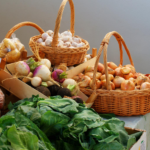
Start by paying attention to ingredients grown or produced within your region. Farmers markets, farm stands, and community-supported agriculture programs are excellent places to begin.
Cooking with local ingredients often leads to discovering traditional recipes associated with your area.
Simple ways to explore local flavor at home include:
- Visiting local farmers markets regularly
- Learning regional recipes from community cookbooks
- Trying seasonal produce you have not used before
- Supporting local bakeries and food producers
- Asking restaurant staff about ingredient sourcing
These small habits help reconnect everyday meals with the places they come from.
The Cultural Value of Regional Food
Food is more than nourishment. It carries memories, traditions, and community identity.
Regional dishes often represent generations of knowledge passed down through families and communities. When those traditions disappear, part of cultural history disappears with them.
Preserving local flavor helps maintain a living record of how communities have adapted to their environment and shared resources over time.
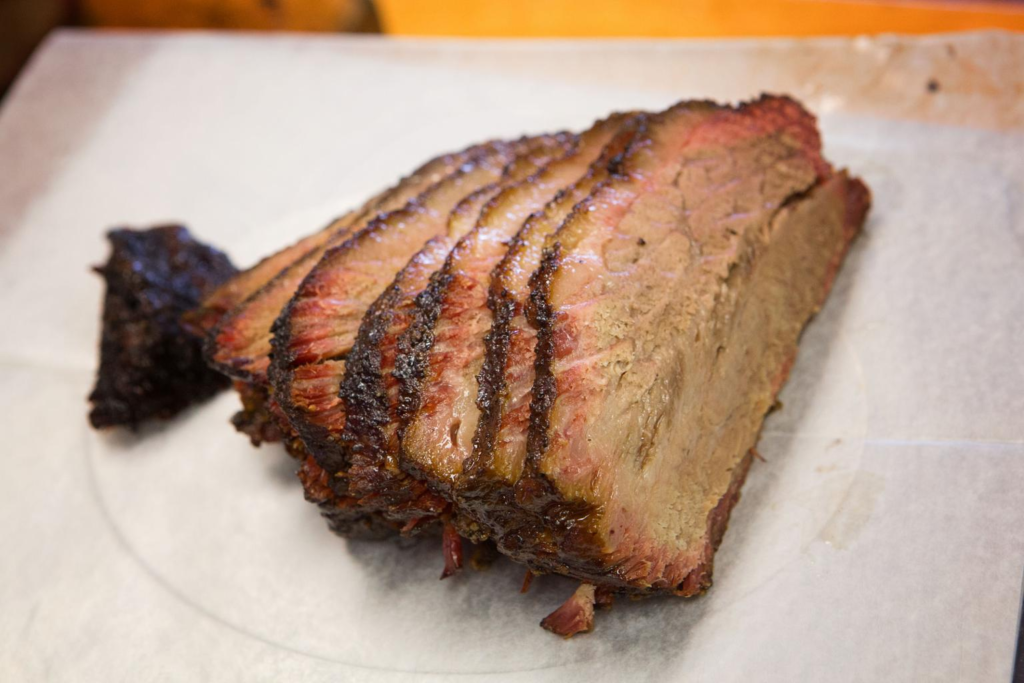
It also creates a sense of belonging. Whether it is a bowl of clam chowder in New England or a plate of smoked brisket in Texas, regional foods remind people where they are—and where they come from.
Questions People Ask About Local Flavor and the Flavor Trail
What does the term “Flavor Trail” mean?
The Flavor Trail refers to exploring food traditions tied to specific regions, ingredients, and cultural histories.
Why are local foods becoming more popular in the United States?
Consumers increasingly value transparency, sustainability, and authentic culinary experiences connected to place.
Does local food always mean healthier food?
Not necessarily. While local food can be fresher, nutritional value depends on the ingredient and preparation method.
How can I find local food in my area?
Farmers markets, local farm directories, and community-supported agriculture programs are common starting points.
Are regional dishes disappearing in the U.S.?
Some are at risk due to globalization, but renewed interest in heritage cooking is helping preserve them.
Why do chefs emphasize seasonal ingredients?
Seasonal ingredients tend to be fresher, more flavorful, and more aligned with natural agricultural cycles.
Is local food more expensive?
Sometimes, but many seasonal ingredients from local farms can be competitively priced.
What role do farmers markets play in the Flavor Trail?
They connect consumers directly with local growers and provide access to regional ingredients.
How does food tourism relate to the Flavor Trail?
Travelers often seek regional specialties to better understand the culture and traditions of a destination.
Can local flavor exist in large cities?
Yes. Many urban areas have strong regional food traditions shaped by immigrant communities and nearby agriculture.
A Living Map of American Taste
The Flavor Trail is not a fixed route or a formal program. It is an evolving network of food traditions shaped by geography, culture, and community.
As interest in food origins grows, Americans are rediscovering the importance of regional ingredients and local recipes. By supporting farmers, producers, and traditional cooking methods, consumers help ensure that local flavor remains a vibrant part of the nation’s food landscape.
In many ways, following the Flavor Trail is simply about paying attention—recognizing that every dish has a place, and every place has a story told through food.
Key Ideas to Remember
- The Flavor Trail connects food with geography, culture, and agriculture
- Regional dishes reflect climate, migration, and local ingredients
- Supporting local producers strengthens community food systems
- Seasonal cooking often leads to fresher and more sustainable meals
- Food tourism is increasingly centered on regional specialties
- Anyone can explore local flavor through farmers markets and community recipes