Summary
America’s “Flavor Trail” isn’t a single road but a nationwide journey through regional cuisines, immigrant traditions, and evolving food cultures. From Southern barbecue to coastal seafood shacks and urban food markets, the country’s culinary landscape reflects history, migration, agriculture, and innovation. Understanding this trail offers insight into how food connects communities, economies, and cultural identities across the United States.
Understanding America’s Flavor Trail
Across the United States, food tells a story about place. The concept of America’s Flavor Trail describes the culinary paths formed by regional dishes, local ingredients, and cultural traditions that have shaped how Americans eat. It stretches from roadside diners and family-run smokehouses to farmers markets and city food halls.
Unlike a single tourism route, the Flavor Trail is a network of food traditions rooted in geography and history. Coastal regions highlight seafood and maritime traditions. The South showcases slow-cooked barbecue and soul food. The Midwest celebrates agricultural abundance, while the Southwest blends Mexican, Native American, and Spanish influences.
According to the National Restaurant Association, the U.S. restaurant industry generated over $1 trillion in sales in 2024, reflecting how deeply food culture shapes travel, business, and community life.
For travelers and locals alike, exploring this culinary landscape offers more than a meal—it provides a window into American history.
The Regional Roots of American Food Culture
Food traditions across the United States developed from a mix of geography, agriculture, and immigration. Many dishes associated with specific states or cities began as practical ways for communities to use local ingredients.
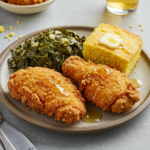
Southern Smoke and Barbecue Heritage
Barbecue is one of the most recognized elements of the American Flavor Trail. Yet “barbecue” means different things depending on where you are.
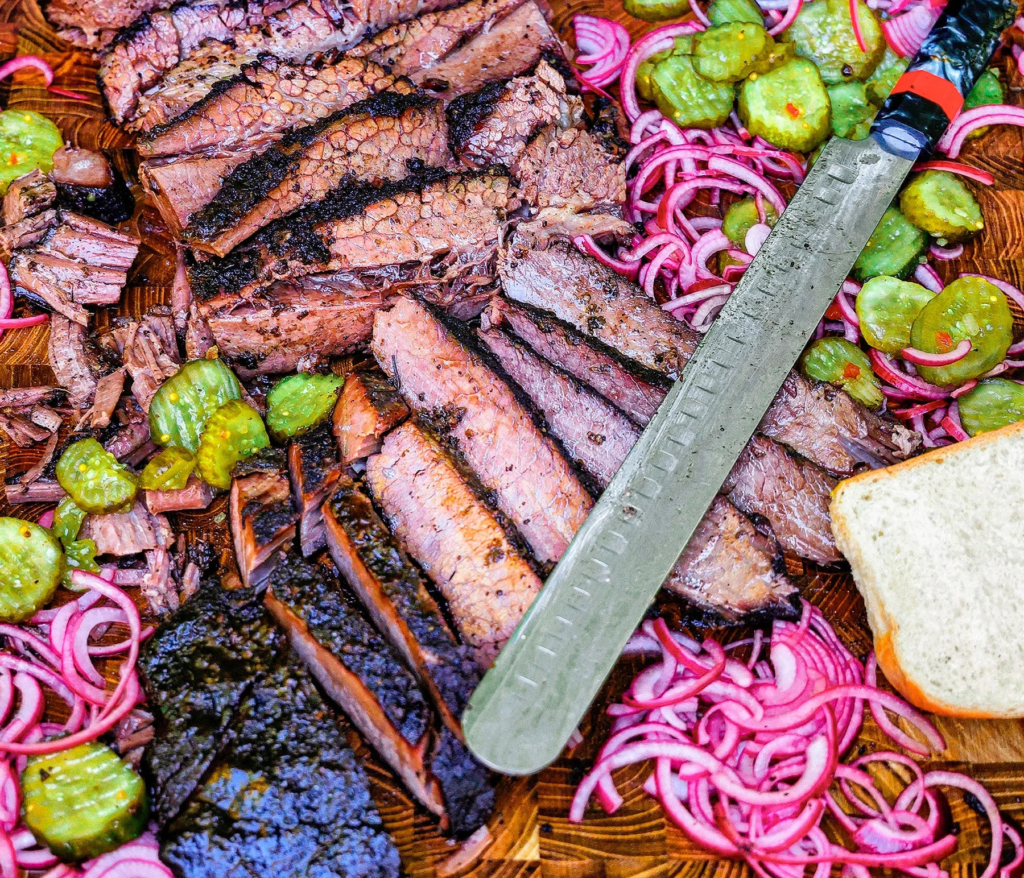
Texas barbecue focuses on beef brisket smoked slowly over oak. In North Carolina, pulled pork and vinegar-based sauces dominate. Memphis is known for dry-rub ribs, while Kansas City emphasizes thick tomato-based sauces and burnt ends.
These regional styles grew from agricultural practices and early cooking methods used by farmers and ranchers.
Barbecue culture also demonstrates how food traditions evolve through community gatherings. Church picnics, neighborhood cookouts, and local competitions helped shape regional identities around specific cooking styles.

Coastal Traditions and Seafood Culture
Coastal communities developed seafood traditions based on local fisheries and seasonal harvests.
New England’s lobster rolls and clam chowder reflect centuries of maritime culture. Maryland’s blue crab feasts highlight Chesapeake Bay traditions. Along the Gulf Coast, shrimp boils and Cajun seafood dishes combine French, African, and Caribbean influences.
The National Oceanic and Atmospheric Administration reports that the U.S. seafood industry supports more than 1.7 million jobs, demonstrating how culinary traditions often connect directly to regional economies.
Seafood dishes also reveal how environmental factors—such as water temperature and species availability—shape local cuisine.
The Midwest and America’s Agricultural Backbone
The Midwest is often called America’s breadbasket, and its food traditions reflect agricultural abundance.
Corn, dairy, and wheat dominate regional cooking. Wisconsin’s cheese curds, Chicago’s deep-dish pizza, and Minnesota’s comforting casseroles all highlight locally produced ingredients.
Family farms and small towns historically influenced how Midwestern communities cooked and ate. Church suppers, county fairs, and potluck gatherings remain important cultural touchpoints.
The US Department of Agriculture notes that the Midwest produces a significant portion of the country’s corn, soybeans, and dairy products—ingredients that appear across American cuisine.
Immigration and the Evolution of American Flavor
While geography shapes regional food, immigration has been equally influential.
Many iconic American foods emerged from immigrant communities adapting traditional recipes using locally available ingredients.
Examples include:
- Italian immigrants popularizing pizza in cities like New York and Chicago
- German settlers introducing sausages and beer traditions in the Midwest
- Mexican culinary traditions shaping Southwestern cuisine
- Chinese immigrants creating Chinese-American dishes such as chop suey and egg rolls
Over time, these foods became part of mainstream American dining.
Cities like New York City, Los Angeles, and Houston illustrate how immigrant communities continually expand the Flavor Trail by introducing new culinary traditions.
Food Tourism and the Modern Flavor Trail
Today, the Flavor Trail is increasingly tied to food tourism. Travelers often plan trips around local dining experiences.
According to the U.S. Travel Association, nearly 60% of American leisure travelers consider local food experiences an important factor when choosing a destination.
Popular food tourism experiences include:
- Barbecue trail road trips in Texas and the Carolinas
- Seafood tours along the Gulf Coast
- Winery and farm tours in California and Oregon
- Urban food market explorations in cities such as Austin and Portland
Food festivals also play a role in celebrating regional flavors. Events like state fairs and seafood festivals allow communities to highlight local specialties.
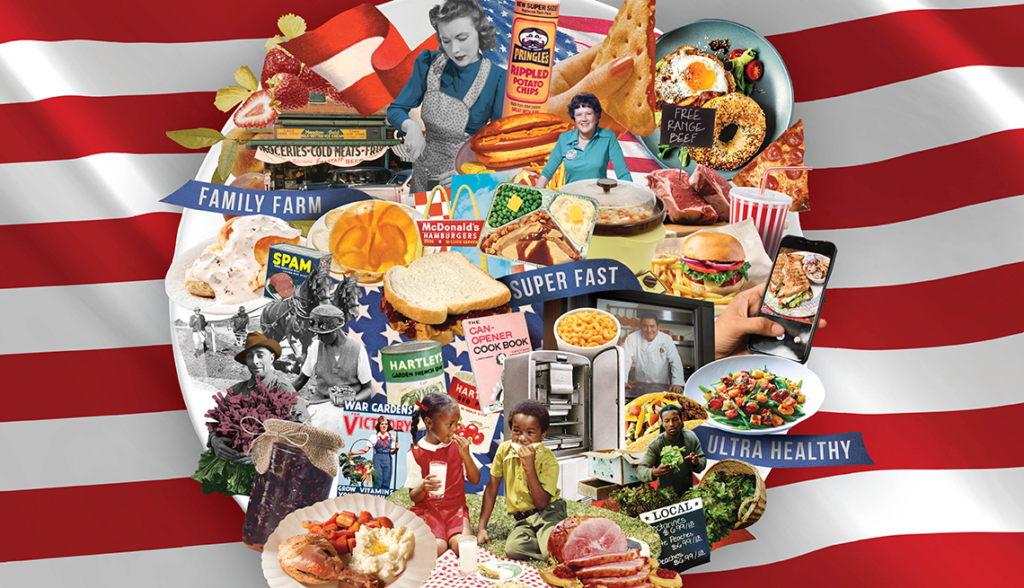
How Local Ingredients Shape Regional Identity
The connection between land and cuisine is central to the Flavor Trail.
Regional dishes often emerge from ingredients that grow naturally in the area. This relationship is known as terroir, a concept commonly discussed in agriculture and culinary arts.
For example:
- Louisiana’s rice and seafood contribute to dishes like gumbo
- California’s climate supports a vibrant produce culture
- The Pacific Northwest emphasizes wild salmon and mushrooms
Farm-to-table dining has further strengthened these connections. Restaurants increasingly highlight seasonal ingredients and relationships with local farmers.
This approach helps sustain regional agriculture while preserving culinary heritage.
The Rise of Modern Food Hubs and Markets
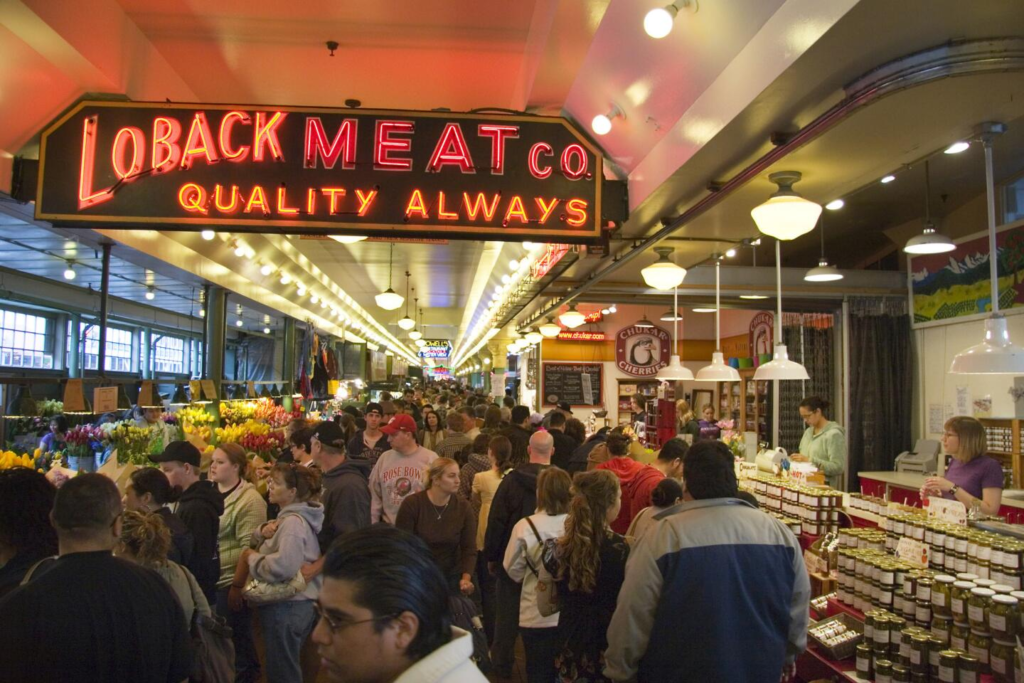
Urban food halls and public markets have become modern gathering places for exploring the Flavor Trail.
Markets such as those in Seattle and Philadelphia combine historic traditions with contemporary dining.
These spaces typically feature:
- Independent chefs and small vendors
- Regional specialties and street food
- Fresh produce from nearby farms
- Cultural fusion dishes that reflect evolving communities
Food halls also provide opportunities for emerging chefs to test new ideas before opening full restaurants.
Why the Flavor Trail Matters Beyond Food
The cultural significance of America’s Flavor Trail extends beyond cuisine.
Food traditions help preserve community identity, especially in neighborhoods undergoing rapid change. Family recipes and local restaurants often act as cultural anchors.
Economic impact is also substantial. Local food businesses support farmers, fishermen, distributors, and hospitality workers.
Equally important is the social aspect. Meals create shared experiences that strengthen community ties—whether at a backyard barbecue, a farmers market, or a busy neighborhood diner.
In many ways, the Flavor Trail represents how Americans gather, celebrate, and connect.
FAQ: America’s Flavor Trail
What is America’s Flavor Trail?
It refers to the network of regional cuisines, local food traditions, and culinary destinations that reflect the cultural diversity of the United States.
Is the Flavor Trail an official tourism route?
No. It’s an informal concept describing the many regional food traditions across the country.
Which regions are most famous for food tourism?
The South for barbecue, New England for seafood, California for farm-to-table cuisine, and Texas for smoked meats.
How has immigration shaped American cuisine?
Immigrant communities introduced cooking techniques, ingredients, and recipes that evolved into widely recognized American dishes.
Why is regional cuisine important in the U.S.?
Regional foods reflect local agriculture, history, and cultural influences.
What role do farmers markets play in the Flavor Trail?
They connect consumers directly with local producers and showcase seasonal ingredients.
Is food tourism growing in the United States?
Yes. Culinary travel has expanded significantly as travelers seek authentic local dining experiences.
What are examples of iconic American regional dishes?
Texas brisket, New England lobster rolls, Chicago deep-dish pizza, and Louisiana gumbo.
How do food festivals contribute to the Flavor Trail?
They celebrate regional specialties and attract visitors interested in local cuisine.
Can travelers experience the Flavor Trail in cities?
Yes. Urban food markets, neighborhood restaurants, and street food scenes offer diverse culinary experiences.
A Culinary Map That Never Stops Expanding
America’s Flavor Trail is constantly evolving. New immigrant communities introduce fresh culinary traditions. Farmers experiment with sustainable crops. Chefs reinterpret classic recipes for modern diners.
The result is a living food culture shaped by history, geography, and creativity. Exploring this trail—whether through travel or local dining—reveals how deeply food reflects the American experience.
Key Points From America’s Culinary Landscape
- The Flavor Trail represents regional food traditions across the U.S.
- Geography and agriculture strongly influence local cuisine
- Immigration has shaped many iconic American dishes
- Food tourism plays a growing role in travel planning
- Farmers markets and food halls help preserve regional ingredients
- Culinary traditions support local economies and community identity