Summary
Across the United States, regional dishes continue to shape everyday cooking, restaurant menus, and food traditions. From Southern barbecue to New England seafood and Midwestern comfort foods, the “Flavor Trail” reflects local ingredients, migration patterns, and community heritage. Understanding these regional flavors helps home cooks and travelers alike appreciate how America’s diverse culinary map still influences what ends up on dinner tables today.
Understanding America’s “Flavor Trail”
The United States does not have a single national cuisine in the way many countries do. Instead, it has a network of regional food traditions, shaped by geography, immigration, agriculture, and local culture. These culinary regions form what many food historians informally call a “Flavor Trail”—a map of dishes that define how Americans cook and eat.
The idea is simple: certain foods remain closely tied to specific places, and those foods influence both local cooking and national menus. Even when people move across the country, they bring these dishes with them, spreading regional identity through kitchens and restaurants.
Food historians often point to three major forces that shaped American regional cuisine:
- Agriculture and climate (what grows locally)
- Immigration patterns (who settled in the region)
- Economic history and trade routes
For example, New England’s seafood culture grew naturally from Atlantic fisheries, while the Midwest’s dairy and grain production created the foundation for hearty baked dishes and casseroles.
According to research from the Smithsonian Institution’s National Museum of American History, regional food traditions remain one of the most powerful expressions of local identity in the United States.
The Northeast: Seafood, Tradition, and Coastal Heritage
The Northeastern United States—particularly New England—offers one of the most recognizable regional food identities in the country. Its cuisine developed around coastal fishing communities, colonial cooking traditions, and later waves of European immigration.
New England’s enduring classics
Several dishes still define the region and appear regularly in American kitchens:
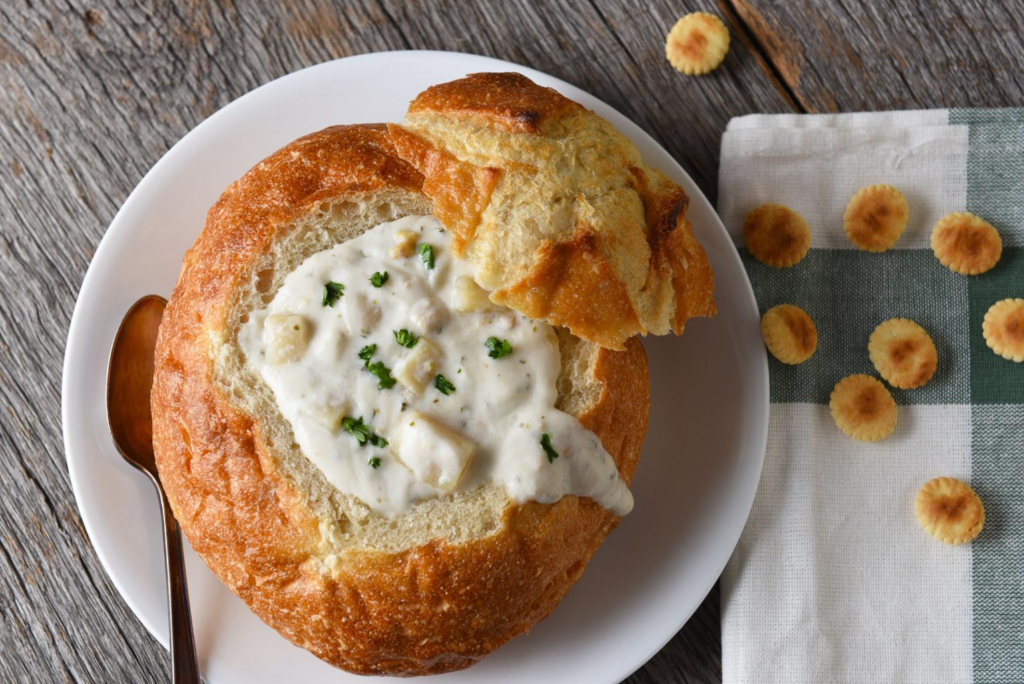
- Clam chowder (especially New England’s creamy version)
- Lobster rolls
- Baked beans
- Cod and haddock dishes
- Apple cider–based desserts
Clam chowder, for example, dates back to the 18th century and reflects the region’s reliance on shellfish and dairy. Even today, the dish appears frequently in restaurants nationwide, though many chefs still argue that the authentic version belongs to New England.
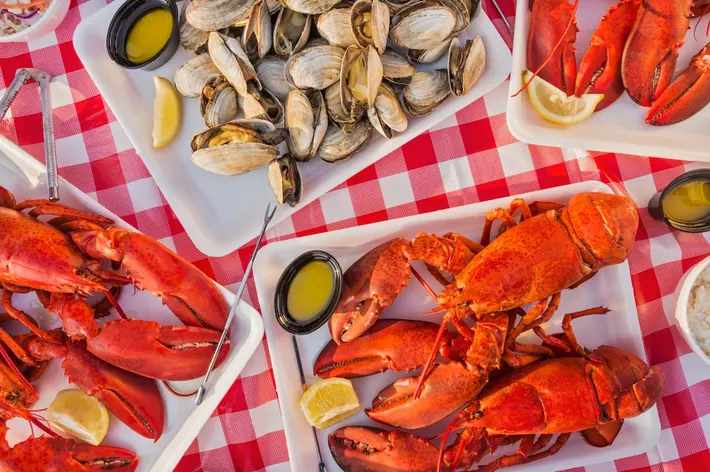
Lobster rolls provide another example of how a regional dish travels. Once considered inexpensive “fisherman’s food,” lobster became widely popular during the 20th century as refrigeration and transportation improved.
In many American households, New England–inspired cooking shows up in simple ways: seafood soups, baked cod, and apple desserts.
The American South: A Deep Culinary Heritage
Few regions have influenced American cooking as deeply as the South. Southern cuisine developed from a combination of African, Native American, European, and Caribbean traditions, resulting in dishes that remain central to American comfort food.
Foundational Southern dishes
Southern food culture includes a wide range of iconic recipes:
- Barbecue (regional styles such as Carolina, Memphis, and Texas)
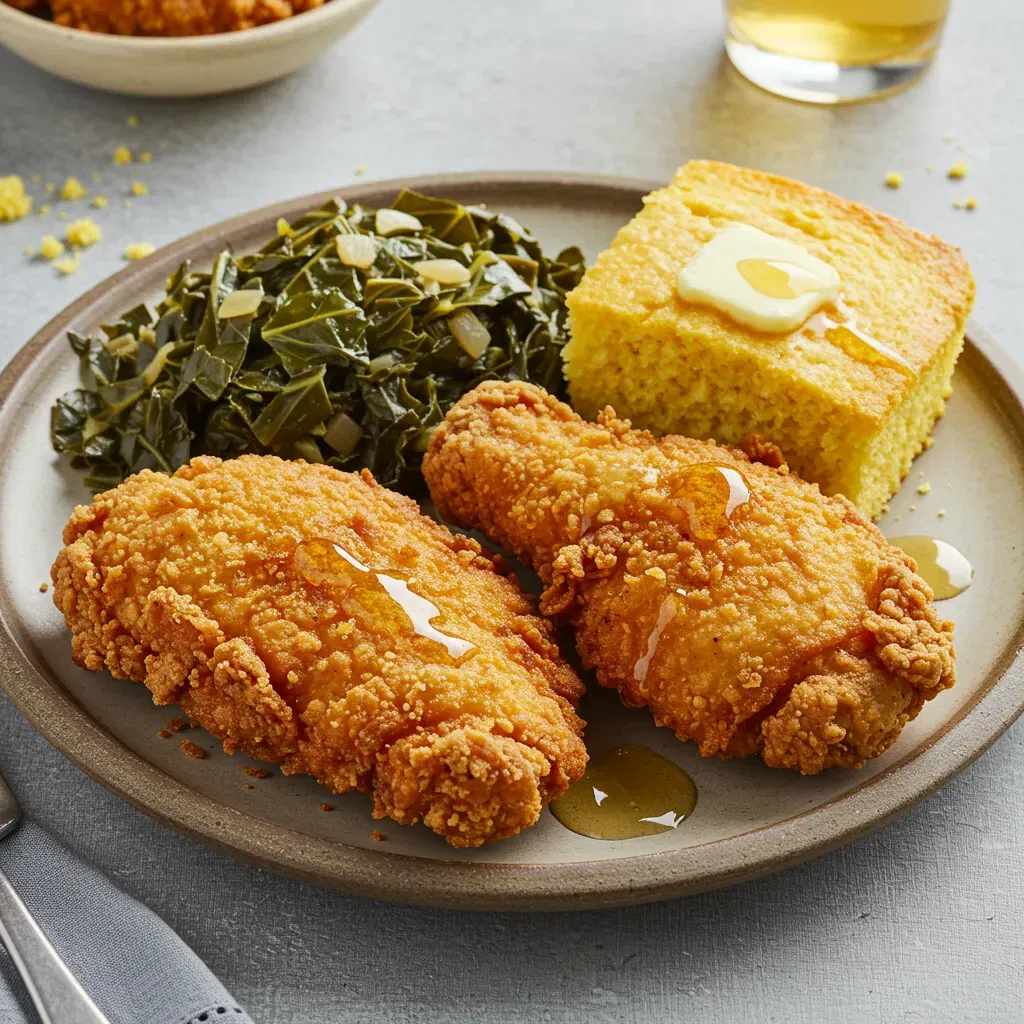
- Fried chicken
- Biscuits and gravy
- Grits
- Collard greens
Barbecue alone represents a vast culinary map. Carolina barbecue often emphasizes vinegar-based sauces, while Texas barbecue focuses on smoked brisket with minimal sauce.
The importance of barbecue culture goes beyond food. According to the National Barbecue & Grilling Association, more than 75% of American households own a grill or smoker, showing how Southern traditions have spread across the country.
Southern cooking also emphasizes slow preparation, seasonal ingredients, and communal meals. Sunday dinners, family gatherings, and church potlucks have long reinforced the role of food in Southern community life.
The Midwest: Practical Comfort and Agricultural Roots
The Midwest is sometimes called America’s breadbasket, and its cuisine reflects the region’s agricultural abundance. Corn, wheat, dairy, and livestock production shaped a cooking style centered on hearty, practical meals.
Midwestern staples that still influence home cooking
Many foods associated with the Midwest are staples in American kitchens:
- Casseroles (often called “hotdish” in Minnesota)
- Meatloaf
- Cornbread and corn-based dishes
- Cheese-forward recipes
- Pot roasts and slow-cooked meals
Hotdish—particularly in Minnesota and the Dakotas—illustrates the Midwest’s practical cooking philosophy. These one-pan meals combine starch, protein, and vegetables in a single dish, designed for large families and cold winters.
The Midwest also helped popularize comfort foods that became national standards, such as meatloaf and pot roast.
Another defining feature is the region’s strong dairy culture. Wisconsin alone produces about one-quarter of America’s cheese supply, according to the U.S. Department of Agriculture.
The Southwest: Bold Flavors and Cultural Fusion
Southwestern cuisine reflects centuries of cultural exchange between Native American, Mexican, Spanish, and frontier traditions. The result is a cuisine built around bold spices, grilled meats, and distinctive regional ingredients.
Signature foods from the Southwest
Common Southwestern dishes include:
- Chile-based sauces
- Tacos and enchiladas
- Tamales
- Chili con carne
- Corn tortillas
One defining ingredient is chile peppers, particularly varieties like Hatch chiles from New Mexico. In fact, the state’s official question—“Red or green?”—refers to chile sauce choices.
Corn also plays a central role. Native American communities used corn for tortillas, tamales, and porridges long before European settlers arrived.
Southwestern flavors have significantly influenced modern American cooking. Today, dishes such as tacos, salsa, and chili appear regularly in American homes, far beyond their original regional boundaries.
The West Coast: Fresh Ingredients and Global Influence
The West Coast—especially California—developed a culinary identity focused on fresh produce, multicultural influences, and innovation.
This region benefits from a year-round growing season, giving chefs and home cooks access to fresh vegetables, fruits, seafood, and wine.
Defining elements of West Coast cuisine
Several characteristics stand out:
- Emphasis on farm-to-table ingredients
- Influence from Asian and Latin American cuisines
- Popularization of avocado-based dishes
- Fresh seafood and grilled vegetables
California cuisine emerged in the 1970s when chefs began prioritizing seasonal ingredients and simple preparation methods. Restaurants highlighted local produce, seafood, and artisan products.
Today, many American kitchens reflect this influence through meals such as grain bowls, avocado toast, and fresh vegetable-forward cooking.
Why Regional Foods Still Matter Today
In an era of national restaurant chains and online food trends, regional dishes remain surprisingly resilient. They persist because they represent more than recipes—they represent identity, heritage, and local pride.
Several factors help preserve regional cuisine:
- Family recipes passed through generations
- Local food festivals and community events
- Regional restaurants and diners
- Agricultural traditions tied to place
Travel also plays a role. Food tourism has grown steadily over the past decade, with many travelers planning trips around regional specialties.
A report from the U.S. Travel Association notes that culinary experiences rank among the top motivations for domestic travel.

Bringing Regional Flavors Into Your Own Kitchen
You do not need to travel across the country to explore America’s Flavor Trail. Many regional dishes adapt well to everyday home cooking.
Here are practical ways to experiment with regional cuisine:
- Try a Southern-style barbecue rub on grilled chicken.
- Cook a New England–style seafood chowder with local fish.
- Prepare a Midwestern casserole for an easy weeknight meal.
- Add Southwestern spices like cumin and chili powder to stews.
- Use fresh herbs and vegetables inspired by West Coast cooking.
Cooking regional dishes at home also provides an opportunity to learn about the history behind them. Many recipes carry stories about migration, agriculture, and family traditions.
Frequently Asked Questions
What is the “Flavor Trail” in American cuisine?
The Flavor Trail refers to the network of regional foods across the United States that reflect local ingredients, cultural traditions, and historical influences.
Why does American cuisine vary so much by region?
Differences in climate, agriculture, immigration, and cultural traditions have shaped distinct food identities in each region.
What are the most influential regional cuisines in the U.S.?
Southern, Southwestern, New England, Midwestern, and West Coast cuisines are among the most widely recognized.
Which region is best known for barbecue?
The American South is most associated with barbecue, though Texas also plays a major role with its smoked brisket tradition.
How did immigration shape American regional foods?
Immigrant communities introduced ingredients, cooking techniques, and recipes that blended with local traditions.
What role does agriculture play in regional cuisine?
Local crops and livestock strongly influence regional dishes—for example, dairy in Wisconsin or seafood in New England.
Are regional foods disappearing in modern America?
While national chains are widespread, regional foods remain strong due to local pride, tourism, and family traditions.
Can regional American dishes be cooked easily at home?
Yes. Many classic dishes—like chili, chowder, casseroles, and barbecue—adapt well to home kitchens.
Which regional cuisine is considered the healthiest?
West Coast cuisine often emphasizes fresh produce and seafood, though healthy dishes exist across all regions.
How can travelers explore regional American food?
Food tours, local markets, regional restaurants, and community festivals offer authentic experiences.
A Culinary Map That Continues to Evolve
America’s Flavor Trail is not static. It changes as communities grow, ingredients shift, and new cultural influences arrive. Yet the foundation remains the same: food rooted in place.
Regional dishes remind Americans where their food comes from—whether that means seafood pulled from Atlantic waters, corn grown in Midwestern fields, or peppers cultivated in Southwestern deserts.
For home cooks, understanding this map offers something valuable: a deeper appreciation of the diverse culinary traditions that continue to shape everyday meals.
Key Points from the Flavor Trail
- American cuisine is defined by regional traditions rather than one national style
- Geography, agriculture, and immigration shaped local food identities
- Southern barbecue, New England seafood, and Midwestern comfort foods remain influential
- Southwestern and West Coast cuisines highlight multicultural and ingredient-driven cooking
- Regional foods continue to shape home kitchens and travel experiences