Summary
Local cuisine is more than recipes—it reflects geography, history, agriculture, and migration. Across the United States, signature ingredients shape regional identity and influence how communities cook, celebrate, and connect. From Louisiana crawfish to Wisconsin cheese curds, the American flavor trail reveals how soil, climate, culture, and tradition combine to create distinctive food traditions that define places and the people who live there.
Across the United States, certain ingredients instantly signal a place. Mention Maine lobster, Hatch chiles, or Vermont maple syrup and most Americans can immediately picture the region behind the flavor. These ingredients are not simply foods—they represent centuries of agriculture, climate patterns, migration, and cultural exchange.
Understanding the ingredients that define local identity offers insight into how communities develop traditions, support local economies, and maintain culinary heritage. For travelers, chefs, and curious home cooks, following the “flavor trail” across the country reveals a deeper story about how geography and culture shape the American table.
This guide explores how regional ingredients develop, why they matter, and what they reveal about the places that produce them.
Why Certain Ingredients Become Regional Icons
Local ingredients become cultural symbols through a combination of environmental conditions, historical settlement patterns, and economic development. When a particular crop or food source thrives in a specific environment, communities often build culinary traditions around it.
Climate and soil conditions play a major role. The volcanic soil and warm desert climate of southern New Mexico, for example, create ideal growing conditions for Hatch chiles. Meanwhile, the cool coastal waters of Maine support thriving lobster populations.
Cultural influence also shapes ingredient identity. Immigration patterns frequently introduce new crops and cooking traditions that become regional staples over time. For example, German immigrants helped shape the Midwest’s strong dairy and sausage traditions.
Economic infrastructure reinforces these identities. Once farmers, fisheries, and supply chains develop around a particular ingredient, it often becomes a defining part of the regional economy.
Today, the United States Department of Agriculture reports that regional agricultural specialization continues to influence local food systems, from California almonds to Washington apples.

The Geography of Flavor: How Landscape Shapes Ingredients
The American landscape is remarkably diverse, and that diversity is reflected in regional ingredients.
Coastal regions tend to develop seafood-driven culinary identities. In the Pacific Northwest, salmon has long been central to Indigenous and regional diets due to the abundant salmon runs in rivers like the Columbia and Snake. In the Gulf Coast, shrimp, oysters, and crawfish dominate local cooking.
Mountain regions often emphasize wild game, foraged foods, and hardy crops that tolerate colder climates. In the Rocky Mountain states, elk, bison, and huckleberries frequently appear in local cuisine.
Meanwhile, fertile agricultural zones such as California’s Central Valley produce enormous quantities of fruits, nuts, and vegetables that shape both regional and national food culture.
Geography influences flavor in several key ways:
- Climate conditions determine what crops grow successfully
- Soil composition affects flavor profiles and yields
- Water sources support fisheries and irrigation systems
- Growing seasons shape harvest traditions and food preservation methods
These factors help explain why certain foods become inseparable from particular places.
Regional Ingredients That Define American Food Culture
Across the United States, several ingredients have become deeply associated with specific regions.
New England: Lobster and Maple Syrup
Cold Atlantic waters create ideal conditions for lobster populations, making lobster a cornerstone of Maine’s coastal economy. According to the Maine Department of Marine Resources, the state’s lobster fishery regularly accounts for hundreds of millions of dollars annually.
Maple syrup also defines northern New England. Vermont produces roughly half of the nation’s maple syrup supply, thanks to abundant sugar maple forests and ideal freeze-thaw cycles in early spring.
These ingredients shape iconic regional dishes such as lobster rolls and maple-glazed breakfast foods.
The South: Corn, Peanuts, and Crawfish
Southern food traditions reflect a blend of Native American agriculture, African culinary influence, and European farming practices.
Corn has long been a staple ingredient in Southern cuisine, appearing in dishes such as cornbread, grits, and hush puppies. Peanuts also play a major role, particularly in Georgia, which produces nearly half of the U.S. peanut crop according to the USDA.
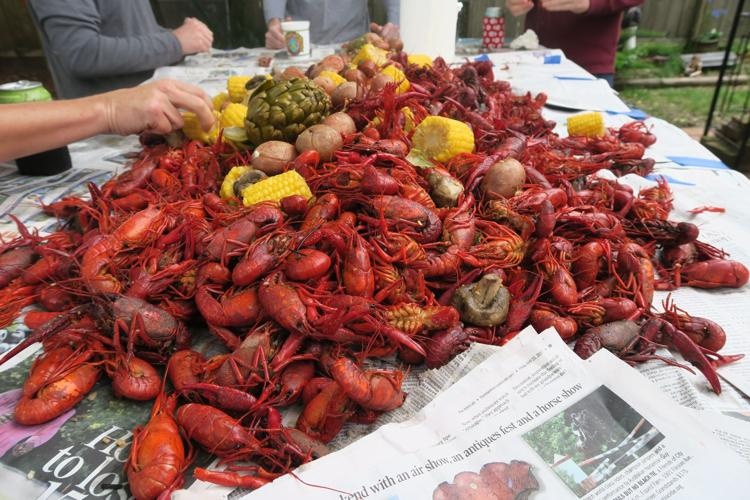
Along the Gulf Coast, crawfish are a defining regional ingredient. Louisiana’s crawfish boils—large social gatherings centered around seasoned crawfish—demonstrate how ingredients can shape community traditions.
The Midwest: Dairy and Grains
The Midwest’s rich farmland has made it one of the world’s most productive agricultural regions.
Wisconsin is widely known as “America’s Dairyland,” producing roughly 25% of the nation’s cheese. Cheese curds, butter, and cream-based dishes are deeply embedded in Midwestern cuisine.
Grains such as corn, wheat, and soybeans also dominate the region’s agricultural landscape. These crops support both traditional foods and large-scale food production systems.
Local identity often centers around comfort foods built from these ingredients—think casseroles, hearty breads, and regional barbecue styles.
The Southwest: Chiles and Indigenous Crops
The American Southwest has one of the country’s most distinctive flavor profiles. Chiles, particularly Hatch chiles from New Mexico, are central to regional cooking.
These chiles appear in everything from enchiladas and stews to burgers and pizza toppings. Every fall, roasting events celebrate the harvest, filling towns with the smoky aroma of freshly roasted peppers.
Other traditional ingredients reflect Indigenous agricultural practices, including:
- Blue corn
- Pinto beans
- Squash
- Amaranth
These ingredients form the basis of many traditional Southwestern dishes.
The Pacific Coast: Avocados and Fresh Produce
California’s Mediterranean climate allows year-round production of fruits and vegetables that influence the entire country’s food supply.
Avocados have become particularly associated with Southern California. According to the California Avocado Commission, the state produces about 90% of the U.S. avocado crop.
The Pacific Coast’s culinary identity emphasizes freshness and seasonality. Farmers markets, farm-to-table restaurants, and produce-driven menus are hallmarks of the region.
How Local Ingredients Shape Community Identity
Food traditions often reinforce a sense of belonging within communities. When a particular ingredient becomes central to local cooking, it frequently appears in festivals, markets, and seasonal celebrations.
Examples include:
- Garlic festivals in California
- Vidalia onion celebrations in Georgia
- Crawfish festivals in Louisiana
- Apple harvest events in Washington state
These gatherings strengthen regional identity while supporting local agriculture and tourism.
Local restaurants also play a role by showcasing regional ingredients on their menus. Many chefs build their reputations around highlighting local products and traditional techniques.
The Economic Impact of Regional Ingredients
Regional ingredients are not just cultural symbols—they are also economic drivers.
Agricultural tourism has become increasingly important in many states. Wine regions such as California’s Napa Valley attract millions of visitors each year who want to experience local ingredients in their place of origin.
Similarly, seafood industries support entire coastal communities. Fisheries, processing facilities, restaurants, and tourism operations all depend on sustainable seafood supplies.
Farmers markets and regional branding programs further strengthen local economies by helping producers connect directly with consumers.
According to the USDA, local food systems have expanded significantly in the past two decades as consumers increasingly prioritize fresh, regionally sourced products.
Preserving Culinary Heritage in a Modern Food System
As food production becomes more globalized, many communities are working to preserve traditional ingredients and foodways.
Heirloom crop preservation is one example. Farmers and seed banks are helping maintain older varieties of corn, beans, and tomatoes that might otherwise disappear from commercial agriculture.
Regional food movements also encourage consumers to support local producers. Community-supported agriculture programs and farmers markets allow people to buy directly from local farms.
Education plays an important role as well. Culinary schools and food historians increasingly document traditional recipes and cooking techniques so they can be passed on to future generations.
Following the Flavor Trail as a Traveler
For travelers, exploring regional ingredients provides a meaningful way to understand local culture.
Food-focused travel often includes:
- Visiting farmers markets
- Touring working farms and fisheries
- Attending regional food festivals
- Dining at restaurants that feature local ingredients
- Exploring historic food districts
These experiences reveal how food connects people to land, climate, and history.
Travelers who follow the flavor trail often discover that regional ingredients tell stories about resilience, adaptation, and cultural exchange.

FAQ: Common Questions About Regional Ingredients
Why do certain foods become associated with specific regions?
Regional foods usually develop due to climate, geography, and cultural history. When a crop or food source thrives in a specific environment, communities often build culinary traditions around it.
What is the most regionally distinctive ingredient in the United States?
There is no single answer, but widely recognized examples include Maine lobster, Hatch chiles from New Mexico, Wisconsin cheese, and Vermont maple syrup.
How does geography affect food flavor?
Climate, soil, and water conditions all influence how crops grow and how seafood develops flavor. These environmental factors contribute to unique regional tastes.
Why are regional ingredients important for local economies?
They support agriculture, tourism, and hospitality industries. Local ingredients often attract visitors and help small producers reach consumers.
What role do immigrants play in regional food traditions?
Immigrant communities frequently introduce new ingredients and cooking techniques that eventually become regional staples.
How can consumers support regional food systems?
Buying from farmers markets, joining community-supported agriculture programs, and choosing locally sourced products are common ways to support regional agriculture.
Are regional ingredients disappearing due to globalization?
Some traditional foods face challenges, but preservation efforts, local food movements, and heritage farming are helping maintain many regional ingredients.
Why do food festivals focus on specific ingredients?
Festivals celebrate harvest seasons, promote local agriculture, and strengthen community identity.
What is food terroir?
Terroir refers to the environmental conditions—soil, climate, and geography—that influence the flavor and characteristics of a food product.
How can travelers explore regional ingredients responsibly?
Supporting local businesses, respecting seasonal availability, and learning about food history are good practices for food-focused travel.
Where Flavor Meets Place
Regional ingredients offer more than culinary variety—they provide insight into how Americans interact with their landscapes, cultures, and communities. From coastal fisheries to inland farms, the foods that define a region reflect centuries of environmental adaptation and cultural exchange.
Following the flavor trail reveals how deeply food is connected to place. Each ingredient carries a story of climate, migration, agriculture, and tradition that continues to shape American identity today.
Key Insights From the American Flavor Trail
- Regional ingredients often emerge from unique climate and soil conditions
- Cultural traditions and immigration strongly influence local cuisines
- Local food festivals help reinforce community identity
- Regional agriculture plays a major role in state economies
- Culinary tourism increasingly focuses on local ingredients and traditions
- Preservation efforts protect heirloom crops and traditional recipes