Summary
Across the United States, chefs are revisiting regional American cuisine with fresh perspective. By sourcing locally, honoring cultural heritage, and applying modern culinary techniques, they are reshaping familiar dishes without losing their roots. This evolving “flavor trail” connects farmers, communities, and kitchens—offering diners a deeper understanding of how regional ingredients and traditions continue to shape American food.
A New Chapter in America’s Regional Food Story
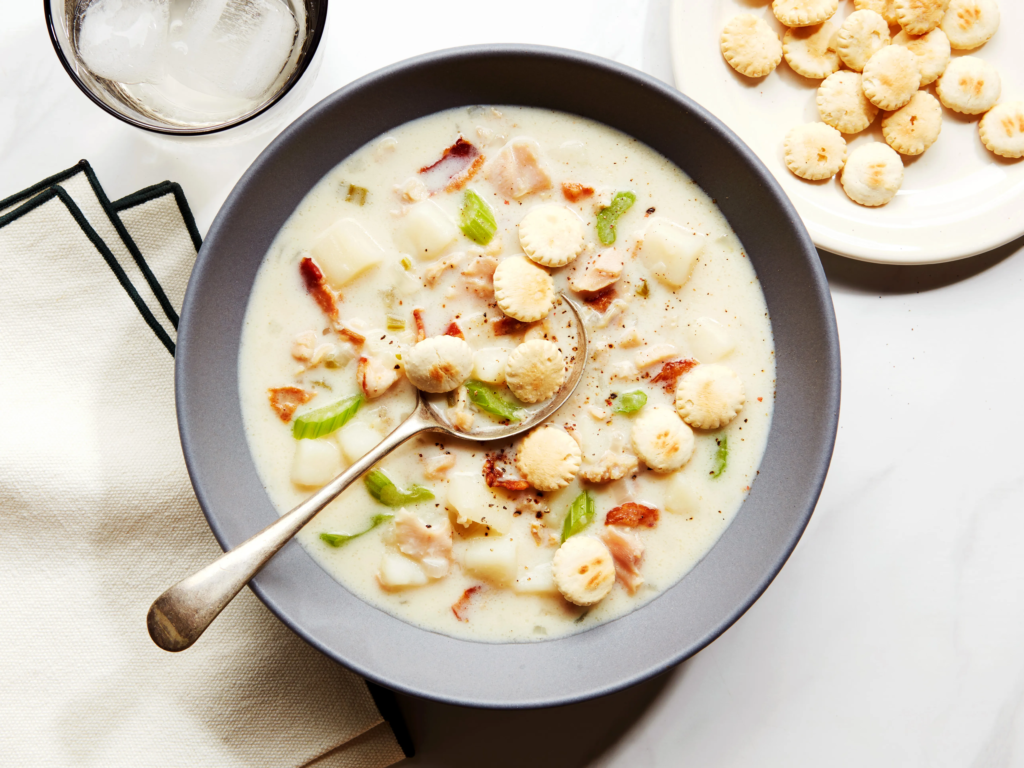
Regional cuisine has long defined how Americans experience food. From New England clam chowder to Texas barbecue and Louisiana gumbo, local dishes historically developed from climate, agriculture, immigration patterns, and cultural exchange.
Today, chefs across the country are building on that tradition rather than replacing it. Instead of abandoning regional foods for global trends, many are reinterpreting classic dishes through modern technique, sustainability, and cross-cultural influence.
This movement—sometimes described as a modern “flavor trail”—is less about chasing novelty and more about deepening the connection between food, place, and community.
Restaurants that follow this approach tend to focus on:
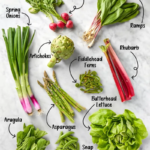
- Seasonal local ingredients
- Transparent sourcing from nearby farms and fisheries
- Respectful reinterpretation of traditional dishes
- Cultural storytelling through menus
The result is a dining experience that feels both familiar and new.
Why Regional American Cuisine Is Evolving Now
Several forces are shaping the current evolution of regional American food.
First, consumer interest in food origins has grown significantly. According to the National Restaurant Association’s industry reports, locally sourced ingredients consistently rank among the top trends in American dining.
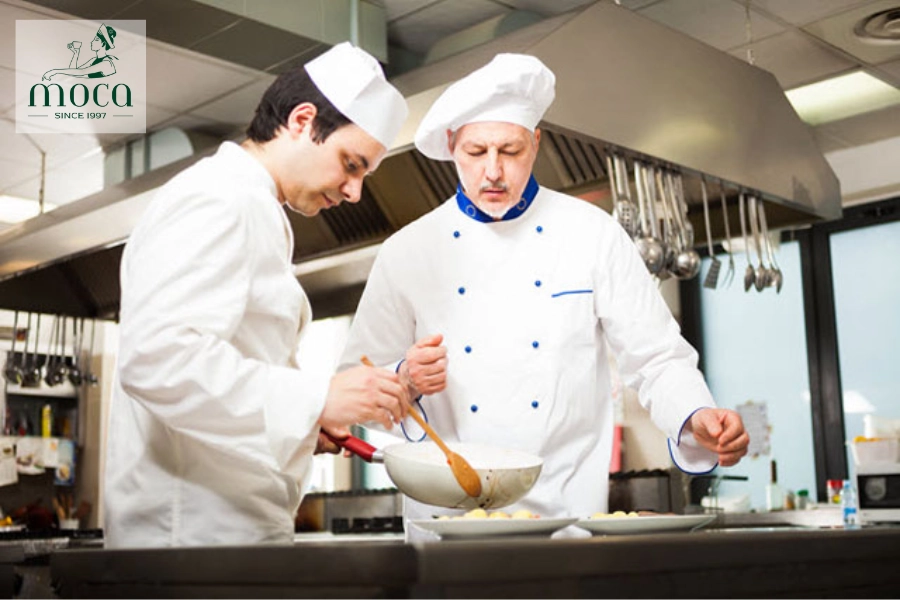
Second, younger chefs often train in global kitchens before returning home. When they come back to their regions, they bring modern culinary techniques—fermentation, refined plating, global spice usage—while working with traditional ingredients.
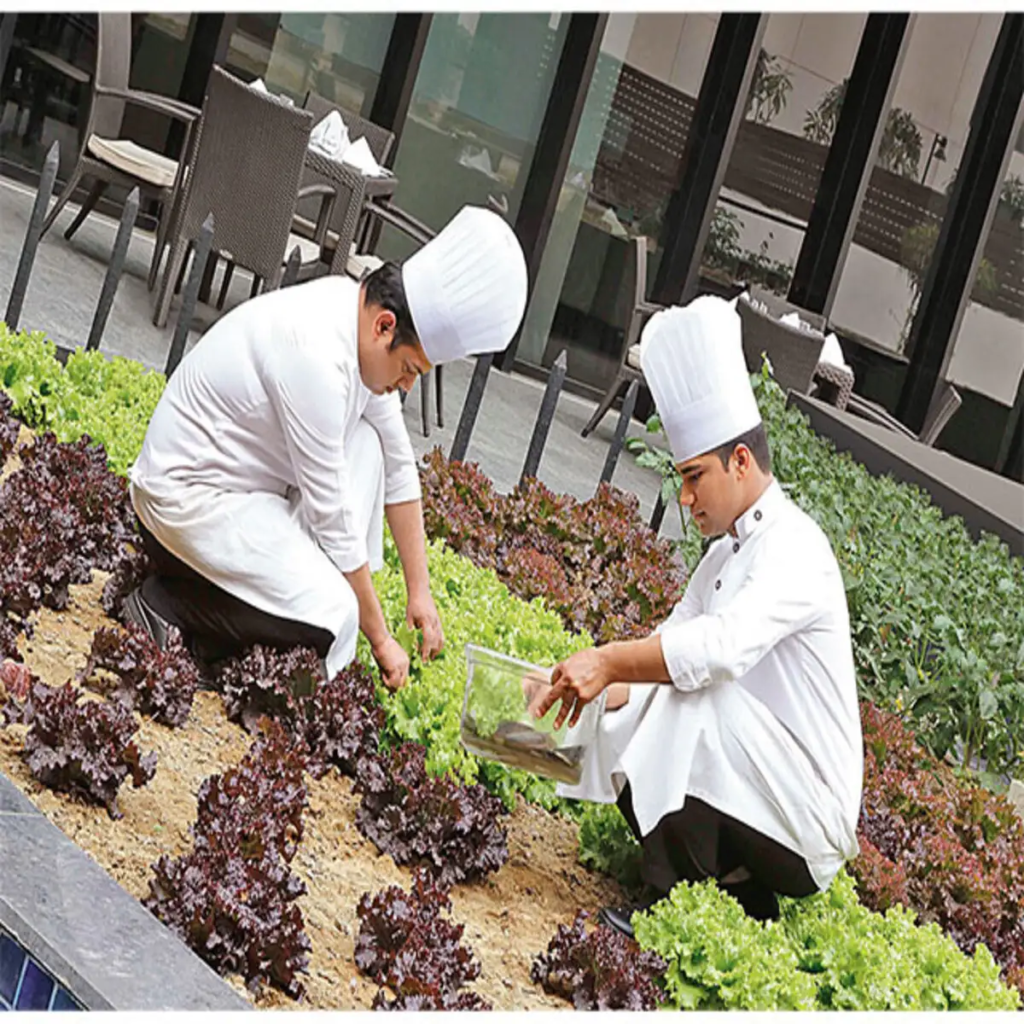
Third, farmers’ markets and regional agriculture have expanded. The USDA reports that farmers’ markets increased from fewer than 2,000 in the mid-1990s to over 8,000 nationwide today, improving chefs’ access to fresh local products.
This convergence allows chefs to rethink regional cooking in ways that previous generations could not.
From Tradition to Innovation: What “Modern Regional Cuisine” Looks Like
In many restaurants, the transformation is subtle rather than dramatic. Chefs often keep the core identity of a dish intact while adjusting technique, ingredients, or presentation.
Consider a few examples from across the country.
In the Pacific Northwest, chefs frequently build menus around regional seafood and forest ingredients. Traditional salmon dishes might now include house-fermented vegetables or wild herbs gathered from nearby coastal forests.
In the Midwest, classic comfort foods like pot roast or pierogi appear alongside seasonal vegetables grown within a few miles of the restaurant. Chefs may modernize sauces, lighten textures, or refine plating.
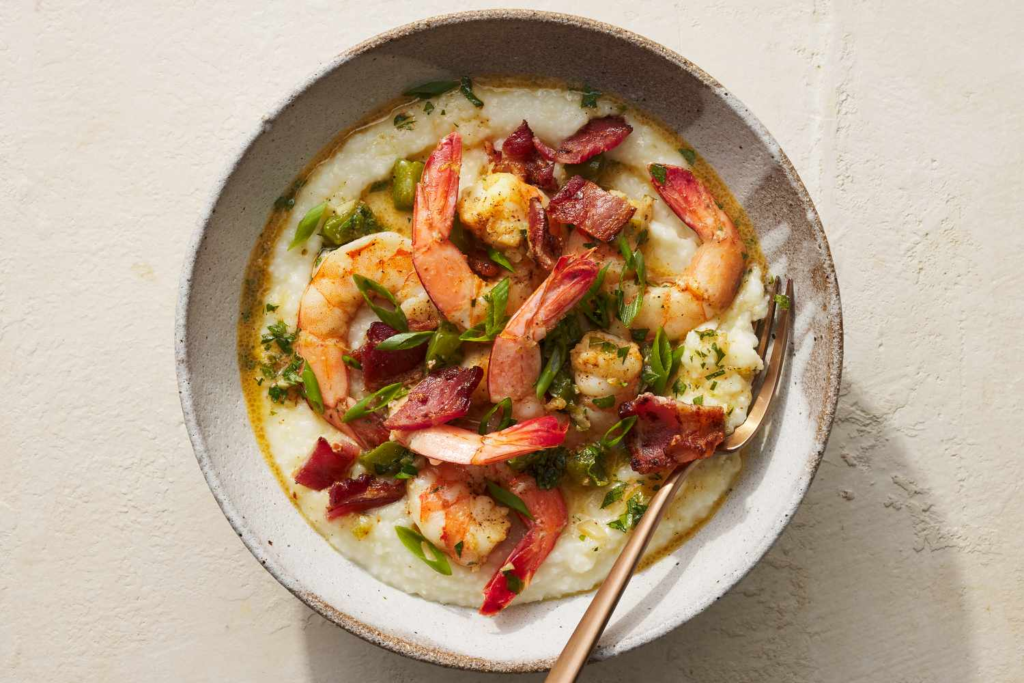
In the South, long-standing staples such as grits or cornbread remain central to menus but may be paired with sustainably sourced seafood, heirloom grains, or regional produce varieties that had nearly disappeared.
These reinterpretations keep regional identity intact while expanding the culinary vocabulary.
The Role of Local Farmers and Producers
Modern regional cooking is deeply tied to agriculture.
Many chefs now collaborate directly with farmers, ranchers, fishers, and artisan producers. This relationship allows kitchens to design menus around what is actually available locally rather than relying on national supply chains.
Benefits of this approach include:
- Fresher ingredients with stronger natural flavor
- Support for local economies and small farms
- Reduced transportation and environmental impact
- Preservation of heirloom crop varieties
For example, heirloom grains such as Carolina Gold rice have reappeared in Southern kitchens after nearly disappearing from commercial agriculture. Similarly, heritage livestock breeds are gaining renewed attention among chefs seeking deeper flavor and historical authenticity.
These partnerships make regional cuisine more resilient and more reflective of the land itself.
Immigration’s Continuing Influence on American Flavor
Regional American cuisine has always been shaped by immigration. Italian, Mexican, Chinese, Vietnamese, and many other communities transformed the American food landscape.
Today’s chefs often highlight these cultural intersections rather than separating them.
A regional dish might combine multiple culinary traditions that developed within the same city or neighborhood. For instance:
- Southwestern cuisine blending Mexican, Indigenous, and ranching traditions
- Gulf Coast cooking influenced by Vietnamese seafood communities
- California cuisine incorporating Asian produce and Mediterranean techniques
Rather than treating these influences as “fusion,” many chefs frame them as authentic reflections of regional history.
The result is a modern flavor trail that acknowledges the diverse communities that built American food culture.
How Modern Chefs Balance Authenticity and Creativity
One of the biggest challenges chefs face is honoring tradition while still evolving it.
Most chefs approach this balance carefully. Instead of dramatically reinventing classic dishes, they often focus on improving ingredient quality and refining technique.
Common strategies include:
- Using heritage crop varieties or regional livestock breeds
- Adjusting cooking methods for lighter textures
- Highlighting overlooked local ingredients
- Reducing processed components in favor of scratch cooking
For example, a traditional chowder might still contain its expected seafood and cream base but incorporate smoked fish stock or seasonal vegetables from nearby farms.
These adjustments help the dish feel contemporary without disconnecting it from its origins.
Regional Case Studies Across the United States
Several regions illustrate how the modern flavor trail is unfolding.
The Pacific Northwest
Restaurants in cities such as Seattle and Portland frequently highlight wild seafood, mushrooms, berries, and coastal herbs. Sustainability and seasonal cooking are central to the region’s culinary identity.
The American South
Southern chefs are reviving heirloom crops like benne seeds, heritage corn, and Carolina Gold rice. Many restaurants also spotlight historic cooking techniques such as wood-fired grilling and slow braising.
California
California’s long-standing farm-to-table culture continues to evolve. Chefs combine Mediterranean influences, Asian produce, and local agriculture into ingredient-driven menus that shift daily.
The Midwest
Midwestern chefs increasingly celebrate regional agriculture—from dairy and grains to freshwater fish. Rather than relying solely on comfort food stereotypes, many restaurants highlight the region’s diverse farming heritage.
Together, these regions form a dynamic national flavor trail.
What Diners Notice About the Modern Flavor Trail
For diners, the shift toward regional reinterpretation changes the restaurant experience.
Instead of standardized menus that look the same across cities, restaurants often highlight place-specific dishes and ingredients.
Common characteristics diners notice include:
- Menus that change with the seasons
- Detailed descriptions of ingredient sources
- Strong emphasis on regional agriculture
- Smaller, more focused menus
This approach also encourages diners to explore local food traditions they may not have previously recognized.
How Travelers Can Explore America’s Flavor Trail
For food-focused travelers, the modern flavor trail offers a way to understand different regions more deeply.
Visitors can experience regional cuisine by:
- Visiting farmers’ markets to see local ingredients firsthand
- Choosing restaurants that highlight local sourcing
- Trying historic dishes alongside modern interpretations
- Exploring food festivals centered on regional agriculture
Food tourism organizations increasingly promote these experiences because they highlight the cultural identity of each destination.
According to the U.S. Travel Association, culinary travel remains one of the fastest-growing segments of leisure tourism.
Why Regional Cuisine Still Matters in a Global Food Culture
In an era where global food is widely available, regional cooking plays an important role in preserving cultural identity.
Modern chefs are proving that local cuisine does not need to remain static to stay meaningful. By combining tradition with innovation, they are creating dishes that reflect both history and present-day communities.
This approach ensures that regional food traditions continue evolving rather than fading away.
In many ways, the modern flavor trail is not just about restaurants. It is about how food connects people to the places they live.
Frequently Asked Questions
What is the “modern flavor trail” in American cuisine?
It refers to the evolving network of regional food traditions shaped by modern chefs who reinterpret classic dishes while emphasizing local ingredients and cultural heritage.
How are chefs redefining regional American cuisine?
Many chefs update traditional dishes using modern techniques, seasonal ingredients, and partnerships with local farmers while preserving the dish’s cultural roots.
Why are local ingredients important in modern regional cooking?
Local sourcing improves freshness, supports regional agriculture, and strengthens the connection between food and place.
What role do farmers’ markets play in regional cuisine?
Farmers’ markets allow chefs and consumers to access seasonal ingredients directly from local producers, helping sustain regional food systems.
Is modern regional cuisine the same as farm-to-table?
Farm-to-table is one component. Modern regional cuisine also includes cultural storytelling, traditional recipes, and community food history.
How has immigration influenced American regional food?
Immigrant communities introduced ingredients, cooking techniques, and dishes that gradually became part of regional American cuisines.
Are classic dishes disappearing as chefs innovate?
Generally no. Most chefs keep core dishes intact while refining ingredients or techniques rather than replacing them.
Where can travelers experience regional American cuisine?
Local restaurants, farmers’ markets, food festivals, and regional culinary tours offer opportunities to explore authentic local food traditions.
Why is regional food important for communities?
Regional cuisine preserves cultural heritage, supports local agriculture, and creates a shared identity within communities.
What trends are shaping regional American cuisine today?
Local sourcing, sustainability, heritage ingredients, seasonal menus, and cross-cultural culinary influences are key trends.
The Road Ahead for America’s Culinary Landscape
The modern flavor trail reflects a broader shift in how Americans think about food. Rather than viewing regional cuisine as a fixed tradition, chefs increasingly treat it as a living system shaped by farmers, immigrants, geography, and evolving culinary knowledge.
As restaurants continue to collaborate with local producers and rediscover historic ingredients, regional American cuisine will likely grow even more diverse. What remains consistent is the underlying idea: food tells the story of a place—and that story continues to evolve.
Key Insights at a Glance
- Regional American cuisine is being reshaped through modern culinary techniques
- Local farms and seasonal ingredients are central to the movement
- Immigration continues to influence regional food traditions
- Chefs aim to balance authenticity with creativity
- Culinary travel helps diners explore regional food culture
- The modern flavor trail connects food, agriculture, and community