Summary
America’s most visited landmarks are more than scenic destinations—they reflect centuries of history, cultural identity, and national memory. From the Statue of Liberty to the Grand Canyon, these sites draw millions of visitors each year while preserving stories about immigration, exploration, innovation, and democracy. Understanding their origins helps travelers experience these iconic places with greater depth and context.
Why Iconic Landmarks Matter in American History
Across the United States, certain places have evolved from physical structures or natural formations into enduring national symbols. These landmarks appear in textbooks, travel itineraries, and cultural narratives, yet their historical origins often reveal deeper stories about the country’s development.
According to data from the National Park Service (NPS), U.S. national parks alone welcomed over 325 million recreational visits in 2023. Many of those visits centered on landmark destinations such as the Grand Canyon, the Lincoln Memorial, and Independence Hall. Meanwhile, iconic structures like the Statue of Liberty and the Golden Gate Bridge draw millions of additional visitors annually.
What makes these sites compelling is not simply their scale or beauty. Each landmark reflects a moment in American history—whether tied to immigration, westward exploration, political ideals, or engineering achievement.
Understanding the history behind these destinations helps visitors see them not just as photo opportunities, but as living records of the American story.
The Statue of Liberty: A Global Symbol of Freedom
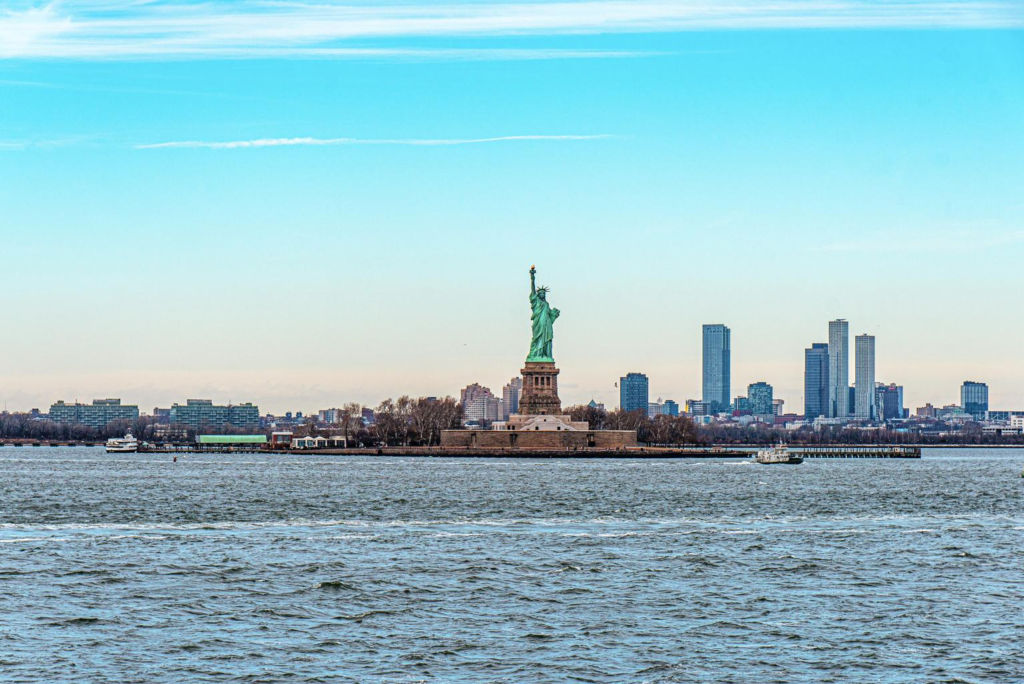
Few landmarks are as instantly recognizable as the Statue of Liberty rising above New York Harbor. Dedicated in 1886, the monument was a gift from France to celebrate the United States’ centennial and the shared ideals of liberty between the two nations.
Designed by sculptor Frédéric Auguste Bartholdi with structural engineering by Gustave Eiffel, the statue quickly became a powerful symbol of opportunity for immigrants arriving through nearby Ellis Island.
For millions of newcomers during the late 19th and early 20th centuries, the statue represented the beginning of a new life in America. Emma Lazarus’s famous poem, “The New Colossus,” later added to the pedestal, reinforced this message with the line: “Give me your tired, your poor, your huddled masses yearning to breathe free.”
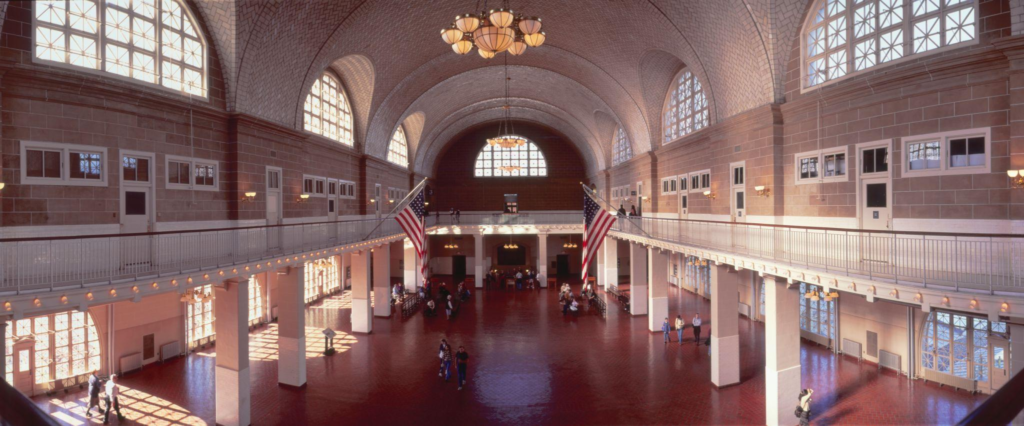
Today the Statue of Liberty National Monument receives millions of visitors annually, many of whom climb the pedestal or crown while learning about immigration history at the adjacent Ellis Island Museum.
Visitors often describe the experience as surprisingly emotional—particularly when viewing archival photos and personal stories of immigrants who passed through Ellis Island between 1892 and 1954.
The Grand Canyon: Nature’s Landmark Millions of Years in the Making
Unlike most landmarks created by human hands, the Grand Canyon is a geological wonder shaped over millions of years by the Colorado River.
Located in Arizona, the canyon stretches 277 miles long, up to 18 miles wide, and over a mile deep. Its layered rock formations reveal nearly two billion years of Earth’s geological history, making it one of the most studied landscapes in the world.
The canyon has long held cultural significance for Indigenous communities including the Havasupai, Hopi, Navajo, and Hualapai peoples, whose histories and traditions are deeply tied to the region.
In 1919, the area officially became Grand Canyon National Park, helping preserve the landscape for future generations. Today it remains one of the most visited national parks in the United States.
Many travelers arrive expecting dramatic scenery—and leave with a deeper appreciation for the geological forces that shaped the continent.
Popular experiences include:
- Hiking portions of the Bright Angel Trail
- Watching sunrise from the South Rim
- Rafting sections of the Colorado River
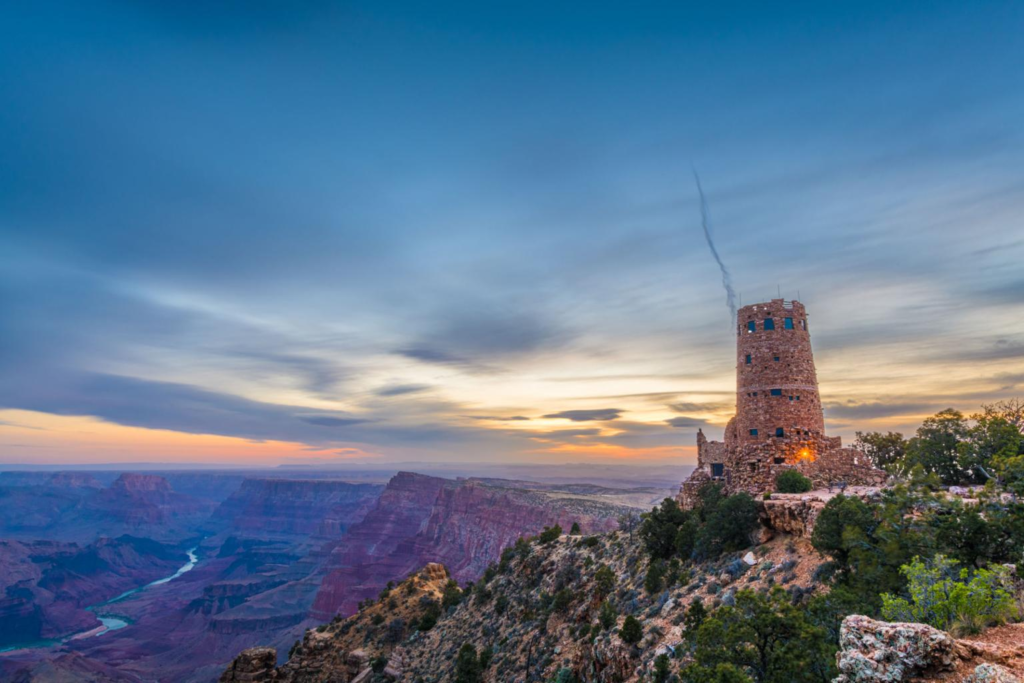
- Visiting the Desert View Watchtower for panoramic views
The canyon’s scale can be difficult to grasp until visitors stand at its edge, where layers of red rock stretch toward the horizon.
Independence Hall: Where the United States Was Born
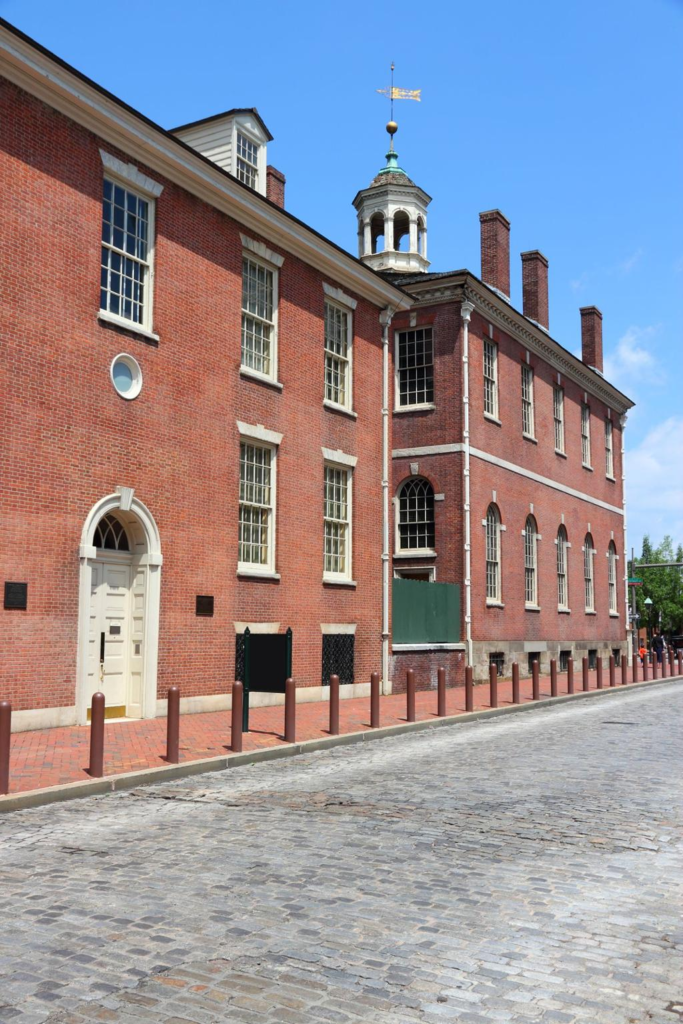
Located in Philadelphia, Independence Hall holds a unique place in American history. It was here, in 1776, that the Declaration of Independence was debated and adopted by the Second Continental Congress.
Just over a decade later, the same building hosted the Constitutional Convention of 1787, where delegates drafted the U.S. Constitution.
This modest brick structure therefore witnessed the creation of two of the most influential documents in democratic history.
Today, Independence Hall forms the centerpiece of Independence National Historical Park, which welcomes millions of visitors each year. Nearby attractions include the Liberty Bell, Congress Hall, and several museums that interpret the founding era.
Many visitors are surprised by how small the Assembly Room feels compared with the magnitude of the decisions made there.
Standing in the same room where figures like George Washington, Benjamin Franklin, and James Madison debated the nation’s future offers a tangible connection to the country’s founding.
The Golden Gate Bridge: Engineering Ambition During the Great Depression
When the Golden Gate Bridge opened in 1937, it was considered one of the greatest engineering achievements of its time.
Spanning the entrance to San Francisco Bay, the suspension bridge connects the city of San Francisco with Marin County. At the time of its completion, it was the longest suspension bridge in the world.
Constructing the bridge during the Great Depression required both technical innovation and political determination. Chief engineer Joseph Strauss led a team that developed new safety measures, including a large net placed beneath the construction area to protect workers—an unusual practice at the time.
The bridge’s distinctive International Orange color was originally intended as a primer coat but ultimately became its defining visual feature.
Today the Golden Gate Bridge remains both a transportation corridor and a major tourist destination.
Visitors frequently experience it through:
- Walking or cycling across the bridge
- Viewing it from Battery Spencer or Crissy Field
- Sailing beneath it on San Francisco Bay tours
- Visiting the Golden Gate Bridge Welcome Center
The bridge’s sweeping silhouette against coastal fog has made it one of the most photographed landmarks in the United States.
The Lincoln Memorial: A Monument to Unity
The Lincoln Memorial stands at the western end of the National Mall in Washington, D.C., honoring President Abraham Lincoln, who led the nation during the Civil War.
Completed in 1922, the memorial was designed by architect Henry Bacon, who modeled the structure after a classical Greek temple. Inside sits a 19-foot marble statue of Lincoln sculpted by Daniel Chester French.
Beyond its architectural significance, the memorial has served as a stage for major moments in American civil rights history.
Most notably, Martin Luther King Jr. delivered his famous “I Have a Dream” speech here during the 1963 March on Washington, addressing a crowd of more than 250,000 people.
The memorial’s location overlooking the Reflecting Pool and Washington Monument creates one of the most recognizable landscapes in the nation’s capital.
Many visitors choose to arrive at night, when the monument’s lighting gives the statue a solemn and reflective atmosphere.
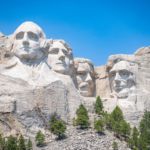
Mount Rushmore: Presidential Faces in Stone
Carved into the granite face of South Dakota’s Black Hills, Mount Rushmore depicts the 60-foot faces of four U.S. presidents:
- George Washington
- Thomas Jefferson
- Theodore Roosevelt
- Abraham Lincoln
The monument was sculpted between 1927 and 1941 under the direction of artist Gutzon Borglum.
Each president was chosen to represent a stage in the nation’s development: founding, expansion, preservation, and modernization.
While Mount Rushmore attracts millions of visitors annually, the monument also exists within a broader historical conversation. The Black Hills are sacred land to the Lakota Sioux, and debates about the monument’s legacy continue today.
Visitors often combine a trip to Mount Rushmore with nearby sites such as Custer State Park and the Crazy Horse Memorial, which honors Native American heritage.
What These Landmarks Reveal About American Identity
Taken together, these landmarks illustrate the many layers of American history—natural, political, cultural, and technological.
They represent different chapters of the national narrative:
- Immigration and ideals of freedom — Statue of Liberty
- Natural history and conservation — Grand Canyon
- Democratic founding principles — Independence Hall
- Engineering and innovation — Golden Gate Bridge
- Civil rights and national unity — Lincoln Memorial
- Presidential leadership and legacy — Mount Rushmore
Each landmark also reflects how Americans choose to remember their past. Monuments evolve in meaning as new generations reinterpret history and engage with these spaces in different ways.
FAQ: Understanding America’s Most Famous Landmarks
What is the most visited landmark in the United States?
The Statue of Liberty National Monument and Ellis Island complex receives millions of visitors annually, making it one of the most visited historic landmarks in the country.
Which U.S. national park receives the most visitors?
The Great Smoky Mountains National Park consistently ranks as the most visited national park, with over 12 million annual visits.
Why was the Statue of Liberty built?
France gifted the statue to celebrate the ideals of liberty and commemorate the 100th anniversary of American independence.
How old is the Grand Canyon?
Geologists estimate that the canyon’s rock layers reveal nearly two billion years of Earth’s geological history, though the canyon itself formed over millions of years through river erosion.
Why is Independence Hall important?
It is the site where both the Declaration of Independence and the U.S. Constitution were debated and adopted.
How long did it take to build the Golden Gate Bridge?
Construction lasted four years, from 1933 to 1937.
Who is depicted on Mount Rushmore?
The monument features George Washington, Thomas Jefferson, Theodore Roosevelt, and Abraham Lincoln.
Why is the Lincoln Memorial shaped like a Greek temple?
Architect Henry Bacon chose the classical design to symbolize democratic ideals rooted in ancient Greece.
Can visitors enter the Statue of Liberty crown?
Yes, but crown access requires advance reservations due to limited capacity.
What is the best time to visit major U.S. landmarks?
Early mornings and shoulder seasons—spring and fall—typically offer smaller crowds and more comfortable weather.
Landmarks as Living Chapters of American History
The United States is filled with remarkable places, but the nation’s most visited landmarks endure because they carry meaning beyond their physical presence. They preserve stories about exploration, independence, immigration, and social change.
Visiting these sites can transform historical knowledge into lived experience. Standing in the Assembly Room of Independence Hall or looking across the Grand Canyon allows visitors to connect with history in ways books alone cannot replicate.
As preservation efforts continue, these landmarks will remain central to understanding how the American story unfolded—and how it continues to evolve.
Key Insights From America’s Most Visited Landmarks
- Landmarks preserve moments that shaped American democracy and culture
- Natural sites like the Grand Canyon reveal deep geological history
- Historic buildings such as Independence Hall connect visitors directly to the nation’s founding
- Engineering achievements like the Golden Gate Bridge reflect innovation during difficult eras
- Monuments often carry complex historical narratives that continue to evolve