Summary
Historic landmarks across the United States continue to inspire curiosity, pride, and reflection. From towering monuments in Washington, D.C., to ancient cliff dwellings in the Southwest, these sites preserve stories that shaped the nation. They also remain powerful travel destinations and educational resources, helping Americans connect with history through architecture, landscapes, and cultural memory.
Why Historic Landmarks Still Matter Today
Historic landmarks are more than scenic attractions or popular tourist stops. They are physical reminders of the events, ideas, and people that shaped the United States. Many Americans first encounter history through textbooks, but standing before a historic structure or preserved landscape offers a deeper connection.
The United States is home to over 95,000 listings on the National Register of Historic Places, according to the National Park Service. These sites range from monumental structures to modest homes and cultural landscapes that represent turning points in American history.
Several factors explain why landmarks continue to capture public attention:
- They preserve visible evidence of national milestones
- They offer immersive educational experiences
- They provide shared cultural reference points
- They strengthen local tourism economies
Landmarks also serve a civic purpose. Visiting them often sparks conversations about democracy, civil rights, exploration, architecture, and environmental stewardship.
Across the country, a handful of sites stand out for their enduring cultural significance.
The Statue of Liberty: A Symbol of Arrival and Freedom
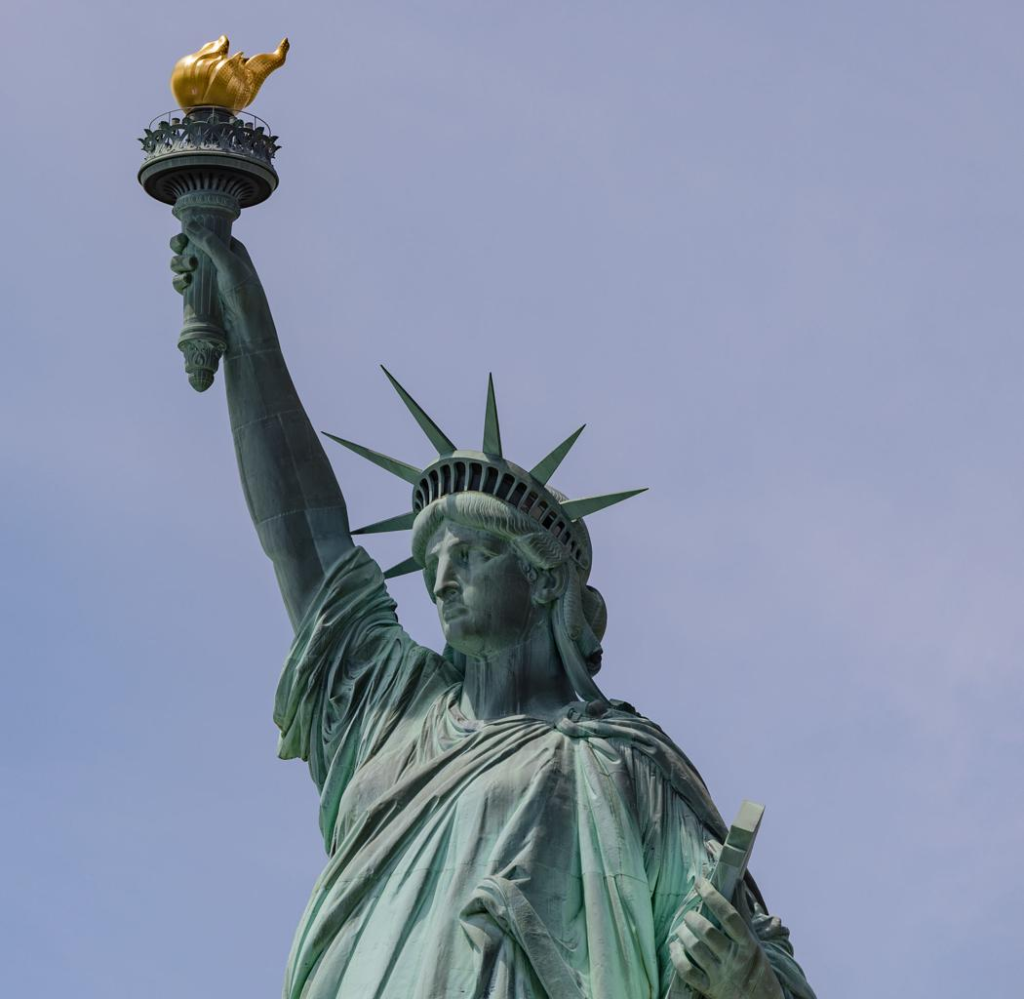
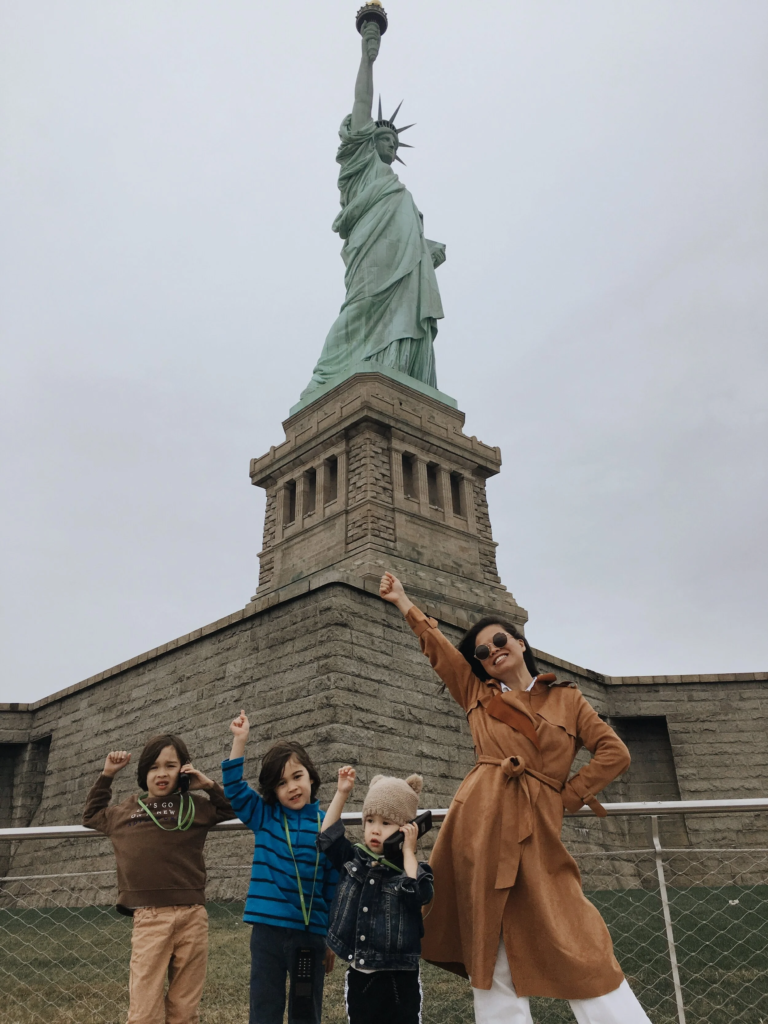
Few landmarks represent the American ideal more clearly than the Statue of Liberty. Dedicated in 1886, the copper monument was a gift from France celebrating the centennial of American independence.
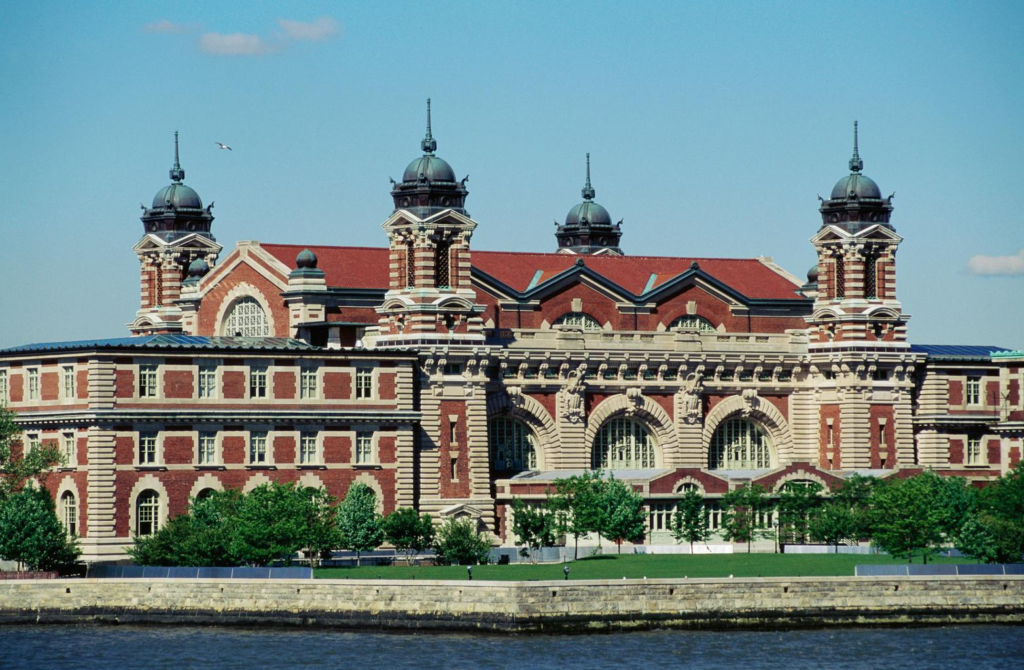
For millions of immigrants arriving through Ellis Island between 1892 and 1954, the statue represented possibility and refuge.
Standing more than 305 feet from ground to torch, the monument remains one of the most recognizable landmarks in the world.
What keeps the Statue of Liberty relevant today is its layered meaning. Beyond its iconic appearance, the statue represents:
- Immigration and cultural diversity
- Democratic ideals and political freedom
- America’s relationship with the global community
Today, visitors can explore the statue’s pedestal museum, climb to the crown, or walk the grounds of Liberty Island while viewing the New York skyline.
The Grand Canyon: A Natural Landmark That Defines the Landscape
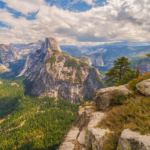
Not all landmarks are built by human hands. The Grand Canyon National Park is one of the most powerful natural landmarks in the United States.
Carved by the Colorado River over millions of years, the canyon stretches 277 miles long and up to 18 miles wide. Its layered rock formations reveal nearly two billion years of geological history.
Designated a national park in 1919, the canyon attracts over 5 million visitors annually, according to the National Park Service.
Visitors are drawn not only to the views but also to the sense of scale and time the landscape represents. Activities include:
- Hiking trails such as Bright Angel and South Kaibab
- Rafting the Colorado River
- Scenic viewpoints along the South Rim
The canyon’s enduring appeal lies in its ability to shift perspective. Standing at the rim reminds visitors how vast and complex the American landscape truly is.
Independence Hall: Where the Nation’s Framework Was Written
In the heart of Philadelphia stands Independence Hall, one of the most historically important buildings in the country.
Inside this red-brick structure, two defining documents were debated and adopted:
- The United States Declaration of Independence
- The United States Constitutional Convention
These decisions established the foundation of the American political system.
The hall is now part of Independence National Historical Park and receives millions of visitors each year.
Walking through the Assembly Room where delegates gathered provides an unusually intimate look at the birth of American governance. The preserved chamber—with its green tables and Windsor chairs—remains remarkably similar to how it appeared in the 18th century.
For many visitors, the experience is less about architecture and more about understanding how fragile and experimental the early republic once was.
Mount Rushmore: Monumental Sculpture in the Black Hills
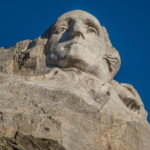
Carved into granite cliffs in South Dakota, Mount Rushmore National Memorial remains one of the most recognizable sculptures in the world.
The memorial features the 60-foot faces of four U.S. presidents:
- George Washington
- Thomas Jefferson
- Theodore Roosevelt
- Abraham Lincoln
Construction began in 1927 under sculptor Gutzon Borglum and took fourteen years to complete.
Mount Rushmore attracts roughly 2 million visitors annually, according to the National Park Service.
The memorial continues to provoke conversation about national identity, leadership, and the relationship between art and landscape. For many visitors, the dramatic setting of the Black Hills adds as much significance as the sculpture itself.
Mesa Verde: Preserving Ancient Communities
In southwestern Colorado, Mesa Verde National Park protects one of the most important archaeological sites in North America.
The park contains over 5,000 known archaeological sites, including 600 cliff dwellings built by the Ancestral Pueblo people between AD 600 and 1300.
The most famous site, Cliff Palace, reveals a complex community built into the canyon walls.
Mesa Verde offers a powerful reminder that American history extends far beyond the colonial period. Indigenous cultures developed sophisticated architecture, agriculture, and social systems long before European arrival.
Today the park emphasizes both preservation and cultural respect, working with modern Pueblo communities to interpret the site’s meaning.
The Golden Gate Bridge: Engineering Meets Iconic Design
Spanning the entrance to San Francisco Bay, the Golden Gate Bridge is both a historic engineering achievement and a defining image of the American West.
Completed in 1937, the suspension bridge stretches 1.7 miles and was once the longest bridge of its kind in the world.
Its distinctive “International Orange” color helps the structure remain visible through the region’s frequent fog.
The bridge’s enduring popularity stems from several qualities:
- Elegant Art Deco design
- Dramatic coastal setting
- Innovative engineering for its time
Visitors often walk or bike across the span, offering panoramic views of the Pacific Ocean, Alcatraz Island, and the San Francisco skyline.
Why Americans Continue to Visit Historic Landmarks
Even in a digital age, physical landmarks remain powerful educational tools. Surveys from the U.S. Travel Association show that cultural and heritage tourism represents a significant share of domestic travel.
Landmarks attract visitors for several reasons:
- Educational travel for families and schools
- Cultural identity and civic pride
- Architecture and photography interests
- Outdoor recreation opportunities
Experiencing a landmark firsthand can also deepen historical understanding in ways that digital media cannot replicate.
Frequently Asked Questions
What qualifies a site as a historic landmark in the United States?
A site may be designated if it has significant historical, architectural, archaeological, or cultural value. Many are listed on the National Register of Historic Places.
How many national historic landmarks exist in the U.S.?
There are more than 2,600 National Historic Landmarks, a special category recognizing sites with exceptional historical significance.
Are natural landmarks included in historic landmark lists?
Yes. Some natural landscapes, such as the Grand Canyon, are recognized for their environmental and cultural importance.
What is the difference between a national park and a national historic landmark?
National parks protect large natural or cultural landscapes, while historic landmarks may include individual buildings, monuments, or sites.
Why are landmarks preserved?
Preservation protects historically important places so future generations can study and experience them.
Can historic landmarks change over time?
Yes. Restoration, conservation work, and updated interpretation help maintain sites while preserving authenticity.
Which U.S. landmark receives the most visitors?
The Lincoln Memorial is among the most visited, drawing millions annually.
Are historic landmarks important for tourism?
Yes. Heritage tourism contributes billions of dollars annually to local economies across the United States.
Can people stay overnight at historic landmarks?
Some sites operate historic hotels, lodges, or nearby accommodations within national parks.
How can visitors help preserve landmarks?
Following site guidelines, staying on designated paths, and supporting preservation programs all help protect these locations.
The Stories These Places Continue to Tell
Historic landmarks remain powerful storytellers. They reveal how ideas evolved, how communities formed, and how landscapes shaped national identity.
From the Statue of Liberty welcoming newcomers to Mesa Verde preserving ancient culture, these places represent multiple chapters of the American narrative.
What makes them enduring is not simply their age or design. It is their ability to connect generations—allowing each visitor to interpret the past through the lens of the present.
Key Insights at a Glance
- Historic landmarks preserve defining moments in American history
- The U.S. contains tens of thousands of protected historic sites
- Major landmarks range from monuments to natural landscapes
- Cultural tourism plays a major role in preserving these locations
- Visiting landmarks offers a deeper understanding of national identity