
Summary
America’s landscape is filled with landmarks that tell the story of its people, values, and turning points in history. From monuments that represent liberty to natural wonders that shaped national conservation efforts, these places help define the American identity. Understanding their stories reveals how geography, architecture, and historical events collectively shaped the nation’s cultural memory.
Introduction: Why Landmarks Matter in American Culture
Across the United States, landmarks do more than mark locations on a map. They represent defining moments in the nation’s development—moments tied to independence, innovation, resilience, and cultural transformation.
Whether it’s a statue symbolizing freedom, a canyon carved by millions of years of geological change, or a memorial honoring those who served the country, American landmarks collectively form a narrative about the nation’s identity.
For many Americans, these places are where history becomes tangible. Students visit them on field trips, travelers seek them out during road trips, and communities preserve them as symbols of shared heritage.
The National Park Service (NPS) manages over 420 protected sites, including monuments, memorials, battlefields, and historic landmarks. According to NPS visitor statistics, these sites welcomed more than 325 million visits in 2023, highlighting the continuing importance of these locations in American life.
Understanding these landmarks offers a clearer picture of how geography, historical events, and cultural ideals shaped the United States from coast to coast.
The Statue of Liberty: A Symbol of Opportunity and Arrival
Few landmarks represent the American identity as powerfully as the Statue of Liberty. Located in New York Harbor, the statue was a gift from France in 1886 to commemorate the centennial of American independence and celebrate democratic ideals.
Designed by French sculptor Frédéric Auguste Bartholdi and engineered with support from Gustave Eiffel, the statue quickly became a beacon for millions of immigrants arriving through nearby Ellis Island.
For newcomers crossing the Atlantic, the statue represented the promise of a new beginning. Its torch, raised high above the harbor, symbolized enlightenment and freedom.
Key historical context surrounding the Statue of Liberty includes:
- It stands 305 feet tall from ground to torch.
- The statue’s copper exterior gradually developed its recognizable green patina through natural oxidation.
- Between 1892 and 1954, over 12 million immigrants entered the United States through Ellis Island nearby.
Today, the monument remains one of the most recognizable landmarks in the world and a reminder of America’s history as a nation shaped by immigration.
The Grand Canyon: Nature’s Monument to the American Landscape
Not all landmarks are human-made. Some of the most influential symbols of American identity come from the natural world.
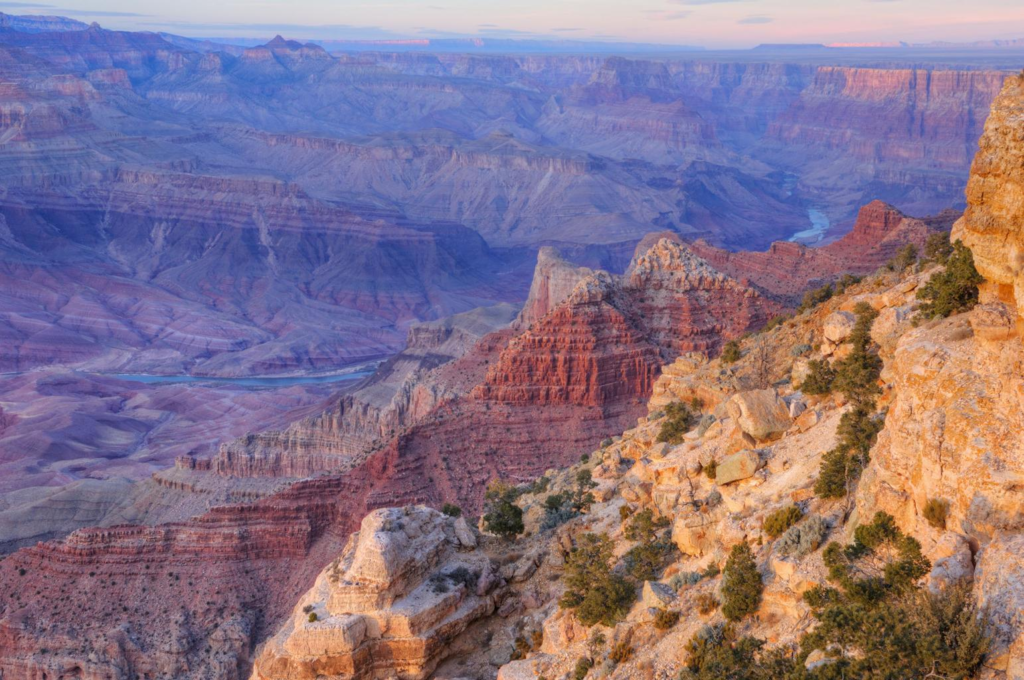
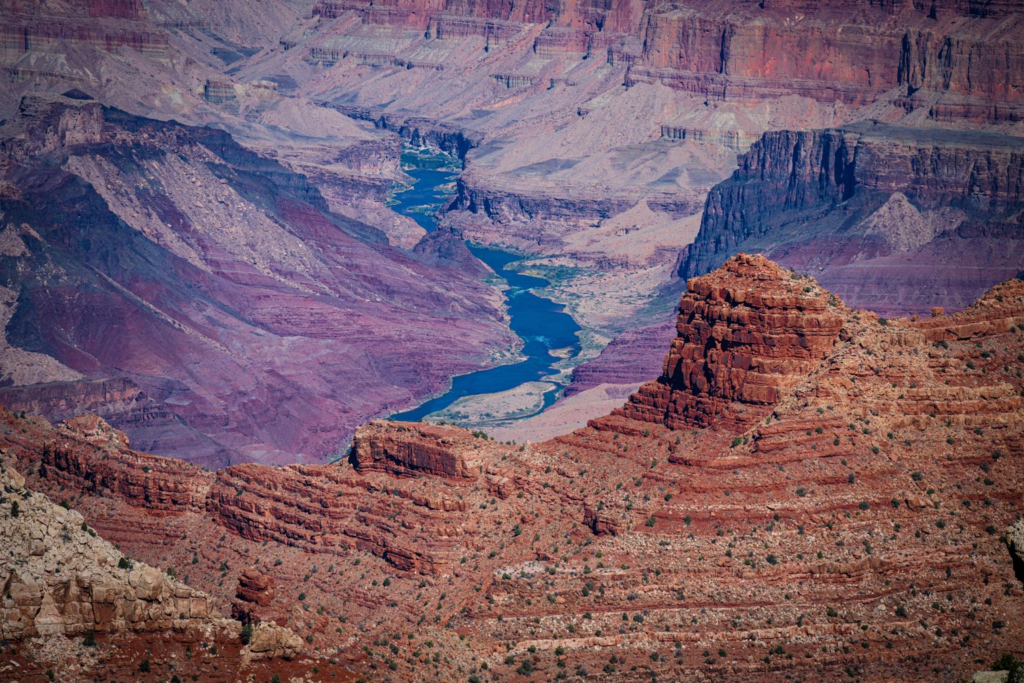
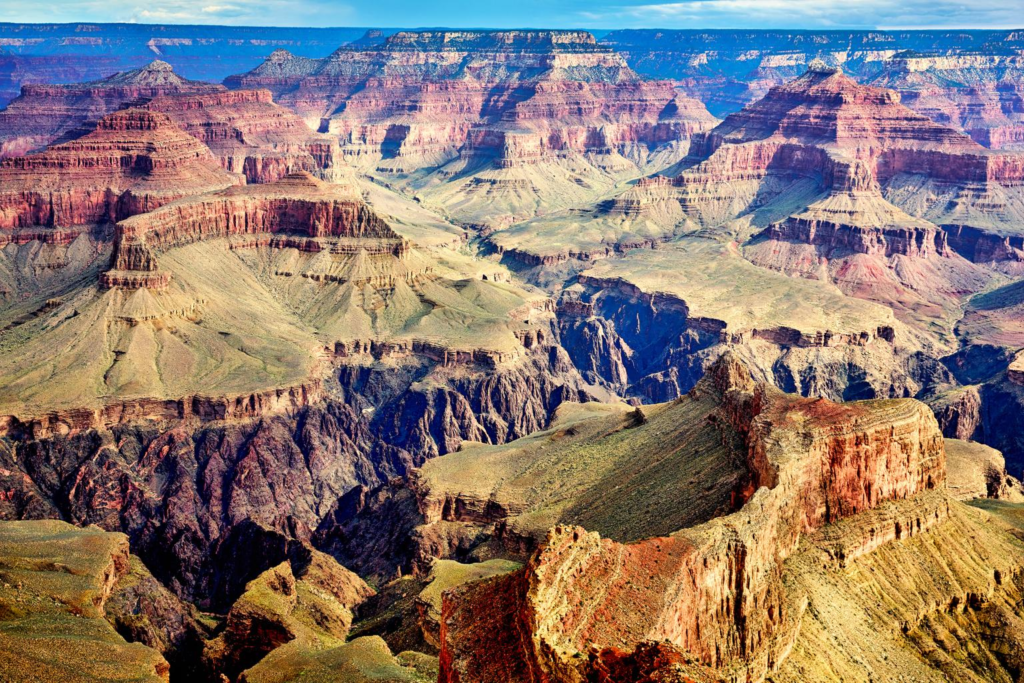
The Grand Canyon, located in Arizona, stands as one of the most dramatic geological features on Earth. Carved by the Colorado River over millions of years, the canyon stretches roughly 277 miles long, up to 18 miles wide, and over one mile deep.
Its significance goes beyond natural beauty. The canyon played an important role in the early American conservation movement.
President Theodore Roosevelt, after visiting the canyon in 1903, famously urged Americans to preserve it, stating that future generations should be able to experience its grandeur.
Important milestones include:
- Declared a national park in 1919
- Designated a UNESCO World Heritage Site in 1979
- Receives roughly 6 million visitors annually
The Grand Canyon reflects a defining aspect of American identity: the belief that extraordinary landscapes should be protected for public benefit.
Mount Rushmore: History Carved in Stone
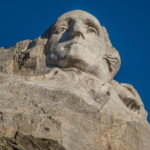
High in the Black Hills of South Dakota, Mount Rushmore National Memorial presents a monumental tribute to four presidents who shaped the United States.
Completed between 1927 and 1941, the sculpture features the faces of:
- George Washington
- Thomas Jefferson
- Theodore Roosevelt
- Abraham Lincoln
Each figure represents a different chapter of American development—founding the nation, expanding its territory, preserving the Union, and advancing industrial growth.
The project was led by sculptor Gutzon Borglum and involved hundreds of workers carving the granite mountain using a combination of dynamite and precision tools.
Today, Mount Rushmore attracts around 2 million visitors each year and remains one of the most recognizable political monuments in the country.
However, the site also prompts deeper conversations about American history, particularly because the Black Hills are sacred to the Lakota Sioux. These discussions highlight how landmarks can evolve in meaning as the country continues to reflect on its past.
The Golden Gate Bridge: Engineering Meets Cultural Identity
When it opened in 1937, the Golden Gate Bridge transformed San Francisco’s connection to the surrounding region. Spanning the entrance to San Francisco Bay, the bridge quickly became one of the most recognizable structures in the United States.
Its Art Deco design and distinctive International Orange color make it instantly identifiable.
Key engineering details include:
- Total length: 1.7 miles
- Main span: 4,200 feet (once the longest suspension span in the world)
- Built during the Great Depression, providing thousands of jobs
Beyond its structural significance, the bridge represents American innovation and resilience during challenging economic times.
It also serves as a visual symbol of the American West—frequently appearing in films, photography, and popular culture.
The Lincoln Memorial: A Place for Reflection and Civil Rights
Situated at the western end of the National Mall in Washington, D.C., the Lincoln Memorial honors President Abraham Lincoln and his leadership during the Civil War.
Completed in 1922, the memorial features a seated statue of Lincoln surrounded by inscriptions of two of his most famous speeches: the Gettysburg Address and his second inaugural address.
Over time, the site became a stage for major moments in American civil rights history.
Perhaps the most famous event occurred in 1963, when Martin Luther King Jr. delivered his “I Have a Dream” speech during the March on Washington.
The memorial continues to serve multiple purposes:
- Historical education
- Civic reflection
- Public gatherings and demonstrations
- National commemorations
Few landmarks capture the intersection of American democracy and social progress as clearly as the Lincoln Memorial.
Yellowstone National Park: America’s First National Park
Established in 1872, Yellowstone National Park became the world’s first national park. The decision set a global precedent for protecting natural landscapes for public enjoyment and scientific study.
Located primarily in Wyoming, the park is known for:
- More than 10,000 hydrothermal features, including geysers
- Vast wildlife populations, including bison, wolves, and grizzly bears
- Expansive forests, rivers, and lakes
Yellowstone introduced the concept that certain landscapes should belong to everyone rather than private interests.
Today, that philosophy forms the foundation of the American national park system and influences conservation policies worldwide.
The Alamo: Remembering a Defining Moment in Texas History
In San Antonio, Texas, The Alamo marks one of the most famous battles in American history.
In 1836, Texan defenders fought Mexican forces during the Texas Revolution. Although the defenders ultimately lost, the battle became a powerful symbol of resistance and sacrifice.
The phrase “Remember the Alamo” became a rallying cry that helped inspire Texan victory later that year.
Today, the preserved mission complex functions as a museum and historic site visited by more than 2.5 million people annually.
For many Americans, the Alamo represents the frontier spirit that shaped the country’s expansion westward.
Landmarks as Living History
What makes these landmarks particularly powerful is that they are not static relics. They continue to evolve in meaning as the nation changes.
Visitors bring new perspectives, historians uncover new information, and communities reinterpret these spaces in ways that reflect modern values.
Across the country, landmarks serve as places where Americans engage directly with their history.
They allow people to:
- Explore how past decisions shaped modern society
- Reflect on national achievements and challenges
- Learn about diverse cultural contributions
- Preserve historical knowledge for future generations
In this way, landmarks remain living classrooms for the American story.
Frequently Asked Questions
What is considered a national landmark in the United States?
A National Historic Landmark is a site recognized by the U.S. government for its exceptional value in representing American history. These locations may include buildings, monuments, battlefields, or districts.
How many national landmarks exist in the U.S.?
The United States has over 2,600 National Historic Landmarks, designated by the Department of the Interior.
Why are landmarks important to American identity?
Landmarks preserve key moments in history, reflect cultural values, and help communities understand how the nation developed over time.
What is the most visited landmark in the United States?
Times Square in New York City is often considered the most visited tourist destination, drawing roughly 50 million visitors annually.
Are natural landmarks as important as historical ones?
Yes. Natural landmarks like the Grand Canyon and Yellowstone helped shape conservation efforts and represent America’s commitment to preserving natural beauty.
Who protects national landmarks?
Agencies such as the National Park Service, state governments, and nonprofit preservation groups help protect historic landmarks.
How are landmarks selected for preservation?
Sites are evaluated based on historical significance, architectural uniqueness, cultural impact, and integrity of preservation.
Can landmarks change meaning over time?
Yes. As new historical perspectives emerge, the interpretation of landmarks often evolves to include broader viewpoints.
What role do landmarks play in tourism?
Historic and natural landmarks drive billions of dollars in tourism revenue and support local economies across the United States.
Why do Americans visit landmarks?
Many people visit landmarks to connect with history, experience natural beauty, or better understand the events that shaped the nation.
The Places Where the American Story Comes Into Focus
From the harbors of New York to the deserts of Arizona and the forests of Wyoming, America’s landmarks form a geographic narrative of the country’s development.
Some commemorate pivotal moments in political history. Others showcase natural landscapes that inspired conservation movements. Together, they represent the ideals, struggles, and aspirations that shaped the United States.
Visiting these places offers more than sightseeing. It provides an opportunity to understand how generations of Americans built the society that exists today.
Each landmark, in its own way, reminds visitors that the story of the United States is still unfolding.
Key Insights at a Glance
- American landmarks reflect both historical events and natural heritage
- The National Park Service protects more than 420 sites nationwide
- Iconic landmarks often symbolize core American values such as liberty, resilience, and preservation
- Natural landmarks played a key role in launching the global conservation movement
- Historic monuments continue to evolve in meaning as society changes