

Summary
American heritage is more than a record of past events—it is the collection of ideas, traditions, and shared experiences that continue to shape the nation’s identity. From founding principles and immigration stories to cultural traditions and civic values, the American story evolves with every generation. Understanding these influences helps explain how the United States defines community, opportunity, and national character today.
Understanding What “American Heritage” Really Means
American heritage is often associated with historical landmarks, patriotic symbols, or the founding era of the United States. Yet the concept is broader and more dynamic. It includes the collective experiences, cultural traditions, civic ideals, and historical milestones that have influenced how Americans understand their country and their place within it.
At its core, American heritage represents a shared narrative—one shaped by both triumphs and challenges. It encompasses the founding principles outlined in the Declaration of Independence, the waves of immigration that transformed the country’s cultural landscape, and the social movements that expanded civil rights.
Unlike a static historical record, heritage evolves. Each generation reinterprets national values based on current circumstances while maintaining connections to earlier stories.
For many Americans, heritage becomes most visible through everyday experiences such as community celebrations, local historical sites, family traditions, and national holidays.
Some of the most recognizable elements of American heritage include:
- Foundational documents such as the Constitution and Bill of Rights
- Historic movements like the Civil Rights Movement
- Cultural traditions brought by immigrant communities
- National landmarks and preserved historic sites
- Shared civic rituals such as voting, jury duty, and national commemorations
These elements combine to create a narrative that helps define American identity.
The Founding Ideals That Still Influence the Nation
Many discussions of American heritage begin with the country’s founding principles. Concepts such as liberty, individual rights, and representative government remain central to the national identity.
When the Declaration of Independence was adopted in 1776, it articulated the belief that governments derive their authority from the consent of the governed. That idea continues to influence American political culture and civic participation.
The U.S. Constitution, ratified in 1788, established a framework for governance that has endured for more than two centuries. According to the National Archives, it is the oldest written national constitution still in active use.
These founding ideals influence modern American life in several ways:
- Legal protections: Constitutional rights guide court decisions and legislation
- Democratic participation: Voting and civic engagement remain core national practices
- Public debate: Citizens regularly discuss how founding principles apply to modern issues
Even debates about policy often revolve around differing interpretations of these foundational ideas.
For example, discussions around freedom of speech, privacy rights, or federal authority frequently reference constitutional principles established more than two centuries ago.
Immigration Stories That Shaped American Identity
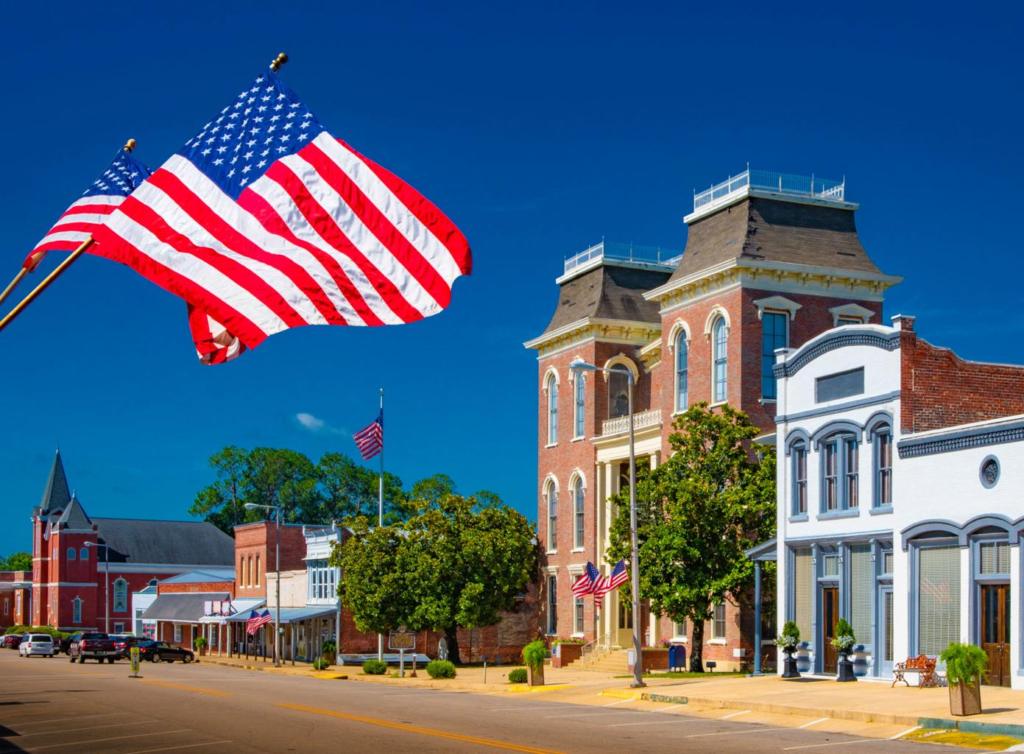
One of the defining features of American heritage is immigration. The United States has long been shaped by people arriving from different parts of the world, bringing languages, traditions, and cultural perspectives that influenced national life.
Between 1880 and 1920, more than 23 million immigrants arrived in the United States, according to the U.S. Citizenship and Immigration Services historical data. Many entered through Ellis Island in New York Harbor, which processed millions of newcomers seeking economic opportunity and political freedom.
These migration stories are deeply woven into the nation’s heritage. Families across the country often trace their roots to ancestors who arrived during different immigration waves.
Immigration has contributed to American heritage through:
- Culinary traditions and regional food cultures
- Music and artistic expression
- Religious diversity
- New languages and community networks
- Entrepreneurial contributions to the economy
Consider neighborhoods such as Little Italy in New York, Chinatown in San Francisco, or Polish communities in Chicago. These communities preserve cultural traditions while becoming part of the broader American story.
Even today, immigration continues to shape American culture, reinforcing the idea that the nation’s heritage is constantly evolving.
Cultural Traditions That Reflect Shared Values
Heritage is often experienced through cultural traditions passed down over generations. These traditions provide continuity between the past and the present.
National holidays offer a clear example. Celebrations such as Independence Day, Thanksgiving, and Memorial Day serve both commemorative and cultural roles.
Independence Day highlights the nation’s founding story. Thanksgiving emphasizes gratitude and family gatherings. Memorial Day honors military service members who died in defense of the country.
These traditions reinforce shared values such as community, remembrance, and civic appreciation.
Beyond national holidays, regional traditions also contribute to American heritage. Examples include:
- New England town meetings that reflect early democratic practices
- Juneteenth celebrations recognizing the end of slavery in the United States
- Native American cultural festivals preserving indigenous traditions
- Agricultural fairs celebrating rural heritage
These traditions remind Americans that heritage is not limited to textbooks—it lives through community experiences and cultural practices.
Historic Places That Preserve the National Story
Physical places play a powerful role in preserving heritage. Historic landmarks, museums, and preserved communities provide tangible connections to the past.
Across the United States, thousands of sites are listed on the National Register of Historic Places. These include battlefields, historic homes, industrial sites, and cultural landmarks.
Some well-known locations include:
- Independence Hall in Philadelphia, where the Declaration of Independence was debated and adopted
- Gettysburg National Military Park, site of a pivotal Civil War battle
- The Martin Luther King Jr. National Historical Park in Atlanta, preserving the legacy of the civil rights leader
These locations allow visitors to connect with history in ways that written records alone cannot provide.
Experiencing these places firsthand often deepens understanding of the events and people who shaped the nation.
Educational programs, museum exhibits, and guided tours help visitors interpret these sites within the broader story of American heritage.
Social Movements That Expanded the Meaning of Freedom
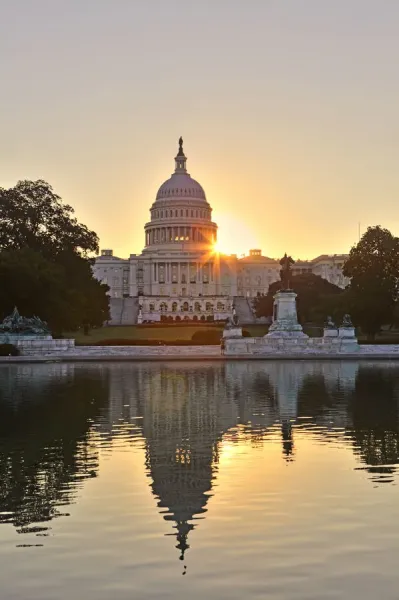
American heritage is also defined by the struggles that reshaped the nation’s understanding of equality and justice.
The Civil Rights Movement of the 1950s and 1960s is one of the most influential chapters in modern American history. Through organized protests, legal challenges, and community activism, leaders and citizens worked to dismantle racial segregation and secure voting rights.
Key milestones included:
- The Civil Rights Act of 1964, which outlawed discrimination based on race, color, religion, sex, or national origin
- The Voting Rights Act of 1965, which strengthened protections against voter suppression
These developments expanded the interpretation of the founding promise that all people are created equal.
Other movements—including women’s suffrage, disability rights, and LGBTQ+ equality—have similarly influenced how Americans interpret national ideals.
Each movement contributes to a broader narrative: American heritage is not only about preserving the past but also about improving the future.
How American Heritage Shows Up in Everyday Life
Heritage is often most visible in ordinary experiences. It appears in family traditions, local history, civic participation, and cultural practices.
For example, many families preserve their heritage through stories about ancestors, cultural recipes, or religious customs passed down through generations.
Local communities often maintain heritage through:
- Historical societies and preservation groups
- Community festivals celebrating local history
- School programs that teach regional heritage
- Restoration of historic buildings and districts
These efforts help keep historical memory alive while strengthening community identity.
At the national level, public institutions such as the Smithsonian museums and the Library of Congress preserve artifacts and records that help document the American experience.
Together, these efforts ensure that the stories shaping the nation remain accessible to future generations.
Why Understanding Heritage Matters Today
Understanding American heritage helps provide context for contemporary issues. Historical experiences often influence modern policy debates, cultural discussions, and social expectations.
For example, conversations about immigration, civil rights, or federal authority frequently reference earlier chapters in the nation’s history.
Heritage also strengthens civic awareness. Learning about historical struggles and achievements encourages citizens to participate more thoughtfully in public life.
Research from the National Endowment for the Humanities has shown that historical knowledge supports civic engagement by helping people understand how democratic institutions developed.
In this sense, heritage acts as both a memory and a guide—helping Americans navigate the challenges of a changing society while maintaining continuity with the past.

Frequently Asked Questions
What is meant by American heritage?
American heritage refers to the collective traditions, historical experiences, cultural practices, and civic ideals that shape the identity of the United States.
Why is American heritage important?
It provides historical context, strengthens national identity, and helps citizens understand how past events influence present-day society.
What are examples of American heritage?
Examples include the Constitution, historic landmarks, immigration traditions, cultural festivals, and social movements that shaped civil rights.
How does immigration influence American heritage?
Immigration contributes new traditions, languages, cuisines, and perspectives, enriching the national culture and shaping American identity.
What role do historic sites play in preserving heritage?
Historic sites allow people to experience the past directly and help preserve important locations connected to national events.
How do national holidays reflect American heritage?
Holidays like Independence Day and Memorial Day commemorate historical events and reinforce shared national values.
Can American heritage change over time?
Yes. Heritage evolves as new generations interpret historical experiences and add their own cultural contributions.
What organizations help preserve American heritage?
Institutions such as the National Park Service, Smithsonian Institution, and National Archives preserve historical sites, artifacts, and records.
How can individuals connect with American heritage?
People can explore museums, visit historic sites, research family history, and participate in community heritage events.
Is American heritage only about the past?
No. It also includes current cultural traditions and evolving national values that shape the future.
The Ongoing Story of a Nation
American heritage is not confined to monuments or historical documents. It is an ongoing narrative shaped by generations of people contributing their experiences, traditions, and ideas.
The nation’s character continues to develop as communities reinterpret founding ideals, preserve cultural traditions, and address new social challenges.
By understanding the stories that shaped the country—from immigration journeys to civil rights activism—Americans gain a deeper appreciation of the values that connect past, present, and future.
Key Ideas Worth Remembering
- American heritage includes traditions, values, and historical experiences
- Founding principles such as liberty and democratic governance remain influential
- Immigration stories play a major role in shaping national identity
- Cultural traditions and holidays preserve shared values
- Historic sites provide tangible connections to the past
- Social movements have expanded the meaning of equality and freedom
- Heritage continues evolving as new generations contribute their stories