Summary
American heritage remains relevant in the 21st century because it provides cultural continuity, civic understanding, and shared identity in an increasingly complex society. From democratic ideals to community traditions, historical lessons still influence policy, education, and everyday life. Understanding America’s heritage helps citizens interpret current challenges, appreciate cultural diversity, and make informed decisions about the nation’s future.
Understanding American Heritage in a Modern Context
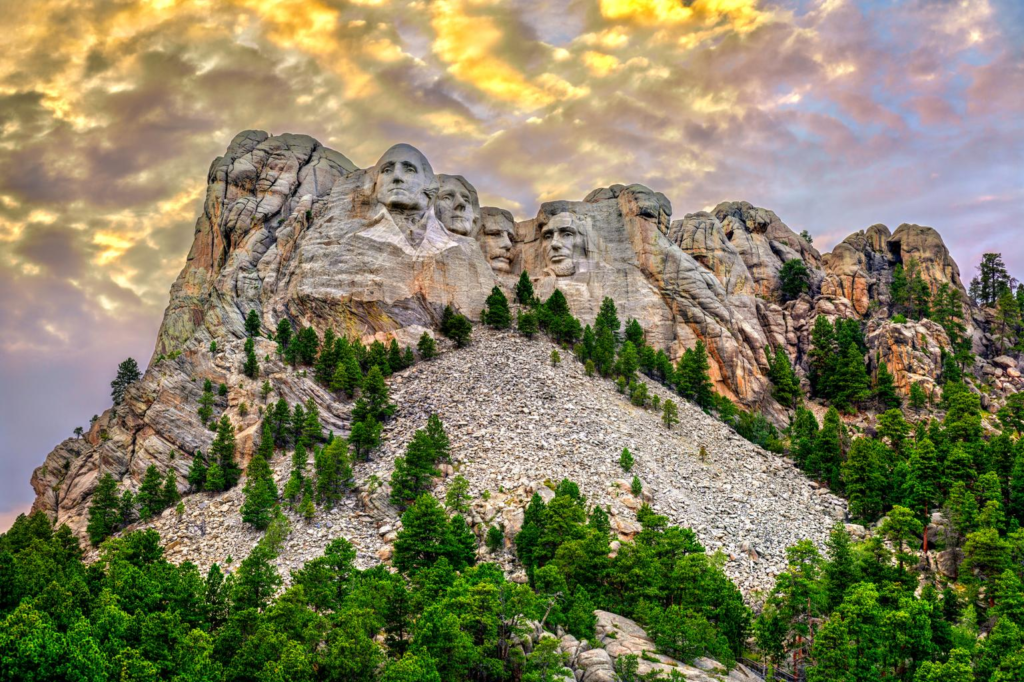
American heritage refers to the collective traditions, historical experiences, cultural values, institutions, and ideas that have shaped the United States. While the concept often evokes images of historic landmarks, early settlers, and national monuments, heritage extends far beyond preserved artifacts. It includes the stories, principles, and cultural influences that continue to guide society today.
In the 21st century, Americans face rapid technological change, globalization, shifting demographics, and evolving political debates. In this environment, heritage provides context. It helps people understand where the nation has been, how institutions developed, and why certain values remain central to civic life.
For example, discussions about voting rights, freedom of speech, or federal authority often draw directly from constitutional principles established more than two centuries ago. Without historical understanding, these debates can lose their broader meaning.
American heritage therefore acts as a framework that connects past experiences with present challenges.
The Historical Foundations That Continue to Shape American Life
Many aspects of modern American society are rooted in historical developments that still influence policy and daily life. The founding era established political ideas—such as representative government and constitutional rights—that continue to define public discourse.
The U.S. Constitution, drafted in 1787, remains the longest-lasting written national constitution in the world. According to the National Archives, it has guided American governance for over two centuries, adapting through amendments and judicial interpretation.
Beyond politics, heritage also shapes cultural identity. Traditions, regional histories, and immigrant contributions all form part of the national story.
Examples of heritage that still influence modern America include:
- Democratic institutions such as elections, checks and balances, and an independent judiciary
- Civic traditions including community participation, volunteerism, and local governance
- Cultural contributions from Native American, European, African, Asian, and Latin American communities
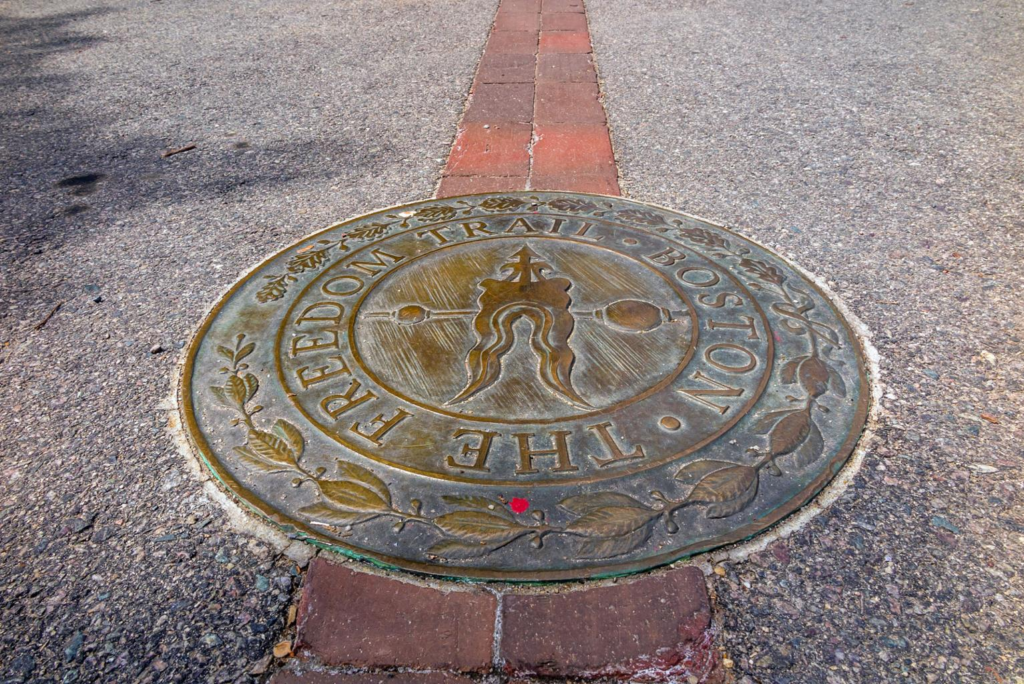
- Historic preservation efforts that protect landmarks, battlefields, and cultural districts
These elements create a shared historical reference point that continues to guide the country’s social and political development.
Why Americans Continue to Value Heritage
Despite rapid technological change, surveys consistently show that Americans care about historical preservation and cultural heritage.
According to a National Trust for Historic Preservation survey, a majority of Americans believe historic places improve community identity and strengthen local economies. Heritage sites often serve as educational resources, tourism drivers, and gathering spaces for communities.
Heritage also supports intergenerational learning. Families pass down traditions, stories, and cultural practices that provide a sense of belonging.
For many Americans, heritage fulfills several practical roles:
- It helps people understand national institutions and civic responsibilities
- It provides cultural continuity during periods of rapid social change
- It connects communities through shared history
- It strengthens local economies through heritage tourism
- It encourages preservation of historically significant places
In short, heritage functions both as a cultural resource and a practical tool for civic education.
The Role of Heritage in Education
American schools and universities rely heavily on historical study to help students understand democratic institutions and societal development.
History education helps students examine both achievements and challenges in the nation’s past. This balanced perspective encourages critical thinking and informed citizenship.
Students often explore questions such as:
- How did early American political ideas develop?
- What role did immigration play in shaping national identity?
- How have civil rights movements influenced modern policy?
Programs such as museum education initiatives and public history projects bring heritage into classrooms through real-world experiences. Field trips to historical sites, for example, allow students to see how national events unfolded in specific places.
According to the American Historical Association, studying history improves analytical thinking, communication skills, and civic awareness—skills that remain valuable regardless of career path.
Heritage and Cultural Diversity
One of the most important reasons American heritage remains relevant is that it reflects the country’s diversity.
The United States has always been shaped by cultural exchange and immigration. Each wave of newcomers brought traditions, languages, cuisines, and perspectives that gradually became part of the national fabric.
Today, cultural heritage celebrations—such as heritage months, festivals, and community events—highlight the diverse stories that contribute to American identity.
Examples include:
- Hispanic Heritage celebrations recognizing cultural contributions from Latin American communities
- African American historical programs exploring civil rights history and cultural achievements
- Asian American heritage festivals highlighting immigrant experiences and community leadership
- Native American cultural preservation efforts protecting languages, traditions, and sacred sites
Rather than representing a single narrative, American heritage is a mosaic of interconnected histories.
Recognizing this diversity helps modern Americans better understand the country’s social development.
Economic Impact of Heritage and Historic Preservation
Heritage is not only cultural—it also contributes significantly to local economies.
Historic preservation projects, heritage tourism, and museum programs generate economic activity across the United States. According to the National Park Service, historic preservation supports hundreds of thousands of jobs and contributes billions of dollars annually to the U.S. economy.
Historic districts often attract visitors, entrepreneurs, and small businesses. Restored downtown areas, historic theaters, and cultural districts can revitalize neighborhoods while preserving architectural character.
Cities such as Charleston, Boston, and Santa Fe have built thriving tourism economies around historical preservation and cultural storytelling.
Economic benefits of heritage initiatives include:
- Increased tourism revenue
- Job creation in hospitality, preservation, and education
- Revitalization of historic neighborhoods
- Growth of cultural industries such as museums and heritage festivals
These economic benefits demonstrate that preserving heritage is not simply about nostalgia—it can also support sustainable community development.
Heritage in the Digital Age
Technology has transformed the way Americans access and engage with historical information.
Digital archives, virtual museum exhibits, and online historical databases have made heritage more accessible than ever before. Institutions such as the Library of Congress and the Smithsonian have digitized millions of documents, photographs, and artifacts.
This shift allows people to explore historical materials from home while expanding opportunities for researchers, educators, and students.
Technology also supports:
- Virtual tours of historic sites
- Online genealogy research platforms
- Digital preservation of historical documents
- Interactive educational programs
The digital age does not replace heritage—it expands its reach.
More Americans can now access historical resources and participate in cultural preservation efforts.

Challenges to Preserving American Heritage
While heritage remains important, it also faces several challenges in the modern era.
Urban development, climate change, and shifting cultural priorities can threaten historic sites and traditions. Maintaining historic structures often requires significant funding and long-term planning.
In addition, debates about historical interpretation can influence how certain events or figures are remembered.
Preservation organizations, historians, and community groups often work together to address these challenges through:
- Educational programs
- Historic preservation grants
- Community engagement initiatives
- Policy protections for historic landmarks
These efforts help ensure that future generations can continue learning from the past.
Why Heritage Still Matters for Future Generations
For younger generations growing up in a digital and globalized world, understanding national heritage can provide context and perspective.
Historical awareness encourages civic engagement and informed participation in democratic processes. It also helps individuals appreciate the complexity of the nation’s development.
Young Americans today are increasingly engaging with history through documentaries, podcasts, museums, and online archives. These resources make heritage accessible in ways that were not possible just a generation ago.
Ultimately, heritage serves as a bridge between past experience and future decision-making.
By understanding the lessons embedded in historical events, Americans can better navigate the challenges of the modern world.
Frequently Asked Questions
What is American heritage?
American heritage refers to the traditions, cultural influences, historical events, and civic principles that have shaped the United States and continue to influence modern society.
Why is American heritage important today?
It provides historical context for current political, social, and cultural issues while helping citizens understand democratic institutions and shared values.
How does heritage influence modern American culture?
Heritage shapes traditions, national holidays, civic practices, and cultural celebrations that reflect the nation’s diverse history.
What role does heritage play in education?
History education helps students develop critical thinking skills and understand how past events influence modern policies and institutions.
How does historic preservation benefit communities?
Preserving historic sites can strengthen community identity, support tourism, and stimulate local economic development.
How does technology help preserve heritage?
Digital archives, virtual museum exhibits, and online educational programs make historical resources accessible to a wider audience.
What are the biggest threats to historic heritage sites?
Urban development, climate change, and limited funding can threaten historic buildings and cultural landmarks.
How can individuals help preserve heritage?
People can support preservation organizations, visit historic sites, participate in local history programs, and advocate for cultural protection policies.
Why does heritage matter for younger generations?
Understanding history helps young people interpret current events, participate in civic life, and appreciate the diversity of American culture.
Is American heritage still evolving?
Yes. New cultural contributions, social movements, and historical interpretations continue to shape the ongoing story of the United States.
Carrying Heritage Forward in a Changing Nation
American heritage is not a fixed concept preserved only in archives and monuments. It is a living narrative shaped by evolving interpretations, cultural contributions, and civic participation. As society changes, heritage provides continuity—offering historical perspective while encouraging thoughtful engagement with the present.
In the 21st century, understanding heritage allows Americans to connect past achievements with modern responsibilities. By preserving historical sites, supporting education, and recognizing diverse cultural stories, communities can ensure that the nation’s heritage remains meaningful for future generations.
Key Insights From the Article
- American heritage provides historical context for modern civic life
- Democratic institutions remain rooted in early constitutional principles
- Cultural diversity plays a central role in shaping national identity
- Historic preservation contributes to economic development and tourism
- Education systems rely on heritage to teach civic awareness
- Technology is expanding access to historical resources
- Heritage sites strengthen community identity
- Preservation efforts face challenges from development and climate change
- Younger generations engage with history through digital media
- Understanding heritage helps Americans navigate future challenges