Summary
American heritage extends far beyond famous monuments. It includes living traditions, local cultures, historic communities, landscapes, and shared values passed through generations. From preserved landmarks and Indigenous knowledge to regional foods and music, understanding American heritage helps people connect with history in meaningful ways and strengthens cultural identity while shaping how communities protect the past and plan for the future.
From Landmarks to Living Traditions: Exploring the Many Dimensions of American Heritage
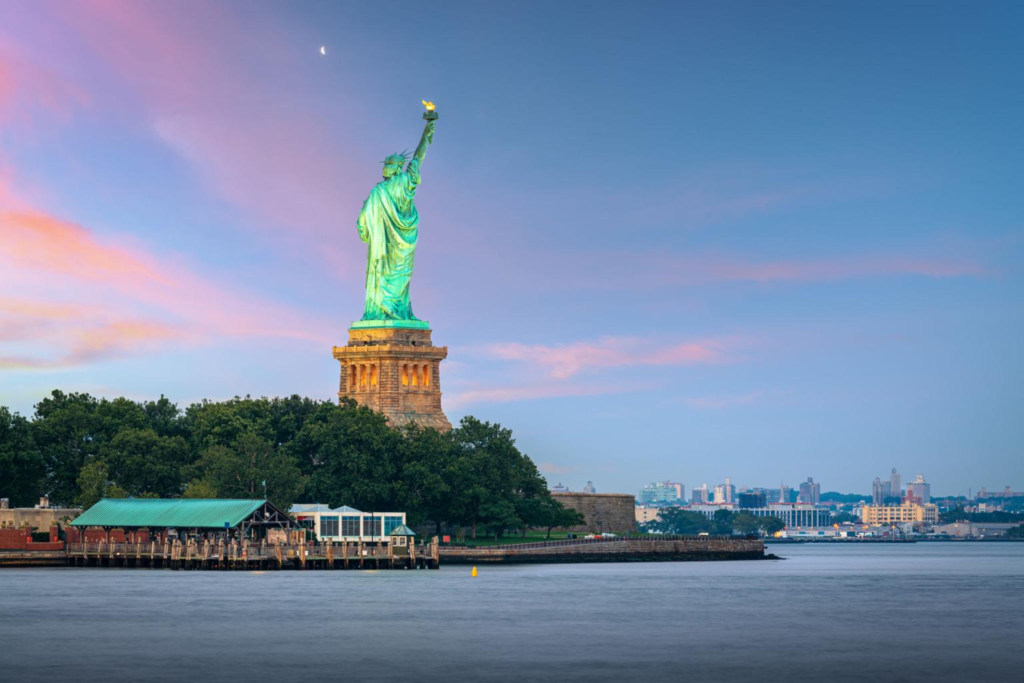
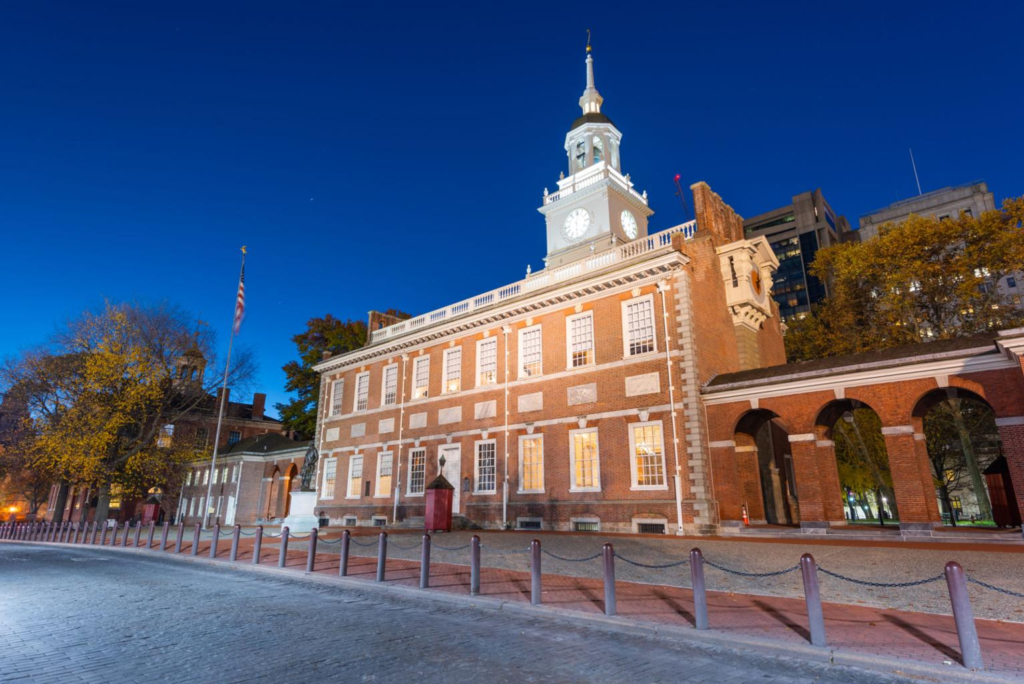
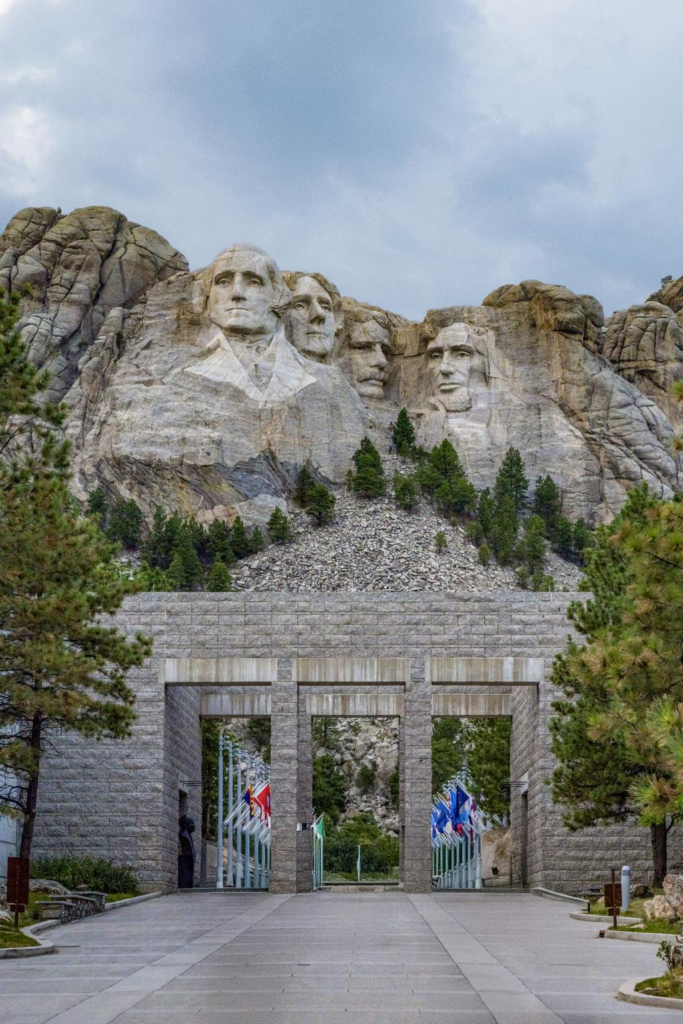
American heritage is often imagined as a collection of famous landmarks—Independence Hall, the Statue of Liberty, or the Lincoln Memorial. Yet heritage in the United States reaches far beyond historic buildings and monuments. It also includes the traditions people practice, the stories communities preserve, and the landscapes that shaped American history.
For travelers, educators, and curious citizens alike, exploring American heritage offers a deeper understanding of how the country evolved. It reveals how diverse cultural influences—from Indigenous nations to immigrant communities—continue to shape everyday life.
Today, heritage preservation in the U.S. blends history, culture, education, and community engagement. According to the National Park Service, more than 20,000 historic properties are listed on the National Register of Historic Places, reflecting the broad range of sites considered part of the nation’s heritage.
Understanding this broader view helps answer an important question many Americans ask: What truly defines American heritage?
Historic Landmarks: Physical Anchors of National Memory
Historic landmarks remain the most visible expression of American heritage. These places connect modern life with defining moments in the nation’s past.
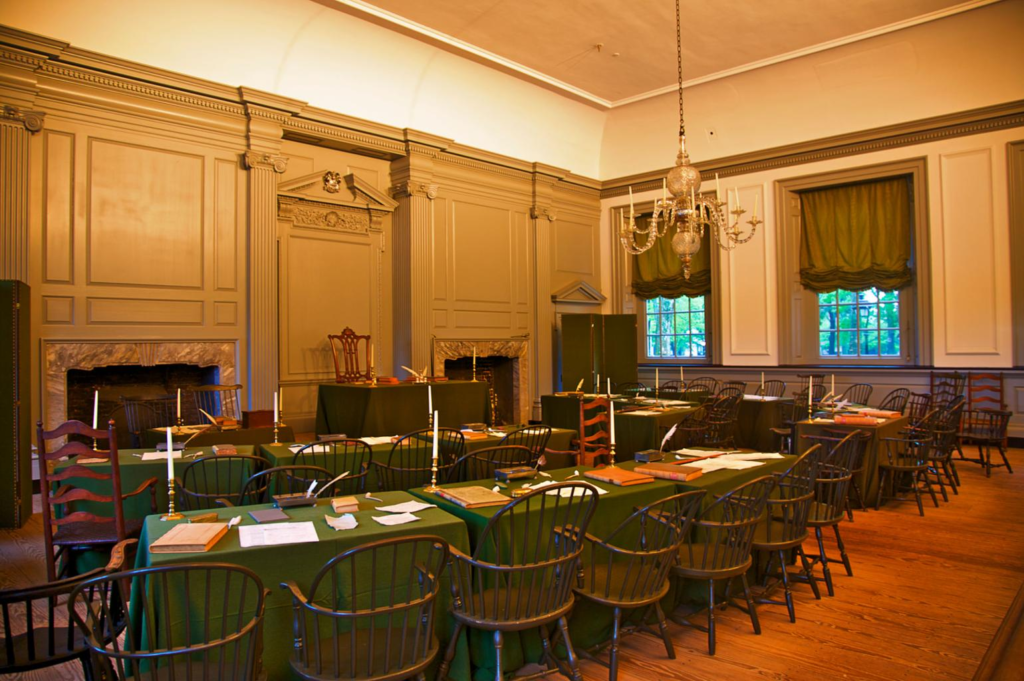
Sites such as Independence Hall in Philadelphia, where the Declaration of Independence and Constitution were debated, allow visitors to stand in the rooms where key decisions were made. Meanwhile, locations like Gettysburg National Military Park preserve landscapes where pivotal events unfolded.
But landmarks are not limited to well-known sites. Across the country, smaller locations quietly preserve important stories—from civil rights landmarks in the South to industrial heritage sites in the Midwest.
These places serve several essential roles:
- Education: They provide tangible connections to historical events.
- Community identity: Local landmarks reinforce regional history.
- Tourism: Heritage tourism generates billions in economic activity each year.
According to the U.S. Travel Association, cultural and heritage tourism accounts for over 40% of all domestic travel in the United States.
Landmarks therefore function not only as historical artifacts but also as living educational resources.
Living Traditions: Culture That Continues Today
American heritage is equally defined by traditions that remain active today.
These living practices—music, crafts, celebrations, and oral histories—reflect cultural continuity rather than static preservation.
Examples include:
- New Orleans jazz traditions
- Native American powwows
- Appalachian bluegrass music
- Mexican-American Día de los Muertos celebrations in the Southwest
- Gullah Geechee storytelling traditions along the Southeast coast
These traditions evolve over time while maintaining their cultural roots.
Organizations like the National Endowment for the Arts (NEA) support folk and traditional arts through grants that help communities maintain these practices. Programs such as the NEA National Heritage Fellowships recognize master artists who keep traditional knowledge alive.
In many ways, these living traditions represent heritage in motion—continuously adapting while preserving cultural identity.
Indigenous Heritage: America’s Oldest Cultural Foundations
Any serious exploration of American heritage must begin with Indigenous cultures. Long before European colonization, hundreds of Native nations developed sophisticated societies across the continent.
Today, Indigenous heritage continues through:
- Tribal languages
- Traditional ecological knowledge
- Ceremonial practices
- Art forms such as beadwork and pottery
- Land stewardship traditions
Historic places like Mesa Verde National Park in Colorado preserve ancestral Pueblo cliff dwellings, while sites such as Cahokia Mounds in Illinois reveal the scale of pre-colonial urban societies.
But Indigenous heritage is not confined to archaeology. Modern tribal communities actively maintain cultural traditions, often blending ancient practices with contemporary life.
For example, many tribes are leading efforts in environmental stewardship, applying traditional ecological knowledge to modern conservation challenges.
Recognizing Indigenous heritage helps broaden the narrative of American history beyond colonial perspectives.
Regional Food Traditions: A Culinary Map of History
Food is one of the most accessible ways to experience heritage.
Across the United States, regional cuisines reflect centuries of cultural exchange, migration, and adaptation.
Consider how geography and history shape food traditions:
- Louisiana Creole cuisine blends French, African, Caribbean, and Spanish influences.
- Tex-Mex cooking reflects Mexican heritage combined with American frontier culture.
- New England seafood traditions grew from coastal fishing economies.
- Midwestern farm cuisine evolved from immigrant agricultural communities.
These foodways often preserve stories about migration and identity.
For example, barbecue styles vary widely across the United States—Carolina vinegar-based sauces, Kansas City sweet tomato sauces, and Texas beef-focused traditions each reflect regional history.
Food festivals, farmers markets, and culinary heritage trails now help communities promote these traditions while supporting local economies.
Cultural Landscapes: When Nature and History Intersect
Heritage is not limited to buildings or cultural practices. Landscapes themselves can carry historical meaning.
The National Park Service identifies many “cultural landscapes” where natural environments reflect historical use or significance.
Examples include:
- Civil War battlefields
- Historic ranching lands in the American West
- Agricultural landscapes shaped by immigrant farmers
- Sacred Indigenous sites
Places like Monument Valley or the Great Smoky Mountains hold both natural beauty and cultural significance tied to Indigenous communities, early settlers, and evolving conservation movements.
Preserving these landscapes helps maintain the historical context that shaped American development.
Heritage Preservation: How Communities Protect the Past
Preserving heritage requires coordinated efforts across federal, state, and local organizations.
Several key frameworks support preservation in the United States:
- National Register of Historic Places
- National Historic Landmarks Program
- State Historic Preservation Offices (SHPOs)
- Local historic districts
Community organizations also play an essential role. Grassroots preservation groups often advocate for historic buildings or cultural traditions that might otherwise disappear.
In recent decades, preservation has expanded beyond architecture to include intangible heritage, such as traditional crafts or oral histories.
Digital archiving, oral history projects, and community museums now help safeguard cultural knowledge for future generations.
Heritage Tourism: Connecting Travel with Cultural Understanding
Heritage tourism has grown steadily as travelers seek deeper cultural experiences rather than conventional sightseeing.
Travelers increasingly look for opportunities to:
- Visit historic neighborhoods
- Attend cultural festivals
- Explore museums and heritage centers
- Experience traditional music and food
- Participate in guided historical tours
Cities such as Charleston, Santa Fe, and Boston have built thriving tourism economies around historic preservation and cultural storytelling.
For visitors, these experiences offer context and meaning. For communities, heritage tourism provides economic incentives to protect historic resources.
However, responsible heritage tourism must balance visitor access with preservation, ensuring that cultural sites remain protected.
Why American Heritage Matters Today
In a rapidly changing society, heritage provides continuity.
Understanding heritage helps Americans recognize the contributions of diverse communities that shaped the country. It also encourages thoughtful preservation of historic places, traditions, and stories.
Heritage initiatives increasingly emphasize inclusive storytelling, ensuring that histories of marginalized groups—including Indigenous peoples, African Americans, immigrants, and women—are more fully represented.
By exploring heritage in all its forms—landmarks, traditions, landscapes, and foodways—Americans gain a richer understanding of national identity.
Heritage is not simply about remembering the past. It is about understanding how the past continues to shape the present.
Frequently Asked Questions
What is considered American heritage?
American heritage includes historic landmarks, cultural traditions, Indigenous history, regional foods, landscapes, music, and community practices that reflect the nation’s historical development.
Why is heritage preservation important?
Preservation protects historical knowledge, strengthens community identity, supports education, and helps maintain cultural diversity.
What is heritage tourism?
Heritage tourism involves traveling to experience historic places, cultural traditions, and local histories that define a region.
How does the U.S. protect historic landmarks?
Federal programs like the National Register of Historic Places, along with state and local preservation laws, help protect historically significant sites.
Are traditions considered part of heritage?
Yes. Living traditions—such as music, crafts, festivals, and storytelling—are essential components of cultural heritage.
How do Indigenous cultures influence American heritage?
Indigenous cultures contribute languages, traditions, environmental knowledge, and historical perspectives that predate the founding of the United States.
What role does food play in heritage?
Regional cuisines reflect migration patterns, agricultural history, and cultural exchange, making food an important expression of heritage.
Can everyday places be considered heritage sites?
Yes. Schools, neighborhoods, farms, and workplaces can all be historically significant depending on their cultural or historical impact.
How can individuals support heritage preservation?
People can support local museums, participate in cultural events, volunteer with preservation groups, or advocate for historic protection.
What is intangible cultural heritage?
It refers to traditions, skills, and knowledge passed between generations—such as music, craftsmanship, rituals, and oral storytelling.
A Living Tapestry of History and Culture
American heritage is best understood not as a static collection of historic sites, but as an evolving cultural tapestry woven from many influences.
From Indigenous traditions that span millennia to immigrant stories that continue today, heritage reflects the complexity of the American experience.
Landmarks provide physical reminders of important moments, while traditions keep cultural identities alive in everyday life. Landscapes reveal how communities interacted with nature, and regional foods preserve the flavors of history.
Exploring heritage through multiple dimensions encourages a deeper appreciation for the diversity that defines the United States—and highlights why protecting these traditions remains an important responsibility.
Essential Ideas to Remember
- American heritage includes both historic landmarks and living traditions
- Indigenous cultures form the foundation of American history
- Regional foods and music reflect migration and cultural exchange
- Cultural landscapes reveal how people shaped and used the land
- Heritage tourism supports local economies and preservation efforts
- Preservation programs help protect historic buildings and sites
- Community traditions keep heritage alive across generations