
Summary
American heritage shapes everyday life in the United States through traditions, institutions, education systems, and civic participation. From the principles in founding documents to local community customs, heritage informs how Americans learn, govern, celebrate, and debate ideas. Understanding this influence helps individuals engage more thoughtfully in society and strengthens the shared civic framework that supports democratic life.
Understanding American Heritage
American heritage is not limited to monuments or historical events. It encompasses the ideas, traditions, institutions, and cultural practices that have developed across centuries in the United States. These elements shape how Americans interpret history, organize communities, educate future generations, and participate in civic life.
Heritage includes the foundational principles embedded in the nation’s founding documents, but it also reflects contributions from diverse groups that have shaped the country over time. Indigenous traditions, immigrant cultures, regional customs, and evolving social movements all contribute to the broader American story.
For many Americans, heritage is experienced through everyday interactions—national holidays, school curricula, public monuments, family traditions, and civic participation. These experiences reinforce shared narratives while also encouraging debate about how the country’s past informs its future.
Understanding this dynamic helps explain why heritage continues to influence modern culture, education, and democratic engagement.
How American Heritage Shapes Cultural Identity
American culture reflects a blend of traditions carried forward from earlier generations and new influences emerging from contemporary society. Heritage acts as a reference point for shared values, collective memory, and public symbols.
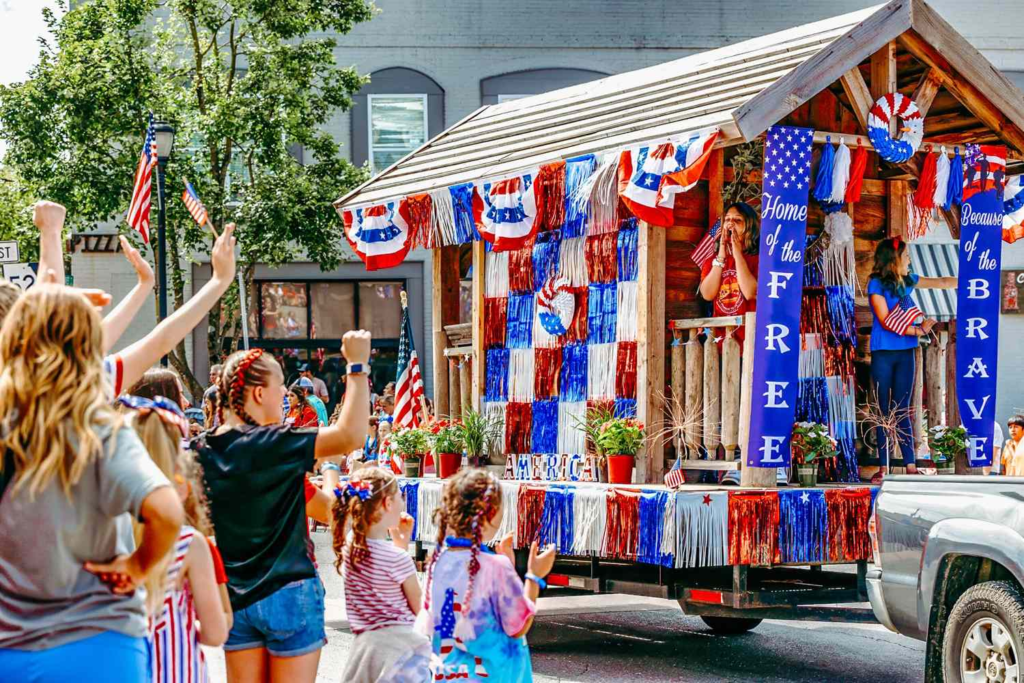
One visible example is the continued celebration of national holidays such as Independence Day, Memorial Day, and Thanksgiving. These events connect modern citizens with historical moments while reinforcing community participation.
Cultural heritage also influences:
- Language and storytelling traditions
- Regional customs and festivals
- Architecture and historic preservation
- Public art and monuments
- Media representations of national history
Museums and historical societies play an important role in maintaining these cultural connections. According to the American Alliance of Museums, the United States has over 35,000 museums, many dedicated to preserving local and national heritage.
These institutions do more than store artifacts. They create spaces for public reflection about how the past shapes present identity.
In addition, American heritage is often expressed through music, literature, and film. From folk traditions to contemporary storytelling, cultural narratives frequently revisit historical themes such as frontier life, civil rights struggles, and immigration experiences.
These stories help maintain continuity across generations while encouraging ongoing interpretation.
The Role of Heritage in American Education
Education is one of the primary ways American heritage is transmitted to future generations. Schools, universities, and public institutions teach history not simply as a record of events but as a framework for understanding civic values and national development.
In K–12 education, students typically encounter American heritage through subjects such as:
- U.S. history
- civics and government
- literature and cultural studies
- social studies and geography
These subjects explore themes including the founding of the United States, the evolution of democratic institutions, the Civil War, industrialization, civil rights movements, and modern political developments.
According to the National Center for Education Statistics, nearly 50 million students attend public elementary and secondary schools in the United States. This means educational curricula play a central role in shaping how millions of young Americans interpret their nation’s past.
Beyond textbooks, experiential learning helps students connect with heritage more directly. Common examples include:
- Field trips to historical sites
- Visits to museums and archives
- Participation in mock civic processes such as student government
- Oral history projects with community members
Universities also contribute by preserving archives, conducting historical research, and hosting public discussions about American identity and governance.
These educational experiences encourage critical thinking about heritage rather than simply memorizing historical facts.
Heritage and Civic Life in the United States
American heritage is deeply intertwined with civic participation. The principles established during the nation’s founding—such as representative government, constitutional rights, and public accountability—continue to shape civic expectations today.
Civic life in the United States involves participation in public institutions and community organizations. Heritage informs this participation by providing historical context for democratic values.
For example, many civic traditions stem directly from early American political practices, including:
- Town hall meetings
- Jury service
- Community volunteerism
- Public debates and civic forums
- Local elections and ballot initiatives
The nonprofit sector also reflects this heritage of civic engagement. According to the National Council of Nonprofits, there are over 1.5 million nonprofit organizations in the United States, many focused on community development, historical preservation, and civic education.
These organizations help maintain local heritage while encouraging public participation.
Another important aspect of civic heritage is the continued public discussion of historical interpretation. Debates about monuments, historical narratives, and educational curricula demonstrate that heritage remains an active and evolving part of American civic life.
Rather than being static, heritage often becomes a starting point for broader discussions about national values and priorities.
Regional Heritage and Local Traditions
One distinctive feature of American heritage is its regional diversity. While national narratives provide a shared framework, local traditions reflect the unique histories of different states and communities.
For example:
- New England towns often preserve colonial architecture and early American historical sites.
- Southern states frequently highlight Civil War history and regional cultural traditions.
- Western states celebrate frontier history, indigenous heritage, and migration narratives.
- Midwestern communities emphasize agricultural heritage and industrial development.
Local festivals, historical reenactments, and community museums help maintain these traditions. These events often combine education with community celebration.
Examples include:
- Colonial heritage festivals in Virginia and Massachusetts
- Frontier history celebrations in states like Wyoming and Montana
- Civil rights heritage tours across Alabama and Georgia
- Immigration heritage events in cities such as New York and Chicago
Such local traditions create opportunities for residents and visitors to connect with regional history in tangible ways.
They also demonstrate that American heritage is not a single narrative but a collection of interconnected stories.

The Influence of Heritage on Public Institutions
Public institutions across the United States frequently reflect historical traditions that originated during earlier periods of the nation’s development.
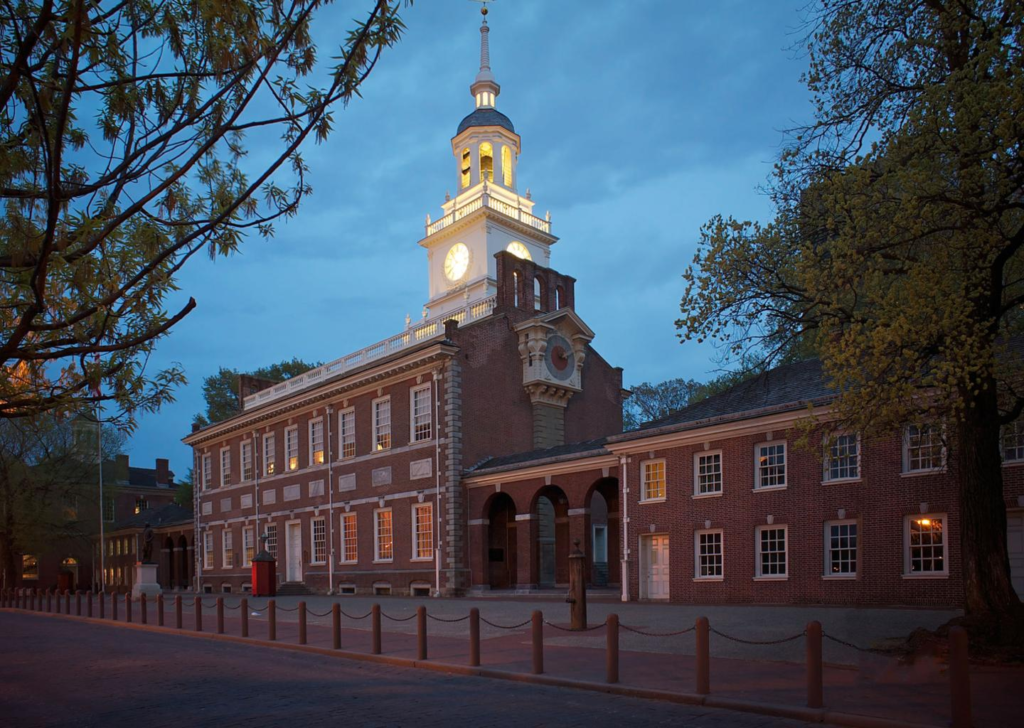
For instance, the design of many government buildings draws inspiration from classical architecture, symbolizing democratic ideals connected to ancient Greece and Rome. This architectural style was widely adopted during the early years of the republic.
Similarly, the structure of American government institutions—including legislative assemblies, independent courts, and elected executives—reflects constitutional principles established in the late eighteenth century.
Heritage also shapes how public ceremonies and rituals are conducted. Examples include:
- Presidential inaugurations
- Military commemorations
- Naturalization ceremonies
- Public memorial observances
These events reinforce shared civic values while connecting modern governance to historical traditions.
Even everyday elements of civic life—such as voting procedures, public oaths of office, and legislative debates—reflect longstanding practices developed over generations.
Preserving American Heritage in a Changing Society
Preservation efforts play an important role in maintaining historical continuity while allowing for evolving interpretations.
Across the United States, preservation initiatives operate at federal, state, and local levels. The National Park Service alone manages over 400 sites, many dedicated to historical preservation.
Preservation efforts typically include:
- Protecting historic landmarks and buildings
- Maintaining archives and historical records
- Documenting oral histories
- Restoring cultural landscapes
- Supporting local heritage tourism
However, preservation is not only about protecting physical structures. It also involves safeguarding traditions, cultural practices, and historical knowledge.
Digital archives and online educational platforms have expanded access to historical materials, allowing broader audiences to explore American heritage.
At the same time, ongoing public dialogue ensures that heritage remains relevant to modern society.
Why American Heritage Still Matters Today
In an increasingly global and technologically connected world, heritage provides a framework for understanding national identity and civic responsibility.
American heritage continues to matter for several reasons:
- It offers historical context for modern political debates.
- It supports civic literacy and democratic participation.
- It strengthens community identity and continuity.
- It encourages reflection about the nation’s successes and challenges.
Rather than presenting a single fixed narrative, heritage invites Americans to engage with the past critically and constructively.
This ongoing engagement helps sustain democratic institutions while encouraging thoughtful dialogue about the country’s future.
Frequently Asked Questions
What is meant by American heritage?
American heritage refers to the traditions, values, institutions, and historical experiences that have shaped the United States over time. It includes cultural practices, historical events, and civic principles that influence modern society.
Why is American heritage important?
Heritage provides historical context for civic institutions, cultural traditions, and national identity. Understanding heritage helps individuals engage more effectively in democratic processes and community life.
How does heritage influence education in the United States?
Schools teach American history, government, and literature to help students understand the nation’s development and civic values. Educational programs often include historical research, museum visits, and civic simulations.
How do communities preserve American heritage?
Communities preserve heritage through museums, historic preservation projects, cultural festivals, and educational programs that document local history.
What role do museums play in preserving heritage?
Museums collect artifacts, maintain archives, and present historical narratives that help the public understand cultural and historical developments.
How does American heritage affect civic participation?
Historical traditions such as town meetings, elections, and public debate encourage civic engagement and democratic participation.
What are examples of regional American heritage?
Examples include colonial traditions in New England, frontier history in the West, civil rights heritage in the South, and industrial history in the Midwest.
How is American heritage evolving today?
New scholarship, digital archives, and community discussions continue to reinterpret historical narratives and expand the understanding of diverse contributions to American society.
What institutions protect American heritage?
Organizations such as the National Park Service, state historical societies, universities, and nonprofit preservation groups help protect historical sites and records.
Can heritage influence modern policy discussions?
Yes. Historical experiences often inform debates about governance, civil rights, education, and public memory.
A Living Framework for Civic Understanding
American heritage remains a living framework rather than a static historical record. It connects past experiences with modern civic life, guiding how communities educate young people, interpret national identity, and participate in democratic institutions.
By engaging thoughtfully with heritage, Americans strengthen their ability to navigate complex social challenges while maintaining the shared civic foundations that support democratic society.
Key Insights at a Glance
- American heritage shapes cultural identity, education systems, and civic institutions.
- Museums, schools, and public organizations help preserve and interpret historical narratives.
- Regional traditions highlight the diverse experiences that form the American story.
- Civic participation in the United States is closely connected to historical democratic practices.
- Preservation efforts ensure that historical knowledge remains accessible to future generations.